
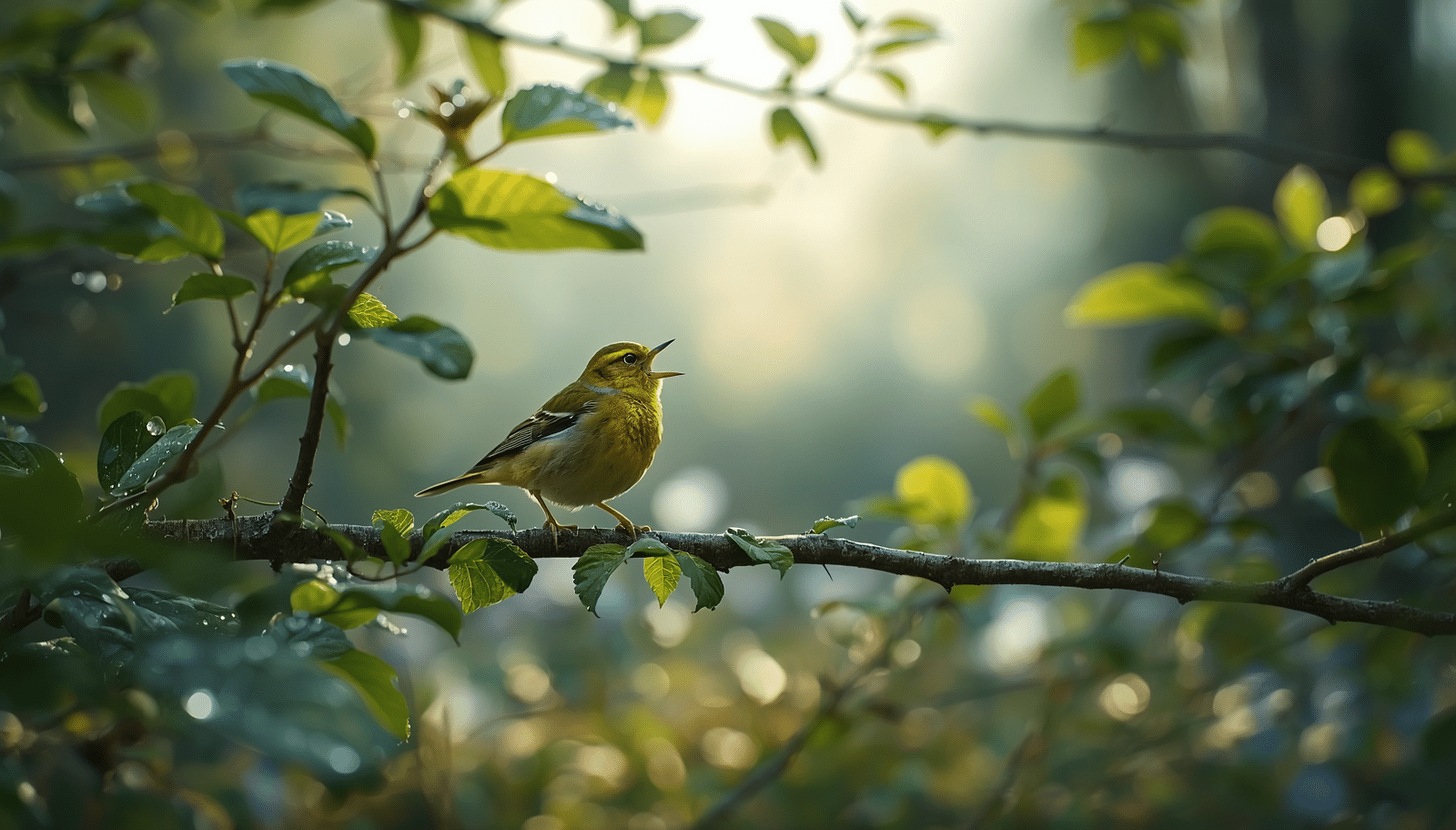
The Joy of Discovering a Warbler Bird’s Melodies
Have you ever paused to listen to the soft, melodic songs that fill the air during a quiet morning? Those sweet tunes often come from a small, colorful bird known as the warbler.
If you’ve ever wondered what makes a warbler bird so special, you’re about to discover fascinating facts that will change the way you see and hear these tiny creatures. By the end of this article, you’ll not only recognize a warbler’s song but also understand why these birds capture the hearts of bird lovers everywhere.
Ready to explore the world of the warbler bird? Let’s dive in.
Credit: chasingnature.substack.com
Warbler Species And Habitats
Warblers are small songbirds found in many parts of the world. They have bright colors and sing sweet songs.
These birds live in different places depending on their species. They adapt to many types of habitats.
Common Warbler Types
There are many warbler species with unique colors and sounds. Some types are easy to spot in gardens and forests.
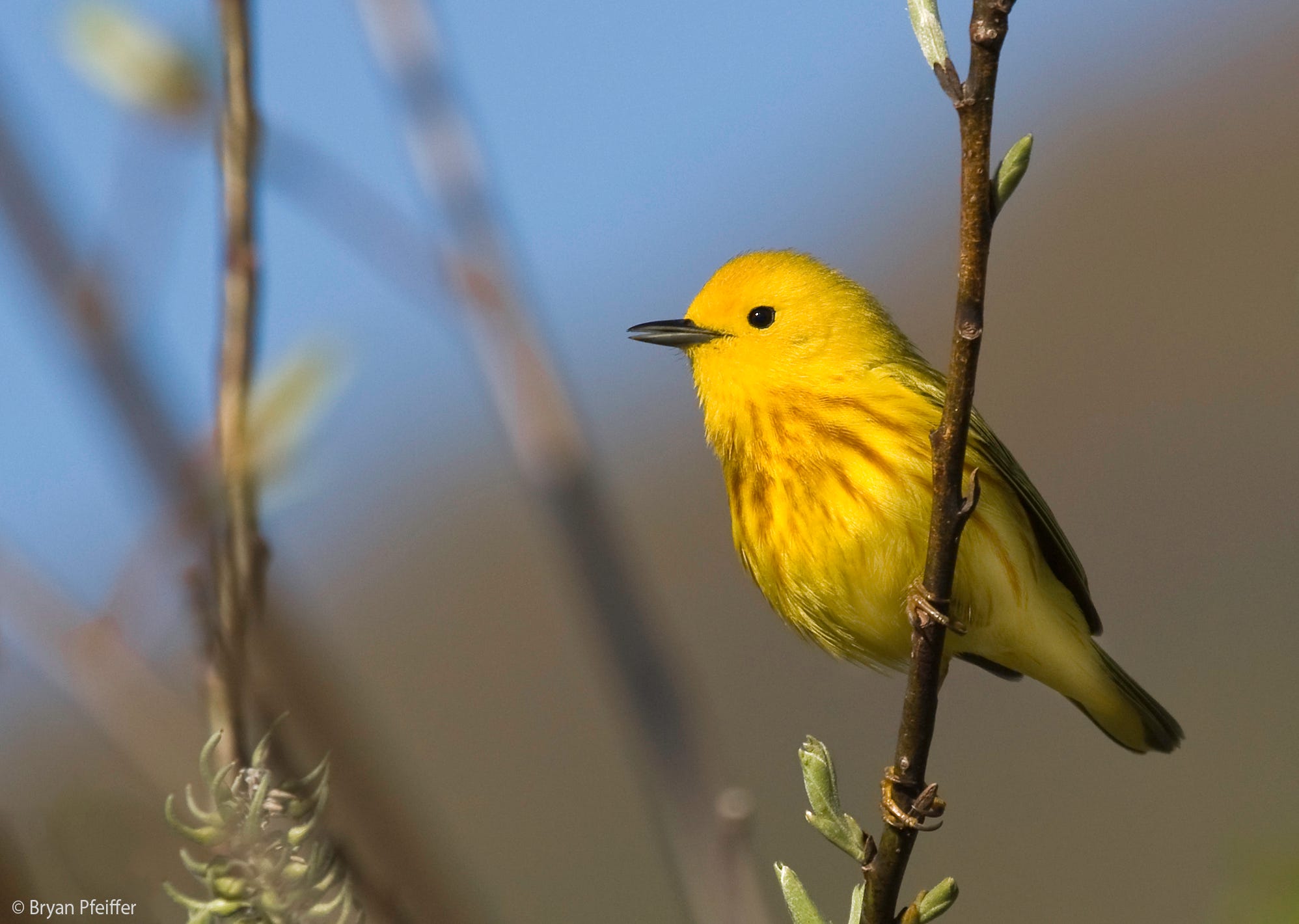
- Yellow Warbler – bright yellow with rusty spots
- Black-and-white Warbler – striped black and white feathers
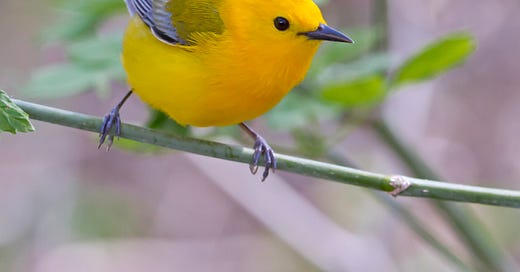
- Prothonotary Warbler – golden yellow with blue wings
- Common Yellowthroat – olive back and bright yellow throat
- Chestnut-sided Warbler – yellow face with chestnut sides
Preferred Environments
Warblers like places with plenty of trees and bushes. They find food and shelter there.
Some warblers live in wet areas like swamps. Others prefer dry forests or open fields.
- Woodlands with dense trees
- Shrubby areas near water
- Marshes and swamps
- Grasslands with scattered bushes
- Gardens and parks with shrubs
Migration Patterns
Many warblers migrate to warmer places during winter. They travel long distances to survive cold weather.
They fly mostly at night and rest during the day. Their migration paths connect breeding and winter homes.
- North America warblers move to Central and South America
- Some species cross the Gulf of Mexico nonstop
- Migration helps avoid cold and find food
- Young warblers learn routes from older birds
- Spring migration brings warblers back to breed
Physical Traits And Behavior
Warbler birds are small and active songbirds found in many places. They have bright colors and sing beautiful songs.
These birds move quickly and often stay in trees or bushes. Their behavior helps them find food and stay safe.
Size And Color Variations
Warblers are small birds, usually 4 to 6 inches long. Their size helps them fly fast and catch insects.
They come in many colors. Some have yellow, green, or brown feathers. These colors help them hide in leaves.
- Yellow warblers have bright yellow feathers with red spots
- Common yellowthroats show black masks on their faces
- Many warblers have olive or brown backs to blend in
Feeding Habits
Warblers mainly eat insects like caterpillars and beetles. They catch food by hopping on branches or flying fast.
Some warblers also eat berries and small fruits, especially in winter. They look for food in trees and bushes.
- Insects are the main part of their diet
- They catch insects in mid-air or from leaves
- Berries help them stay strong during cold months
Breeding And Nesting
Warblers build cup-shaped nests in trees or shrubs. They use grass, leaves, and spider webs to make nests strong.
Females lay 3 to 6 eggs. Both parents help feed the young birds until they can fly and find food alone.
- Nests are small and hidden in leaves
- Eggs are usually white or pale with spots
- Parents take turns feeding and guarding chicks
Songs And Communication
Warbler birds use songs to talk and share important messages. Their songs are unique sounds that help them in many ways. Listening to these songs helps us learn about their lives.
These birds use different sounds to show feelings and warn others. Their songs are part of their daily life and help them stay safe and connected.
Song Characteristics
Warbler songs have many parts. They can be short or long. Some songs have high notes, and others have low notes. The pattern of sounds can change depending on the bird’s mood or place.
- Clear and bright tones
- Repeating phrases
- Fast and slow rhythms
- Varied pitch and volume
- Sometimes includes trills or whistles
Purpose Of Songs
Warblers sing to mark their space and find mates. Their songs warn other birds to keep away. Singing also helps birds know who is nearby and if there is danger.
| Purpose | Explanation |
| Territory | Shows which area belongs to the bird |
| Mating | Attracts a partner for breeding |
| Warning | Alerts others about predators |
| Communication | Shares location and status with others |
Listening Tips
To hear warbler songs well, find quiet places near trees. Listen early in the morning when birds sing most. Use patience to catch different sounds and enjoy the variety.
Tips for Listening:
- Stay still and be quiet
- Use binoculars to spot birds
- Note the song patterns and repeats
- Record sounds to study later
- Learn to identify different warbler species by their songs

Credit: www.aba.org
Role In Ecosystems
The warbler bird plays an important role in many ecosystems. It helps keep the environment balanced and healthy. Its actions impact plants, insects, and the overall health of nature.
Understanding the warbler’s role helps us see how small creatures support big natural systems.
Pollination And Seed Dispersal
Warblers help pollinate flowers as they move from plant to plant. They also spread seeds by eating fruits and dropping seeds far away. This helps plants grow in new places.
- Carry pollen on their feathers
- Spread seeds through droppings
- Help plants reproduce and grow
Insect Control
Warblers eat many insects, which controls insect populations. This prevents damage to plants and crops. They mainly feed on caterpillars, beetles, and flies.
| Insect Type | Effect on Plants |
| Caterpillars | Can eat leaves and hurt plants |
| Beetles | May bore into stems and roots |
| Flies | Can spread disease to plants |
Indicator Of Environmental Health
Warblers show how healthy an environment is. If warblers are many and active, the ecosystem is likely clean and balanced. If they disappear, it can mean pollution or habitat loss.
Signs warblers are a good environmental indicator:
- Bright, clear songs mean good air quality
- Stable numbers show healthy forests
- Changes in behavior warn of habitat issues
Conservation Efforts
Warbler birds are small, colorful songbirds. They play an important role in nature by controlling insects and spreading seeds.
Many warbler species face threats that reduce their numbers. Conservation efforts help protect these birds and their homes.
Threats To Warblers
Warblers lose their habitats due to logging and farming. Pollution and climate change also harm their environment.
Predators like cats and invasive species can reduce warbler populations. Collisions with buildings and windows are another danger.
- Habitat loss from deforestation and development
- Pollution affecting food and water sources
- Climate change altering migration and breeding
- Predators including domestic cats
- Window collisions during flight
Protective Measures
Creating and preserving natural habitats helps warblers survive. Protected parks and reserves offer safe places for nesting.
Using bird-friendly building designs reduces window collisions. Controlling invasive species and keeping cats indoors also help.
- Set up protected areas and nature reserves
- Use bird-safe glass and window decals
- Manage invasive plants and animals
- Keep cats inside or in enclosed spaces
- Restore native plants for food and shelter
How To Help
People can help warblers by planting native trees and shrubs. This provides food and homes for the birds.
Volunteering in local conservation groups supports warbler protection. Watching warblers raises awareness about their needs.
- Plant native plants in gardens and parks
- Join or support bird conservation groups
- Keep cats indoors or supervised outdoors
- Put up bird feeders and water sources
- Reduce pesticide use to protect insects warblers eat
Credit: chasingnature.substack.com
Frequently Asked Questions
What Is A Warbler Bird?
A warbler bird is a small, colorful songbird found worldwide. It is known for its melodious singing and active behavior in forests and gardens.
Where Do Warbler Birds Usually Live?
Warbler birds typically live in woodlands, shrubs, and gardens. They prefer areas with dense vegetation for nesting and feeding.
What Do Warbler Birds Eat?
Warbler birds mainly eat insects, spiders, and small invertebrates. Some species also consume berries and nectar during migration.
How Can I Identify A Warbler Bird?
Look for small size, bright colors, and active movements. Warblers often have distinctive songs and patterns on their feathers.
Conclusion
Exploring the world of warbler birds is truly fascinating. These small, colorful creatures captivate bird watchers worldwide. Their songs add charm to natural environments. Observing them teaches us about nature’s beauty and diversity. Warblers play a vital role in ecosystems, controlling insect populations.
They are more than just pretty birds. Respect and protect their habitats. Encourage others to appreciate these lively birds. Your interest in warblers can inspire conservation efforts. Enjoy every moment spent watching these feathered wonders. They remind us of nature’s simple joys.
Keep exploring and learning about the vibrant world of warblers.



