Are Bird Berries Poisonous? Safe vs Toxic Types for Birds, Humans, and Pets
Have you ever spotted bright, colorful berries and wondered if they’re safe for birds—or even for you? Those tempting little fruits might look harmless, but could they be hiding something dangerous?
If you’ve asked yourself, “Are bird berries poisonous? ” You’re not alone. Understanding which berries are safe and which aren’t can protect your feathered friends and keep your family safe too. Keep reading, because what you discover here might change how you see those berries forever.
Common Bird Berries
Many birds eat berries as part of their diet. These berries provide food and nutrients. Some berries are safe, while others can be harmful.
Understanding common bird berries helps us know which ones birds prefer. It also helps to learn if any berries are poisonous to them.
Types Of Berries Birds Eat
Birds eat many types of berries. Some popular kinds include:
- Blueberries
- Mulberries
- Holly berries
- Elderberries
- Dogwood berries
- Serviceberries
These berries vary in taste and nutrition. Birds often choose berries that are ripe and easy to eat.
Appearance And Characteristics
| Berry Type | Color | Size | Poisonous to Birds? |
|---|---|---|---|
| Blueberries | Blue to purple | Small, round | No |
| Mulberries | Red, purple, black | Small, elongated | No |
| Holly berries | Bright red | Small, round | Yes |
| Elderberries | Dark purple | Very small, round | Yes, if raw |
| Dogwood berries | White to red | Small, round | Yes |
| Serviceberries | Red to dark purple | Small, round | No |
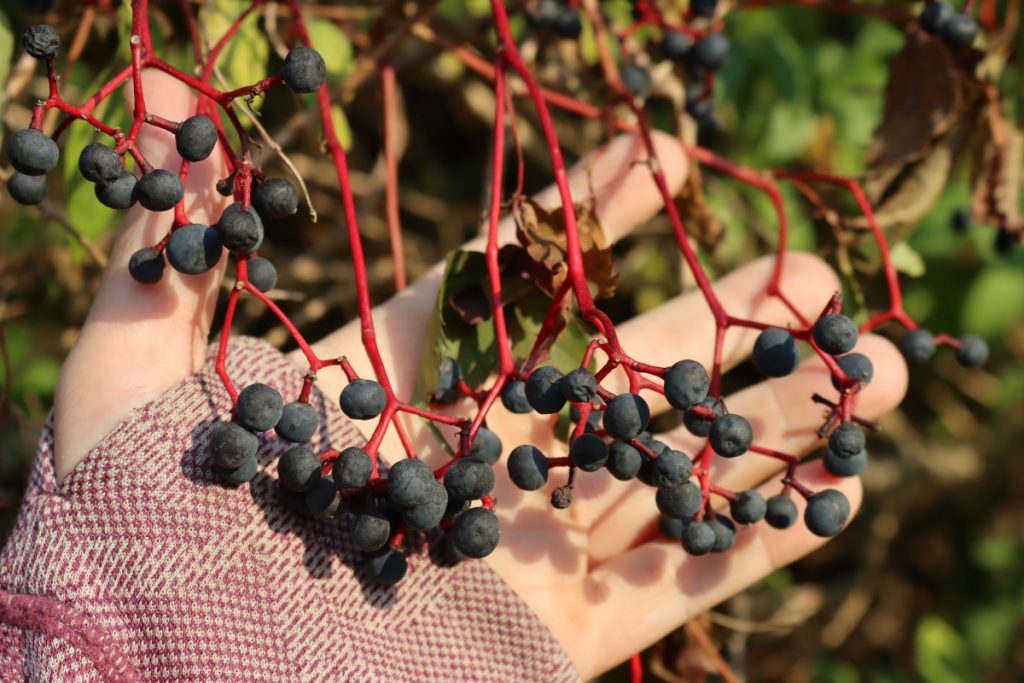
Some berries are bright and easy to spot. Others blend in with leaves or branches. Birds use color and smell to find the best berries.
Credit: practicalselfreliance.com
Toxicity To Humans
Bird berries may look attractive but some are harmful to people. Eating these berries can cause health problems. It is important to know which ones are unsafe.
Many birds eat berries that humans should avoid. The level of danger depends on the type of berry and the amount eaten.
Which Berries Are Poisonous
Not all bird berries are safe for humans. Some common poisonous berries include:
- Holly berries
- Mistletoe berries
- Yew berries
- Deadly nightshade berries
- Chokecherries
These berries contain chemicals that can harm your body. Avoid eating any wild berries unless you know they are safe.
Symptoms Of Poisoning
Eating poisonous bird berries may cause many symptoms. These include:
- Nausea and vomiting
- Stomach pain and cramps
- Dizziness or headache
- Diarrhea
- Confusion or difficulty breathing in serious cases
Symptoms vary depending on the type and amount of berry eaten. Some reactions appear quickly, while others take time.
Severity And Risks
The risk from bird berries ranges from mild to severe. Small amounts often cause mild symptoms. Large amounts can be dangerous.
Children and pets are at higher risk. Some berries contain toxins that can cause serious illness or death. Always seek medical help if poisoning is suspected.
Toxicity To Birds
Berries are common in many birds’ diets. Some berries are safe, while others can be harmful. Knowing which berries are toxic helps protect birds from poisoning.
Birds may eat berries without knowing they are dangerous. This can cause health problems or even death. It is important to understand berry toxicity for bird safety.
Are All Bird Berries Safe For Birds?
Not all berries are safe for birds. Some berries contain poisons that hurt birds’ bodies. Birds often avoid bitter or bad-tasting berries, but mistakes happen.
- Safe berries include elderberries, blueberries, and blackberries.
- Toxic berries include mistletoe, pokeweed, and yew berries.
- Some berries are safe only when fully ripe.
- Bird species vary in their ability to eat certain berries.
Effects Of Poisonous Berries On Birds
When birds eat poisonous berries, they may show different symptoms. These symptoms depend on the type and amount of toxin they consume.
| Symptom | Description | Possible Outcome |
| Vomiting | Birds may regurgitate food to remove toxins | Temporary distress |
| Weakness | Loss of strength and energy | Inability to fly or escape predators |
| Diarrhea | Loss of fluids and nutrients | Dehydration |
| Tremors | Shaking or muscle spasms | Severe nervous system damage |
| Death | Fatal poisoning from strong toxins | Loss of the bird |
How Birds Eat Poisonous Berries Safely
Many berries are poisonous to humans but safe for birds. Birds have special ways to eat these berries without harm. Their bodies are built to handle toxins in nature.
This article explains how birds use natural adaptations and detoxification to eat poisonous berries safely.
Natural Adaptations
Birds have physical and behavioral traits that help them eat toxic berries. Their digestive systems are strong and fast. This reduces toxin absorption.
- Birds have tough stomach linings that protect against poisons.
- They eat berries in small amounts to avoid getting sick.
- Birds often eat a variety of foods to balance their diet.
- Some species have special enzymes to break down toxins early.
- Their quick digestion moves toxins out before harm occurs.
Detoxification Mechanisms
Birds use internal processes to remove harmful chemicals from their bodies. Their liver plays a key role in detoxifying poisons from berries.
| Detox Method | How It Works |
| Enzymatic Breakdown | Enzymes in the liver break down toxins into safer compounds. |
| Rapid Excretion | Toxins are quickly removed through urine and feces. |
| Immune Response | Birds’ immune systems neutralize some poisons. |
| Microbial Help | Gut microbes assist in breaking down harmful substances. |
Preventing Accidental Poisoning
Bird berries can look tempting but some are poisonous. Knowing how to prevent accidental poisoning is important.
Children and pets are often at risk. Learning to identify dangerous berries helps keep them safe.
Identifying Dangerous Berries In Your Area
Not all berries are safe to eat. Some common toxic berries include deadly nightshade and holly berries. Knowing local plants is key.
- Observe the berry’s color and shape carefully.
- Learn which plants grow near your home or park.
- Use a plant guide or app to check berries.
- Avoid tasting any unknown berries.
- Teach children to never eat wild berries without permission.
Safety Tips For Children And Pets
Children and pets often put things in their mouths. Take steps to keep them safe around berry-producing plants.
| Safety Tip | Details |
| Supervise Outdoor Play | Watch children and pets closely in areas with wild plants. |
| Remove Dangerous Plants | Clear toxic berry bushes from your yard if possible. |
| Teach Recognition | Show children pictures of poisonous berries to avoid. |
| Store Food Safely | Keep edible berries and fruits out of reach from pets and kids. |
| Know Emergency Contacts | Have poison control numbers handy for quick action. |
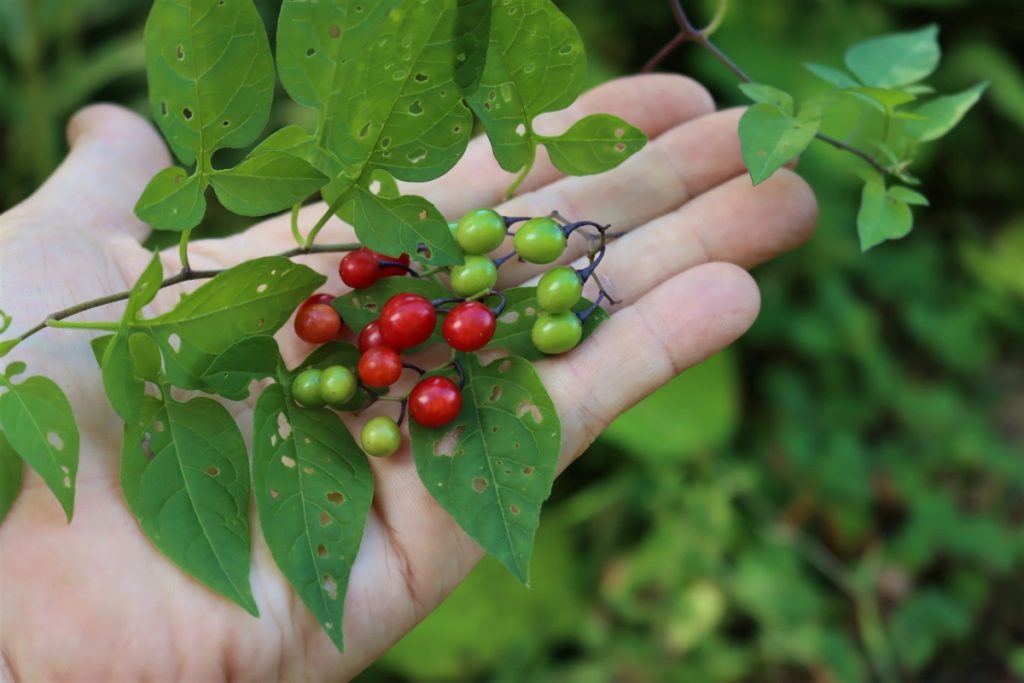
Credit: practicalselfreliance.com
Safe Alternatives For Bird Feeders
Bird berries can sometimes be harmful to birds if they are toxic. It is important to know which berries are safe. Using safe alternatives helps protect birds while feeding them.
Choosing non-toxic food keeps birds healthy and happy. This guide shares safe berry options and good feeding habits.
Non-toxic Berries To Offer
Some berries are safe for birds to eat and provide good nutrition. You can add these to your bird feeder to attract different bird species.
- Blueberries
- Strawberries
- Raspberries
- Cranberries (fresh, not dried)
- Mulberries
- Serviceberries
- Elderberries (ripe and fresh)
Make sure berries are fresh and clean. Avoid berries that are moldy or spoiled as they can harm birds.
Best Feeding Practices
Feeding birds the right way helps keep them safe and prevents disease. Clean feeders often and remove old food.
- Place feeders in shaded, safe areas
- Change food every few days to avoid mold
- Use feeders designed for the type of birds you want
- Keep feeders away from areas with predators
- Offer a mix of seeds, nuts, and safe berries
- Provide fresh water near feeders
Myths About Bird Berries
Bird berries often cause worry about their safety. Many people think all bird berries are poisonous. This is not always true.
It is important to know which berries are safe and which are not. Let’s explore some common myths and facts about bird berries.
Common Misconceptions
Many believe all berries eaten by birds are harmful to humans. This idea is mostly wrong. Birds can eat some berries that humans should avoid.
Another myth is that if a berry is colorful, it must be poisonous. Color does not always mean danger. Some bright berries are safe.
- Not all bird berries are poisonous to humans.
- Birds can digest some berries that humans cannot.
- Bright colors do not always mean the berry is toxic.
Separating Fact From Fiction
Bird berries vary in safety. Some are edible, while others can cause sickness. It is best to identify each berry before eating it.
Poisonous berries often cause stomach pain or worse. Knowing which berries are safe helps prevent accidents. Always check with a reliable guide.
- Safe berries include elderberries and blueberries (when ripe).
- Dangerous berries include mistletoe and holly berries.
- Consult plant guides before eating wild berries.
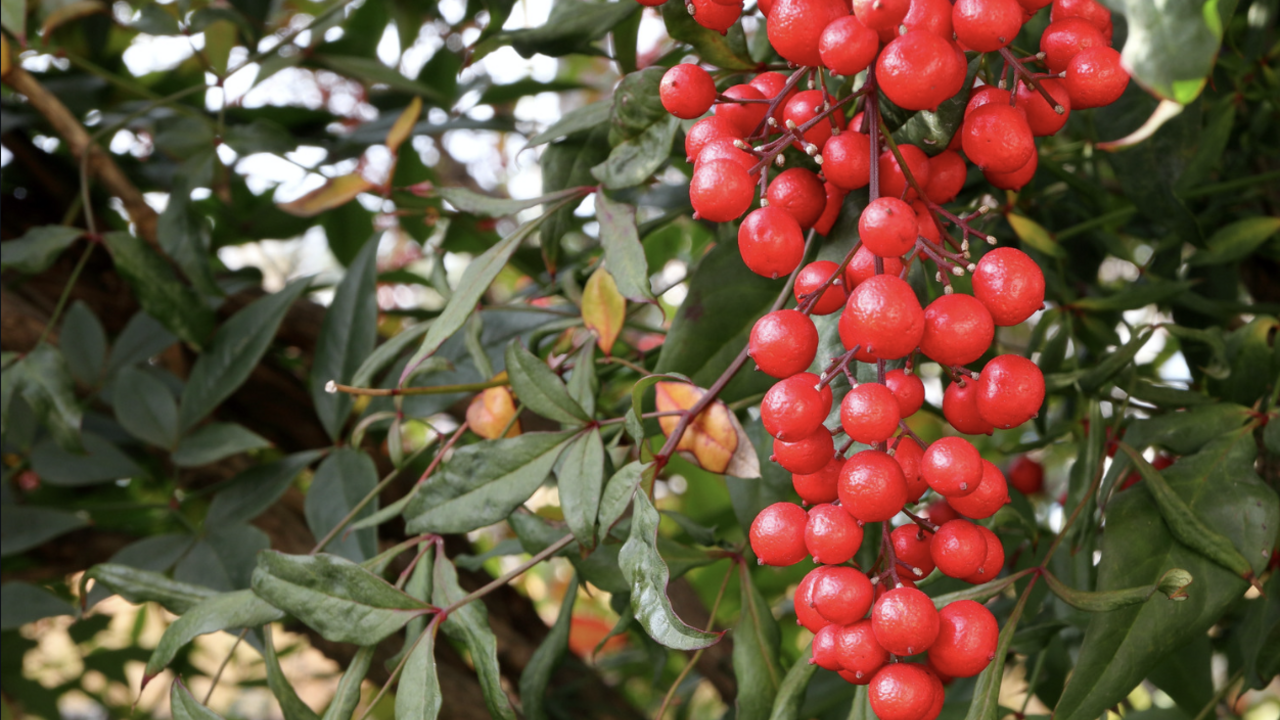
Credit: extension.msstate.edu
Frequently Asked Questions
Are Bird Berries Poisonous To Humans?
Most bird berries are mildly toxic to humans. Some can cause stomach upset if eaten in large amounts. Always identify berries before consuming and avoid unknown types to stay safe.
Which Bird Berries Are Most Toxic?
Berries from nightshade, holly, and yew plants are highly toxic. These berries can cause severe poisoning symptoms in humans and pets. Avoid eating these berries and keep them away from children.
Can Pets Eat Bird Berries Safely?
Many bird berries can be harmful to pets like dogs and cats. Some berries cause vomiting, diarrhea, or worse. Always prevent pets from eating unknown berries found outdoors.
Why Do Birds Eat Berries Poisonous To Humans?
Birds can safely digest many berries toxic to humans. Their metabolism differs, allowing them to handle certain toxins. Birds help spread seeds by eating these berries.
Conclusion
Bird berries vary in their safety for humans and animals. Some are toxic, while others are safe. Always identify berries before consumption. Research is key. Understanding these differences helps avoid health risks. Birds usually eat berries safely. Their digestive systems handle toxins better.
For humans, caution is necessary. Consult reliable sources or experts. Stay informed to keep your garden and family safe. Safe gardening practices protect everyone. Enjoy nature’s beauty while being mindful. Safety first, always!