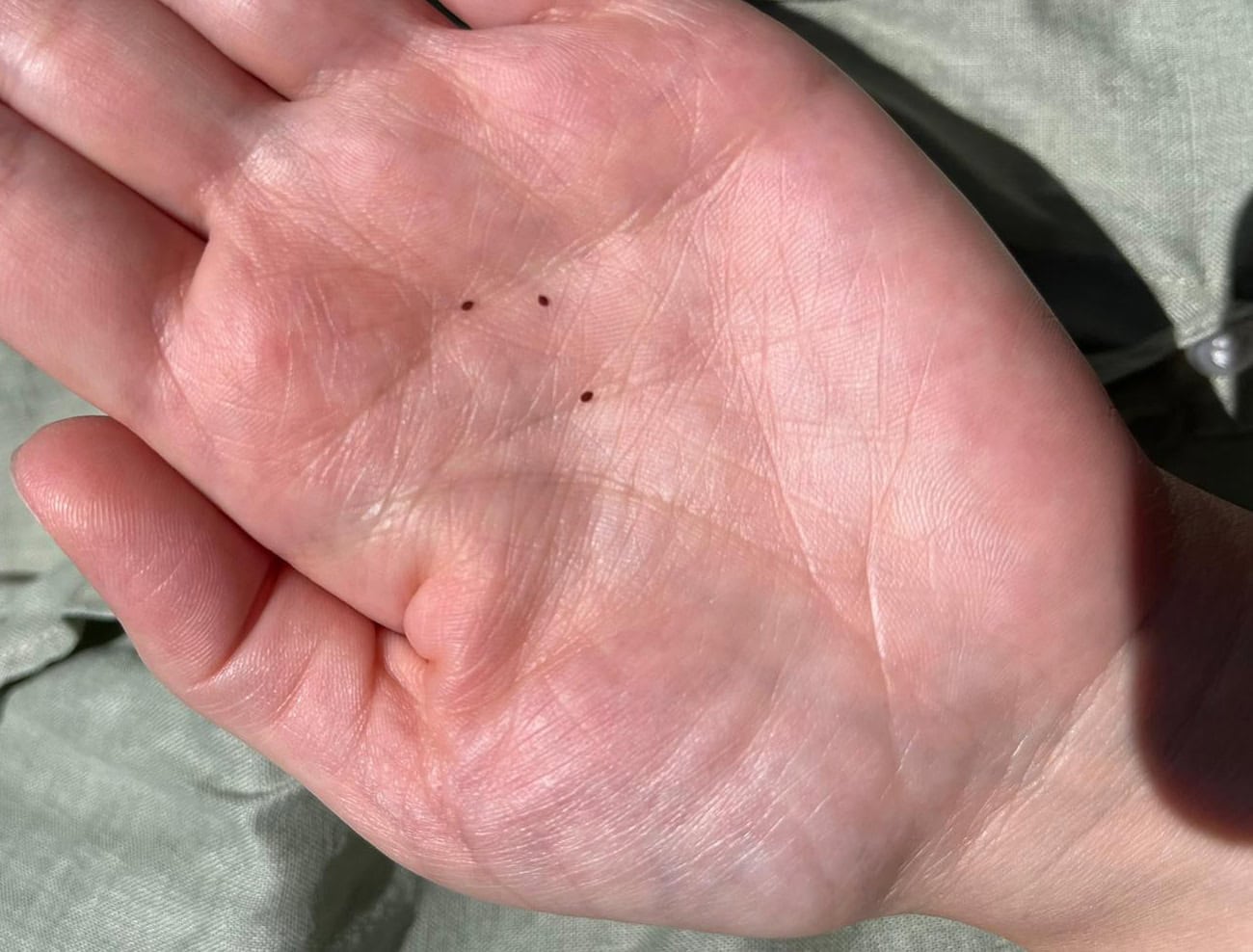
Have you ever felt tiny, itchy bites on your skin and wondered where they came from? Bird mites might be the unexpected culprits.
These tiny creatures live close to birds but can sometimes find their way into your home—and onto your skin. You may be asking yourself, “Are bird mites dangerous to me? ” Understanding the risks they pose and how to protect yourself is more important than you think.
Keep reading to discover the truth about bird mites and how they can affect your health and comfort.

Credit: vermicure.co.uk
What Are Bird Mites?
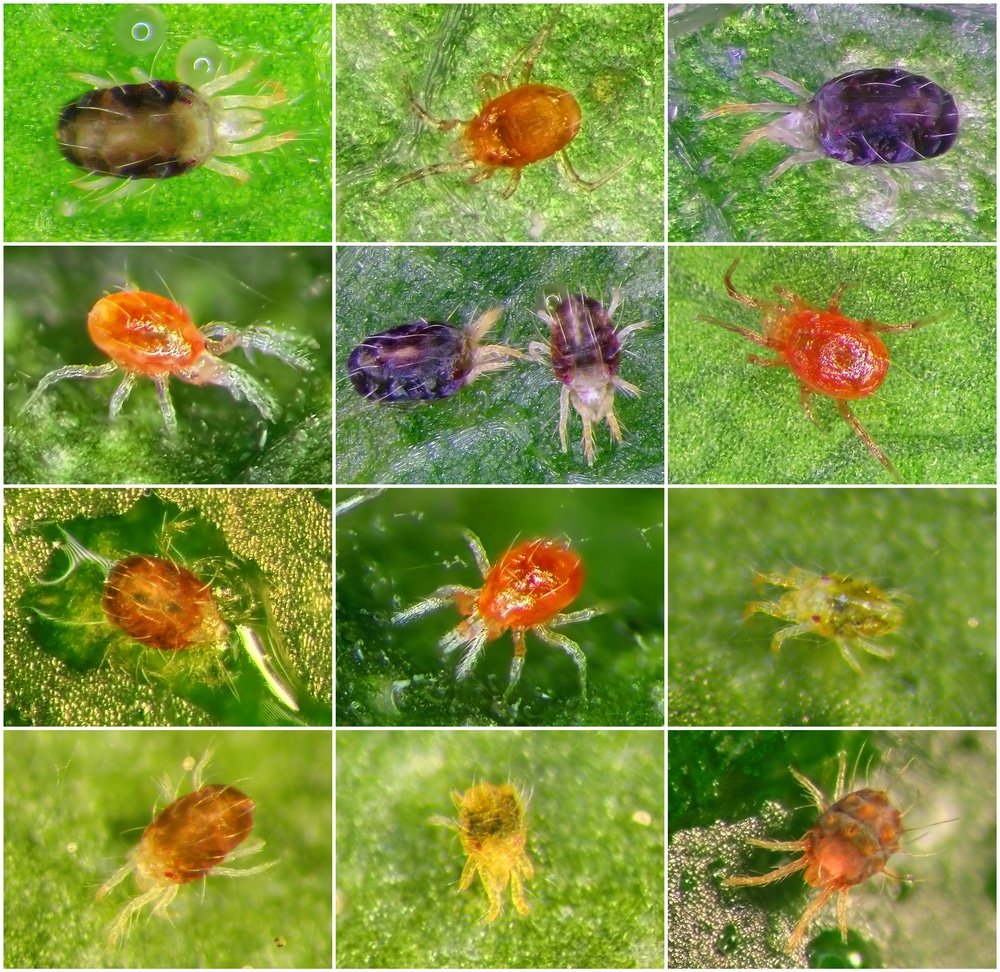
Bird mites are tiny bugs that live on birds. They feed on the blood of birds to survive.
These mites can sometimes leave their bird hosts and bite humans. They are very small and hard to see.
Types Of Bird Mites
There are several types of bird mites. Each type prefers different birds or habitats.
- Ornithonyssus sylviarum:Also called the northern fowl mite. Common on chickens and wild birds.
- Ornithonyssus bursa:Known as the tropical fowl mite. Found mostly in warm areas on poultry.
- Dermanyssus gallinae:Called the red mite. Lives mainly on poultry but can bite humans.
- Proctophyllodes spp.:Feather mites that live in bird feathers but do not bite humans.
Where Bird Mites Live
Bird mites live where birds build nests. They stay close to their food source.
Common places include bird nests, roosts, and nearby cracks or crevices in buildings.
- Bird nests in attics, chimneys, or vents
- Outdoor birdhouses and feeders
- Cracks in walls or ceilings near nests
- Under roof shingles or siding where birds nest

Credit: www.bedbugbarrier.com.au
How Bird Mites Interact With Humans
Bird mites are tiny parasites that usually live on birds. They feed on the blood of birds but can sometimes bite humans. These bites can cause skin problems and discomfort.
Bird mites do not live on humans like some other mites. They only bite humans when their bird hosts are not nearby. This makes their interaction with humans temporary but still troublesome.
Common Ways Humans Get Exposed
People get exposed to bird mites in several ways, especially near bird nests. Bird mites leave the nests to find a new host when birds leave or the nest is disturbed.
- Cleaning or removing bird nests from attics, roofs, or vents
- Living near bird nests on buildings or trees
- Handling wild birds or baby birds that carry mites
- Having pets that come into contact with bird nests
- Opening windows or vents close to nests where mites can enter
Symptoms Of Bird Mite Bites
Bites from bird mites cause skin irritation and other symptoms. These signs help identify if bird mites are the cause of discomfort.
| Symptom | Description |
| Red Spots | Small, red bumps or dots on the skin |
| Itching | Strong urge to scratch the affected area |
| Rash | Clusters of red, inflamed skin patches |
| Swelling | Mild swelling around the bite spots |
| Blisters | Small fluid-filled bumps in some cases |
Health Risks From Bird Mites
Bird mites are tiny creatures that live on birds. Sometimes, they move to humans if birds leave a nest nearby. These mites can cause health problems for people.
It is important to know what risks bird mites bring. This helps to protect yourself and your family from harm.
Can Bird Mites Transmit Diseases?
Bird mites do not usually carry or spread diseases to humans. They mainly cause skin problems by biting. These bites can become itchy and uncomfortable.
Scientists have not found strong evidence that bird mites spread serious illnesses. The main concern is the irritation from their bites, not disease transmission.
Allergic Reactions And Skin Irritations
Bird mite bites can cause allergic reactions in some people. The skin may become red, swollen, and itchy. Scratching can lead to infections.
Symptoms of skin irritation include:
- Small red bumps or welts
- Itching that lasts for days
- Swelling around the bite area
- Dry or cracked skin from scratching
People with sensitive skin or allergies may have stronger reactions. It is best to avoid contact with bird mites and clean areas where birds nest.
Credit: howtopest.com
Preventing Bird Mite Infestations
Bird mites can cause itchy bites on humans. They come from birds nesting near homes.
Stopping bird mites starts with keeping birds away and cleaning your home well.
Keeping Birds Away
Birds bring mites when they nest close to houses. Removing nests helps stop mites.
Use bird deterrents to keep birds from landing on your roof or windows.
- Install bird spikes on ledges and roofs
- Use reflective tape to scare birds away
- Close holes and gaps where birds build nests
- Remove food sources like open trash or bird feeders
Home Cleaning Tips
Cleaning your home removes mites and stops them from spreading. Focus on places near bird nests.
Wash bedding and vacuum floors often to remove mites and eggs.
- Vacuum carpets, rugs, and furniture thoroughly
- Wash bed sheets and pillowcases in hot water weekly
- Clean curtains and window sills where mites hide
- Use a steam cleaner to kill mites in hard-to-reach spots
Treatment Options For Bird Mite Bites
Bird mite bites can cause itching and skin irritation. Treating these bites helps reduce discomfort and prevent infection.
It is important to know when home care is enough and when to see a doctor for proper treatment.
Home Remedies
Simple home remedies can soothe the skin and reduce itching. These methods are easy to try with items found at home.
- Wash the affected area gently with soap and water.
- Apply a cold compress to reduce swelling and itching.
- Use over-the-counter hydrocortisone cream to calm skin irritation.
- Take an oral antihistamine to relieve itching and allergic reactions.
- Avoid scratching the bites to prevent infection.
When To See A Doctor
Sometimes, medical help is needed to treat bird mite bites properly. Watch for signs that require a doctor’s care.
| Sign | Reason to See a Doctor |
|---|---|
| Severe itching or swelling | May need prescription medication |
| Signs of infection | Redness, pus, or warmth around bites |
| Allergic reaction | Difficulty breathing or swelling of face |
| Persistent symptoms | Bites do not improve after home treatment |
Debunking Common Myths
Many people worry about bird mites and how dangerous they are. These tiny bugs often live on birds but sometimes come into homes.
There are many myths about bird mites. Some think they bite humans like ticks or spread diseases. This is not always true.
Bird Mites Vs Other Mites
Bird mites are very small and mostly live on birds. They feed on bird blood, not human blood.
Other mites, like dust mites or scabies mites, live differently. Dust mites do not bite. Scabies mites burrow under the skin and cause itching.
- Bird mites feed on birds, not humans
- Dust mites feed on dust and do not bite
- Scabies mites live on humans and cause skin problems
Misconceptions About Danger Levels
Many people think bird mites are dangerous and carry diseases. In truth, they rarely harm humans or spread illnesses.
Bird mite bites can cause mild itching or irritation. These bites do not last long and do not cause serious health problems.
- Bird mites do not transmit diseases to humans
- Bites cause minor skin irritation only
- Bird mites leave humans quickly if no birds are nearby
Frequently Asked Questions
Are Bird Mites Harmful To Humans?
Bird mites can bite humans, causing itching and irritation. However, they do not transmit diseases or cause serious harm.
How Do Bird Mites Bite Humans?
Bird mites bite by piercing the skin to feed on blood. Their bites cause small red bumps and intense itching.
Can Bird Mites Infest Human Homes?
Yes, bird mites can enter homes from nesting birds nearby. They seek warmth but cannot survive long without birds.
How To Prevent Bird Mite Bites?
Remove bird nests near your home. Use insect repellents and keep living spaces clean to reduce bird mite exposure.
Conclusion
Bird mites rarely pose a severe threat to humans. They may cause discomfort. Itchy bites and skin irritation are common. Keeping homes clean can help prevent infestations. Sealing entry points also reduces mite problems. Quick action stops their spread effectively.
Consult a professional for persistent issues. Awareness is key to managing bird mites. Simple steps can protect your family. Stay informed and proactive. Your home will remain a safe haven.