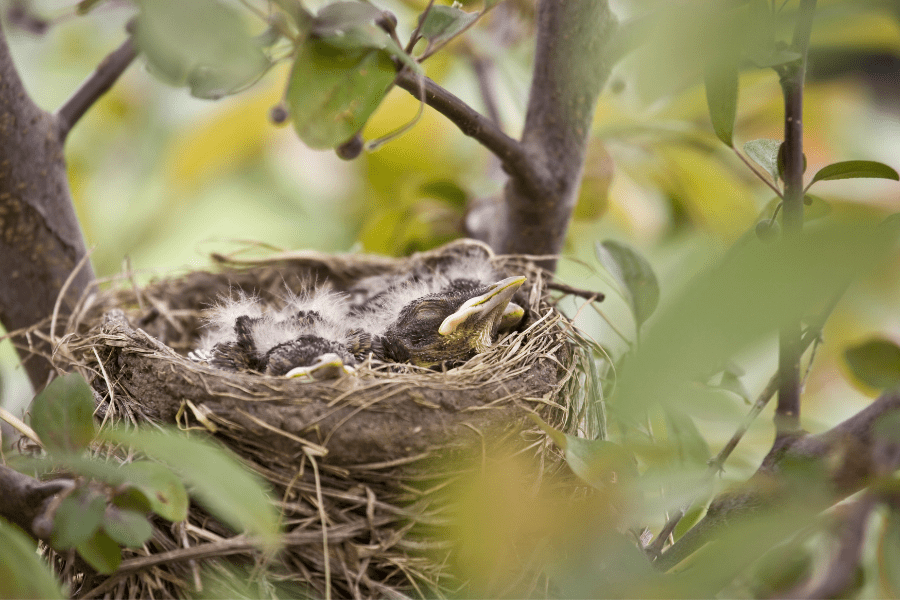
Are Bird Nests Legally Protected? Laws, Exceptions, and Safe Practices
Have you ever wondered if bird nests are protected by law? Maybe you’ve spotted a nest in your backyard or noticed one while hiking.
Understanding whether Are Bird Nests Legally Protected is essential for all nature enthusiasts.
You might think that disturbing or removing a nest is harmless, but the truth could surprise you. Understanding the legal protection around bird nests isn’t just for bird lovers—it’s something that affects you, your home, and the environment. Keep reading to discover what the law says and why it matters to you.
Knowing if Are Bird Nests Legally Protected can help you make informed decisions regarding wildlife.
For more insights about whether Are Bird Nests Legally Protected, consult local wildlife agencies.
Legal Status Of Bird Nests
Bird nests are important for wildlife and nature. Many laws protect these nests to keep birds safe.
It’s crucial to understand if Are Bird Nests Legally Protected to ensure compliance with wildlife laws.
These protections help preserve bird populations and their habitats. Laws can be federal, state, or international.
Federal Laws Protecting Nests
Federal laws in the United States protect bird nests from harm and destruction. These laws cover many bird species.
The question of whether Are Bird Nests Legally Protected relates to various federal regulations.
One key law is the Migratory Bird Treaty Act. It makes it illegal to disturb or remove nests of protected birds.
Violating laws about Are Bird Nests Legally Protected can lead to serious consequences.
- Migratory Bird Treaty Act (MBTA)
- Bald and Golden Eagle Protection Act
- Endangered Species Act (for nests of endangered birds)
State-specific Regulations
Many states have their own specific rules about whether Are Bird Nests Legally Protected.
Each state may have its own rules about bird nest protection. Some states protect nests of local bird species.
These state laws can include penalties for nest destruction or disturbance. They work with federal laws to protect birds better.
- California: strict rules on nest protection during breeding season
- Florida: laws protecting nests of native species
- New York: permits required to remove or relocate nests
International Agreements
Understanding if Are Bird Nests Legally Protected can vary based on international agreements.
Many countries join international agreements to protect bird nests and species. These help protect migratory birds crossing borders.
These agreements promote cooperation between nations to conserve birds and their habitats worldwide.
- Migratory Bird Treaty (between US, Canada, Mexico, Japan, Russia)
- Convention on Migratory Species (CMS)
- Convention on Biological Diversity (CBD)
Species Covered By Protection
Bird nests may be protected by law depending on the species. Protecting nests helps keep bird populations safe.
It’s important to recognize if Are Bird Nests Legally Protected to support conservation efforts.
Different laws cover different types of birds. Some nests have full protection, others have limited or no protection.
Endangered And Threatened Birds
Birds listed as endangered or threatened get strong legal protection. Their nests cannot be harmed or disturbed by law.
Many endangered birds rely on the protection of whether Are Bird Nests Legally Protected.
- Bald Eagle
- California Condor
- Piping Plover
- Kirtland’s Warbler
- Whooping Crane
Commonly Protected Species
Many common species have nest protection under wildlife laws. This prevents nest destruction even if the birds are not endangered.
Awareness of whether Are Bird Nests Legally Protected can help prevent illegal activities.
| Species | Protection Status |
| American Robin | Protected |
| Red-tailed Hawk | Protected |
| Great Horned Owl | Protected |
| Wood Duck | Protected |
| Mourning Dove | Protected |
Species Without Legal Nest Protection
Some species do not have legal nest protection. Their nests can be removed or destroyed unless local rules apply.
Understanding whether Are Bird Nests Legally Protected is vital for responsible land use.
- House Sparrow
- European Starling
- Pigeon
- Rock Dove
- Some local backyard birds
What Actions Are Prohibited
Bird nests are protected by law in many places. These laws help keep birds safe during their breeding times. It is important to know what actions can harm birds and their nests.
Learning about whether Are Bird Nests Legally Protected can guide your actions during breeding season.
Many rules stop people from disturbing birds. These rules protect nests, eggs, and young birds. Following these rules helps bird populations stay healthy.
Destroying Or Disturbing Nests
Destroying or disturbing bird nests is illegal in many regions. This includes breaking nests or scaring the birds away. Such actions can cause birds to abandon their nests.
The question of whether Are Bird Nests Legally Protected can affect local wildlife conservation.
- Do not break or remove nests from trees or buildings.
- Avoid loud noises near nesting areas.
- Keep pets away from nesting sites.
- Do not touch or move nests unless authorized.
Removing Eggs Or Chicks
Understanding whether Are Bird Nests Legally Protected is essential for bird watchers.
Taking eggs or chicks from a nest is against the law. Eggs and chicks need care from their parents to survive. Removing them can cause harm or death.
| Prohibited Actions | Reason |
| Removing eggs | Stops chicks from hatching |
| Taking chicks away | Leads to death without parent care |
| Handling eggs or chicks | Causes stress and may lead to nest abandonment |
Interfering With Nesting Sites
Interfering with nesting sites includes changing or blocking places where birds build nests. This can stop birds from nesting or cause them to move.
The legalities concerning whether Are Bird Nests Legally Protected should be a priority for developers.
Actions to avoid near nesting sites:
- Cutting down trees with active nests
- Removing branches used by birds
- Building or installing objects that block nest access
- Using pesticides or chemicals near nests
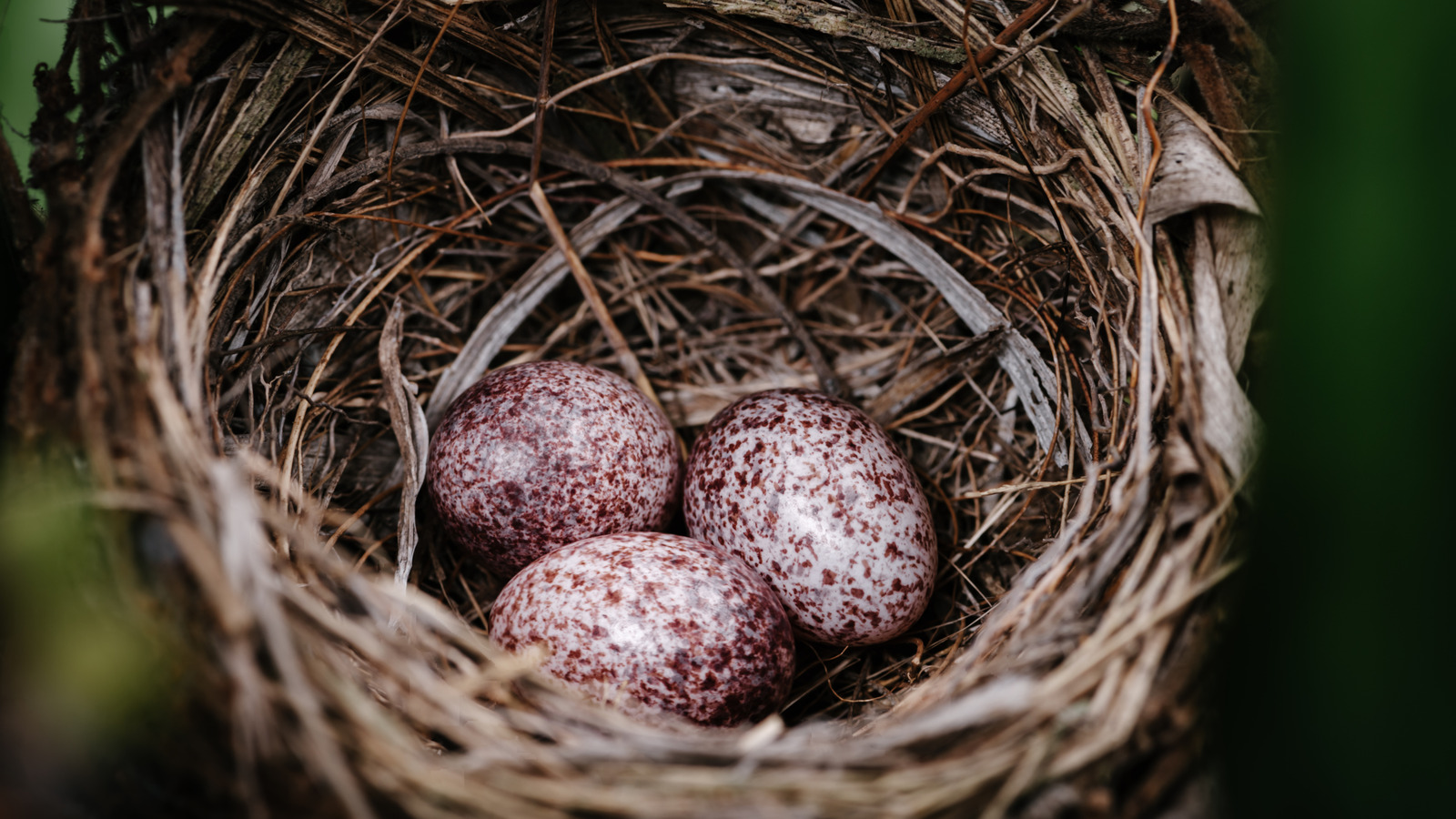
Credit: www.housedigest.com
Exceptions And Permits
Many people are unaware of whether Are Bird Nests Legally Protected, leading to unintended harm.
Bird nests are often protected by law to help conserve wildlife. Some rules allow exceptions and permits for certain activities. These exceptions help balance human needs and bird protection.
This section explains when permits are needed and what exceptions exist for handling bird nests.
Research And Conservation Permits
Researchers and conservationists may get special permits. These allow them to study or protect birds and their nests legally.
Researchers focus on whether Are Bird Nests Legally Protected to ensure compliance with conservation laws.
- Permits allow nest inspection and monitoring
- They permit nest relocation for conservation
- Permit holders must follow strict rules to avoid harm
- Applications require detailed plans and goals
Construction And Land Development Exceptions
Builders may face challenges if nests are in construction areas. Some laws provide exceptions to avoid delays.
Understanding whether Are Bird Nests Legally Protected can assist in land management decisions.
| Exception Type | Details |
| Timing Restrictions | Work allowed outside breeding season |
| Relocation Permits | Moving nests with expert help |
| Mitigation Plans | Creating new habitats to replace lost nests |
Handling Nests For Rehabilitation
Wildlife rehabilitators may handle nests to help injured birds. They must follow laws to protect both birds and nests.
Key rules for rehabilitation include:
- Only licensed rehabilitators may move nests
- Handling must minimize stress and harm
- Nests must be returned to safe locations
- Reporting to authorities is often required
Reporting And Enforcement
Bird nests are often protected by law to keep birds safe. It is important to follow these laws to protect wildlife.
People often overlook whether Are Bird Nests Legally Protected, which can impact biodiversity.
If you see someone disturbing or destroying bird nests, you can report it. Authorities take these reports seriously to help enforce the laws.
How To Report Violations
You can report illegal nest disturbance to local wildlife agencies or environmental protection offices. Use phone, email, or online forms to submit your complaint.
Provide clear details like the location, time, and description of the violation. Photos or videos can help authorities investigate.
- Contact local wildlife or environmental agency
- Give exact location of the nest
- Describe the illegal activity
- Send photos or videos if possible
Penalties For Illegal Nest Disturbance
Breaking laws that protect bird nests can lead to fines or other punishments. The severity depends on the region and the offense.
Some places may also impose jail time for serious or repeated violations. Penalties aim to discourage harming wildlife.
- Fines for disturbing or destroying nests
- Possible jail time for severe cases
- Legal costs for those found guilty
Role Of Wildlife Agencies
Wildlife agencies enforce laws that protect bird nests. They investigate reports and take action against violators.
Public awareness about whether Are Bird Nests Legally Protected plays a crucial role in conservation.
These agencies also educate the public about bird protection. They work to keep bird populations healthy and safe.
- Investigate reports of nest disturbance
- Enforce wildlife protection laws
- Provide education and resources
- Work with communities to protect birds
Protecting Nests On Private Property
Landowners should familiarize themselves with whether Are Bird Nests Legally Protected to avoid legal issues.
Bird nests are often protected by laws to help keep birds safe. Private landowners can play a big part in this protection. Knowing what to do helps protect these important natural homes.
Many birds build nests on private lands. Protecting these nests means following rules and acting carefully during changes to the land.
Landowner Responsibilities
Landowners must follow laws that protect bird nests. These laws may stop them from removing or disturbing nests during certain seasons. They should watch for nests before starting work on their land.
- Check for nests before cutting trees or bushes.
- Avoid disturbing active nests during breeding season.
- Report any protected species found to local wildlife offices.
- Use safe methods to work around nests without damage.
Balancing Development And Conservation
Building or changing land can harm bird nests if not done carefully. Planning ahead helps protect birds and lets development continue safely.
Understanding whether Are Bird Nests Legally Protected is crucial for sustainable development practices.
| Action | Purpose |
| Site Survey | Find any nests before work starts |
| Set Buffer Zones | Keep distance from active nests |
| Schedule Work | Avoid nesting seasons |
| Use Wildlife Experts | Guide safe land changes |
Community Involvement And Education
Teaching neighbors and workers about nest protection helps keep birds safe. Community efforts can create safer places for birds to live and grow.
Community involvement can raise awareness about whether Are Bird Nests Legally Protected.
- Join local wildlife groups
- Attend workshops on bird protection
- Share information on protecting nests
- Help monitor nests in your area
Practical Tips To Help Birds
Bird nests are important homes for many bird species. Protecting these nests helps birds grow safely. You can take simple steps to support nesting birds near you.
Learning how to provide safe spaces and avoid harm during breeding times is key. Joining local efforts also makes a big difference for bird protection.
Following guidelines on whether Are Bird Nests Legally Protected will support local wildlife.
Providing Safe Nesting Sites
Giving birds safe places to build nests helps them survive. You can create or protect areas where birds feel secure and can raise their young.
- Place birdhouses in quiet, sheltered spots
- Keep gardens free of pesticides and harmful chemicals
- Plant native trees and shrubs to offer natural nesting options
- Leave dead trees or branches standing if safe, as birds often nest there
- Provide fresh water nearby for birds to drink and bathe
Avoiding Nest Disturbance During Breeding Season
Birds need peace when they are building nests and raising chicks. Disturbing nests can cause birds to leave or harm their eggs and young.
-
- Keep pets away from nesting areas
- Do not touch or move bird nests
- Avoid loud noises near nesting sites
- Stay on marked trails when hiking to reduce disruption
- Report any nest destruction to local wildlife authorities
Understanding whether Are Bird Nests Legally Protected can enhance public support for wildlife protection.
Supporting Local Conservation Efforts
Helping local groups that protect birds is an effective way to support nesting birds. These groups work to keep habitats safe and educate communities.
| How to Help | Benefits for Birds |
|---|---|
| Join bird monitoring programs | Tracks bird health and nesting success |
| Volunteer for habitat restoration | Improves and expands safe nesting areas |
| Attend educational workshops | Raises awareness about bird protection |
| Support policies for wildlife protection | Ensures legal safeguards for nests |

Credit: www.reddit.com
Frequently Asked Questions
Are Bird Nests Protected By Law?
Yes, many countries legally protect bird nests to conserve wildlife. Laws prevent disturbing, damaging, or destroying nests, especially during breeding seasons.
Which Laws Protect Bird Nests?
Laws like the Migratory Bird Treaty Act in the U. S. protect nests. Similar laws exist globally, safeguarding nests from harm or removal.
Can I Remove Bird Nests From My Property?
Removing nests is often illegal without permission. Exceptions may apply if nests cause safety risks, but local laws vary, so check regulations first.
Why Is Nest Protection Important?
Nest protection helps maintain bird populations and biodiversity. Disturbing nests can harm eggs or chicks, disrupting the bird’s life cycle and ecosystem balance.
Conclusion
Bird nests hold significant legal protection in many regions. Laws aim to safeguard wildlife. Protecting nests ensures bird species thrive and maintain ecological balance. Awareness about these laws is crucial. It helps individuals respect and protect nature. Understanding nest protection can prevent legal issues.
In summary, knowing whether Are Bird Nests Legally Protected is vital for wildlife conservation.
Observing birds without disturbing their habitats is important. Such actions contribute to conservation efforts. Everyone plays a role in preserving wildlife. Respecting these laws benefits future generations. Enjoy nature responsibly and support biodiversity.
Protecting nature involves understanding whether Are Bird Nests Legally Protected in your area.