
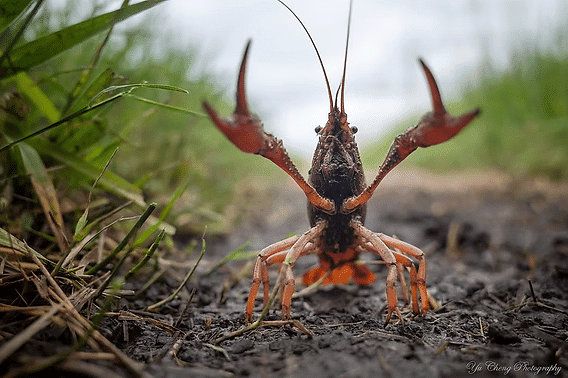
Have you ever wondered if insects are closer relatives to lobsters or birds? It might seem surprising, but the answer reveals fascinating facts about the animal world and how life is connected.
Understanding these connections can change how you see the tiny creatures buzzing around you every day. Keep reading, and you’ll discover surprising truths that will make you rethink what you thought you knew about insects and their surprising family ties.
Credit: www.mdpi.com
Insects And Their Closest Relatives
Insects are small animals with many legs and wings. They live all around the world. Scientists study how insects are related to other animals.
This article looks at insects, lobsters, and birds. It explains what makes each group special. It helps us see which animals are closer to insects.
Basic Classification Of Insects
Insects belong to the group called Arthropoda. They have three main parts: head, thorax, and abdomen. They also have six legs and often wings.
- Body divided into three parts
- Six jointed legs
- Usually two pairs of wings
- Exoskeleton made of chitin
- Two antennae
Key Traits Of Lobsters
Lobsters are crustaceans in the same Arthropoda group as insects. They live in water and have hard shells. Lobsters have more legs than insects and use claws to catch food.
| Feature | Insects | Lobsters |
| Legs | 6 | 10 |
| Body parts | 3 (head, thorax, abdomen) | 2 (cephalothorax, abdomen) |
| Habitat | Land | Water |
| Breathing | Tracheae | Gills |
| Exoskeleton | Chitin | Chitin |
Essential Features Of Birds
Birds are warm-blooded animals with feathers. They have wings and beaks. Birds do not have an exoskeleton like insects or lobsters. They breathe with lungs and lay eggs.
- Feathers cover the body
- Two legs and two wings
- Warm-blooded
- Breathes with lungs
- Has a backbone (vertebrate)

Credit: www.reddit.com
Comparing Body Structures
Insects, lobsters, and birds all belong to different groups of animals. They have unique body structures. We can learn about their relationships by looking at these structures.
This article compares their exoskeletons, body segments, appendages, and breathing systems.
Exoskeleton Vs. Endoskeleton
Insects and lobsters have exoskeletons. This means their skeleton is on the outside. Birds have an endoskeleton. Their skeleton is inside their body.
- Insects and Lobsters:Hard outer shell that protects the body.
- Birds:Bones inside the body that support muscles and organs.
Segmentation And Appendages
| Feature | Insects | Lobsters | Birds |
|---|---|---|---|
| Body Segments | Head, thorax, abdomen | Cephalothorax, abdomen | Head, neck, trunk |
| Legs | Six legs | Ten legs | Two legs |
| Other Appendages | Wings, antennae | Claws, antennae | Wings, beak |
Insects and lobsters both have segmented bodies with jointed legs and antennae. Birds have a different body plan with wings and fewer legs.
Respiratory Systems
Each animal breathes using different organs:
- Insects:Use tiny tubes called tracheae that bring air directly to cells.
- Lobsters:Have gills that extract oxygen from water.
- Birds:Use lungs with air sacs for efficient oxygen intake.
Genetic Connections
Scientists study genes to find how animals are related. Insects, lobsters, and birds seem very different. Genetics helps us see who shares common ancestors.
This article looks at DNA evidence, evolutionary lines, and molecular studies. These show if insects are closer to lobsters or birds.
Dna Evidence
DNA carries the instructions for life. By comparing DNA, scientists find family links. Insects and lobsters share many similar genes.
- Both have genes for hard outer shells.
- They share genes for jointed legs.
- Bird DNA is quite different, especially in shell and limb genes.
Evolutionary Lineages
Evolutionary trees show how species split over time. Insects and lobsters come from a group called crustaceans. Birds come from a different group called vertebrates.
| Animal Group | Common Ancestor | Key Features |
| Insects | Arthropods | Exoskeleton, jointed legs |
| Lobsters | Crustaceans | Exoskeleton, aquatic limbs |
| Birds | Vertebrates | Backbone, feathers |
Molecular Phylogenetics
Molecular phylogenetics uses gene sequences to build trees. It shows insects and lobsters are closer together than birds. Their molecular markers match more often.
Key Molecular Findings:
- Insect and lobster DNA sequences often match.
- Bird DNA is less similar in key genes.
- Both insects and lobsters share patterns in mitochondrial DNA.

Credit: en.wikipedia.org
Fossil Records And Evolution
Scientists study fossils to learn how animals evolved. Fossils show links between old creatures and today’s species.
Insects, lobsters, and birds come from very different groups. Fossil records help us see which are more closely related.
Ancient Arthropods
Arthropods are animals with jointed legs and hard shells. Lobsters and insects both belong to this group.
Fossils of ancient arthropods date back over 500 million years. These early creatures had segmented bodies and hard exoskeletons.
- Trilobites are some of the oldest arthropods found.
- Early arthropods lived in water like lobsters.
- These fossils show the start of jointed legs and shells.
Transition To Modern Insects
Insects evolved from ancient arthropods about 400 million years ago. They developed wings and adapted to land.
Fossils show insects growing more complex with time. Their body parts changed for flying and living on land.
- First insects had simple wings and bodies.
- Modern insects have three body parts and six legs.
- Fossils track changes from water to land life.
Bird Evolution Timeline
Birds evolved from dinosaurs about 150 million years ago. They are part of the vertebrate group, not arthropods.
Fossils show early birds had feathers and wings but still had teeth. They slowly gained traits of modern birds.
- Early birds lived in the Jurassic period.
- Feathers helped with flight and warmth.
- Modern birds evolved strong beaks and hollow bones.
Ecological Roles And Adaptations
Insects, lobsters, and birds all play important roles in nature. Each has unique ways to survive and help the environment. We will look at how insects relate more to lobsters or birds based on their roles and adaptations.
Understanding these roles helps us see how animals fit into the web of life. It also shows how they have changed over time to live well in their homes.
Insects In Ecosystems
Insects are found almost everywhere on Earth. They help by pollinating plants, breaking down dead things, and serving as food for many animals. They also control pests by eating harmful insects.
Insects have special body parts like wings and antennae. These help them find food and escape danger. Their small size allows them to live in many places.
- Pollinate flowers for plants to grow
- Recycle nutrients by eating dead plants and animals
- Serve as food for birds, fish, and other animals
- Use wings to fly and escape predators
Lobster Habitats And Roles
Lobsters live mostly in the ocean on the sea floor. They hide in rocks and sand to stay safe. Lobsters eat dead animals and small sea creatures.
They have strong claws to catch food and defend themselves. Lobsters help keep the ocean clean by eating waste and dead matter.
- Live in rocky or sandy ocean floors
- Eat dead animals and small sea animals
- Use claws to catch food and protect themselves
- Help clean the ocean by recycling dead matter
Birds’ Ecological Impact
Birds live in many places like forests, cities, and fields. They help spread seeds and control insect populations. Birds also clean up by eating dead animals.
Birds have wings to fly and sharp eyes to find food. Their songs help them communicate and attract mates. They play a big role in keeping nature balanced.
- Live in forests, cities, and fields
- Spread seeds to grow new plants
- Control insects by eating them
- Fly using wings and find food with sharp eyes
Surprising Connections Revealed
Insects, lobsters, and birds seem very different at first glance. Insects have six legs, lobsters have many, and birds have feathers. Yet, science shows some surprising family ties among them.
This article explores how insects are more closely related to lobsters than to birds. We look at their shared ancestry, distant relations with birds, and what this means for nature’s variety.
Shared Ancestry With Crustaceans
Insects and lobsters both belong to a large group called arthropods. This group includes animals with hard shells and jointed legs. They share a common ancestor that lived millions of years ago.
- Both have exoskeletons made of chitin.
- They grow by molting, or shedding their shells.
- Both have segmented bodies and jointed limbs.
- They belong to the subphylum called Mandibulata.
Why Birds Are Distant Relatives
Birds belong to a completely different group called vertebrates. They have backbones and warm blood. Insects and lobsters do not have backbones and are cold-blooded.
| Feature | Insects & Lobsters | Birds |
| Skeleton Type | Exoskeleton | Endoskeleton (Bones) |
| Body Temperature | Cold-blooded | Warm-blooded |
| Body Segments | Multiple with jointed legs | Head, neck, trunk |
| Respiration | Gills or tracheae | Lungs |
Implications For Biodiversity
Knowing these links helps us understand how life evolved. It shows how different animals adapt to their environments. It also helps protect many species and their habitats.
Key reasons to study these relationships:
- Helps scientists track evolution and changes in species.
- Supports conservation by showing how species depend on each other.
- Improves knowledge about ecosystems and biodiversity.
- Guides efforts to protect endangered animals and plants.
Frequently Asked Questions
Are Insects Genetically Closer To Lobsters Or Birds?
Insects are genetically closer to lobsters because both belong to the arthropod group. Birds belong to a different group called vertebrates. This means insects and lobsters share more common ancestors and similar body structures.
Do Insects And Lobsters Share Similar Body Features?
Yes, insects and lobsters both have segmented bodies, jointed legs, and exoskeletons. These features are typical of arthropods, setting them apart from birds, which have internal skeletons and feathers.
Why Are Insects Not Related To Birds?
Insects and birds belong to different evolutionary branches. Insects are invertebrates with exoskeletons, while birds are vertebrates with internal skeletons and feathers. Their DNA and physical structures show significant differences.
What Defines The Relationship Between Insects And Lobsters?
Their relationship is defined by their shared arthropod characteristics. Both have exoskeletons, jointed limbs, and segmented bodies. These traits indicate a closer evolutionary link compared to birds.
Conclusion
Insects and lobsters share a closer relationship than with birds. Both belong to the arthropod family. This means they have jointed legs and exoskeletons. Birds, on the other hand, are vertebrates. Insects and lobsters evolved from common ancestors. Their similarities can be seen in their body structures.
Lobsters and insects may seem different, but they share a deep connection. Understanding these links helps us learn more about evolution. Nature’s web is complex, yet fascinating. Knowing these connections enriches our appreciation of life. So, next time, think about these hidden links.
They are truly intriguing.



