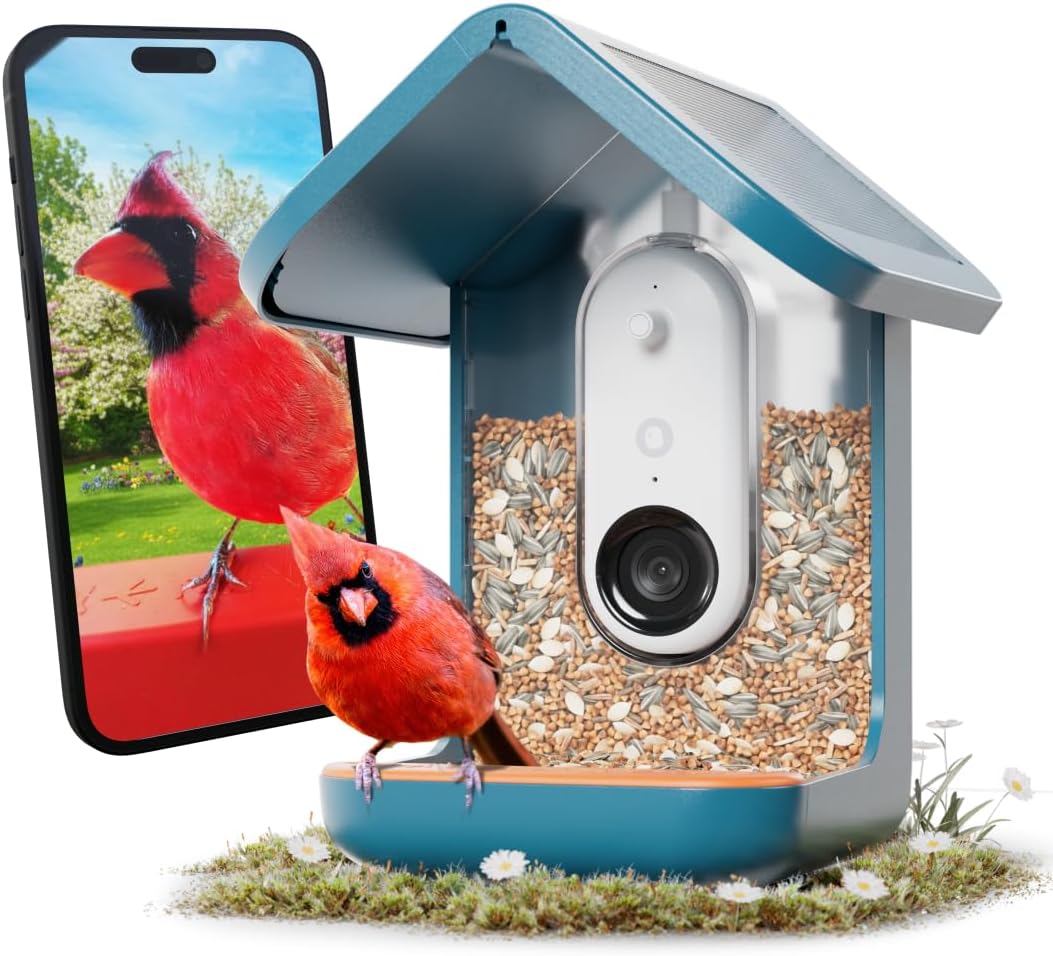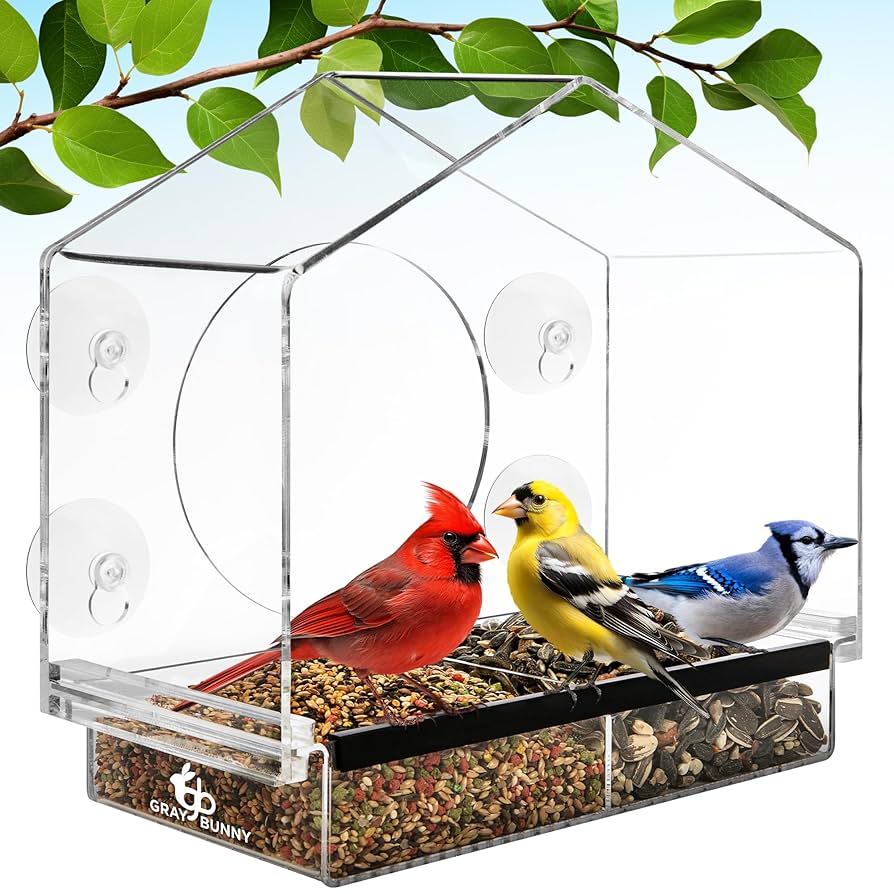
Have you ever wanted to bring the beauty of birds right to your window? Window bird feeders promise just that—close-up views of colorful birds without stepping outside.
But are they really worth it? You might be wondering if these feeders actually attract birds or if they end up being a waste of time and money. You'll discover the truth about window bird feeders, how they work, and whether they can brighten your day with feathered visitors.
Keep reading to find out if a window bird feeder is the perfect addition to your home.
Benefits Of Window Bird Feeders
Window bird feeders bring nature close to your home. They let you watch birds easily from inside.
These feeders add joy to your day and help you learn about local birds.
Close-up Bird Watching
Window feeders allow you to see birds up close. You can watch their colors and behaviors clearly.
This close view helps you enjoy birds without disturbing them.
Educational Opportunities
These feeders provide a great chance to learn about birds. Children and adults can spot different species.
- Identify local bird types
- Observe feeding habits
- Learn about bird calls and songs
- Understand seasonal bird patterns
Space-saving Design
| Feature | Benefit |
| Compact size | Fits small balconies or windows |
| Easy installation | Attaches without tools or damage |
| Clear glass view | Offers unobstructed bird watching |
| Minimal mess | Keeps area clean and tidy |

Credit: www.natureswaybirds.com
Potential Drawbacks
Window bird feeders let you watch birds up close. They attach to your window with suction cups. But they are not perfect for every bird lover.
There are some issues to consider before choosing a window bird feeder. These include the type of birds attracted, cleaning needs, and bird safety.
Limited Bird Species
Window feeders often attract fewer types of birds. Small birds like finches and sparrows visit most. Larger or shy birds may avoid feeders on windows.
- Small birds feel safer near windows
- Large birds may find the feeder too small
- Some species prefer feeders in trees or open spaces
- Bird diversity is lower compared to garden feeders
Cleaning Challenges
Keeping window feeders clean is important. Food and droppings can build up quickly. Dirty feeders can spread disease among birds.
| Cleaning Task | Frequency | Notes |
| Remove old seeds | Daily | Prevents mold growth |
| Wash feeder | Weekly | Use mild soap and water |
| Check suction cups | Weekly | Ensure secure attachment |
| Disinfect feeder | Monthly | Use safe bird disinfectant |
Window Collisions
Birds may hit windows near feeders. Reflections confuse birds and cause collisions. This can injure or kill birds.
Ways to reduce collisions:
- Place decals or stickers on the glass
- Use feeder designs that break reflections
- Move feeder to less reflective window
- Install external screens or shades
Types Of Window Bird Feeders
Window bird feeders let you watch birds up close from indoors. They come in different shapes and styles. Each type has its own way to attract birds and hold food.
Choosing the right feeder depends on what birds you want to see and where you place it. Below are common types of window bird feeders.
Suction Cup Models
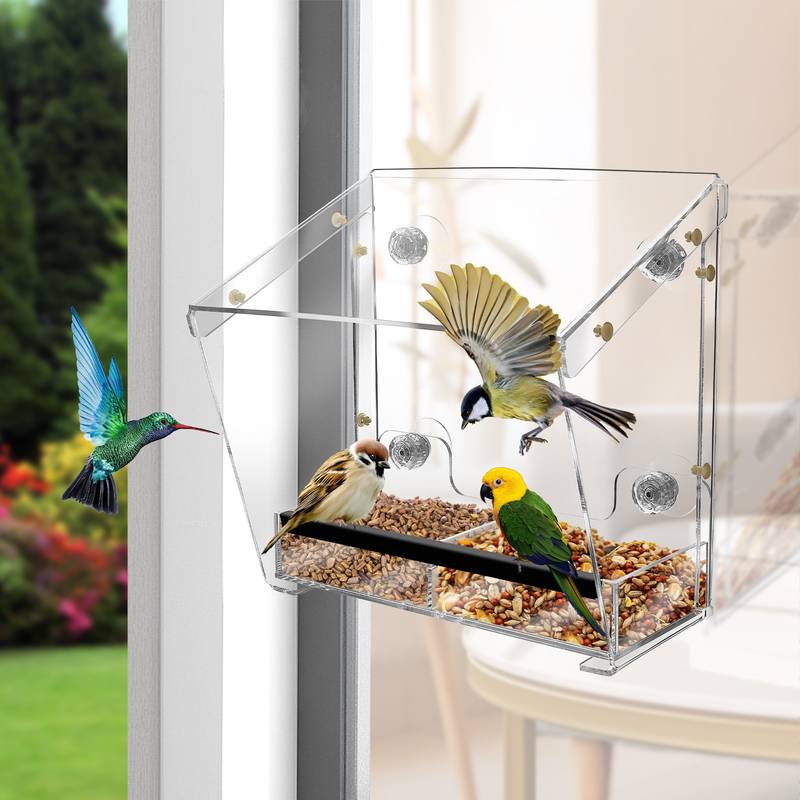
Suction cup models attach directly to your window glass. They are easy to install and remove. Birds can perch very close to the window, giving a clear view.
These feeders usually have a small seed tray or a tube for sunflower seeds. They work best on clean, smooth glass surfaces.
Tray Feeders
Tray feeders offer an open platform for birds to land and eat. They often have a small lip to keep seeds from spilling out. These feeders can attract many types of birds.
- Easy to fill and clean
- Good for small seeds and nuts
- Allows multiple birds to feed at once
- Needs regular cleaning to avoid mold
Hopper Feeders
Hopper feeders hold a large amount of seed inside a covered container. The seed drops down as birds eat from the bottom tray. This design keeps food dry and fresh.
| Feature | Benefit |
| Seed Capacity | Holds more food, less refilling |
| Weather Protection | Keeps seed dry and clean |
| Feeding Space | Supports several birds at once |
| Material | Usually plastic or wood for durability |
Choosing The Right Feeder
Window bird feeders let you watch birds up close from inside. Picking the right feeder helps attract more birds and lasts longer. You should consider some key features before buying one.
This guide covers material durability, ease of installation, and feeder size. These points make choosing easier and improve your bird watching experience.
Material Durability
Strong materials keep feeders safe from weather and birds. Plastic feeders are light and cheap but may crack in cold. Metal feeders last longer but can rust if not coated. Glass feeders look nice and are easy to clean but can break.
- Acrylic: Clear and strong, resists scratches and cracks
- Metal: Durable, good for harsh weather, needs rust protection
- Glass: Clear view, easy to clean, fragile
- Plastic: Lightweight, affordable, less durable
Ease Of Installation
Feeder installation should be quick and secure. Most feeders use suction cups to stick on windows. Strong suction cups keep the feeder in place but may lose grip over time. Some feeders come with extra hooks or brackets for better hold.
| Installation Type | Pros | Cons |
| Suction Cups | Easy to attach and remove | May lose suction with dirt or moisture |
| Brackets or Hooks | More secure, good for heavy feeders | May require drilling or extra hardware |
| Magnetic Mount | Strong hold, no marks on glass | Works only on metal window frames |
Feeder Size And Capacity
Choose a feeder size that fits your window and bird needs. Small feeders hold less seed and need refilling often. Larger feeders attract more birds but need stronger mounts. The seed type also affects how often you refill.
- Small feeders: Hold under 1 cup of seed, best for limited space
- Medium feeders: Hold 1 to 2 cups, good for regular bird watching
- Large feeders: Hold over 2 cups, attract many birds at once
- Seed type: Nyjer needs smaller holes; mixed seed requires bigger space
Best Bird Seeds For Window Feeders
Window bird feeders bring nature closer to your home. Choosing the right seeds helps attract many birds. Different seeds suit different bird species and seasons.
Picking the best seed makes feeding birds easier and more enjoyable. Let's look at popular seed types for window feeders.
Sunflower Seeds
Sunflower seeds are a top choice for many birds. They have high oil content that gives birds energy. Both black oil and striped sunflower seeds work well. Birds like cardinals, chickadees, and finches enjoy them.
These seeds also have thick shells that squirrels find hard to crack. This helps keep the seeds for the birds.
Thistle And Nyjer
Thistle and nyjer seeds are small and thin. They attract tiny birds like goldfinches and siskins. Nyjer seeds are often sold as “thistle” seed in stores. Using a special feeder with small holes helps keep the seed in place.
- Nyjer seed is high in oil and energy.
- It stays fresh longer than many other seeds.
- Best served in a tube or sock feeder for easy access.
- Birds gather quickly when nyjer is offered.
Mixed Seed Blends
Mixed seed blends contain several seed types. These blends attract a wider range of birds. Some blends include millet, cracked corn, sunflower seeds, and safflower.
| Seed Type | Birds Attracted | Notes |
|---|---|---|
| Millet | Sparrows, doves, juncos | Good for ground-feeding birds |
| Cracked Corn | Ducks, pigeons, quail | Large seeds, easy to eat |
| Safflower | Cardinals, grosbeaks | Less favored by squirrels |
| Sunflower | Many common feeder birds | High energy and popular choice |
Tips For Attracting Birds
Window bird feeders allow you to watch birds up close. They bring nature right to your home. To attract birds, you need to create a safe and welcoming spot.
Choosing the right food and place helps birds visit often. You also want to keep the feeder clean and safe from dangers.
Placement Strategies
Put your window bird feeder where birds feel safe. Place it near plants or trees that birds like. This gives them shelter and a place to rest.
- Choose a window with good light but not too hot
- Keep the feeder close to shrubs or branches
- Avoid placing it near busy doors or windows
- Ensure the feeder is easy for you to see
Maintaining Fresh Food
Birds prefer fresh food. Change the food often to keep it clean and tasty. Wet or moldy food can make birds sick and scare them away.
| Food Type | How Often to Change |
| Seeds | Every 2-3 days |
| Fruit | Daily |
| Nuts | Every 3-4 days |
| Suet | Every 1-2 days |
Avoiding Predators
Keep birds safe from cats and other predators. Place the feeder where it is hard for predators to reach. Watch for signs of danger near your window.
- Install the feeder at least 3 feet from the window
- Use window decals to prevent bird collisions
- Keep cats indoors or away from feeder area
- Clear nearby bushes where predators may hide
Cleaning And Maintenance
Window bird feeders bring birds close to your home. Keeping them clean helps birds stay healthy. Regular care stops dirt and germs from building up.
Good cleaning and maintenance also make feeders last longer. It keeps the view clear and safe for your feathered friends.
Regular Cleaning Routine
Clean your window bird feeder every few days. Remove old seeds and droppings. Wash with warm water and mild soap. Rinse well to remove all soap.
- Empty feeder completely
- Use soft brush or cloth
- Wash with soap and water
- Rinse thoroughly
- Dry before refilling
Preventing Mold And Bacteria
Mold and bacteria grow fast in feeders. They can harm birds. Use a vinegar solution to kill germs. Mix one part vinegar with four parts water.
Follow these tips to avoid mold and bacteria:
- Clean feeder at least once a week
- Check for wet or clumped seeds daily
- Remove moldy seeds immediately
- Keep feeder in sunlight if possible
- Store seeds in dry place
Seasonal Care
Change your care routine with the seasons. In winter, feeders may need more cleaning. Snow and ice can trap moisture. In summer, check for insects and mold.
| Season | Care Tips |
| Spring | Clean feeder weekly, refill with fresh seeds |
| Summer | Watch for mold and insects, clean often |
| Fall | Remove fallen leaves, clean before winter |
| Winter | Clear snow and ice, clean feeder more frequently |
Credit: theraleighbeergarden.com
Safety For Birds And Windows
Window bird feeders let you watch birds up close. They attach to windows with suction cups. This makes feeding easy and fun. But safety is very important for birds and your windows.
Birds can hurt themselves if feeders are not safe. Birds can also fly into windows and get injured. You need to choose feeders and place them carefully to keep birds safe.
Reducing Window Strikes
Birds often hit windows because they see reflections or think they can fly through. This can cause serious injury or death. You can reduce strikes by changing how your feeders are placed.
Place feeders close to the window, less than 3 feet away. This helps birds slow down. Avoid placing feeders more than 30 feet away. Use window decals or screens to break reflections.
- Put feeders within 3 feet of the window
- Use decals to reduce glass reflections
- Install screens or external shades
Safe Feeder Materials
Choose feeders made from safe, non-toxic materials. Plastic and glass are common but check for sharp edges. Avoid metal parts that can heat up in the sun and hurt birds.
Look for feeders that are easy to clean. Dirty feeders can spread disease. Use sturdy suction cups to keep feeders secure on the window.
- Use BPA-free plastic or tempered glass
- Check for smooth edges and no sharp parts
- Clean feeders often to prevent germs
- Choose strong suction cups for safety
Monitoring Bird Health
Watch birds for signs of illness or injury when they use your feeder. Sick birds may appear weak or have ruffled feathers. Remove feeders if many birds look sick to stop disease spread.
Keep feeders clean and dry. Replace old seed often. If you see injured birds, contact a wildlife rehabilitator for help.
- Observe birds for changes in behavior
- Clean feeders regularly to reduce disease
- Replace seed to keep it fresh
- Get help for injured birds from experts
User Experiences And Reviews
Window bird feeders let people watch birds up close from inside. Many users share their thoughts on how well they work. These reviews help others decide if they are worth buying.
People have different opinions based on what they expect and how they use the feeders. This section shows what users like and dislike.
Positive Feedback
Many users enjoy the clear view of birds without going outside. They say it is fun to watch small birds up close. The feeders help kids learn about birds easily.
Users often mention that the feeders are easy to install and clean. The suction cups usually hold well on clean windows. The feeders attract different bird species, adding variety.
- Close-up bird watching from indoors
- Easy to set up and clean
- Attracts many bird types
- Fun and educational for children
- Allows bird watching in bad weather
Common Complaints
Some users find that the feeders attract squirrels or insects, which can be annoying. The suction cups may lose grip on dirty or cold windows. This causes the feeder to fall sometimes.
Others say that birds may not visit often if the feeder is in the wrong spot. Some find that the feeder size is too small for bigger birds or many birds at once.
- Squirrels and insects can bother the feeder
- Suction cups sometimes lose grip
- Bird visits may be rare without good placement
- Small feeder size limits number of birds
- Window glare can affect bird visibility
Expert Opinions
Experts say window bird feeders are good for bird watching in small spaces. They recommend placing feeders where birds feel safe and windows stay clean. Regular maintenance is important.
Bird specialists note that window feeders help people connect with nature. They warn to avoid feeders near busy roads or predators. Experts also suggest using birdseed suited to local birds.
- Place feeders in safe, clean spots
- Keep feeders clean and refill often
- Use seed types that local birds like
- Avoid areas with predators or traffic
- Great for learning about birds up close

Credit: www.amazon.com
Frequently Asked Questions
What Are The Benefits Of Using Window Bird Feeders?
Window bird feeders offer close-up birdwatching from indoors. They attract various bird species and provide entertainment. They also help in bird conservation by offering food, especially in urban areas.
Are Window Bird Feeders Safe For Birds?
Yes, window bird feeders can be safe if placed correctly. Avoid direct sunlight and use non-toxic materials. Ensure the glass has decals to prevent bird collisions.
How Do Window Bird Feeders Affect Bird Behavior?
Window feeders encourage birds to visit frequently. They may become more comfortable around humans. However, they can also increase competition among birds for food.
What Types Of Birds Visit Window Feeders Most?
Small songbirds like finches, chickadees, and sparrows are common visitors. The feeder's location and seed type influence bird variety. Window feeders attract birds suited to urban environments.
Conclusion
Window bird feeders offer a unique way to enjoy birdwatching. They bring birds closer, creating a delightful view right at home. Easy to install and maintain, they suit both beginners and seasoned bird lovers. Birds visiting your window can brighten your day and reduce stress.
It's a simple pleasure. Consider trying a window bird feeder to connect with nature. You might find it rewarding and peaceful. They provide a refreshing escape from daily routines. Invite a little nature into your life. Enjoy the beauty of birds up close.