Are Yellow and Blue Flowers Bird Pollinated? Color Preferences, Adaptations, and Garden Insights
Have you ever stopped to wonder why certain flowers catch the attention of birds? If you’ve noticed yellow and blue flowers brightening up your garden, you might be curious whether these colors play a special role in attracting birds for pollination.
Understanding how these flowers work with birds can change the way you see your outdoor space—and even help you grow a more vibrant, lively garden. Keep reading to discover the surprising connection between yellow and blue flowers and bird pollination, and how this knowledge can make your garden thrive like never before.
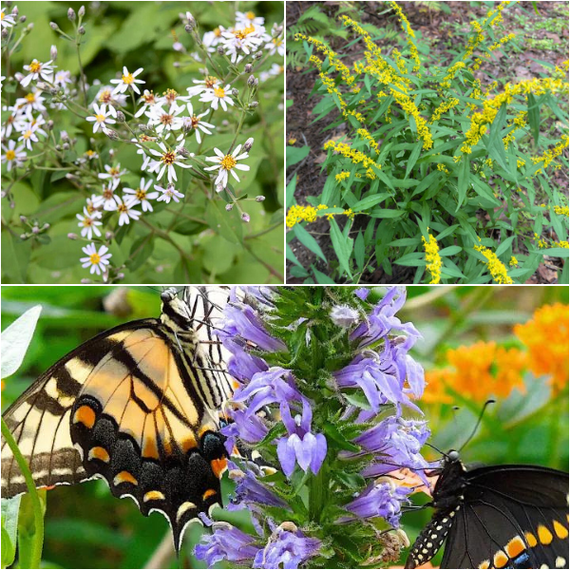
Credit: gardenforwildlife.com
Bird Pollination Basics
Bird pollination is a process where birds help flowers make seeds. Birds carry pollen from one flower to another. This helps plants grow fruits and new plants.
Many flowers use bright colors and sweet nectar to attract birds. Birds are important pollinators in many places around the world.
How Birds Pollinate Flowers
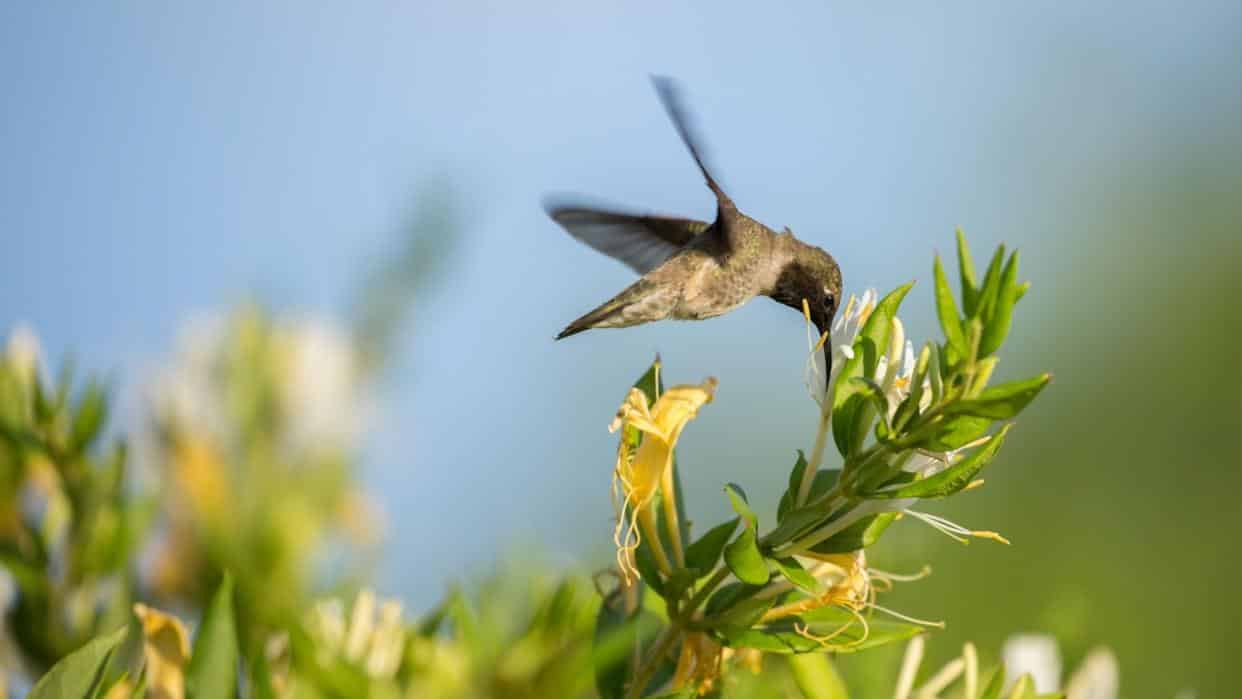
Birds visit flowers mainly to drink nectar. When a bird dips its beak into a flower, pollen sticks to its head or body. The bird then flies to the next flower and spreads the pollen. This helps the flowers reproduce.
- Birds are attracted by bright colors like red, yellow, and blue.
- Flowers produce nectar to reward visiting birds.
- Pollen attaches to the bird’s feathers or beak during feeding.
- Birds transfer pollen between flowers as they move.
Common Bird Pollinators
Different bird species help pollinate different flowers. Some birds are better at pollination because of their size or behavior. Here is a simple table of common bird pollinators and the flowers they visit.
| Bird Species | Flower Colors | Pollination Role |
| Hummingbirds | Red, Yellow | High pollen transfer |
| Sunbirds | Red, Blue | Frequent nectar feeding |
| Honeycreepers | Yellow, Blue | Moderate pollination |
| Wattlebirds | Bright colors | Large pollen carriers |
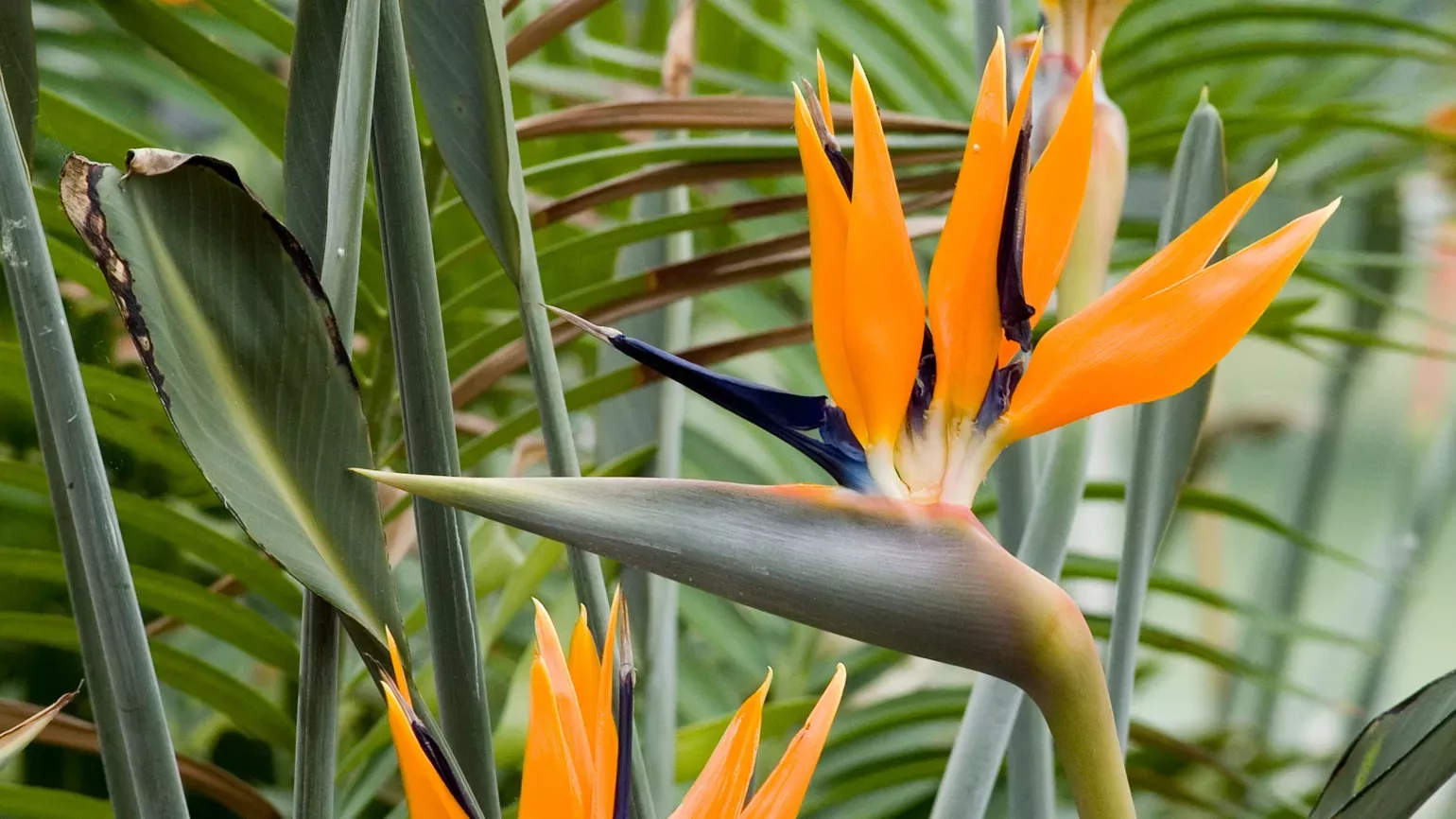
Credit: www.kew.org
Flower Colors And Pollinators
Birds often visit flowers to feed on nectar. The colors of flowers help birds find them. Some colors attract birds more than others.
Understanding which colors birds prefer can explain if yellow and blue flowers are bird pollinated.
Color Preferences Of Bird Pollinators
Birds see colors differently than humans. Many bird pollinators like bright colors. Red, orange, and yellow flowers are common bird favorites. Blue flowers are less often visited by birds.
- Hummingbirds prefer red and orange flowers.
- Sunbirds are attracted to yellow and red shades.
- Blue flowers tend to attract bees more than birds.
- Bright colors stand out in nature and guide birds.
Why Color Matters In Pollination
Flower color helps pollinators find food. Different pollinators see colors in unique ways. Flowers use color to signal their nectar rewards.
| Flower Color | Common Pollinators | Pollination Frequency |
| Red | Birds (e.g., hummingbirds) | High |
| Yellow | Birds and insects | Medium |
| Blue | Bees and butterflies | Low for birds |
Yellow Flowers And Bird Pollination
Bird pollination happens when birds help flowers spread pollen. Many flowers have bright colors to attract birds. Yellow flowers are often part of this process.
Birds like hummingbirds and sunbirds visit yellow flowers to drink nectar. This helps the flowers reproduce and grow new plants.
Examples Of Yellow Bird-pollinated Flowers
Several yellow flowers rely on birds for pollination. These flowers usually have shapes that fit bird beaks and offer nectar as a reward.
- Yellow trumpetbush (Tecoma stans)
- Golden shower tree (Cassia fistula)
- Yellow hibiscus (Hibiscus brackenridgei)
- Yellow bird of paradise (Strelitzia reginae)
- Yellow honeysuckle (Lonicera japonica)
Attraction Mechanisms For Birds
Birds find yellow flowers attractive for many reasons. The flowers use colors, shapes, and scents to draw birds near.
| Attraction Feature | Description |
| Color | Bright yellow is easy for birds to see from far away. |
| Shape | Long tubes or open petals fit bird beaks for nectar access. |
| Scent | Some yellow flowers produce light scents to guide birds. |
| Nectar | Sweet nectar rewards birds for visiting the flower. |
Blue Flowers And Bird Pollination
Blue flowers are rare in nature. They attract many pollinators, but not often birds. Birds usually prefer red or yellow flowers.
This article explores why blue flowers are uncommon in bird pollination. It also looks at how these flowers adapt to attract birds.
Rarity Of Blue Flowers In Bird Pollination
Birds see colors differently than insects. They often choose bright reds and yellows. Blue flowers are less visible to many birds.
- Birds have fewer blue-sensitive cone cells in their eyes.
- Blue flowers tend to attract bees and butterflies more.
- Many bird-pollinated flowers produce nectar in red or yellow petals.
- Blue pigments are harder to produce for some plants.
Adaptations Of Blue Flowers
Some blue flowers change their shape or nectar to attract birds. These traits help them survive despite their color.
| Adaptation | Description |
| Bright Nectar Guides | Patterns that lead birds to nectar |
| Strong Scent | Attracts birds that use smell |
| Sturdy Petals | Support the weight of visiting birds |
| High Nectar Volume | Rewards birds with more nectar |
Surprising Pollination Facts
Flowers use many methods to attract pollinators. Birds often help carry pollen from one flower to another. But not all flowers are bird-pollinated.
Yellow and blue flowers are common in gardens. People often ask if birds pollinate these flowers. The answer is not simple.
Unexpected Bird-flower Interactions
Birds usually visit flowers that have red or orange colors. These colors stand out to birds. Yellow and blue flowers often attract bees or butterflies instead.
- Some bird species visit yellow flowers but rarely pollinate them.
- Blue flowers usually do not attract birds because birds see red better.
- Occasionally, birds may carry pollen accidentally while feeding on nectar.
Role Of Other Pollinators In Yellow And Blue Flowers
Bees and butterflies are the main pollinators of yellow and blue flowers. They see these colors well and visit them often.
| Pollinator | Preferred Flower Colors | Pollination Role |
| Honeybees | Yellow, Blue | Primary pollinators |
| Butterflies | Blue, Yellow | Important pollinators |
| Hummingbirds | Red, Orange | Rarely pollinate yellow/blue |
| Bats | White, Pale | No role in yellow/blue |
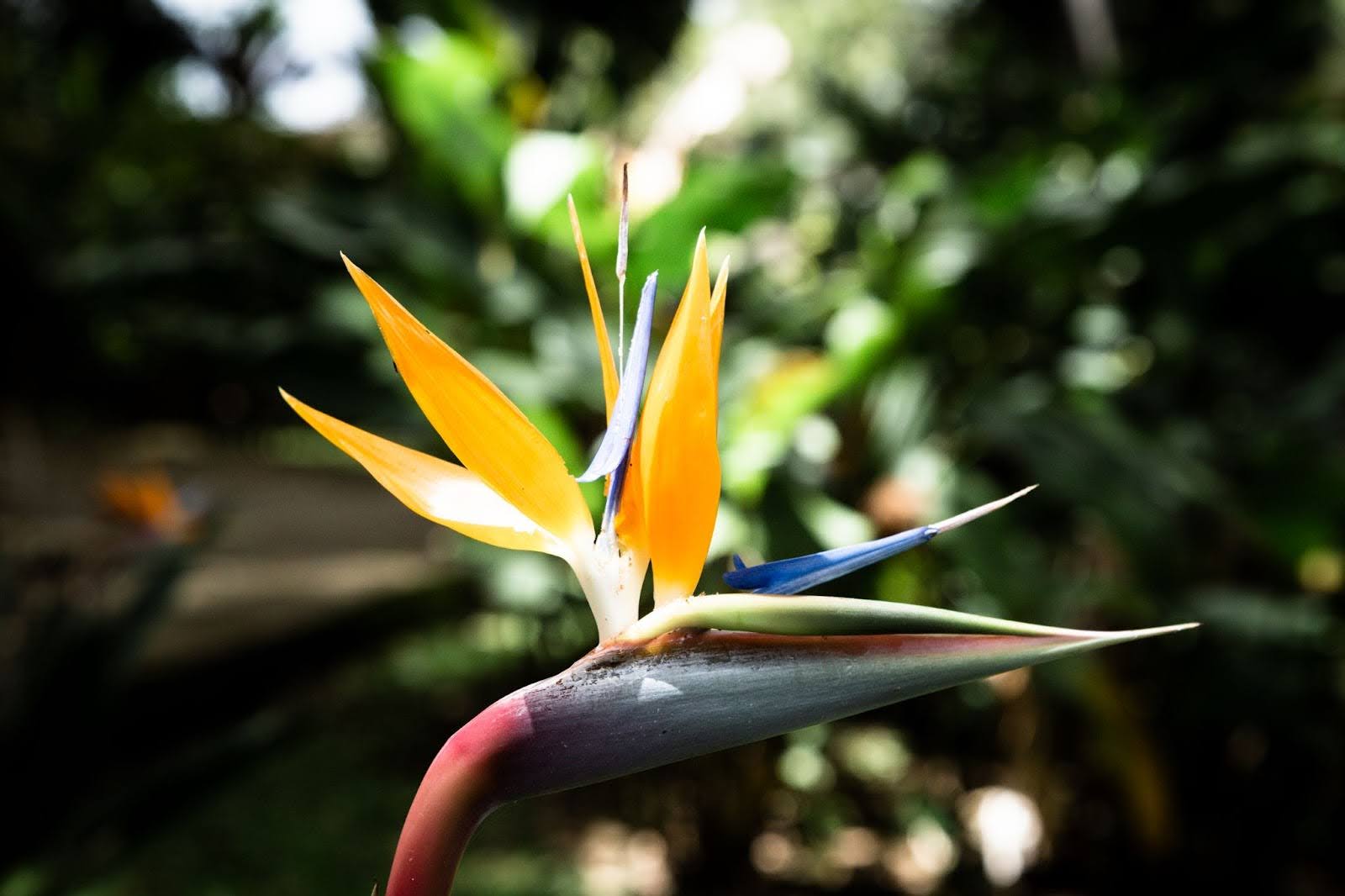
Credit: windflowerflorist.com
Implications For Gardeners
Yellow and blue flowers play unique roles in gardens. Gardeners wonder if birds pollinate these flowers. Understanding this helps in planning a bird-friendly garden.
Bird pollination affects flower choice and garden layout. Knowing which flowers attract birds improves pollination success.
Choosing Flowers To Attract Birds
Not all yellow and blue flowers attract birds. Birds prefer flowers with bright red, orange, or yellow colors. Blue flowers often attract bees more than birds.
- Choose tubular or bell-shaped flowers for bird access.
- Pick flowers with sturdy stems that hold bird weight.
- Include flowers with high nectar content.
- Avoid flowers with strong scents; birds rely on sight.
- Plant in clusters to make feeding easier for birds.
Enhancing Bird Pollination In Gardens
| Action | Benefit |
| Provide fresh water sources | Attracts birds for drinking and bathing |
| Plant native bird-friendly flowers | Supports local bird species |
| Limit pesticide use | Keeps birds and pollinators safe |
| Create sheltered spots | Offers protection and nesting areas |
| Offer perches near flowers | Encourages bird visits and feeding |
By following these tips, gardeners can boost bird visits. This supports natural pollination and healthier plants.
Frequently Asked Questions
Are Yellow Flowers Typically Pollinated By Birds?
Yellow flowers are less commonly bird-pollinated. Birds prefer red, orange, or bright flowers with high nectar. Yellow flowers often rely on bees and insects for pollination.
Do Blue Flowers Attract Bird Pollinators?
Blue flowers rarely attract bird pollinators. Birds are more drawn to red and orange hues. Blue flowers usually depend on bees and butterflies for pollination.
What Colors Do Bird-pollinated Flowers Usually Have?
Bird-pollinated flowers commonly exhibit red, orange, or bright colors. These colors attract birds that seek nectar. Yellow and blue flowers are less frequent among bird-pollinated species.
Can Yellow And Blue Flowers Be Bird-pollinated Sometimes?
Occasionally, some yellow or blue flowers are bird-pollinated. However, this is rare and depends on the flower’s nectar and structure. Most bird-pollinated flowers have colors more visible to birds.
Conclusion
Yellow and blue flowers can attract birds. Birds are often drawn to these colors. This attraction can lead to pollination. Bright colors catch a bird’s eye. They signal food, like nectar. Some birds, like hummingbirds, love nectar-rich flowers. They spread pollen as they move.
This helps flowers reproduce. Not all yellow and blue flowers are bird-pollinated. But many are. This shows nature’s clever design. Colors and birds work together in harmony. Understanding this relationship is important. It reveals the beauty of nature. And the role birds play in pollination.
So next time you see these flowers, think of birds. And their vital work.