
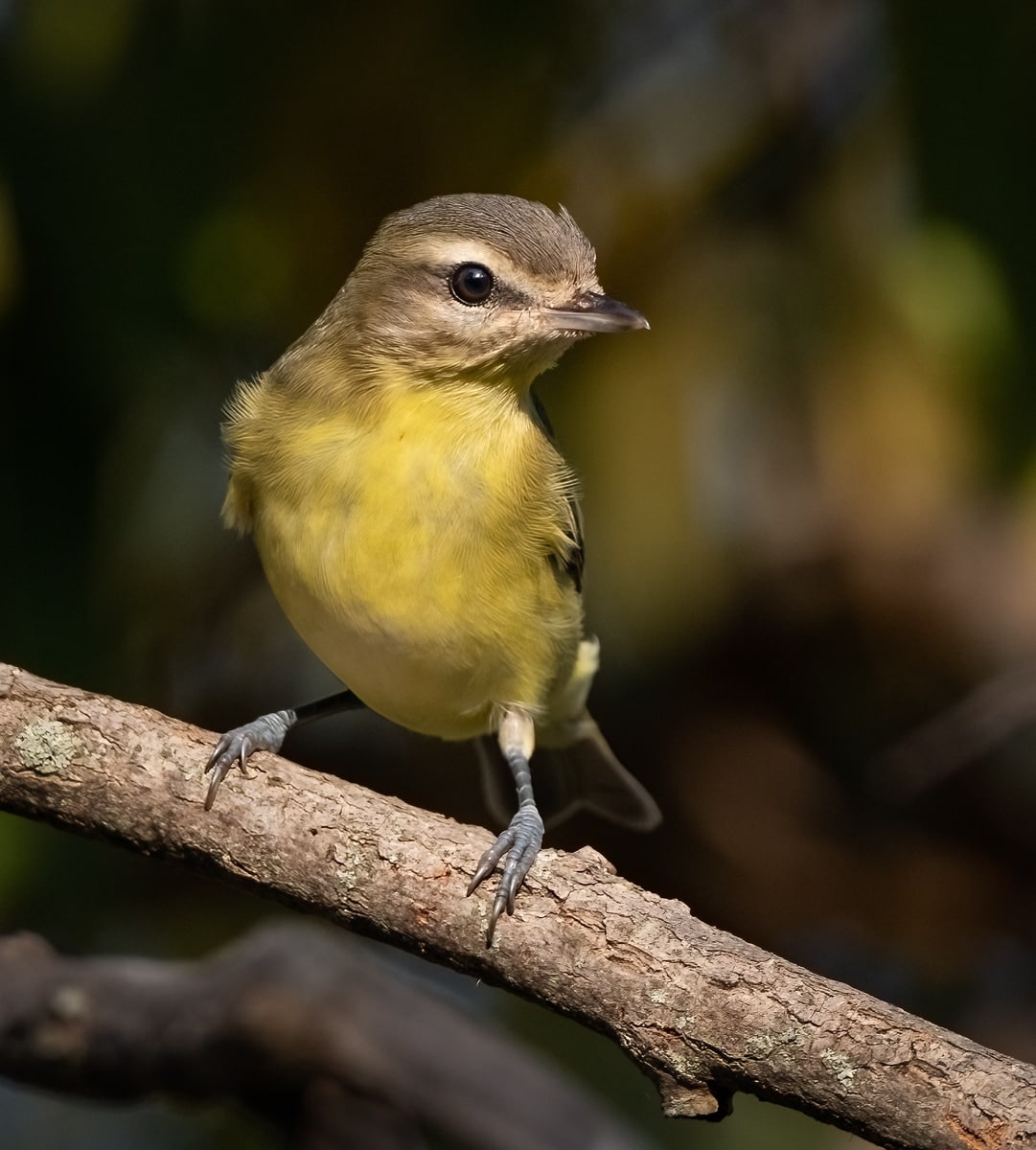
Backyard Bird Photography – Complete Tips for Clear Bird Photos
Have you ever wished you could capture the beauty of birds right in your own backyard? Backyard bird photography lets you do just that—bringing stunning, close-up shots of colorful birds without the need for expensive trips or special gear.
Backyard Bird Photography allows you to connect with nature and enjoy the vibrant life in your surroundings.
Imagine freezing those magical moments when a bird fluffs its feathers or spreads its wings. This article will show you simple tips and tricks to help you start snapping amazing photos today. Ready to turn your backyard into a bird photographer’s paradise?
With Backyard Bird Photography, you can learn about different bird species that may visit your home.
Keep reading to discover how easy and rewarding it can be!
Choosing The Right Gear
Backyard bird photography needs the right gear to get clear and sharp images. Choosing good equipment helps you capture birds well.
Essential gear for Backyard Bird Photography includes a good zoom lens to capture stunning images.
You need cameras, lenses, and supports that fit bird photography needs. This guide explains what gear to pick.
Best Cameras For Bird Photography
Investing in a quality camera is crucial for successful Backyard Bird Photography.
Choose cameras with fast autofocus and high frame rates. These features help catch quick bird movements clearly.
Backyard Bird Photography can be challenging, but with the right equipment, you’ll succeed.
Cameras with good sensor size and resolution show fine details in bird feathers. A camera with good ISO helps in low light.
- DSLR or mirrorless cameras work best
- Look for cameras with at least 20 megapixels
- Fast continuous shooting (5+ frames per second)
- Good autofocus points covering wide areas
- High ISO performance for early morning or evening
Essential Lenses To Capture Details
Long telephoto lenses let you get close shots without disturbing birds. Sharp lenses show feathers and eyes in detail.
Zoom lenses give flexibility to adjust framing quickly. Prime lenses usually offer better sharpness and light gathering.
For Backyard Bird Photography, prime lenses can enhance the clarity of your shots.
- Telephoto zoom lenses from 100mm to 600mm
- Prime lenses around 300mm or 400mm for sharp images
- Fast lenses with f/4 or wider aperture
- Image stabilization helps reduce blur
- Consider lens weight for easier handling
Tripods And Stabilizers
Stable support is key for sharp bird photos, especially with long lenses. Tripods keep your camera steady for clear shots.
Use tripods with smooth panning heads for tracking moving birds. Monopods offer some support and more mobility.
- Sturdy tripods with adjustable height
- Ball or pan-tilt heads for smooth movement
- Monopods for lighter, faster setups
- Use vibration dampeners or remote shutter release
- Check weight capacity to hold your camera and lens
Setting Up Your Backyard
Creating a space for bird photography starts with a good backyard setup. A welcoming area attracts many birds close to your camera.
Backyard Bird Photography begins with preparing an inviting space for your feathered friends.
Simple changes in your yard can make a big difference in seeing more birds and capturing great photos.
Creating Bird-friendly Spaces
Birds need safe and comfortable places to visit. Plant native trees and shrubs to provide food and shelter.
Creating a bird-friendly environment is vital for successful Backyard Bird Photography.
A mix of plants offers birds places to hide and rest. Avoid using chemicals that can harm birds.
- Plant native flowers, trees, and bushes
- Keep some leaf litter for insects
- Do not use pesticides or herbicides
- Provide dense shrubs for cover
Using Feeders And Water Sources
Feeders attract birds by offering easy food. Choose feeders that fit the birds you want to photograph.
Using feeders is an excellent way to enhance your Backyard Bird Photography experience.
Water sources like birdbaths or small ponds invite birds to drink and bathe. Keep water fresh and clean.
- Use seed feeders for finches and sparrows
- Install suet feeders for woodpeckers
- Place water dishes in open areas
- Change water every few days
Natural Perches And Hiding Spots
Natural perches can significantly improve your Backyard Bird Photography by attracting more birds.
Birds like to perch on branches and wires. Add natural perches near feeders or water sources.
Hiding spots help you stay unseen while photographing. Use bushes or a small blind to avoid disturbing birds.
- Place branches or poles for perching
- Keep shrubs near feeding areas
- Use a camo blind or natural cover
- Stay still and quiet for best results
Mastering Camera Settings
Backyard bird photography needs the right camera settings. Good settings help capture clear and sharp bird photos.
Understanding camera settings is essential for effective Backyard Bird Photography.
Adjust your camera to get the best shots in different light and movements.
Optimal Shutter Speed And Aperture
Shutter speed controls how fast the camera takes a photo. Use a fast speed to freeze bird movements.
Aperture controls the amount of light and depth of field. A wider aperture blurs the background.
- Use shutter speeds of 1/1000 sec or faster for flying birds
- Choose aperture between f/4 and f/8 for sharp birds and soft background
- Adjust aperture based on light and distance to subject
Iso Settings For Different Light
ISO controls the camera’s sensitivity to light. Higher ISO works better in low light but adds noise.
Use the lowest ISO that lets you keep a fast shutter speed and good aperture.
- Bright daylight: ISO 100-400 for clear images
- Cloudy or shaded areas: ISO 400-800 to keep shutter speed fast
- Early morning or late evening: ISO 800-1600 but watch for noise
Focus Modes For Sharp Images
Focus mode helps the camera keep birds sharp, even if they move. Choose the right mode for action.
Continuous autofocus tracks moving birds. Single autofocus works for still birds.
- Use continuous autofocus (AI Servo or AF-C) for flying or moving birds
- Use single autofocus (One Shot or AF-S) for perched or resting birds
- Use back-button focus if your camera supports it for better control
Techniques For Close-up Shots
Backyard bird photography is a fun way to see birds up close. Taking close-up shots shows their details and colors.
Engaging in Backyard Bird Photography can yield beautiful close-up images.
Good techniques help you get sharp images without scaring the birds away. Let’s look at some useful tips.
Approaching Birds Without Disturbing
Birds are easily scared, so move slowly and quietly. Avoid sudden movements or loud noises near them.
Practicing patience is key to successful Backyard Bird Photography.
Watch the bird’s behavior and stop if it seems nervous. Use a long lens to keep your distance but still get close shots.
Using Camouflage And Blinds
Wear clothes that match your surroundings to blend in. Camouflage helps birds feel safe and stay longer.
Camouflage is a useful technique in Backyard Bird Photography to help you remain unnoticed.
Use a bird blind or hide behind bushes. This cover lets you get close without scaring birds away.
- Wear earth-tone or green clothing
- Set up a small portable blind
- Move slowly while hidden
- Stay quiet and patient
Capturing Feathers And Textures
Close-up shots show the beauty of bird feathers and textures. Focus on the eyes and feather details.
Use a macro or telephoto lens with good sharpness. Natural light helps show the true colors and patterns.
- Focus on the bird’s eye for clear photos
Capturing intricate feather details is a highlight of Backyard Bird Photography.
- Use soft light for better feather colors
- Try different angles to highlight textures
- Keep your camera steady for sharp images
Timing And Lighting Tips
Timing is crucial in Backyard Bird Photography to get the best results.
Backyard bird photography needs good timing and light. Birds look best in soft, natural light.
Knowing when and how to use light helps you take clear and bright photos. This guide gives useful tips.
Best Times Of Day To Shoot
Early morning and late afternoon are best for bird photos. Light is soft and warm at these times.
Midday sun is harsh and can cause strong shadows. Avoid shooting when the sun is high in the sky.
- Early morning: cool and soft light
- Late afternoon: warm and gentle light
- Midday: harsh light, avoid if possible
Working With Natural Light
Natural light makes bird colors look real and bright. Use it to show details in feathers and eyes.
Position yourself so the sun lights the bird from the side or front. This adds depth and life to photos.
Using natural light effectively can enhance your Backyard Bird Photography.
- Face the light for clear bird features
- Side light creates texture and shape
- Avoid backlight unless you want a silhouette
Handling Shadows And Highlights
Shadows can hide bird details while highlights can be too bright. Balance light to get good contrast.
Use shade or cloudy days for softer shadows. If shadows are strong, move to a better angle or wait for light to change.
- Watch for deep shadows on birds
- Adjust position to reduce bright highlights
- Use shade to soften harsh light
- Cloudy days provide even lighting
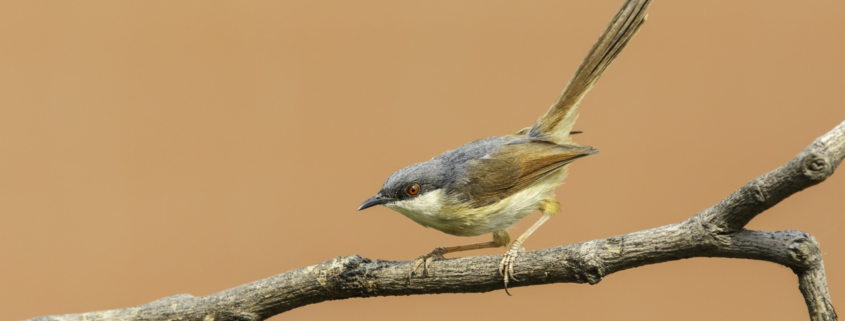
Credit: visualwilderness.com
Editing And Enhancing Photos
Editing bird photos helps show their true beauty. It can improve details and colors.
Good editing makes your bird pictures clearer and more lively. It brings the focus to the bird.
Basic Post-processing Steps
Start by cropping your photo to remove distractions. Adjust brightness to make the image clear.
Check the contrast to add depth. Use noise reduction if the photo looks grainy.
- Crop to focus on the bird
- Adjust brightness and exposure
- Increase contrast slightly
- Reduce noise if needed
Highlighting Feather Details
Feather details show the bird’s texture and shape. Use clarity or structure tools to enhance them.
Be careful not to overdo it. Too much sharpening can make the feathers look fake.
- Use clarity or texture sliders
- Zoom in to check feather edges
- Apply gentle sharpening
- Avoid adding noise or halos
Color Correction And Sharpening
Correct colors to match the bird’s natural look. Adjust white balance if colors seem off.
Sharpen the photo to make details crisp. Use sharpening tools with care to keep a natural feel.
- Adjust white balance for true colors
- Increase saturation slightly if needed
- Use sharpening tools carefully
- Check the image at full size
Common Challenges And Solutions
Overcoming challenges is part of the joy of Backyard Bird Photography.
Backyard bird photography is fun but can be tricky. Birds move fast and weather changes often. These challenges can make taking good photos hard.
Understanding these problems helps you find ways to get better pictures. Here are some common issues and how to fix them.
Dealing With Fast Movements
Birds fly and move quickly. This makes it hard to focus and get clear shots. You need to react fast and use the right camera settings.
Use a fast shutter speed to freeze motion. Continuous autofocus helps keep birds sharp as they move. Try burst mode to take many photos quickly.
Fast movements require practice in Backyard Bird Photography for capturing stunning shots.
- Set shutter speed to at least 1/1000 seconds
- Use continuous autofocus (AF-C) mode
- Use burst or continuous shooting mode
- Practice tracking birds smoothly with your camera
Handling Weather Conditions
Weather can change fast outside. Rain, wind, or bright sun can affect your photos and gear. You need to prepare for these changes.
Being prepared for weather changes is essential for successful Backyard Bird Photography.
Protect your camera with rain covers or plastic bags. Use a lens hood to reduce glare on sunny days. If wind moves plants or branches, wait for calm moments to shoot.
- Use waterproof covers for your camera
- Carry a lens hood to cut glare
- Wear weather-appropriate clothes
- Find sheltered spots to shoot during bad weather
Minimizing Background Distractions
Busy backgrounds can take attention away from your bird. Removing distractions helps your photos look clean and focused.
Minimizing background distractions improves your Backyard Bird Photography results.
Choose spots with simple backgrounds like sky or leaves. Use a wide aperture to blur the background. Move around to find the best angle with fewer distractions.
- Shoot with a wide aperture (low f-number) for blurred background
- Find plain or natural backgrounds
- Change your position to avoid unwanted objects
- Use a longer lens to isolate the bird from background

Credit: www.digitalpix.co.nz

Credit: www.bhphotovideo.com
Frequently Asked Questions
How Can I Start Backyard Bird Photography?
Many find joy in Backyard Bird Photography, as it connects them with nature.
Start by setting up a bird-friendly environment with feeders and water. Use a camera with a zoom lens for capturing detailed shots. Patience is key, so spend time observing bird behavior to anticipate great moments. Practice regularly to improve your skills and get familiar with bird patterns.
What Equipment Is Needed For Bird Photography?
Good equipment is crucial for engaging in Backyard Bird Photography.
A camera with a good zoom lens is essential. A tripod can help stabilize your shots. Consider a camouflage cover to blend into your surroundings. Binoculars can aid in spotting birds from a distance. Additional gear like a remote shutter release can enhance your photography experience.
When Is The Best Time To Photograph Birds?
Photography sessions should align with the principles of successful Backyard Bird Photography.
Early morning and late afternoon offer the best lighting conditions. Birds are most active during these times, increasing your chances of capturing dynamic shots. The soft lighting helps avoid harsh shadows and brings out the natural colors of birds. Adjust your schedule according to local bird activity.
How Do I Attract Birds To My Backyard?
Provide food like seeds, suet, and nectar to attract different bird species. Offer fresh water in a birdbath for drinking and bathing. Plant native trees and shrubs to provide shelter and nesting areas. Avoid sudden movements and loud noises to create a safe, inviting environment for birds.
Attracting birds is the first step in Backyard Bird Photography.
Conclusion: Embrace Backyard Bird Photography
Capturing birds in your backyard brings joy and calm. Patience helps you get great photos over time. Use simple tools and watch birds’ natural behavior. Each shot tells a story of nature close by. Practice often to improve your skills and timing.
Enjoy the quiet moments and the beauty you find. Your backyard can become a small wildlife haven. Keep your camera ready for surprise visits. This hobby connects you with nature every day.



