
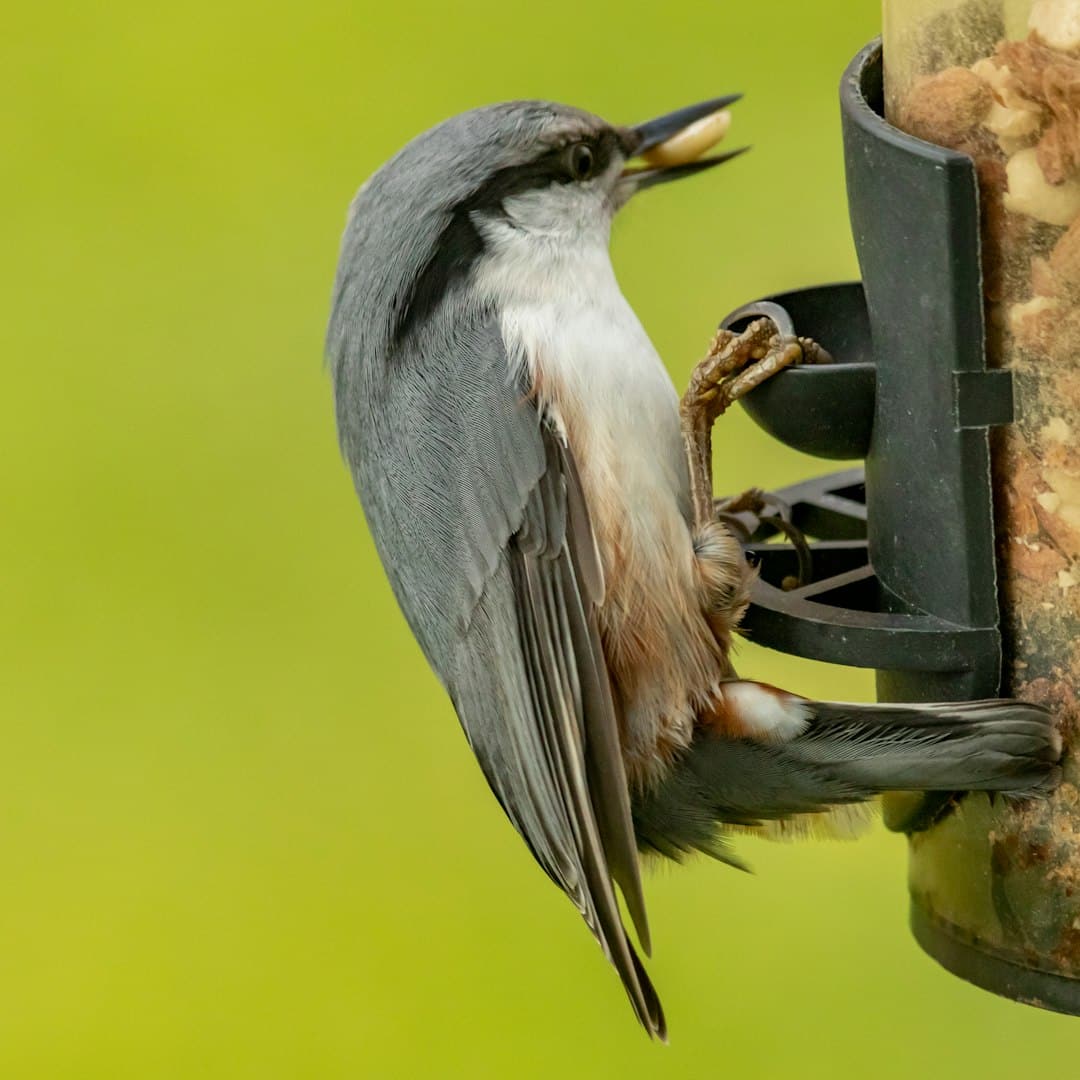
If you love watching birds visit your garden, choosing the right feeder can make all the difference. The best feeders not only attract more birds but also keep them safe and comfortable while they eat.
Imagine filling your yard with vibrant colors and cheerful bird songs every day. You’re just one step away from turning your outdoor space into a lively bird haven. Keep reading to discover the top feeders that will bring your feathered friends closer than ever before.
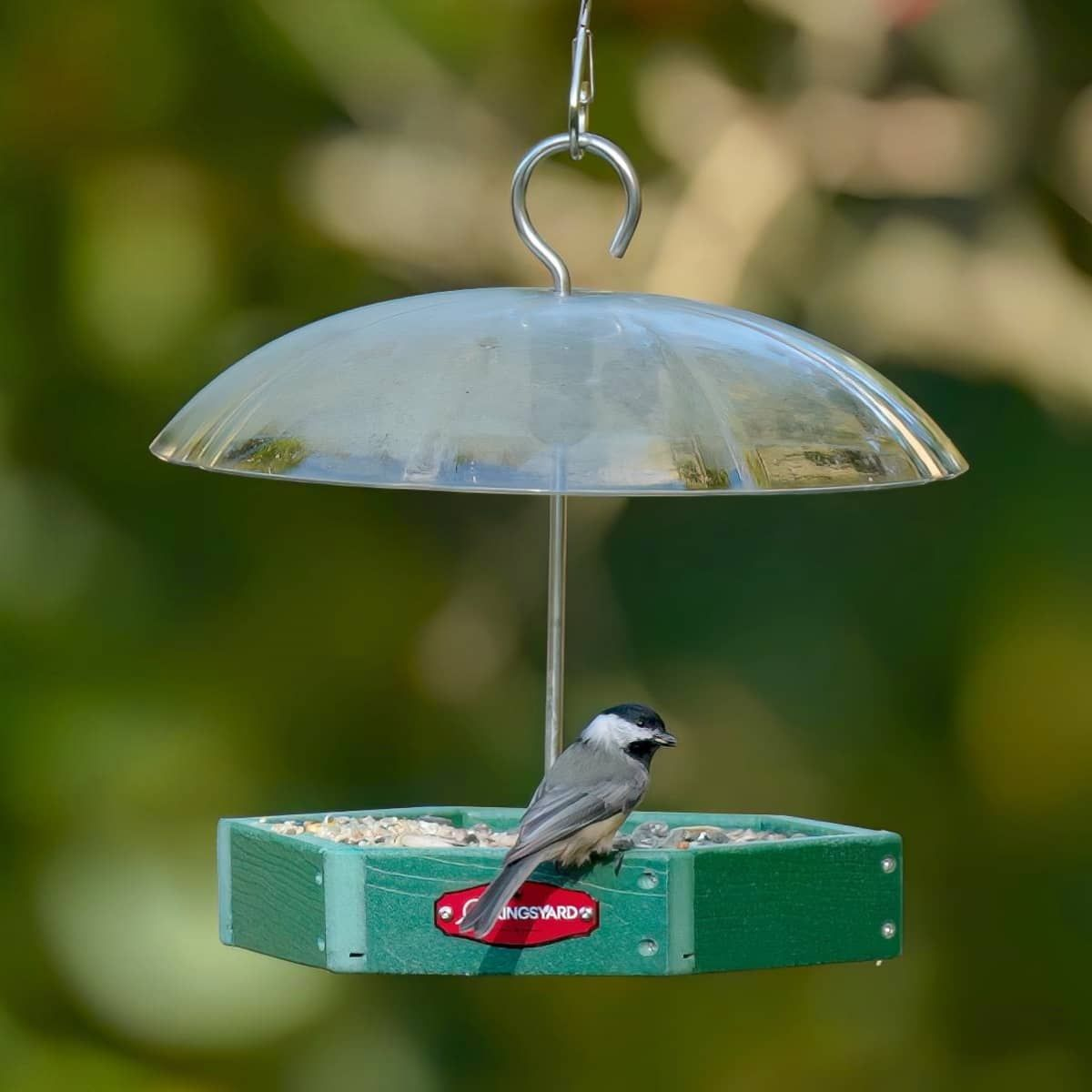
Credit: www.kingsyard.com
Types Of Bird Feeders
Bird feeders help attract different types of birds to your yard. Each feeder type works best for certain birds and seeds.
Choosing the right feeder can bring more birds and make watching easier. Learn about popular feeder types below.
Tube Feeders
Tube feeders are long and slim with many small feeding ports. They are great for small birds like finches and chickadees.
These feeders hold seeds like sunflower, nyjer, and mixed seeds. The clear tubes let you see the seed level easily.
Hopper Feeders
Hopper feeders look like small houses and hold lots of seed. Birds perch on the edges to eat.
They work well for larger birds like cardinals, jays, and grosbeaks. Hopper feeders keep seeds dry in rain.
Platform Feeders
Platform feeders are flat and open, giving birds easy access to seeds. They attract many bird types.
You can place seeds, fruit, or nuts on these feeders. They are good for ground-feeding birds like doves and sparrows.
Suet Feeders
Suet feeders hold blocks of fat mixed with seeds or insects. Suet is a high-energy food for birds.
Woodpeckers, nuthatches, and wrens love suet feeders. They work best in cold weather when birds need more energy.
Window Feeders
Window feeders stick to glass with suction cups. They bring birds close for easy viewing through windows.
These small feeders hold seeds or nectar. They attract small birds like chickadees and hummingbirds.
Choosing Feeders For Different Birds
Bird feeders come in many shapes and sizes. Picking the right feeder helps attract certain birds to your yard.
Different birds prefer different types of food and feeder designs. Knowing what to choose can bring more birds to watch and enjoy.
Feeders For Finches And Sparrows
Finches and sparrows like feeders that hold small seeds. Tube feeders with many tiny holes work well for them. These feeders keep seeds dry and safe.
- Use feeders with small perches
- Fill with nyjer or small millet seeds
- Place feeders in open areas for easy access
- Clean feeders regularly to avoid mold
Feeders For Hummingbirds
Hummingbirds need feeders with nectar. These feeders have small ports for their long beaks. Red colors attract hummingbirds easily.
Keep the nectar fresh by cleaning feeders often. Use a mix of four parts water to one part sugar for the nectar.
Feeders For Woodpeckers
Woodpeckers like feeders with suet or nuts. Choose a suet cage or a platform feeder that holds large pieces. These feeders should be sturdy to hold their weight.
| Feeder Type | Food | Placement |
| Suet Cage | Suet cakes | On tree trunks or poles |
| Platform Feeder | Peanuts, seeds | Open area with some cover |
| Nail Feeder | Peanuts | Attached to trees or posts |
Feeders For Larger Birds
Larger birds like jays and doves need bigger feeders. Hopper feeders or tray feeders work best. They can hold more seed and support heavier birds.
- Choose feeders with wide perches
- Use mixed seeds or cracked corn
- Place feeders where birds feel safe
- Keep feeders clean and full
Best Seeds And Foods To Use
Feeding birds is a fun way to enjoy nature at home. Choosing the right seeds and foods can attract many kinds of birds.
Different birds like different foods. Using a variety of seeds and foods helps attract more species to your feeder.
Sunflower Seeds
Sunflower seeds are very popular with many birds. They are easy to find and packed with nutrients.
Black oil sunflower seeds attract finches, cardinals, and chickadees. Their thin shells make them easy for small birds to eat.
Nyjer Seeds
Nyjer seeds are tiny and high in oil. They are perfect for small birds like finches and siskins.
These seeds need special feeders with small holes to keep them from spilling out.
Suet Cakes
Suet cakes are made of animal fat mixed with seeds and nuts. They provide energy, especially in cold weather.
Woodpeckers, nuthatches, and chickadees enjoy suet. It is best to hang suet feeders where birds can cling easily.
Nectar For Hummingbirds
Hummingbirds feed on sweet nectar. You can make a simple nectar with sugar and water.
Mix four parts water with one part white sugar. Boil the mix and cool before filling feeders. Avoid honey or artificial sweeteners.
Peanut And Nut Mixes
Peanuts and mixed nuts are favorites for many birds. They are full of protein and fat.
Use unsalted and shelled nuts to keep birds safe. Jays, woodpeckers, and titmice like these mixes.
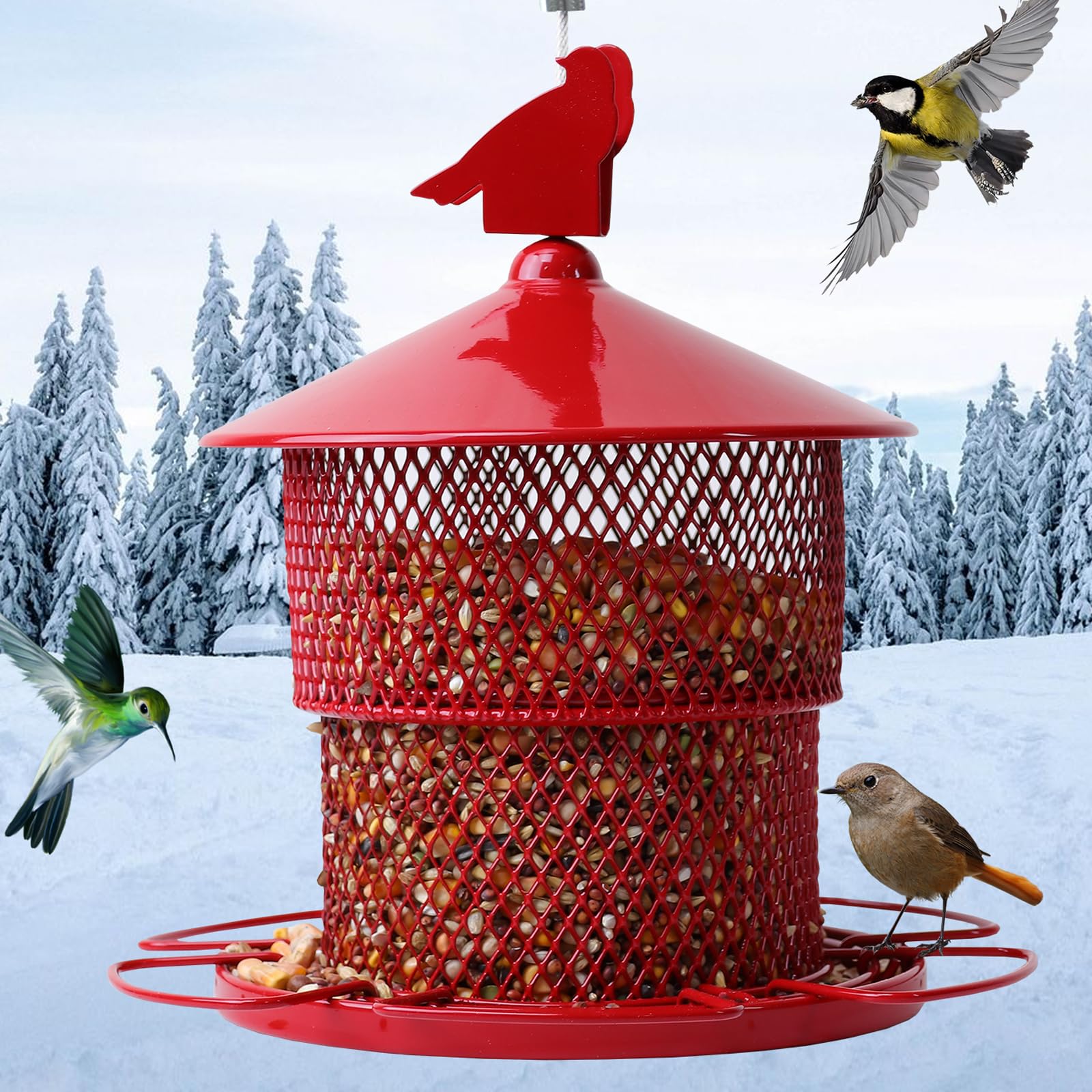
Credit: www.amazon.ca
Placement Tips For Maximum Attraction
Choosing the right spot for your bird feeder helps attract more birds. Placement affects which birds visit and how often.
Good feeder placement keeps birds safe and makes it easy for them to find food. Follow these tips for the best results.
Safe Locations
Place feeders where birds feel safe from threats. Avoid open areas where birds have no cover to hide.
Nearby trees or bushes provide shelter and quick escape routes. Keep feeders away from busy human paths.
- Use spots near shrubs or trees
- Keep feeders at least 10 feet from windows
- Avoid windy or exposed areas
Visibility And Accessibility
Birds need to see feeders clearly. Place feeders in open spaces with good light and few obstacles.
Make sure feeders are easy for birds to reach. Avoid placing them too high or in crowded spots.
- Choose locations visible from multiple angles
- Keep feeders at a comfortable height (4-6 feet)
- Clear branches or objects blocking access
Avoiding Predators
Protect birds from cats, squirrels, and other predators. Placement can reduce risks for visiting birds.
Use barriers or place feeders away from places predators can hide or jump from.
- Keep feeders 10 feet from jumping points like fences
- Use baffles on poles to block climbing animals
- Place feeders in open areas to spot predators easily
Maintaining And Cleaning Feeders
Keeping bird feeders clean is important for bird health. Dirty feeders can spread germs and make birds sick.
Regular care helps your feeders last longer and keeps birds coming back.
Cleaning Frequency
Clean your feeders at least once every two weeks. Clean more often in wet or warm weather.
If many birds use the feeder, clean it weekly. This stops mold and bacteria from growing.
- Use warm water and mild soap
- Rinse well to remove soap
- Let feeders dry completely before refilling
Preventing Mold And Disease
Mold grows quickly on old seeds and damp feeders. It can harm birds if they eat it.
Keep feeders dry and remove wet seeds. Place feeders in shaded areas to slow mold growth.
- Throw away moldy or clumped seeds
- Use a brush to clean hard-to-reach spots
- Disinfect feeders with a vinegar or bleach solution
Replacing Worn Parts
Check feeders for cracks, rust, or broken parts regularly. Damaged feeders can hurt birds or stop working.
Replace or fix parts like perches, trays, and lids to keep feeders safe and functional.
- Inspect feeders monthly
- Use bird-safe materials for repairs
- Replace feeders if damage is severe
Seasonal Feeding Strategies
Birds need different foods at different times of the year. Feeding them right helps them stay healthy.
Using the best feeders and food types each season attracts more birds to your yard.
Feeding In Winter
Winter is tough for birds. They need high-energy food to stay warm and active.
Use feeders that protect food from snow and ice. Offer seeds like sunflower and suet.
- Use tube feeders with covers
- Offer black oil sunflower seeds
- Provide suet cakes for fat and energy
- Keep feeders clean and full
Spring And Summer Feeding
In spring and summer, birds eat more insects and fruits. Feeders with fresh fruit and nectar attract them.
Hang nectar feeders for hummingbirds. Offer mealworms for insect-eating birds.
- Use nectar feeders for hummingbirds
- Offer mealworms for protein
- Provide fresh fruit or fruit blends
- Switch feeders to open designs
Fall Preparation
In fall, birds prepare for winter. They eat to build fat stores for cold months.
Feed high-fat seeds and nuts. Clean feeders well to stop disease before winter.
- Offer safflower seeds and peanuts
- Use feeders that hold large seeds
- Clean feeders regularly
- Reduce water sources to avoid freezing
Additional Tips For Vibrant Wildlife
Attracting birds to your garden is rewarding. Adding the right elements helps keep birds healthy and happy.
Simple steps can create a lively space full of feathered visitors. This guide offers helpful tips.
Providing Water Sources
Birds need fresh water for drinking and bathing. A clean water source encourages them to visit often.
Use shallow dishes or birdbaths. Change the water every day to keep it fresh and safe.
- Place water near feeders for easy access
- Use a drip or small fountain to keep water moving
- In winter, add a heated birdbath to prevent freezing
Creating Bird-friendly Habitats
Birds need shelter and food to stay in your yard. Plant native trees and shrubs for cover and nesting spots.
Offer a variety of plants that bloom in different seasons. This gives food and shelter all year round.
- Include berry-producing bushes
- Grow plants with seeds birds like
- Leave leaf litter for insects and ground feeders
- Keep some dead wood for insects and nesting
Avoiding Common Feeding Mistakes
Feeding birds is easy but mistakes can harm them. Avoid using spoiled or moldy food.
Clean feeders regularly to stop disease. Do not feed bread or salty foods, which can hurt birds.
- Replace food every few days
- Keep feeders dry and clean
- Use safe, bird-friendly seed mixes
- Avoid overcrowding feeders to reduce stress
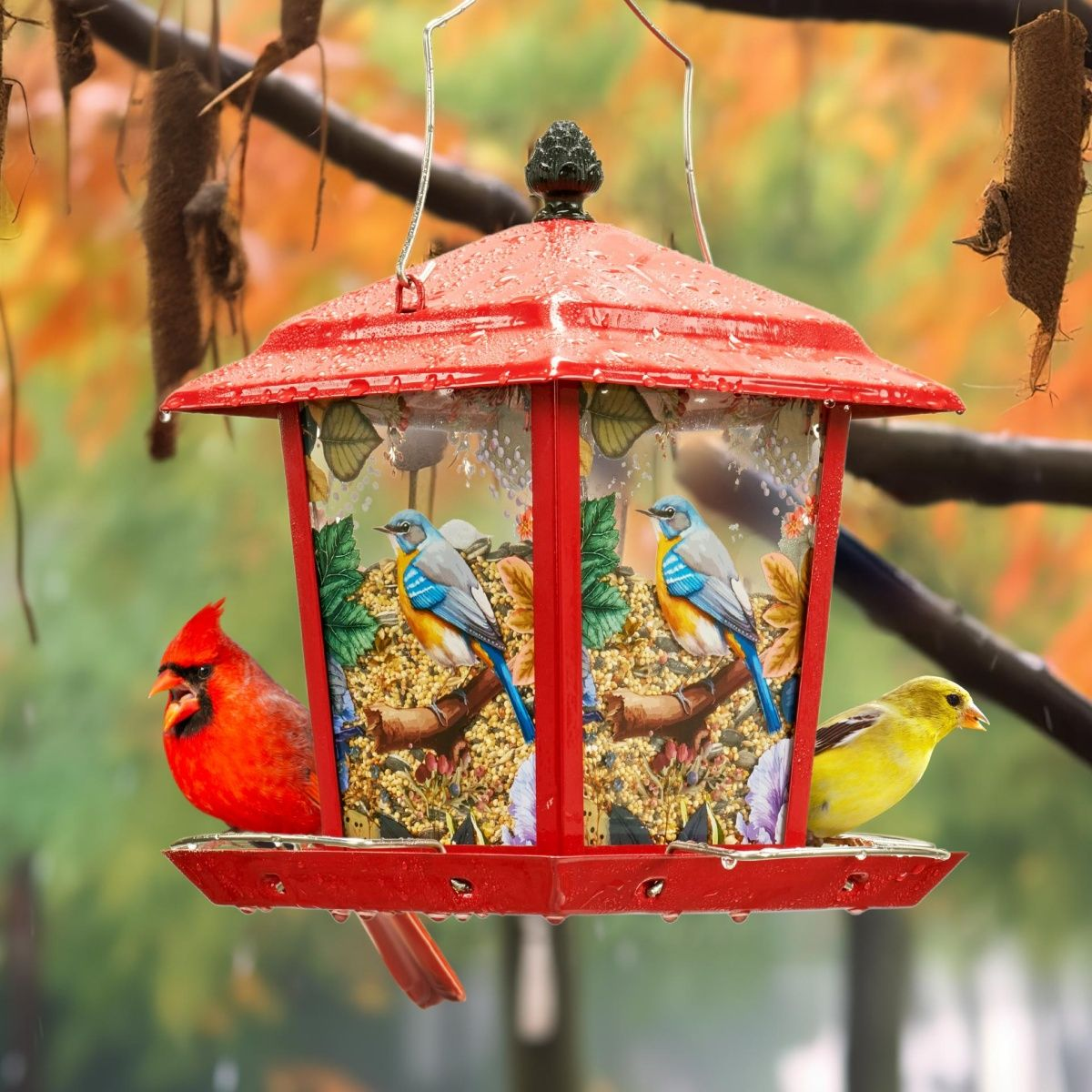
Credit: www.kingsyard.com
Frequently Asked Questions
What Types Of Feeders Attract The Most Birds?
Tube feeders, platform feeders, and suet feeders attract various bird species. Tube feeders are great for small birds. Platform feeders suit larger birds. Suet feeders attract insect-eating birds. Using a mix increases bird diversity in your yard.
Which Seeds Are Best For Attracting Wild Birds?
Black oil sunflower seeds attract the widest range of birds. Nyjer seeds are ideal for finches. Millet is preferred by ground-feeding birds. Offering a variety of seeds draws more bird species to your feeder.
How Can I Keep Bird Feeders Clean And Safe?
Clean feeders every two weeks with warm, soapy water. Rinse thoroughly and dry before refilling. Regular cleaning prevents mold and disease, ensuring birds stay healthy and safe while feeding.
Where Should I Place Feeders To Attract More Birds?
Place feeders near natural cover like trees or shrubs. This provides birds a safe retreat. Avoid placing feeders too close to windows to prevent collisions. Proper placement increases feeder visits and bird safety.
Conclusion
Choosing the right bird feeder brings nature closer. Birds love variety. Offer seeds, suet, and nectar. Attracts diverse species. Place feeders in safe spots, away from predators. Clean them regularly to keep birds healthy. Enjoy the beauty and songs they bring.
Watching birds relaxes and entertains. Great for family bonding. A well-stocked feeder benefits wildlife and enriches your outdoor space. Try different feeders to see what birds prefer. Each one invites a new feathered friend. Nature’s wonders await right in your backyard.
A simple joy.


