

If you love watching hummingbirds dance around your garden, you know how magical those tiny, colorful visitors can be. But getting them to stop by regularly isn’t always easy.
The secret lies in the nectar you offer. Choosing the best nectar can make all the difference in attracting more hummingbirds to your feeders and keeping them coming back. You’ll discover exactly what kind of nectar works best, why it matters, and simple tips to make your hummingbird visitors feel right at home.
Ready to turn your garden into a hummingbird paradise? Let’s dive in!
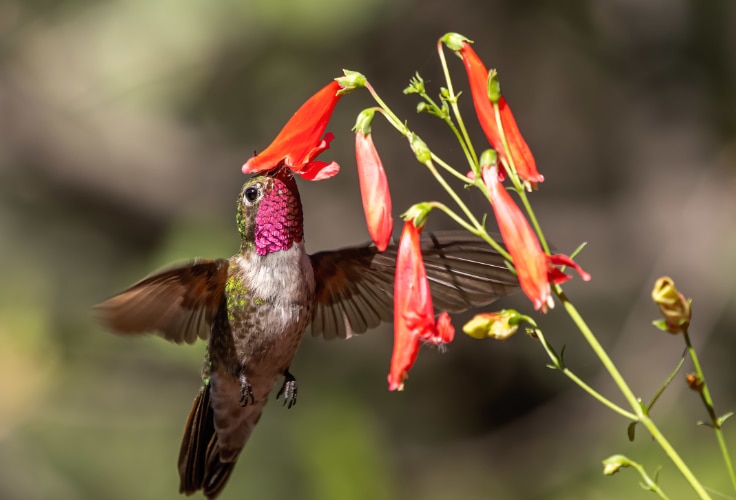
Credit: avibirds.com
Why Hummingbirds Love Nectar
Hummingbirds need special food to stay active and healthy. Nectar is their favorite because it gives them quick energy.
This sweet liquid comes from flowers and is easy for hummingbirds to drink fast. It helps them fly and stay warm.
Nutritional Needs Of Hummingbirds
Hummingbirds need sugar, water, and some minerals to survive. Nectar gives them the sugar and water they need.
- Sugar provides quick fuel for flying
- Water keeps them hydrated
- Minerals help their body work well
- Proteins and fats come from small insects they eat
How Nectar Fuels Their Energy
Hummingbirds have very fast metabolisms. They burn energy quickly and need nectar often.
| Energy Use | Hummingbird Need |
| Flying | High energy from sugar |
| Body Heat | Constant fuel to keep warm |
| Resting | Less fuel but still required |
Key Ingredients For Hummingbird Nectar
Hummingbirds need a simple nectar to stay healthy and active. The nectar should mimic the natural flowers they visit.
Using the right ingredients helps attract hummingbirds and keeps them safe from harm.
Ideal Sugar To Water Ratio
The best nectar has a balanced mix of sugar and water. This ratio gives hummingbirds the energy they need.
Use one part white granulated sugar to four parts water. This matches the natural sweetness of flower nectar.
- 1 cup sugar
- 4 cups water
- Mix until sugar dissolves completely
- Do not use honey or brown sugar
Avoiding Harmful Additives
Do not add red dye or any artificial colors to the nectar. These can harm hummingbirds.
Keep the nectar clean and fresh. Change it every few days to prevent mold or bacteria growth.
- Use plain white sugar only
- Never add honey, artificial sweeteners, or dyes
- Clean feeders regularly with warm water
- Replace nectar every 3-4 days in warm weather
Homemade Nectar Recipes
Hummingbirds love sweet nectar that fuels their energy. You can make nectar at home easily. Using simple ingredients helps attract these beautiful birds.
Making your own nectar lets you control what goes into the feeder. This keeps hummingbirds safe and happy.
Classic Sugar Water Mix
The classic mix is made with just two ingredients: sugar and water. It is simple and effective for attracting hummingbirds.
Use white granulated sugar and clean water. Avoid honey or artificial sweeteners, as they can harm birds.
- Mix 1 part white granulated sugar with 4 parts water
- Heat water until hot, then stir in sugar until dissolved
- Let the nectar cool before filling the feeder
- Do not add red dye; feeders are often red already
Natural Alternatives
Some prefer natural options that mimic flower nectar. These use ingredients found in your kitchen or garden.
Try using fruit juices or herbal infusions to add variety. These can attract hummingbirds while being safe for them.
- Mix equal parts water and unsweetened apple or grape juice
- Boil water with hibiscus or chamomile tea, then cool
- Add a small amount of maple syrup or agave nectar to sugar water
- Always avoid artificial sweeteners or honey
Choosing The Right Feeder
Choosing the right feeder is key to attracting hummingbirds to your garden. A good feeder mimics natural flowers and offers easy access to nectar.
There are many types of feeders, but some designs work better to bring hummingbirds closer and keep them safe.
Feeder Designs That Attract Hummingbirds
Feeders with bright colors, especially red, attract hummingbirds. A simple design with multiple feeding ports helps several birds feed at once.
- Feeders with red bases or flowers catch hummingbirds’ attention.
- Clear containers let you see nectar levels and keep it fresh.
- Feeders with built-in perches give birds a resting spot while feeding.
- Designs that prevent ants and bees from reaching the nectar keep it clean.
Cleaning And Maintenance Tips
Clean feeders regularly to keep hummingbirds healthy. Dirty feeders can grow mold and bacteria that harm birds.
| Task | Frequency | Details |
| Wash feeder | Every 3-4 days | Use hot water and mild soap |
| Rinse well | Every wash | Remove all soap to avoid harming birds |
| Check nectar | Daily | Replace if cloudy or spoiled |
| Store feeder | Winter months | Clean and dry completely before storing |
Best Plants To Complement Nectar Feeding
Nectar feeders attract hummingbirds with sweet liquid. Plants add beauty and extra food sources. Choosing the right plants helps keep hummingbirds close.
Plants provide natural nectar and places to rest. They also support insects hummingbirds eat. Picking flowers that bloom at different times feeds birds all season.
Flower Varieties That Draw Hummingbirds
Bright, tubular flowers suit hummingbirds’ long beaks. Red, orange, and pink colors attract them most. Native plants usually work best for your area.
- Bee Balm (Monarda)
- Trumpet Vine (Campsis radicans)
- Salvia (Salvia spp.)
- Cardinal Flower (Lobelia cardinalis)
- Hummingbird Mint (Agastache)
- Coral Honeysuckle (Lonicera sempervirens)
- Fuchsia (Fuchsia spp.)
Creating A Hummingbird-friendly Garden
Make a garden with food, shelter, and water. Mix nectar plants with shrubs and trees. Hummingbirds like places to hide from predators and rest.
| Garden Feature | Purpose | Examples |
| Nectar Plants | Provide food | Bee Balm, Salvia, Fuchsia |
| Shelter Plants | Offer cover | Evergreen shrubs, small trees |
| Water Source | Supply drinking and bathing | Shallow birdbath, misting fountain |
| Perching Spots | Resting areas | Thin branches, garden stakes |
Credit: m.youtube.com
Seasonal Nectar Tips
Hummingbirds need the right nectar all year. Changing nectar with seasons helps keep them healthy.
Seasonal nectar tips help you attract more hummingbirds to your feeders.
Adjusting Nectar For Different Seasons
In spring and summer, use a simple nectar mix. It should be one part sugar to four parts water.
In cooler months, hummingbirds need more energy. You can add a little more sugar, but do not exceed one part sugar to three parts water.
- Spring/Summer: 1 part sugar + 4 parts water
- Fall: 1 part sugar + 3.5 parts water
- Winter (if hummingbirds stay): 1 part sugar + 3 parts water
Managing Feeders During Migration
Hummingbirds eat more during migration. Keep feeders full and clean to support them.
Place feeders in shaded areas to slow nectar spoilage. Check feeders daily and refill as needed.
- Clean feeders every 2-3 days to prevent mold
- Use fresh nectar daily during warm weather
- Have multiple feeders to reduce crowding
- Place feeders where hummingbirds can rest nearby
Common Mistakes To Avoid
Feeding hummingbirds is rewarding, but some errors can stop them from visiting. Avoid these mistakes to keep hummingbirds coming back.
Using the right nectar and maintaining feeders is key to attract hummingbirds safely and effectively.
Using Artificial Sweeteners
Artificial sweeteners do not provide energy for hummingbirds. They need natural sugar for their fast metabolism.
Using fake sugars can harm or confuse hummingbirds. Always use real sugar to make nectar.
- Do not use honey, it ferments quickly
- Mix four parts water with one part white sugar
- Boil water to dissolve sugar, then cool before filling
Ignoring Feeder Cleanliness
Dirty feeders can grow mold and bacteria. This can make hummingbirds sick.
Clean feeders at least once a week with hot water. Avoid using soap, which can leave harmful residue.
- Change nectar every 3-5 days in warm weather
- Scrub feeder parts with a brush to remove build-up
- Rinse feeders well before refilling

Credit: www.amazon.com
Frequently Asked Questions
What Is The Best Nectar Recipe For Hummingbirds?
The ideal nectar is a 4:1 water to white granulated sugar ratio. Boil water, dissolve sugar, cool before use. Avoid honey or artificial sweeteners as they harm birds.
How Often Should I Change Hummingbird Nectar?
Change nectar every 3 to 5 days. In hot weather, replace it every 2 days to prevent fermentation and mold growth, keeping hummingbirds safe.
Can I Add Red Food Coloring To Hummingbird Nectar?
Avoid red food coloring; it can be harmful. Use red feeders instead to attract hummingbirds naturally without risking their health.
Why Do Hummingbirds Prefer Fresh Nectar?
Fresh nectar is free from mold and fermentation, which can harm birds. It tastes better and attracts hummingbirds consistently to your feeder.
Conclusion
Choosing the right nectar can transform your garden into a hummingbird haven. Keep it simple with sugar and water. Avoid artificial colors or additives. Clean feeders regularly to keep birds healthy. A consistent supply will attract more hummingbirds over time.
Enjoy their vibrant beauty and energetic flight. Watching them brings joy and serenity. Nature's tiny wonders, right in your backyard. Keep experimenting with different nectar concentrations. Soon, you’ll find what works best. Your garden will become a lively hummingbird paradise.
Enjoy every moment with these fascinating creatures. Happy bird watching!


