
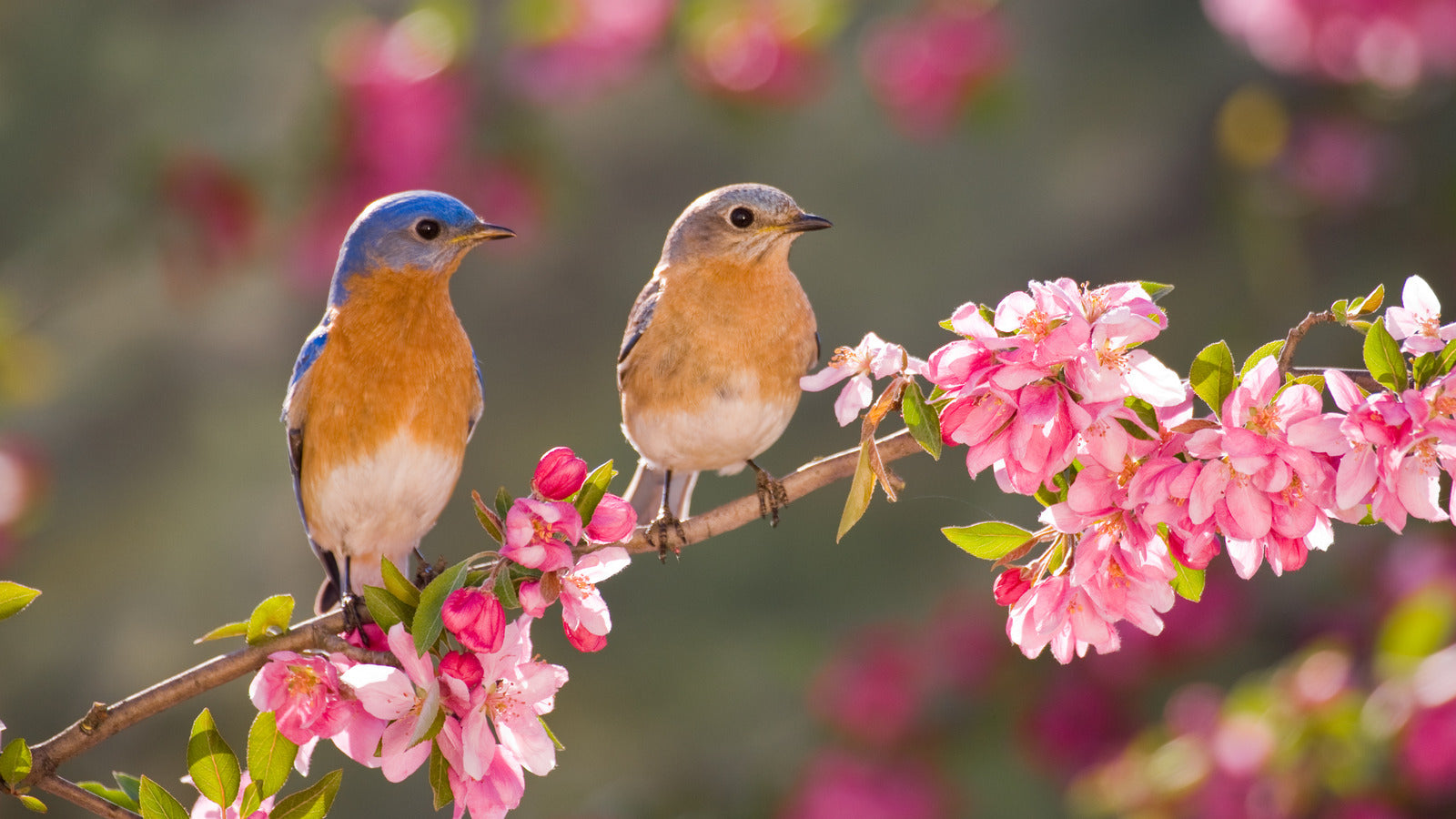
Have you ever wondered when the best time of year is to attract birds to your garden or backyard? Knowing the right season can turn your outdoor space into a lively haven full of colorful feathers and cheerful songs.
Whether you're a beginner or an experienced bird lover, understanding the peak times for bird activity can help you create the perfect environment to welcome these beautiful visitors. Keep reading to discover when and how you can make your space irresistible to birds all year round.
Seasonal Bird Activity
Bird activity changes with the seasons. Different times of the year bring new behaviors. Watching birds during these seasons helps you understand their needs.
Seasonal changes affect where birds go and what they do. Knowing these patterns helps you attract birds to your yard or garden.
Spring Migration Patterns
In spring, many birds travel from warmer places. They head north to find food and nesting spots. Migration is a busy time for birds.
During this time, birds look for places to rest and eat. You can attract them by offering fresh water and seeds.
Summer Nesting Habits
Summer is when birds build nests and raise their young. They need safe, quiet places. Trees and shrubs are perfect for nests.
- Provide nesting boxes for cavity nesters.
- Keep pets away from nesting areas.
- Offer water for drinking and bathing.
- Plant native flowers and bushes.
Fall Food Gathering
In fall, birds eat more to store energy. They gather seeds, berries, and insects. Food is key for their long trips ahead.
| Food Type | Examples |
| Seeds | Sunflower, millet, safflower |
| Berries | Mulberries, elderberries, dogwood |
| Insects | Beetles, caterpillars, ants |
Winter Survival Strategies
Winter is hard for birds. They look for food and shelter to stay warm. Birds fluff up feathers to trap heat.
To help birds survive winter:
- Keep feeders full with high-energy seeds like sunflower or peanuts.
- Provide fresh water, even if it means using a heated birdbath.
- Leave dead plants and leaves for insects and shelter.
- Plant evergreens to offer wind protection.

Credit: lawnlove.com
Regional Bird Variations
Birds appear in different numbers and types depending on the region. Each area has its own bird species and best times to see them.
Understanding these regional differences helps bird watchers know when and where to look for birds.
Birds In Northern Regions
In northern regions, birds are most active during late spring and summer. This is when many birds migrate back to breed.
Common birds include warblers, sparrows, and hawks. Winters are harsh, so fewer birds stay year-round.
- Warblers arrive in late spring
- Sparrows nest in summer
- Hawks hunt during warmer months
Birds In Southern Areas
Southern areas have milder winters, so many birds live there all year. Spring and fall are great times to watch migrating birds.
Birds like cardinals, doves, and hummingbirds are common. Some species breed in winter because of the warm climate.
- Cardinals stay year-round
- Doves increase in spring
- Hummingbirds visit in fall
Coastal Bird Species
Coastal areas have unique birds that rely on the ocean. Seabirds like gulls and pelicans are seen all year.
Spring and summer bring more shorebirds for nesting. Fall migration can show large flocks moving along the coast.
- Gulls are common year-round
- Pelicans nest in spring
- Shorebirds migrate in fall
Mountain Bird Activity
Mountain birds are most active in summer. Snow melts and food becomes available for nesting and feeding.
Species like mountain bluebirds and grouse live here. Winter is tough, so many birds move lower or stay hidden.
- Mountain bluebirds breed in summer
- Grouse stay in forests year-round
- Birds move lower in winter
Attracting Birds Year-round
Birds visit gardens in every season. Providing food, water, and shelter helps keep them coming back.
Knowing what birds need each season makes your garden a safe place all year long.
Best Plants For Each Season
Plants offer food and shelter for birds. Different plants bloom in different seasons.
- Spring:Flowering trees like cherry and apple provide nectar and insects.
- Summer:Sunflowers and coneflowers produce seeds birds love.
- Fall:Berry bushes like holly and dogwood give ripe fruits.
- Winter:Evergreens offer shelter and some seeds for hungry birds.
Seasonal Bird Feeders And Foods
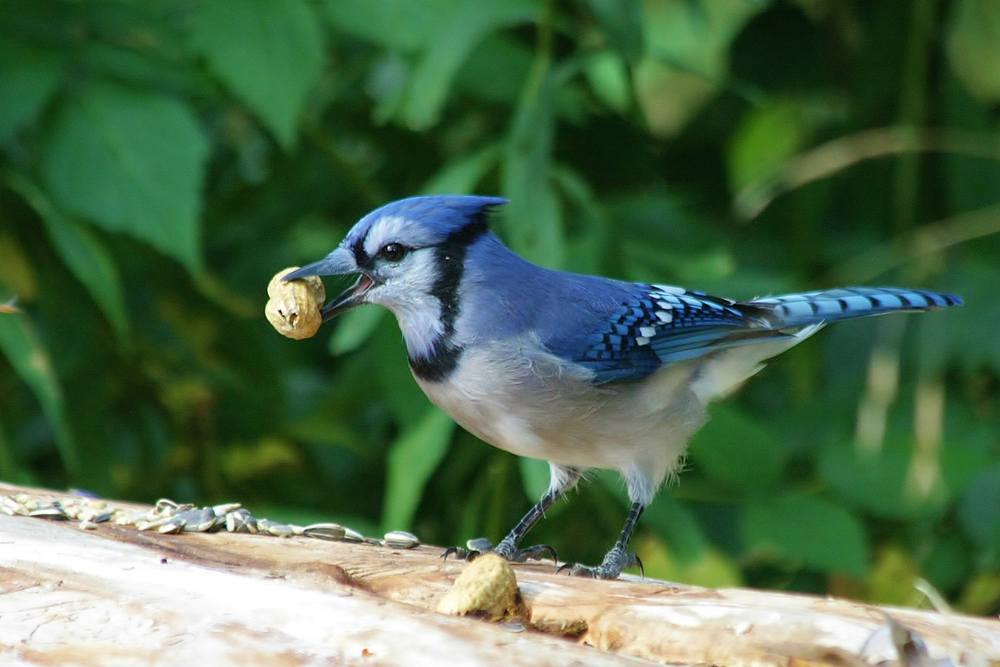
Bird feeders fill gaps when natural food is scarce. Different birds prefer different foods.
| Season | Feeders | Foods |
| Spring | Suet feeders, platform feeders | Mealworms, fruit pieces |
| Summer | Hummingbird feeders | Nectar, sliced fruits |
| Fall | Seed feeders, hopper feeders | Mixed seeds, nuts |
| Winter | Tube feeders, suet feeders | Black oil sunflower seeds, suet cakes |
Water Sources Through The Year
Water is vital for birds. Fresh water attracts them for drinking and bathing.
- Spring: Use shallow birdbaths with fresh water.
- Summer: Add drippers or misters to keep water cool.
- Fall: Clean water containers often to prevent mold.
- Winter: Use heated birdbaths to stop water from freezing.

Credit: www.allaboutbirds.org
Birdwatching Tips For Each Season
Birdwatching is a fun hobby all year round. Each season brings different birds and chances to see them.
Knowing when and how to watch birds in each season helps you enjoy the best views and sounds.
Spring Spotting Techniques
Spring is a time when many birds return from migration. You can hear their songs and see bright colors.
Look for nests and baby birds. Birds are active in the early morning and late afternoon.
- Visit parks with blooming flowers
- Bring binoculars for better views
- Listen for bird songs to find them
- Wear light colors to blend in
Summer Observation Tips
Summer birds are busy raising their young. You may see more feeding and flying activity.
Watch near water sources. Birds drink and bathe often during hot days.
- Go birdwatching early to avoid heat
- Use shade and stay quiet to avoid scaring birds
- Look near ponds, lakes, or streams
- Bring water and sunscreen for yourself
Fall Viewing Strategies
Fall is migration time. Many birds travel to warmer places. You can see rare species passing by.
Watch in open fields and forests. Birds gather to rest and eat before flying further.
- Visit bird feeders with seeds and berries
- Check places with fruit trees
- Bring a notebook to record bird types
- Use binoculars to spot distant birds
Winter Birdwatching Advice
Winter birds are fewer but easier to see. They stay near food and shelter.
Feed birds to help them. Use sunflower seeds and suet. Watch quietly from a warm spot.
- Place feeders near trees or bushes
- Look for birds at dawn and dusk
- Wear warm clothes and boots
- Use a blind or hide to avoid scaring birds
Common Bird Species By Season
Bird watching is exciting all year. Different birds visit at different times. Knowing when to see them helps you enjoy nature more.
Each season brings unique bird species. Some come to breed, some to rest, and some to find food. Let's explore common birds by season.
Spring Visitors
Spring is a time when many birds return from warmer places. They come to build nests and raise chicks. Listen for their songs in the trees.
Common spring visitors include colorful and active species. They brighten gardens and parks with their presence.
- American Robin
- Northern Cardinal
- Eastern Bluebird
- Red-winged Blackbird
- Chickadee
Summer Residents
Summer birds stay to raise their young. They enjoy warm weather and plenty of food. You can see many flying and feeding during the day.
These birds are often more visible because they sing to protect their nests. They also bring life to your outdoor spaces.
- House Finch
- Goldfinch
- Baltimore Oriole
- Tree Swallow
- Wood Thrush
Fall Travelers
Fall is migration time. Birds fly south to find warmer places for winter. You can spot many species stopping to rest and eat.
Watching fall travelers is fun. They often travel in groups and show a mix of colors and sizes.
- Canada Goose
- Sandhill Crane
- Yellow-rumped Warbler
- Dark-eyed Junco
- Swainson’s Thrush
Winter Guests
Some birds come in winter from colder areas. They look for food and shelter. Feeding birds can help them survive the cold.
Winter guests add life to snowy scenes. They often eat seeds, berries, and suet from feeders.
- Dark-eyed Junco
- Snow Bunting
- Downy Woodpecker
- White-throated Sparrow
- Common Redpoll
Credit: www.ruralsprout.com
Frequently Asked Questions
When Is The Best Time To Attract Birds Outdoors?
The best time is during spring and early summer. Birds are active, mating, and searching for food. Mild weather and blooming plants attract more birds to your yard.
Which Seasons See The Highest Bird Activity?
Spring and fall have the highest bird activity. Spring is for nesting, while fall is for migration. These seasons offer great opportunities to observe diverse bird species.
How Does Weather Affect Bird Attraction?
Birds prefer mild, calm weather for feeding and nesting. Rain and strong winds reduce bird visits. Ideal conditions make birds more visible and active in your garden.
What Food Attracts Birds Year-round?
Seeds, suet, nectar, and fruit attract birds throughout the year. Different species prefer varied foods, so offering variety increases bird visits. Fresh water also encourages birds to stay longer.
Conclusion
Birds bring joy and beauty to any garden. Timing is crucial for attracting them. Spring offers a vibrant display of birdsong and activity. Fall provides a chance to see migratory species passing through. Summer is ideal for seeing young birds learning to fly.
Winter brings unique species searching for food and warmth. Each season offers a special experience for bird lovers. By understanding their habits, you can enjoy birds year-round. Plan your garden to attract these feathered friends. Plant native flowers and trees.
Provide food and water. Create a welcoming habitat for birds. Enjoy their presence and song throughout the year.


