Imagine turning your window into a lively bird-watching spot while helping the planet at the same time. Biodegradable window bird feeders let you do just that.
They bring colorful birds right to your glass without harming the environment. If you care about nature and want an easy way to enjoy wildlife every day, this idea is perfect for you. Keep reading to discover how these eco-friendly feeders work, why they matter, and how you can make your own.
Your window—and the birds—will thank you.
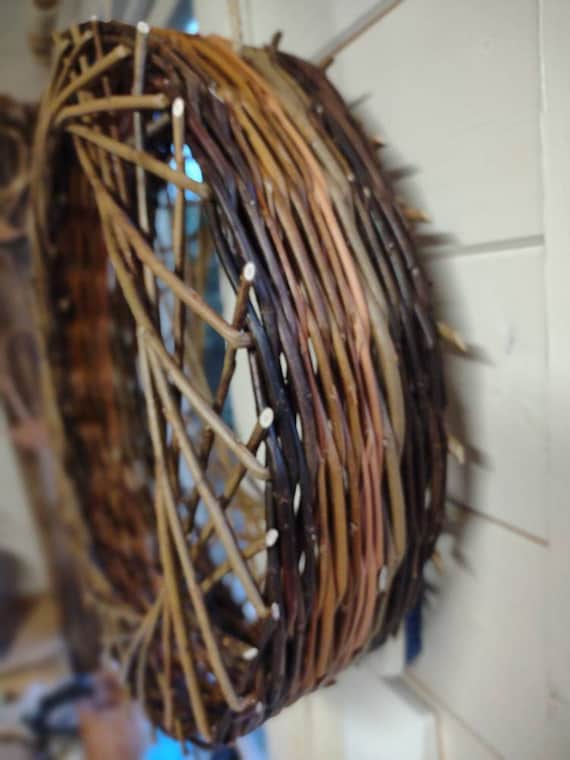
Credit: www.etsy.com
Benefits Of Biodegradable Feeders
Biodegradable window bird feeders offer many benefits for nature lovers. They help protect the environment and support bird safety.
These feeders break down naturally after use. This reduces harm to wildlife and the planet.
Reducing Plastic Waste
Plastic waste harms birds and the environment. Biodegradable feeders avoid this problem by using natural materials.
- Break down quickly without leaving toxic residue
- Reduce the amount of plastic in landfills
- Help keep parks and gardens clean
- Lower pollution in waterways and soil
Safe For Birds And Environment
These feeders are made from bird-friendly materials. They do not contain harmful chemicals or sharp edges.
| Feature | Benefit for Birds | Environmental Impact |
| Natural Fibers | Safe to perch on | Biodegrades easily |
| No Plastic | Reduces ingestion risk | Less pollution |
| Non-toxic Glue | Prevents poisoning | Safe for soil and water |
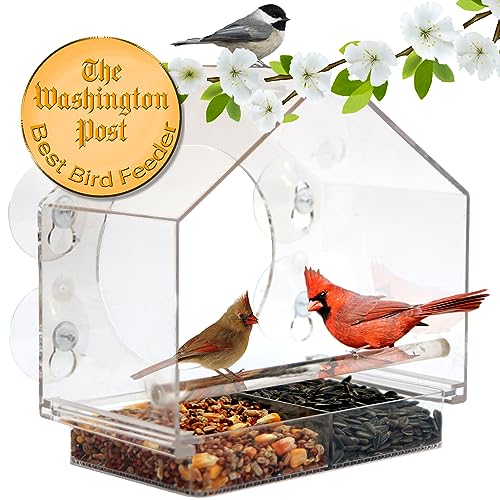
Credit: qmcc.org
Materials Used In Biodegradable Feeders
Biodegradable window bird feeders use safe materials that break down naturally. These feeders help protect birds and the environment.
The materials come from plants and natural fibers. They avoid plastics and harmful chemicals.
Natural Fibers And Plant-based Options
Natural fibers like cotton, jute, and hemp form the main parts of many feeders. These fibers are strong and decompose easily.
Plant-based materials such as bamboo and wood also serve as durable parts. They provide structure without polluting nature.
- Cotton: soft and flexible for mesh feeders
- Jute: rough and sturdy for hanging loops
- Hemp: durable and eco-friendly
- Bamboo: lightweight wood for frames
- Wood: natural base or support parts
Compostable Components
Compostable parts break down fully in soil. These parts return nutrients to the earth after use.
Common compostable materials include cardboard, paper, and plant-based adhesives. They keep feeders eco-friendly.
- Cardboard: used for packaging or base layers
- Paper: often recycled for protective layers
- Plant-based glue: binds parts without chemicals
- Natural twine: ties parts without plastic
Designs That Attract Birds
Biodegradable window bird feeders offer a safe way to feed birds up close. Their designs help attract different bird species to your window.
These feeders use natural materials and shapes to invite birds while protecting the environment. Design matters for bird comfort and attraction.
Window Attachment Styles
Window bird feeders attach in various ways to keep them stable and safe for birds. Each style affects how birds approach and feed.
Suction cups are common and easy to place. Some feeders use magnets or clips for stronger hold.
- Suction cups allow easy removal and cleaning.
- Magnets hold feeders firmly on metal window frames.
- Clips secure feeders on thicker window edges.
- Strong attachment reduces feeder movement in wind.
Shapes And Sizes For Different Species
Birds prefer feeders that fit their size and feeding style. Shapes and sizes can attract small or larger birds.
Feeders come in round, tube, or platform shapes. Each design suits certain bird species better.
- Small round feeders attract finches and chickadees.
- Tube feeders suit nuthatches and titmice.
- Platform feeders welcome cardinals and doves.
- Size affects how many birds feed at once.
Setting Up Your Feeder
Setting up a biodegradable window bird feeder is easy and fun. It lets you watch birds up close while helping nature.
This guide will help you place and care for your feeder so birds stay safe and happy.
Choosing The Right Location
Pick a window that gets some sunlight but not too much heat. Birds like places where they feel safe.
Make sure the feeder is easy to reach for filling and cleaning. Avoid spots near busy doors or loud noises.
- Choose a clean window with good sunlight
- Place feeder where birds can hide nearby
- Avoid windy or noisy spots
- Keep feeder within arm’s reach for care
Filling And Maintaining The Feeder
Fill your feeder with fresh bird seed suitable for your local birds. Use small amounts to keep the seed fresh.
Clean the feeder every few days with warm water. Avoid harsh chemicals to protect birds and the environment.
- Use fresh seed that local birds like
- Fill only enough to avoid waste
- Clean feeder every 3–4 days
- Use mild soap or just warm water
- Check feeder for damage or mold
Bird Species To Expect
Biodegradable window bird feeders bring birds close to your home. They attract many small bird species.
You can enjoy watching birds while helping the environment. These feeders offer safe feeding spots for birds.
Common Backyard Visitors
Many birds visit window feeders in backyards. These birds are easy to spot and enjoy seeds and suet.
Look for these common birds near your window feeder:
- House Sparrows
- Chickadees
- Finches
- Cardinals
- Wrens
- Nuthatches
Seasonal Birdwatching Tips
Bird types change with the seasons. Watch for different species in spring, summer, fall, and winter.
Use these tips for better birdwatching all year:
- Spring: Look for bright colors and singing birds
- Summer: Watch for young birds learning to feed
- Fall: Spot birds preparing to migrate
- Winter: Feed birds that stay through cold months
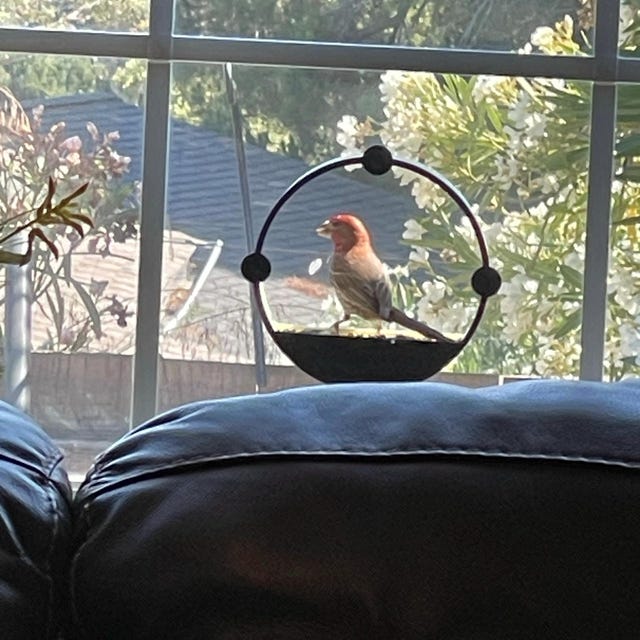
Credit: www.etsy.com
Diy Biodegradable Feeder Ideas
Making your own biodegradable window bird feeder is fun and good for nature. These feeders break down naturally and do not harm birds or the environment.
You can create feeders using simple materials found at home. These ideas help you enjoy bird watching while protecting the planet.
Simple Craft Projects
One easy project is to use pine cones coated with peanut butter and birdseed. Hang them by a string near your window for birds to enjoy.
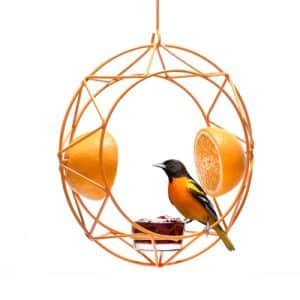
You can also make feeders from orange halves. Fill them with seeds and place them on a small dish or hang with twine.
- Use natural twine or string for hanging
- Choose bird-friendly seeds like sunflower or millet
- Place feeders where birds can safely land
Using Recycled Natural Materials
Old paper tubes, like toilet paper rolls, can turn into bird feeders. Spread peanut butter on them and roll in birdseed.
Another idea is to use coconut shells. Clean them and fill with seeds. They are sturdy and break down over time.
- Recycle cardboard or paper tubes
- Use natural spreads like peanut butter or honey
- Choose shells or containers that will biodegrade
Environmental Impact And Sustainability
Biodegradable window bird feeders help protect the environment. They reduce plastic waste and break down naturally.
Using these feeders supports a greener lifestyle. They keep harmful materials out of landfills and oceans.
Lifecycle Of Biodegradable Feeders
These feeders start from natural materials like paper and plant fibers. They are safe to use and compostable after use.
- Made from renewable resources
- Used to feed birds safely at windows
- Break down in soil within months
- Leave no harmful residues
- Help reduce plastic pollution
Supporting Wildlife Conservation
Biodegradable feeders create safe feeding spots for birds close to homes. They help bird populations thrive by providing food sources.
| Benefit | Impact |
| Safe materials | Protect birds from toxins |
| Natural breakdown | Reduces environmental harm |
| Encourages bird feeding | Supports local bird species |
| Less plastic waste | Improves habitat quality |
Frequently Asked Questions
What Are Biodegradable Window Bird Feeders Made Of?
Biodegradable window bird feeders are made from natural materials like seeds, gelatin, and fruit. These components safely break down without harming the environment, unlike plastic alternatives.
How Do Biodegradable Feeders Benefit Birds And Nature?
They provide a safe feeding option without toxic chemicals. After use, they decompose naturally, reducing pollution and helping preserve bird habitats and local ecosystems.
Can Biodegradable Feeders Stick Well To Glass Windows?
Yes, these feeders often use natural, non-toxic adhesives or suction cups that securely attach to glass. This design ensures birds can feed safely close to your window.
Are Biodegradable Window Feeders Easy To Clean And Maintain?
Yes, they require minimal cleaning. Since they break down naturally, disposal is simple. Regular window cleaning ensures a clear view and hygiene for birds.
Conclusion
Biodegradable window bird feeders offer a wonderful way to enjoy nature. They provide an eco-friendly solution for bird lovers. Watching birds up close becomes easy and enjoyable. These feeders blend well with the environment. They also reduce plastic waste. A great choice for nature enthusiasts.
Easy to install and maintain. Birds will love visiting your window. You can help protect the environment too. Choose biodegradable feeders for a greener planet. Experience the joy of birdwatching at home. Enjoy every chirp and flutter of wings. Make a positive impact on nature today.