Are you looking to bring more life and color to your garden? Bird boxes to attract birds are a simple way to invite nature right to your doorstep.
Imagine waking up to the cheerful songs of birds or watching baby birds take their first flight. With the right bird box, you can create a safe haven for these feathered friends. You’ll discover how to choose and place bird boxes that make your outdoor space a lively sanctuary.
Ready to turn your garden into a bird paradise? Let’s dive in!
Choosing The Right Bird Box
Bird boxes help create a safe place for birds to nest. Picking the right box attracts more birds to your garden.
Different birds need different boxes. This guide covers materials, size, and types for various species.
Materials And Durability
Choose bird boxes made from durable materials. Wood is a popular choice as it keeps birds warm and safe.
- Avoid thin plastic boxes that can overheat
- Wooden boxes last longer and blend well with nature
- Make sure the box has good ventilation
- Check for weather resistance to protect from rain
Size And Entrance Hole
Size matters for the bird box and the entrance hole. Too big or too small can stop birds from nesting.
| Bird Species | Box Size (Inches) | Entrance Hole Diameter (Inches) |
| Blue Tit | 5 x 5 x 8 | 1 1/8 |
| Great Tit | 6 x 6 x 10 | 1 1/4 |
| Robin | 5 x 5 x 8 | Open Front |
| House Sparrow | 6 x 6 x 12 | 1 1/2 |
Types For Different Bird Species
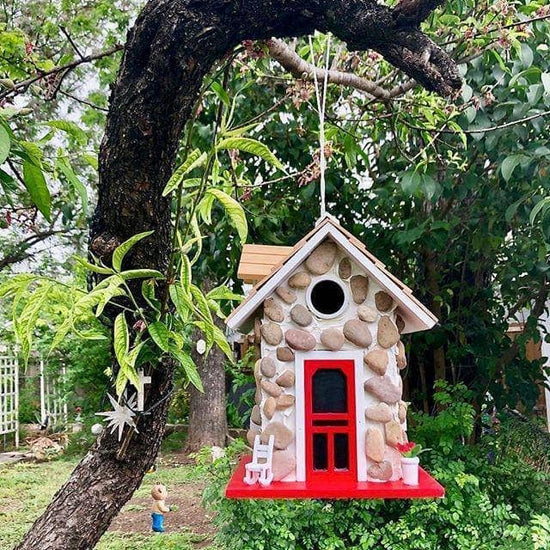
Bird boxes come in many styles. Each style suits certain birds better than others.
- Standard nest boxes for cavity nesters like tits and sparrows
- Open-front boxes for robins and wrens
- Special designs for larger birds like owls

Credit: www.harrowsmithmag.com
Best Locations For Bird Boxes
Placing bird boxes in the right spots helps attract more birds. Birds look for safe and comfortable places to nest.
Choosing the best location makes a big difference. It keeps birds safe and encourages them to stay nearby.
Height And Placement
Bird boxes should be at the right height for each bird species. Most birds like their nests high up and out of reach.
Place the box where birds can easily enter but predators cannot. Avoid crowded places or spots with too much noise.
- Mount boxes 5 to 12 feet above the ground
- Face the entrance away from strong winds and rain
- Attach boxes to sturdy trees or poles
- Keep the entrance clear of branches and leaves
Avoiding Predators
Predators like cats, squirrels, and larger birds can harm nesting birds. Protecting the bird box is important.
Use safe methods to keep predators away without harming them. This helps birds raise their young safely.
- Install metal predator guards around the box
- Keep boxes away from low branches or fences
- Do not place boxes near bird feeders that attract predators
- Clear the area below the box from hiding spots
Ideal Surrounding Environment
Birds prefer boxes near natural food and water sources. A quiet and green area invites more birds.
Plant native trees and shrubs nearby to provide shelter and food. Avoid areas with heavy human traffic.
- Place boxes near bushes, trees, or gardens
- Choose spots with fresh water nearby
- Avoid noisy or busy places like playgrounds or roads
- Keep the area clean and free of pesticides
Building Your Own Bird Box
Building a bird box is a fun way to attract birds to your garden. It offers them a safe place to nest. Making your own bird box lets you customize the size and style.
You do not need many tools or materials. With some simple instructions, you can create a cozy home for birds.
Tools And Materials Needed
- Wooden boards (untreated pine or cedar)
- Wood screws or nails
- Hammer or screwdriver
- Hand saw or jigsaw
- Drill with drill bits
- Sandpaper
- Measuring tape
- Pencil
- Paintbrush (optional for non-toxic paint)
Step-by-step Construction
- Cut the wooden boards to the right size for the box sides, floor, roof, and front with an entrance hole.
- Sand the edges to avoid splinters for the birds and yourself.
- Drill ventilation holes near the top on the sides of the box.
- Attach the sides to the floor using screws or nails.
- Fix the front board with the entrance hole in place.
- Make the roof removable or hinged for easy cleaning later.
- Optionally, paint the outside with non-toxic paint to protect the wood.
- Mount the bird box on a tree or post at least 5 feet high.
Safety And Maintenance Tips
| Tip | Why It Matters |
| Use untreated wood | Prevents harmful chemicals near birds |
| Place box away from predators | Keeps eggs and chicks safe |
| Clean box yearly | Removes parasites and old nests |
| Avoid bright colors | Reduces stress for birds |
| Check box stability | Prevents fall or damage |

Credit: www.amazon.ca
Attracting Birds To Your Box
Bird boxes provide safe homes for birds. Attracting birds to your box helps support local wildlife. You can make your garden a bird-friendly space.
Understanding what birds need is key. Food, water, and shelter all matter. Simple changes in your garden can invite many birds.
Food And Water Sources
Birds come to places with easy food and water. Providing these helps attract them to your box. Offer a variety of foods for different birds.
- Use bird feeders with seeds like sunflower and millet
- Place a shallow water dish nearby for drinking and bathing
- Plant berry bushes such as elderberry and holly
- Avoid pesticides that can harm bird food sources
Plants And Habitat Enhancements
Plants create shelter and nesting spots. They also attract insects birds eat. Use native plants to match local bird needs.
| Plant Type | Benefit for Birds |
| Flowering shrubs | Provide nectar and attract insects |
| Berry bushes | Offer fruit food in fall and winter |
| Tall grasses | Give cover and nesting material |
| Deciduous trees | Supply insects and shelter |
Seasonal Considerations
Bird needs change with seasons. Adjust food and shelter to match these changes. Keep boxes clean for new nests each year.
Seasonal Tips for Bird Boxes
- Spring: Clean boxes and check for damage
- Summer: Provide fresh water daily
- Fall: Add nesting materials like dry leaves
- Winter: Offer high-energy foods like suet
Common Bird Species Using Boxes
Bird boxes help many birds find safe places to nest. Different bird species prefer different box sizes and shapes.
Knowing which birds use boxes can help you choose the right one for your garden or yard.
Blue Tits And Great Tits
Blue tits and great tits are small birds that like to nest in boxes. They prefer boxes with small entrance holes.
These birds often use boxes in spring to lay eggs. They help control insects in your garden.
- Entrance hole size: 25mm for blue tits, 28mm for great tits
- Box height: about 20-30 cm
- Place boxes 2-3 meters above ground
Wrens And Sparrows
Wrens and sparrows like to nest in boxes with wider entrances. They often choose boxes near bushes or trees.
They can use boxes in small groups. Wrens are very active and noisy around their nests.
- Entrance hole size: 32mm or open front for wrens
- Box size: smaller for wrens, larger for sparrows
- Place boxes in sheltered spots
Owls And Other Larger Birds
Owls and other large birds need bigger boxes. These boxes must be sturdy and placed high up.
Owls use boxes for shelter and raising chicks. They help control rodents in the area.
- Box size: large, often over 40 cm tall
- Entrance hole: about 10 cm wide
- Place boxes at least 4 meters above ground
Monitoring And Caring For Bird Boxes
Bird boxes help birds find safe places to nest. Caring for them keeps birds healthy.
Regular checks protect birds from harm. Watch for damage or unwanted guests.
Cleaning And Inspection
Clean bird boxes after each nesting season. Use gloves and mild soap with water.
Look inside for old nests, dirt, or damage. Fix cracks or loose parts quickly.
Dealing With Parasites And Predators
- Check boxes for mites, ticks, or fleas regularly.
- Remove parasites carefully and clean the box well.
- Place boxes away from places predators can reach easily.
- Use predator guards to protect entrances.
- Trim nearby branches to stop cats or squirrels from jumping in.
Record Keeping And Bird Watching Tips
Keep a notebook or log of bird visits and nesting activity. Note dates and bird types.
| Date | Bird Species | Activity Observed |
| April 10 | Blue Tit | Nest building |
| May 1 | Great Tit | Feeding chicks |
| May 15 | House Sparrow | Fledging chicks |

Credit: www.amazon.ca
Frequently Asked Questions
What Types Of Birds Use Bird Boxes Most Often?
Bird boxes attract cavity-nesting birds like blue tits, chickadees, wrens, and sparrows. These birds seek safe, enclosed spaces for nesting. Different box sizes suit different species. Providing the right entrance hole size increases box usage. Placement and height also influence which birds visit.
How Do I Choose The Right Bird Box Size?
Select a bird box size based on target bird species. Smaller boxes suit small birds like wrens. Larger boxes attract bigger birds such as owls. Entrance hole diameter matters for species safety. Check species-specific guidelines for optimal box dimensions.
Where Should I Place Bird Boxes For Best Results?
Place bird boxes 5-15 feet high on trees or poles. Avoid direct sunlight and strong winds. Position boxes away from bird feeders to reduce predator risks. Ensure clear flight paths and partial shade. Facing entrance holes away from prevailing winds improves success.
How Do I Maintain Bird Boxes To Keep Birds Safe?
Clean bird boxes annually after breeding season. Remove old nests and debris to prevent parasites. Use mild disinfectants and rinse thoroughly. Check for damage and repair holes or loose parts. Proper maintenance ensures safe nesting conditions year after year.
Conclusion
Bird boxes make your garden lively. Birds find them welcoming and safe. Choose the right size and place for best results. Paint them in natural colors for better camouflage. Clean regularly to keep them inviting. Different birds prefer different designs.
Research local bird species for ideal choices. Watching birds brings joy and relaxation. Enhance your outdoor space with these simple additions. Enjoy the beauty and sounds of nature right at home. Bird boxes truly enrich your garden experience. Happy birdwatching!