Have you ever wished you could bring more life and color right to your backyard? Imagine waking up to the cheerful songs of birds, watching them flutter from tree to tree, and knowing you played a part in protecting these beautiful creatures.
Bird conservation in your backyard isn’t just a dream—it’s something you can start today. By making small, simple changes, you can create a safe haven that helps birds thrive. Keep reading to discover easy steps that will turn your outdoor space into a bird-friendly paradise, and learn how your actions can make a real difference for nature.
Credit: arocha.ca
Why Backyard Bird Conservation Matters
Birds play an important role in nature and help keep ecosystems healthy. Protecting birds in your backyard supports their survival.
Many birds face threats like habitat loss and pollution. Your backyard can be a safe place for them to live and thrive.
Supports Local Ecosystems
Birds help control insects and spread seeds. This keeps plants and trees healthy in your area.
When you protect birds, you also help many other small animals and plants. This keeps your backyard balanced.
Helps Bird Populations Grow
Backyards can be safe spaces for birds to find food and shelter. This helps bird numbers increase.
Providing water and native plants supports birds through tough seasons. It gives them a better chance to survive.
Offers Learning Opportunities
Watching birds teaches people about nature and wildlife. It helps children and adults appreciate the environment.
Bird conservation in your backyard can inspire others to protect birds too. It spreads awareness in your community.
Improves Mental Well-being
Bird watching can reduce stress and increase happiness. It connects people with the outdoors and nature’s beauty.
Having birds visit your yard creates a peaceful and lively environment. It makes your home feel more welcoming.

Credit: www.birdwatchingdaily.com
Identifying Local Bird Species
Knowing the birds that visit your backyard helps protect them better. You can learn about their habits and needs.
Identifying local birds is fun and helps you watch nature closely. Use simple ways to spot different species.
Observe Bird Size And Shape
Bird size and shape are easy clues to identify species. Notice if the bird is small, medium, or large.
Look at the shape of the beak, tail, and wings. These features help tell birds apart.
- Small birds like sparrows have short beaks
- Large birds like hawks have hooked beaks
- Long tails might mean a bird like a jay
Notice Bird Colors And Patterns
Bird colors and patterns are useful for quick ID. Some birds have bright colors, others are plain.
Check for stripes, spots, or patches on wings and head. These details help separate similar birds.
- Cardinals have bright red feathers
- Chickadees show black caps on heads
- Woodpeckers often have spots or stripes
Listen To Bird Sounds
Bird calls and songs are good clues for ID. Each species has unique sounds.
Try to learn common bird songs in your area. Sounds help identify birds even when you cannot see them well.
- Sparrows make short, chirpy sounds
- Robins sing clear, melodic tunes
- Owls hoot at night
Use Local Bird Guides
Bird guides show pictures and facts about local species. You can find books or apps for your area.
These guides help confirm what you see and hear. Keep one handy while watching birds in your backyard.
- Identify birds by matching photos
- Learn about bird habits and habitats
- Get tips on attracting local birds
Creating Bird-friendly Habitats
Birds need safe places to live and find food. You can help by making your backyard friendly for birds.
Simple changes can attract many birds. Start by planting the right plants, offering fresh water, and providing shelter.
Planting Native Flora
Native plants give birds the food and shelter they need. These plants grow well without much care.
- Choose shrubs and trees with berries or seeds.
- Plant flowers that attract insects for birds to eat.
- Keep some areas with natural ground cover for nesting.
Providing Water Sources
Birds need clean water for drinking and bathing. A good water source can bring many birds to your yard.
| Water Source | Tips |
|---|---|
| Birdbath | Keep water fresh and change it every few days. |
| Small Pond | Add stones for birds to perch on safely. |
| Dripper or Fountain | Moving water attracts more birds. |
Setting Up Bird Feeders And Houses
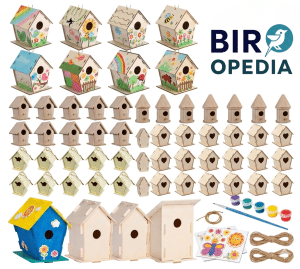
Feeders and houses give birds food and shelter. Place them where birds feel safe and can watch for danger.
- Use different feeders for seeds, suet, and nectar.
- Clean feeders regularly to stop disease.
- Put birdhouses in quiet spots away from predators.
- Make sure houses have proper holes for local bird species.
Avoiding Common Backyard Hazards
Backyards are great places for birds to visit and live. But some things in yards can hurt birds without us knowing. We can help keep birds safe by changing a few habits and things in our yards.
Simple steps can stop many accidents and dangers. This guide shows easy ways to avoid common backyard hazards for birds.
Reducing Window Collisions
Birds often fly into windows because they see reflections of trees or sky. These crashes can cause serious injury or death. We can make windows easier for birds to see and avoid.
Use stickers or decals on windows to break up reflections. Move bird feeders closer to windows so birds fly slower and avoid hard hits. Close blinds or curtains when not in use to reduce reflection.
- Place decals in a grid or pattern with 2-4 inch spacing
- Use external screens or netting on windows
- Keep feeders within 3 feet or more than 30 feet from windows
Keeping Pets Safe
Cats and dogs can harm birds, especially if left unsupervised outside. Birds may not see pets as threats until it is too late. Keeping pets safe also helps protect birds.
Keep cats indoors or in cat enclosures. Watch pets closely when outside. Teach dogs to avoid chasing birds. These actions reduce bird injuries and deaths.
- Build a “catio” or outdoor cat enclosure
- Use leashes for dogs in bird areas
- Provide toys and distractions for pets inside
Limiting Use Of Pesticides
Pesticides can poison birds and reduce the insects they eat. Avoiding or limiting pesticide use helps birds stay healthy and find food. Choose safer ways to manage pests in your yard.
Use natural pest control methods like planting pest-repelling plants. Remove weeds by hand. Encourage beneficial insects that eat pests. These steps protect birds and the environment.
- Plant marigolds or garlic to repel bugs
- Use neem oil or insecticidal soap as safer options
- Keep garden soil healthy to reduce pests naturally
Seasonal Tips For Bird Care
Birds need different care during each season. Helping them in your backyard keeps them healthy.
Learn easy tips for winter, spring, summer, and fall to support local birds all year.
Winter Feeding Strategies
Winter is hard for birds because food is scarce. Offer high-energy foods to help them survive cold days.
Keep feeders clean and place them where birds feel safe from predators.
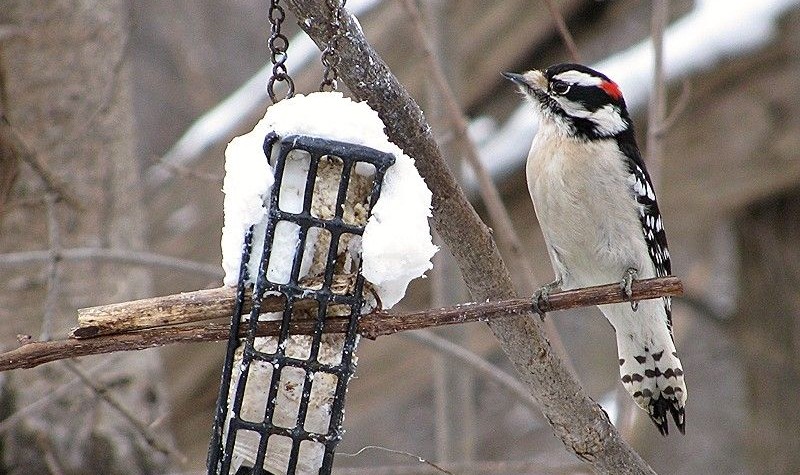
- Use suet, sunflower seeds, and peanuts for energy
- Provide fresh water that does not freeze
- Clean feeders weekly to prevent disease
- Place feeders near shrubs or trees for shelter
Spring Nesting Support
Spring is nesting time. Birds build nests and raise chicks. Provide safe places and clean water.
Avoid disturbing nests and keep cats indoors to protect young birds.
- Put up birdhouses for cavity-nesting birds
- Plant native shrubs and trees for natural shelter
- Keep water sources fresh and shallow
- Limit pesticide use to keep insects safe for birds
Summer And Fall Maintenance
Summer and fall are times to keep feeders clean and water fresh. Birds prepare for migration or winter.
Remove old nests and check birdhouses to prevent pests. Offer food to help birds gain strength.
- Clean feeders and birdbaths regularly
- Remove old nests after birds leave
- Provide seeds and berries for fall energy
- Keep water available on warm days
Engaging Community In Bird Conservation
Bird conservation needs many people working together. Communities can help protect birds in their backyards. Everyone can join in simple ways.
Getting involved creates a strong network. It helps birds live safely near us. Here are ways to engage your community.
Joining Local Birdwatching Groups
Local birdwatching groups bring people with the same interest. They share knowledge and enjoy watching birds together. Joining these groups is easy and fun.
- Meet regularly to explore local parks and gardens
- Learn to identify different bird species
- Share bird sightings and photos
- Attend workshops on bird care and habitat
Participating In Citizen Science
Citizen science helps collect important data about birds. Anyone can join projects that track bird numbers and migration. This data guides conservation efforts.
| Project | Activity | How to Join |
| Bird Count | Count birds in your backyard | Register online, report sightings |
| Migration Tracker | Record bird movements | Use mobile app to log data |
| Nest Watch | Observe and report nest activity | Sign up for local programs |
Educating Neighbors And Friends
Sharing knowledge helps others care for birds. You can teach neighbors simple ways to protect birds at home. This spreads awareness and action.
- Host backyard birdwatching events
- Distribute flyers about bird-friendly plants
- Show how to build bird feeders or houses
- Explain the dangers of pesticides and pollution
Credit: naturecanada.ca
Frequently Asked Questions
What Are The Best Plants For Backyard Bird Conservation?
Native plants are ideal for bird conservation. They provide natural food, shelter, and nesting sites. Choose berry-producing shrubs and nectar-rich flowers to attract diverse bird species.
How Can I Create A Bird-friendly Backyard Habitat?
Provide fresh water, native plants, and safe nesting areas. Avoid pesticides and keep feeders clean. Create varied vegetation layers to support different bird needs.
Why Is Bird Conservation Important In Backyards?
Backyard conservation supports local bird populations and biodiversity. It helps protect species from habitat loss and provides essential resources for survival.
What Feeders Attract The Most Backyard Birds?
Feeders with seeds like sunflower, nyjer, and millet attract many birds. Use suet feeders for insect-eating birds. Clean feeders regularly to prevent disease.
Conclusion
Creating a bird-friendly backyard is simple and rewarding. Birds bring joy and beauty. Provide clean water and food. Plant native trees and shrubs. These actions support bird conservation efforts. Small changes can make a big difference. Your backyard can become a haven for birds.
Enjoy watching them thrive. Share your success with friends and neighbors. Encourage them to join in. Together, we can protect these wonderful creatures. Start today and see the positive impact. Your efforts matter.