
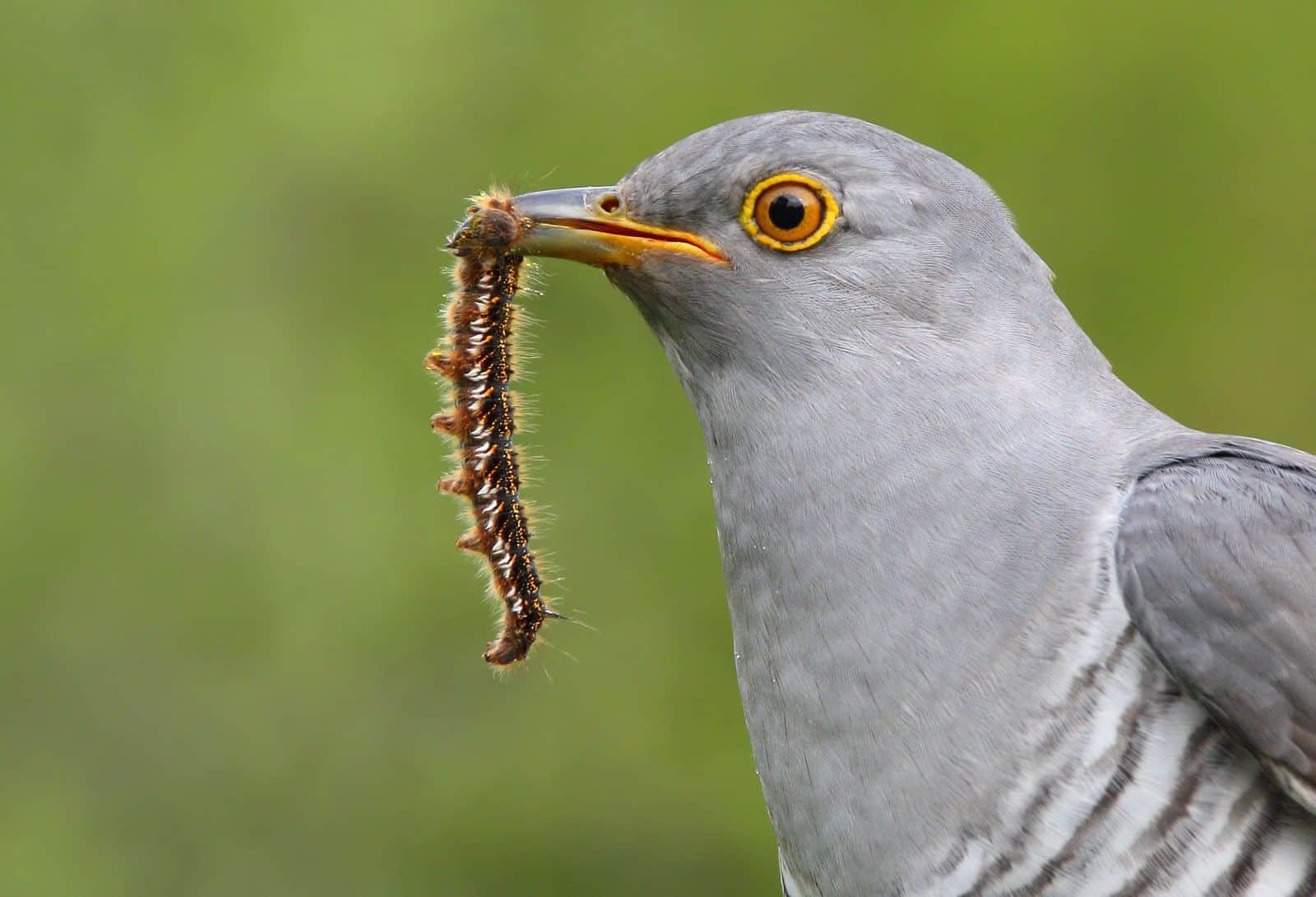
Have you ever wondered which bird in the rainforest loves to eat worms? If you’re curious about the secret meals hidden beneath the dense green canopy, you’re in the right place.
Knowing what birds eat can change how you see the rainforest and its amazing food chain. Keep reading, and you’ll discover fascinating facts about these worm-eating birds that might surprise you—and next time you think about the rainforest, you’ll picture it in a whole new way.

Credit: www.willyswilderness.org
Birds That Feast On Rainforest Worms
Many birds in the rainforest eat worms as a main part of their diet. Worms provide important nutrition for these birds. They live in the moist soil and fallen leaves.
This article describes some common birds that hunt worms in the rainforest. These birds use their sharp beaks and quick movements to find worms.
Woodcreepers
Woodcreepers are small to medium birds that climb tree trunks. They use their curved beaks to dig into bark and soil.
They often find worms hiding under the bark or inside rotten wood. Woodcreepers eat many worms to stay strong.
Antbirds
Antbirds follow army ants to find food. They eat worms that come out during the ants’ movement.
These birds have sharp eyesight and quick reflexes. They catch worms quickly from the forest floor.
Toucans
Toucans use their large beaks to pick worms from the ground or tree bark. Their beaks help reach deep places.
They eat worms as a protein source along with fruits. Toucans play an important role in the rainforest food chain.
Flycatchers
Flycatchers hunt insects and worms by perching and waiting. They spot worms moving in the leaf litter.
These birds use their quick beak snaps to catch worms fast. Worms add energy for their long flights.
Manakins
Manakins are small birds that search for worms on the forest floor. They hop and peck to find hidden worms.
Worms help manakins grow strong for their fast courtship dances. These birds depend on worms for good health.
Common Worm-eating Birds In Rainforests
Many birds in rainforests eat worms as a key part of their diet. Worms provide protein and energy for these birds. They find worms in the wet soil and leaf litter on the forest floor.
This article describes three groups of birds that commonly eat worms in rainforests. Each group has special ways to find and eat worms.
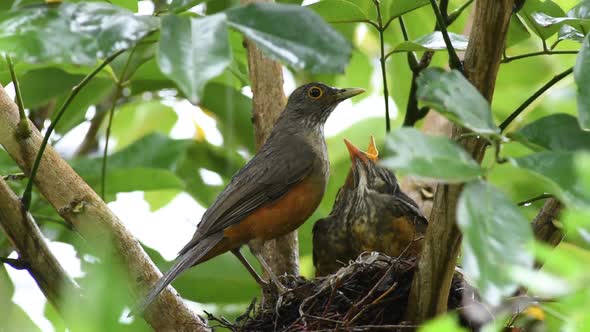
Ground Thrushes
Ground thrushes live mainly on the forest floor. They use their strong legs to scratch the soil and find worms hiding under leaves. These birds have sharp eyes to spot moving worms quickly.
They eat a variety of worms and insects. Their feeding helps keep the soil healthy by moving and aerating it.
Antpittas
Antpittas are small to medium-sized birds. They hop on the ground and listen for worms moving underground. Antpittas use their strong beaks to dig and pull worms out of the soil.
- Hunt mostly at dawn and dusk
- Use calls to communicate during feeding
- Live in dense forest undergrowth
- Feed on earthworms and other soft-bodied invertebrates
Oropendolas
Oropendolas are larger birds often found in the canopy and forest edges. They eat worms but also feed on fruits and insects. These birds use their long, curved bills to reach into bark and soil for worms.
| Species | Worm Eating Method | Habitat |
| Chestnut-headed Oropendola | Probes soil and bark | Forest edges and clearings |
| Monteiro’s Oropendola | Forages on ground and trees | Lowland rainforests |
| Olive Oropendola | Uses bill to extract worms | Dense rainforest canopy |
Special Adaptations For Worm Hunting
Birds in the rainforest have special traits to catch worms. These traits help them find and eat worms easily.
These adaptations improve their chances to survive in dense and wet environments.
Beak Shape And Function
Many worm-eating birds have long, thin beaks. This shape helps them reach deep into the soil or leaf litter.
The beak is also strong enough to pull worms out of the ground without breaking.
- Long beak reaches deep tunnels
- Sharp tip grabs slippery worms
- Strong muscles help pull worms out
Foraging Techniques
Birds use special ways to find worms hidden underground. They often probe the soil carefully.
Some birds tap the ground to hear movements before digging. Others turn over leaves to spot worms.
- Probing soil with beak
- Listening for worm movements
- Flipping leaves and debris
Sensory Adaptations
Birds have keen senses to detect worms underground. Their eyesight and hearing are very sharp.
Some birds can sense vibrations or smell the soil to find worm locations.
- Sharp eyesight to spot subtle signs
- Good hearing for underground sounds
- Sensitivity to soil vibrations
- Strong sense of smell in some species
Credit: videohive.net
Role Of Worm-eating Birds In Rainforest Ecosystems
Birds that eat worms play an important part in rainforest life. They help keep the ecosystem balanced and healthy.
By feeding on worms, these birds affect the soil and plants around them. This helps many other creatures in the forest.
Soil Aeration And Pest Control
Worm-eating birds dig and search for food on the ground. This digging helps air reach the soil.
Air in the soil helps plant roots grow strong. It also helps tiny animals live in the dirt.
These birds also eat insects and pests. This keeps harmful bugs from hurting plants and trees.
- Birds dig soil to find worms
- Digging allows air into the ground
- Birds eat pests that damage plants
Nutrient Cycling
When birds eat worms, they help move nutrients in the soil. Worms break down dead plants and animals.
Birds help spread nutrients through their droppings. This makes the soil richer for plants to grow.
- Worms break down dead matter in soil
- Birds eat worms and recycle nutrients
- Bird droppings add nutrients back to soil
Seasonal And Environmental Factors Affecting Diet
Birds that eat worms in the rainforest change their diet with the seasons. The environment affects worm availability and bird feeding habits.
Understanding these factors helps explain why some birds eat more worms at certain times of the year.
Rainfall Impact On Worm Availability
Rainfall affects how many worms come to the surface. Heavy rain makes the soil wet and soft, helping worms move around. Birds find it easier to catch worms then.
- During rainy seasons, worm numbers near the ground increase.
- Dry seasons reduce worm activity and availability.
- Too much rain can flood worm tunnels and reduce their numbers temporarily.
- Birds adjust feeding areas based on worm presence caused by rain.
Bird Migration And Feeding Patterns
Many rainforest birds migrate to find food. They follow worms and other prey that appear with changing weather and seasons.
| Season | Bird Activity | Worm Availability |
| Wet Season | Active feeding near ground | High |
| Dry Season | Move to wetter areas or eat other foods | Low |
| Transition Period | Mixed diet, less worm eating | Medium |
Conservation Of Worm-eating Bird Species
Birds that eat worms in the rainforest play a key role in the ecosystem. They help control worm populations and spread seeds. Protecting these birds is important for a healthy rainforest.
Many worm-eating birds face dangers that could harm their survival. Conservation efforts help keep their habitats safe and support their populations.
Threats From Habitat Loss
Rainforest areas where worm-eating birds live are shrinking. Trees are cut down for farming, logging, and cities. This reduces places where birds find food and shelter.
Loss of habitat also breaks up bird communities. Birds may not find mates or safe nests. This makes it hard for their numbers to grow.
- Deforestation reduces food sources
- Fewer trees mean less shelter
- Habitat fragmentation isolates bird groups
Protection Efforts
Many groups work to protect worm-eating birds by saving rainforest land. They create parks and reserves to keep habitats safe. These areas help birds live and breed freely.
Education programs teach people why these birds matter. They encourage less harmful farming and logging. Laws also help stop illegal cutting of trees.
- Establish protected rainforest areas
- Promote sustainable land use
- Raise awareness about bird conservation
- Enforce laws against deforestation
Credit: fatbirder.com
Frequently Asked Questions
What Bird Species Eat Worms In The Rainforest?
Many rainforest birds eat worms, including thrushes, robins, and woodcreepers. They hunt worms on forest floors, benefiting from the rich soil habitat.
How Do Rainforest Birds Find Worms To Eat?
Rainforest birds use keen eyesight and sharp beaks to locate worms. They often listen for worm movements underground or look for disturbed soil.
Why Do Rainforest Birds Prefer Worms In Their Diet?
Worms provide essential protein and nutrients for birds. They are easy to catch, making worms a vital food source for many rainforest species.
Are Worms A Common Food For All Rainforest Birds?
Not all rainforest birds eat worms. Some prefer fruits, seeds, or insects. Worm-eating birds are usually ground foragers specialized for this diet.
Conclusion
Birds in the rainforest thrive on worms. They’re a crucial food source. Many species depend on them for survival. Worms provide essential nutrients for birds. This diet boosts their energy. It’s vital for their daily activities. Rainforest birds show diverse feeding habits.
Each species has unique preferences. The ecosystem remains balanced this way. Observing these birds reveals nature’s wonders. Next time, notice the rainforest’s vibrant life. Discover the intricate food web. Appreciate the delicate balance it maintains. Our understanding of these birds grows.
And with it, our respect for nature.



