
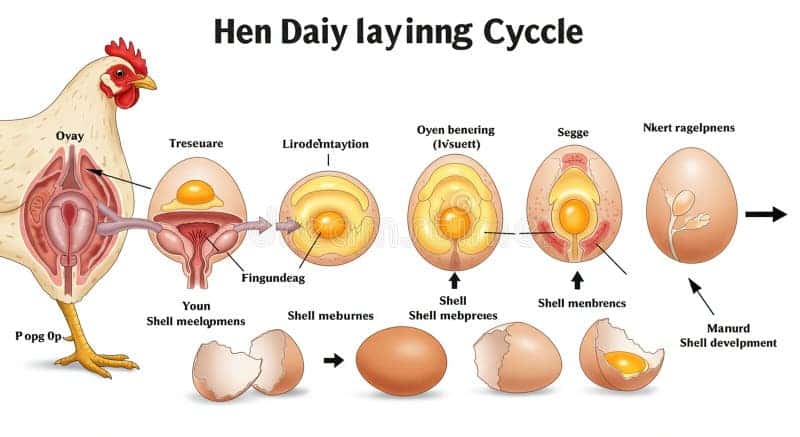
Have you ever wondered how often birds lay their eggs? Understanding bird egg laying frequency can reveal fascinating insights about nature’s rhythms and the survival strategies of different species.
Whether you’re a bird lover, a curious learner, or someone interested in wildlife, knowing these patterns will change the way you see birds around you. Keep reading, and you’ll discover surprising facts that will make your next birdwatching experience even more exciting.
Egg Laying Patterns
Birds lay eggs in different patterns depending on many things. These patterns show how often and when birds lay their eggs.
Understanding egg laying helps us learn about bird behavior and survival.
Daily Vs Seasonal Laying
Some birds lay eggs every day for a short time. Others lay eggs only in certain seasons.
Daily layers make eggs one by one until the clutch is complete. Seasonal layers lay eggs during breeding times only.
- Daily layers: lay eggs almost every day
- Seasonal layers: lay eggs in spring or summer
- Daily laying lasts a few weeks
- Seasonal laying depends on weather and food
Factors Influencing Frequency
Many things affect how often birds lay eggs. Food, weather, and health are important.
Birds with more food lay eggs more often. Cold or bad weather can slow laying. Health problems also reduce egg laying.
- Food availability
- Temperature and climate
- Bird’s age and health
- Predator presence and safety
Species Variations
Different bird species lay eggs in unique ways. Some lay many eggs, others few.
Small birds often lay eggs daily for several days. Large birds lay fewer eggs, sometimes only one or two.
| Bird Type | Egg Laying Pattern | Typical Clutch Size |
|---|---|---|
| Songbirds | Daily laying over days | 3 to 7 eggs |
| Waterfowl | Seasonal laying | 5 to 12 eggs |
| Birds of Prey | Few eggs per season | 1 to 3 eggs |
| Parrots | Seasonal or irregular | 2 to 4 eggs |
Environmental Impact
Bird egg laying frequency changes with the environment. These changes affect bird populations and ecosystems.
Understanding these effects helps protect birds and their habitats.
Temperature Effects
Temperature controls when birds lay eggs. Warmer temperatures can speed up laying, while cold slows it down.
- High temperatures may cause birds to lay eggs earlier in the year.
- Very cold weather can delay egg laying or reduce egg numbers.
- Sudden temperature changes may harm eggs or chicks.
Food Availability
Birds need food to produce eggs. More food means more eggs and better chances for chicks.
| Food Type | Impact on Egg Laying |
| Insects | Increases egg number in insect-eating birds |
| Seeds | Supports egg laying in seed-eaters |
| Fruits | Improves egg quality and chick growth |
Predation Risks
Predators make birds lay fewer eggs or hide nests. This lowers bird numbers over time.
Ways predation affects egg laying:
- Birds may lay eggs at safer, less visible places.
- High predator presence reduces the frequency of egg laying.
- Parents spend more time guarding eggs than feeding.
Breeding Cycles
Bird egg laying depends on many factors. Breeding cycles guide when birds mate and lay eggs.
Understanding these cycles helps us learn how often birds lay eggs. It also shows their survival strategies.
Mating Seasons
Most birds have specific mating seasons. These times match the best conditions for raising young.
- Spring is common for many species
- Tropical birds may mate year-round
- Some birds have short, intense mating periods
Clutch Size
Clutch size means how many eggs a bird lays at once. This varies by species and environment.
| Bird Species | Typical Clutch Size |
| Robin | 3 to 5 eggs |
| Duck | 8 to 12 eggs |
| Owl | 1 to 4 eggs |
| Hummingbird | 1 to 3 eggs |
Incubation Periods
Incubation is the time birds keep eggs warm before they hatch. This period also varies widely.
- Small birds often incubate for 10 to 14 days
- Larger birds may need 30 days or more
- Parents take turns keeping eggs warm

Credit: birdfact.com
Behavioral Clues
Bird egg laying frequency can be understood by watching their behaviors. Birds show clear signs before and during egg laying. These clues help us learn about their reproductive cycle.
Observing nesting habits, parental roles, and signs of egg laying gives us good hints. These behaviors vary among species but follow some common patterns.
Nesting Habits
Birds build nests to protect their eggs and young. The nesting process often starts days before laying eggs. Birds gather materials like twigs, leaves, and feathers.
- Choosing a safe location
- Building or repairing the nest
- Shaping the nest cup for eggs
- Keeping the nest clean
Parental Roles
Both male and female birds may share duties before and after egg laying. The roles include nest building, guarding, and feeding. Watching these roles helps spot when eggs will arrive.
| Role | Behavior |
| Male | Defends territory and brings nesting materials |
| Female | Builds nest, lays eggs, incubates |
| Both | Feed hatchlings and keep nest clean |
Signs Of Egg Laying
Birds show clear signs when they lay eggs. These signs include changes in behavior and physical actions. Noticing these signs helps predict egg laying frequency.
- Frequent visits to the nest
- Resting quietly in the nest
- Pecking or scratching inside the nest cup
- Reduced feeding or movement
Observation Tips
Watching birds lay eggs can be exciting and educational. Observing their habits helps us learn about nature.
To see bird egg laying often, you need patience and the right approach. This guide shares tips for better observation.
Best Times To Watch
Birds usually lay eggs during early morning hours. This is when they are most active and less disturbed.
Spring and early summer are the main seasons for egg laying. Check nests during these times for best results.
- Early morning is the best time
- Watch in spring and early summer
- Observe quietly to avoid scaring birds
Ethical Birdwatching
Respect birds and their nests to keep them safe. Avoid touching eggs or nests during observation.
Keep a distance to not stress the birds. Use binoculars or zoom lenses to see closely without getting near.
- Do not disturb nests or birds
- Stay quiet and move slowly
- Use tools to observe from afar
Recording Data
Write down what you see to track bird egg laying frequency. Note dates, times, and bird behavior.
Photos help record changes over time. Keep data organized to spot patterns and share with bird groups.
- Record date and time of observations
- Note bird species and actions
- Take photos if possible
- Keep notes organized for future use
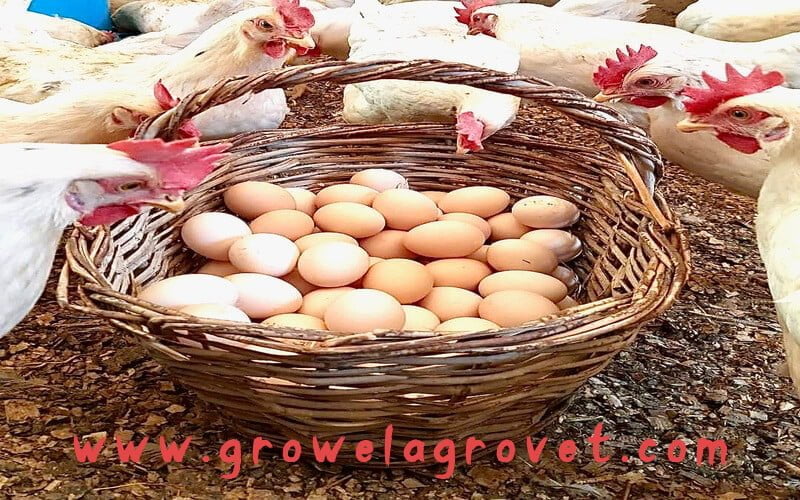
Credit: growelagrovet.com

Credit: www.wikiwand.com
Frequently Asked Questions
How Often Do Birds Lay Eggs In A Year?
Birds’ egg-laying frequency varies by species. Some lay eggs daily during breeding, while others lay once or twice annually. Environmental factors and food availability also influence laying frequency.
What Factors Affect Bird Egg Laying Frequency?
Temperature, daylight, food supply, and species type impact egg laying frequency. Stress and habitat conditions also play key roles in how often birds lay eggs.
Do All Birds Lay Eggs At The Same Rate?
No, egg-laying rates differ among bird species. Small birds may lay eggs more frequently, while larger birds tend to lay fewer eggs per season.
How Long Is The Interval Between Bird Eggs?
The interval between eggs typically ranges from one to three days. This allows the female to rest and prepare for the next egg.
Conclusion
Bird egg laying varies greatly among species. Some lay daily, others rarely. Factors include environment, food, and species traits. Observing these patterns helps understand bird life better. Nature’s rhythms are fascinating and vital. Protecting habitats ensures these cycles continue. Bird watchers and enthusiasts find joy in this knowledge.
It deepens appreciation for avian life. Every species, unique in its laying habits, contributes to biodiversity. Encourages curiosity and respect for nature’s wonders. Appreciate the diverse world of birds and their egg laying cycles. It enriches our connection to the natural world.



