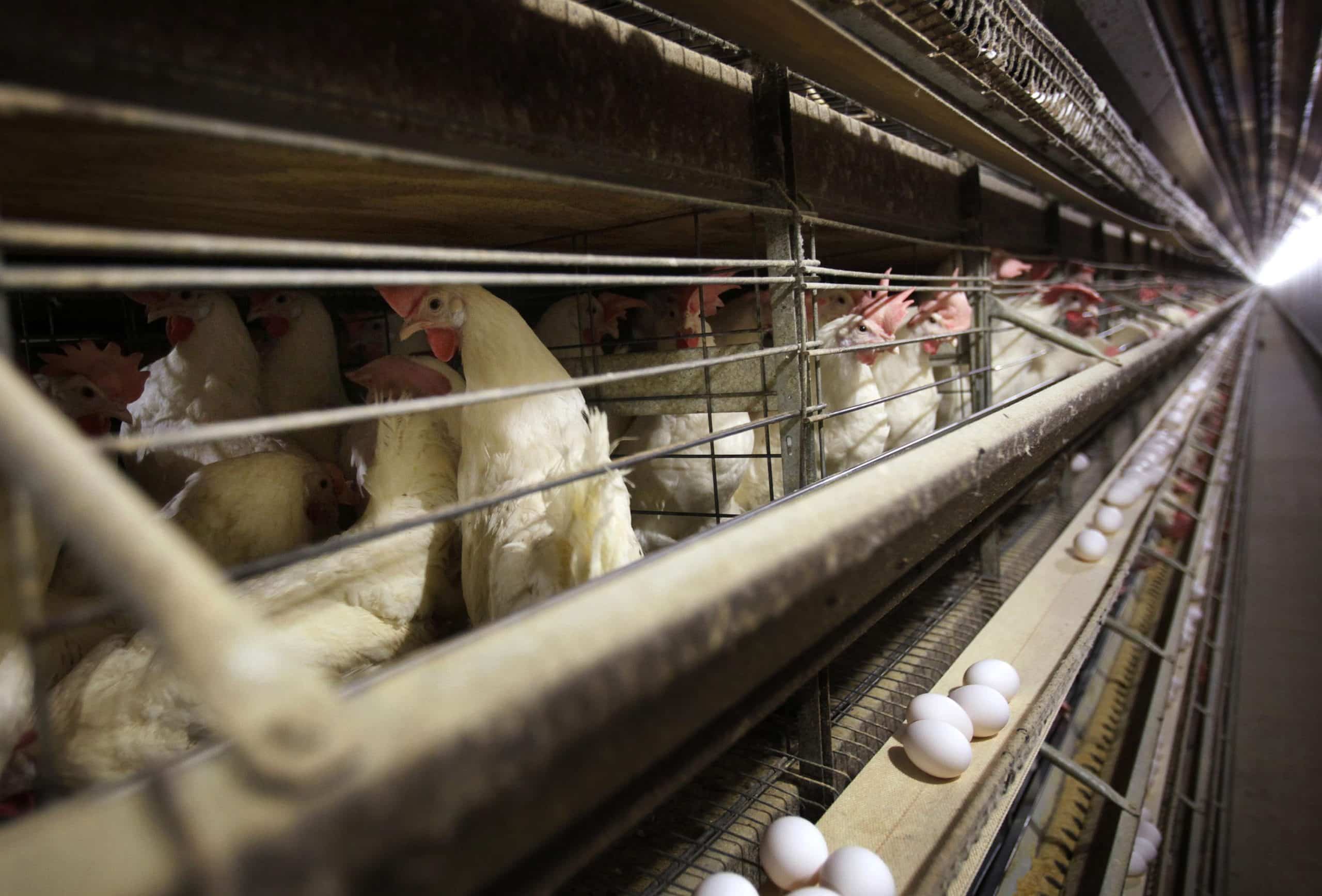
Are you worried about the recent bird flu outbreak in Colorado? You’re not alone.
This sudden spread of the virus could affect your community, your pets, and even your daily routines. Understanding what’s happening and how to protect yourself is more important than ever. Keep reading to learn the facts you need to stay safe and informed during this outbreak.
Your health and peace of mind depend on it.
Current Situation In Colorado
Colorado is facing a bird flu outbreak affecting poultry farms and wild birds. The state health officials are closely monitoring the situation.
Efforts are ongoing to control the spread and protect both animals and people. Awareness and prevention measures are important.
Recent Cases Reported
Several new bird flu cases have been confirmed in Colorado this month. These cases involve both wild birds and domestic poultry.
Authorities continue testing and tracking to find any additional infections. Early detection helps reduce the impact.
Affected Areas
The outbreak mainly affects northern and eastern parts of Colorado. Farms near wetlands and water bodies report more cases.
- Larimer County
- Weld County
- Adams County
- Some areas in Morgan County
Wild bird cases are also found in urban parks and open fields across the state.
Strain Details
The current outbreak involves the highly pathogenic avian influenza H5N1 strain. This strain spreads quickly among birds.
H5N1 can infect some mammals but rarely affects humans. Health officials advise caution and report sick or dead birds.
Transmission And Risks
Bird flu is a viral infection that affects birds. It can spread quickly and cause serious problems.
Understanding how bird flu spreads and its risks helps protect people and animals in Colorado.
How Bird Flu Spreads
Bird flu spreads mainly among birds through direct contact. Infected birds release the virus in saliva, mucus, and droppings.
Wild birds can carry the virus and pass it to farm birds. Contaminated equipment and people can also spread it.
- Contact with infected birds or their droppings
- Sharing cages, feeders, or water sources
- Contaminated clothing, shoes, or equipment
- Wild birds flying near poultry farms
Risk To Humans
Bird flu can infect humans, but it is rare. Most cases happen after close contact with sick birds.
People with weak immune systems or who work with birds have higher risk. The virus does not spread easily between people.
- Handling infected poultry or their droppings
- Being near infected birds during outbreaks
- Contact with contaminated surfaces
Impact On Poultry
Bird flu causes severe illness and death in poultry. Outbreaks can wipe out entire flocks quickly.
It affects farmers’ income and food supply. Strict measures are needed to control the disease and stop its spread.
- High death rates in infected flocks
- Quarantine and culling of birds
- Disruption of poultry trade and markets
- Increased costs for cleaning and biosecurity
Symptoms To Watch For
Bird flu is a serious illness that affects birds and can sometimes spread to humans. It is important to know the symptoms to keep yourself and your pets safe.
Early detection helps stop the spread of the virus. Watch closely for signs in birds and symptoms in people.
Signs In Birds
Birds with bird flu may look sick and act differently than usual. The disease can spread quickly among bird populations.
- Sudden death without signs of illness
- Swelling of the head, neck, or eyes
- Blue or pale combs and wattles
- Weakness or tiredness
- Loss of appetite
- Reduced egg production
- Difficulty breathing or coughing
- Diarrhea or abnormal droppings
Symptoms In Humans
Humans infected with bird flu may have flu-like symptoms. The illness can range from mild to severe.
- Fever over 100.4°F (38°C)
- Cough or sore throat
- Muscle aches and body pain
- Headache
- Difficulty breathing
- Eye redness or irritation
- Runny nose
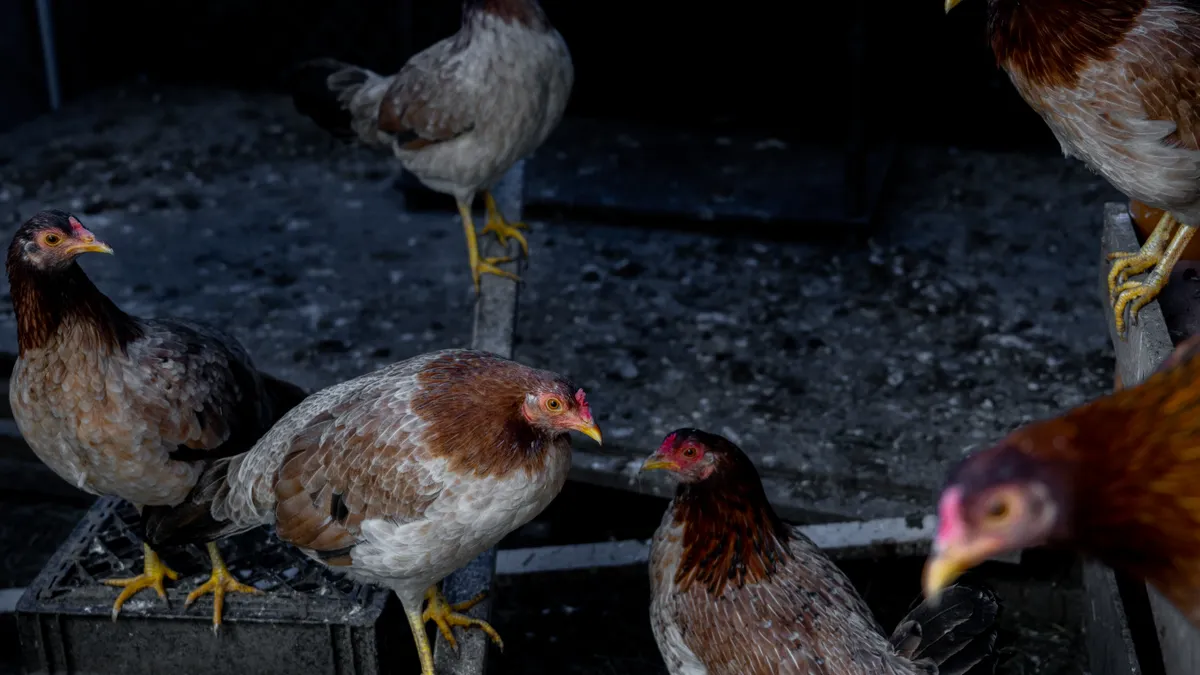
Credit: www.agriculturedive.com
Safety Tips For Residents
The bird flu outbreak in Colorado has raised concerns for many residents. It is important to know how to stay safe and protect yourself from the virus.
Following simple safety tips can help reduce the risk of infection and keep your family safe during this time.
Protective Measures
Wear masks and gloves when near birds or poultry farms. Wash your hands often with soap and water.
Avoid touching your face, eyes, or mouth after handling birds or their droppings. Clean and disinfect surfaces regularly.
- Use hand sanitizer if soap is not available
- Keep windows open for fresh air
- Wear protective clothing if working with birds
Handling Poultry Safely
Only buy poultry from trusted sources that follow safety rules. Cook all poultry and eggs thoroughly before eating.
Do not touch sick or dead birds. Report any dead birds to local health officials immediately.
- Keep poultry away from your home and pets
- Wash hands after handling raw poultry
- Use separate cutting boards for poultry
Avoiding Contaminated Areas
Stay away from farms or places where bird flu has been found. Avoid wet markets and live bird markets during outbreaks.
If you must visit these areas, wear protective gear and clean yourself after leaving. Keep pets away from wild birds or poultry farms.
- Do not touch bird droppings or feathers
- Report any unusual bird deaths to authorities
- Follow local news for updates on outbreak areas
Government Response
The bird flu outbreak in Colorado has prompted swift government action. Officials are working hard to control the spread and protect people and animals.
Multiple agencies coordinate efforts to manage the outbreak and support affected communities.
Containment Efforts
The government has set up quarantine zones around infected farms. This stops the virus from spreading to other areas.
Teams are checking wild birds and poultry for signs of infection. They remove sick birds to protect others.
- Quarantine infected farms
- Test wild birds and poultry
- Remove sick birds quickly
- Clean and disinfect affected areas
Public Health Advisories
The health department issues clear advice to the public. They tell people how to avoid catching or spreading the bird flu.
People are asked to avoid contact with wild or sick birds. They should also report dead birds to local authorities.
- Stay away from wild or sick birds
- Report any dead birds immediately
- Wash hands after handling birds or eggs
- Cook poultry and eggs thoroughly
Support For Farmers
Farmers receive financial help to deal with losses from the outbreak. This aid helps them recover faster.
The government also provides guidance on biosecurity. Farmers learn how to keep their birds safe and healthy.
- Financial compensation for lost poultry
- Training on biosecurity practices
- Access to veterinary support
- Help with cleaning and disinfecting farms

Credit: www.healthday.com
Preventing Future Outbreaks
Bird flu outbreaks can cause serious harm to both birds and humans. It is important to take steps to stop future outbreaks in Colorado. Prevention helps protect health and the environment.
We can use strong safety rules, watch for signs of illness, and work together as a community. These actions lower the chance of bird flu spreading again.
Biosecurity Practices
Biosecurity means keeping farms and bird areas clean and safe. This stops the bird flu virus from moving around. Farms should limit visitor access and use clean equipment.
Workers must wash hands and wear protective clothing. Birds should be kept away from wild animals that may carry the virus.
- Clean and disinfect equipment regularly
- Control visitor access to bird areas
- Wear gloves, masks, and boots when handling birds
- Keep wild birds away from domestic flocks
- Dispose of dead birds safely
Surveillance And Monitoring
Watching bird populations helps find bird flu early. Farmers and wildlife workers should report sick or dead birds quickly. Testing birds for the virus helps track its spread.
Data from monitoring helps health officials act fast. Early detection can stop large outbreaks and protect both birds and people.
- Report sick or dead birds immediately
- Test birds regularly in high-risk areas
- Track bird movements and migration patterns
- Share data with local and state health agencies
Community Involvement
Everyone in the community can help prevent bird flu. People should learn about the disease and how it spreads. Sharing information helps keep more people safe.
Community members should avoid contact with wild birds and report any unusual bird deaths. Local groups can organize cleanups and support farmers in biosecurity efforts.
- Educate neighbors about bird flu risks
- Report unusual bird deaths or sickness
- Avoid feeding or touching wild birds
- Support local farms in safety practices
- Join community health and wildlife groups

Credit: www.theguardian.com
Frequently Asked Questions
What Is Bird Flu?
Bird flu, or avian influenza, is a viral infection. It primarily affects birds but can infect humans. The H5N1 strain is particularly concerning due to its high mortality rate in humans. It spreads through contact with infected birds, their droppings, or contaminated environments.
How Does Bird Flu Spread In Colorado?
In Colorado, bird flu spreads mainly through migratory birds. These birds carry the virus across regions. Infected domestic poultry can also spread the virus. Human infections occur from direct contact with infected birds or contaminated surfaces, not from eating cooked poultry.
What Are The Symptoms Of Bird Flu In Humans?
Bird flu symptoms in humans are similar to regular flu. They include fever, cough, sore throat, and muscle aches. In severe cases, it can lead to pneumonia and respiratory failure. Early diagnosis and treatment are crucial for recovery.
How Can You Prevent Bird Flu Infection?
Preventing bird flu involves avoiding contact with infected birds. Wash hands frequently and maintain good hygiene. Cook poultry thoroughly to kill any virus. If you’re in an affected area, wear protective clothing and masks when dealing with birds.
Conclusion
Bird flu in Colorado is serious and needs attention. People should watch their birds closely every day. Keep poultry areas clean and avoid contact with wild birds. Report any sick or dead birds to local authorities fast. Staying informed helps protect your family and community.
Simple steps can stop the virus from spreading. Together, we can keep Colorado’s birds and people safe. Stay alert and act quickly for the best results.