
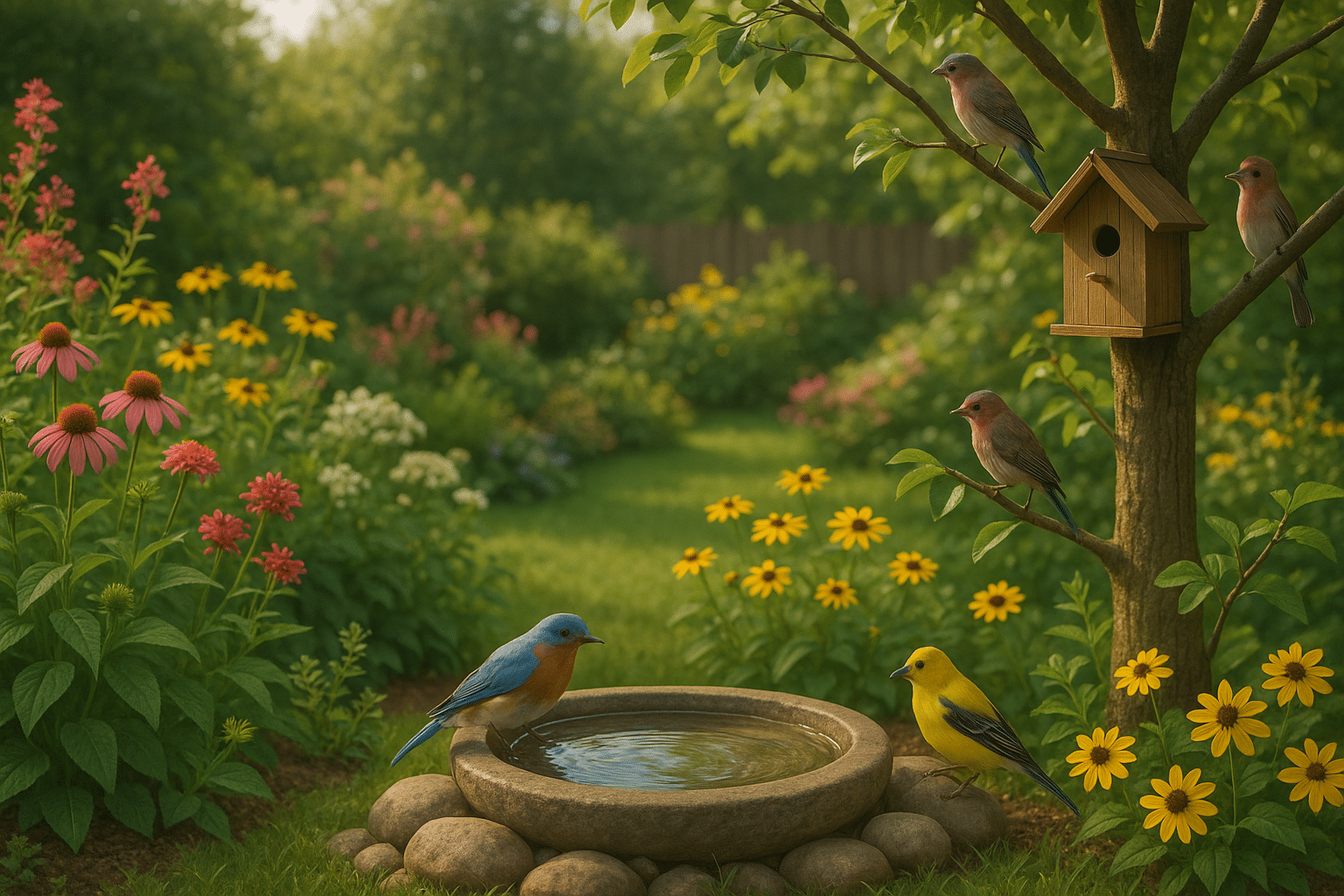
Imagine stepping into your own backyard and hearing the cheerful songs of birds all around you. Wouldn't it be wonderful to create a space where birds feel welcome and thrive?
Bird friendly landscaping is more than just planting pretty flowers—it’s about designing your outdoor space to support and attract our feathered friends. You'll discover simple, effective ways to turn your garden into a vibrant haven for birds. Ready to make your yard come alive with color and song?
Keep reading to learn how you can make a real difference for nature right outside your door.
Credit: dengarden.com
Choose Native Plants
Using native plants in your garden helps local birds find food and shelter. Native plants grow well without much care.
These plants fit the local soil and weather. They support birds better than non-native plants.
Benefits For Local Birds
Native plants provide natural food sources like seeds, berries, and nectar. Birds depend on these plants to survive and raise their young.
They also offer good places for birds to hide from predators. Native plants keep bird populations healthy and strong.
Best Flowering Plants
Choose flowering plants that bloom at different times. This gives birds food all year long.
- Milkweed – attracts butterflies and hummingbirds
- Black-eyed Susan – provides seeds for finches
- Bee Balm – draws hummingbirds and bees
- Goldenrod – offers nectar and seeds
- Columbine – favorite of hummingbirds
Trees That Provide Shelter
Trees give birds safe places to nest and rest. They protect birds from weather and predators.
- Oak – supports many insects for bird food
- Pine – offers year-round shelter and seeds
- Maple – provides nesting spots and food
- Dogwood – produces berries that birds eat
- Willow – grows near water and shelters birds
Create Water Sources
Water is very important for birds. It helps them drink and stay clean. Adding water sources makes your garden bird-friendly.
Birds need water all year. They use it for drinking and bathing. You can add different water features to help birds.
Birdbaths And Fountains
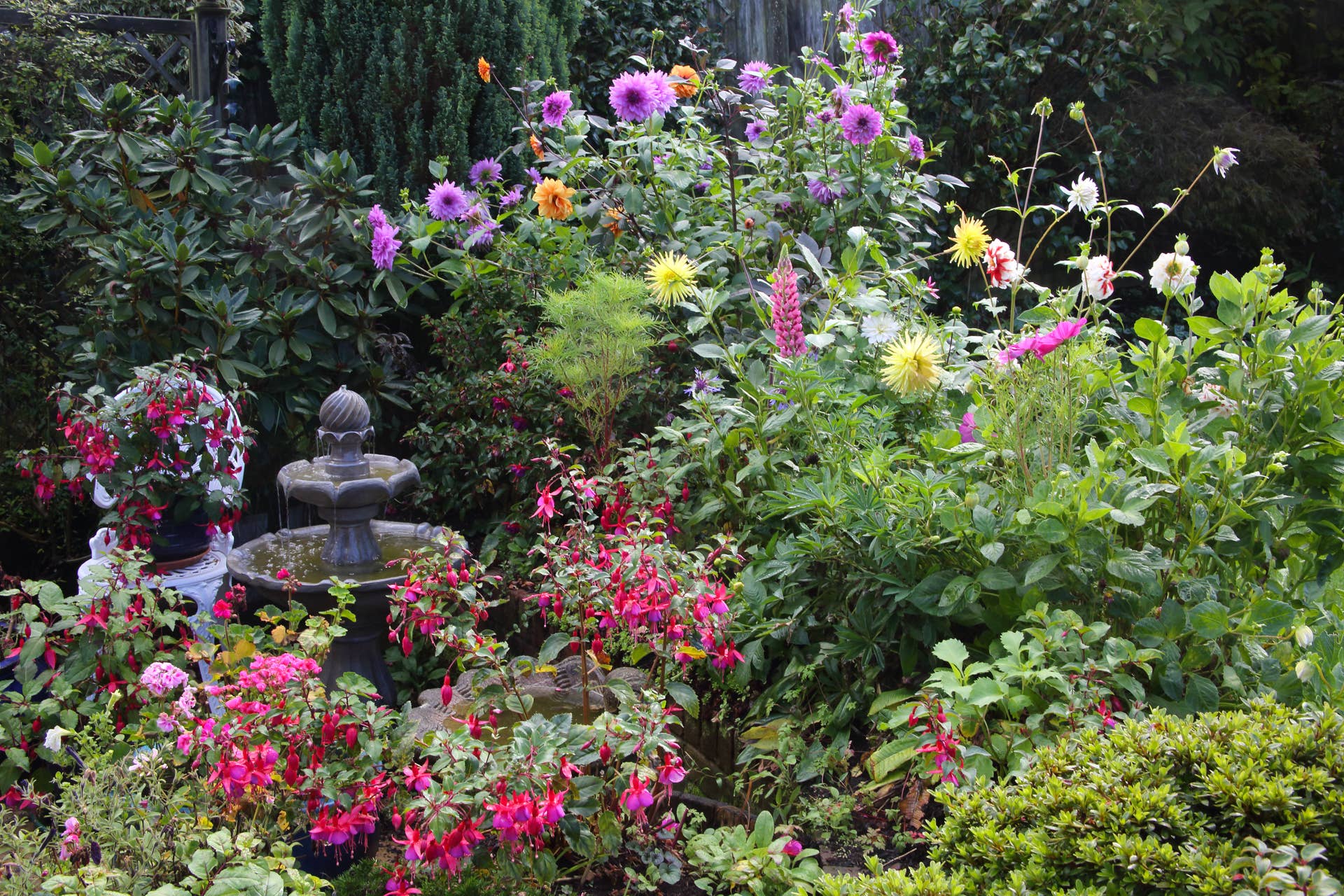
Birdbaths give birds a safe place to drink and bathe. Fountains add moving water, which attracts more birds.
Choose shallow birdbaths with gentle slopes. Keep fountains small and quiet to avoid scaring birds.
- Use non-toxic materials for birdbaths
- Place water sources near trees or shrubs
- Change water daily to keep it fresh
Natural Ponds
Natural ponds attract many bird species. They provide drinking water and places to find food.
Plant native plants around ponds. This creates shelter and helps birds feel safe.
- Keep pond edges shallow for easy access
- Add rocks or logs for perching
- Avoid using chemicals in the pond
Maintaining Clean Water
Clean water keeps birds healthy. Dirty water can spread diseases and harm birds.
Regularly clean birdbaths, fountains, and ponds. Remove debris and algae to keep water fresh.
- Scrub birdbaths weekly with a brush
- Replace water often, especially in hot weather
- Use natural cleaning methods without chemicals
Provide Food Options
Bird friendly landscaping helps birds find food easily. Providing food supports their health and survival.
Offering a variety of food types attracts many bird species to your yard or garden.
Seed And Nectar Feeders
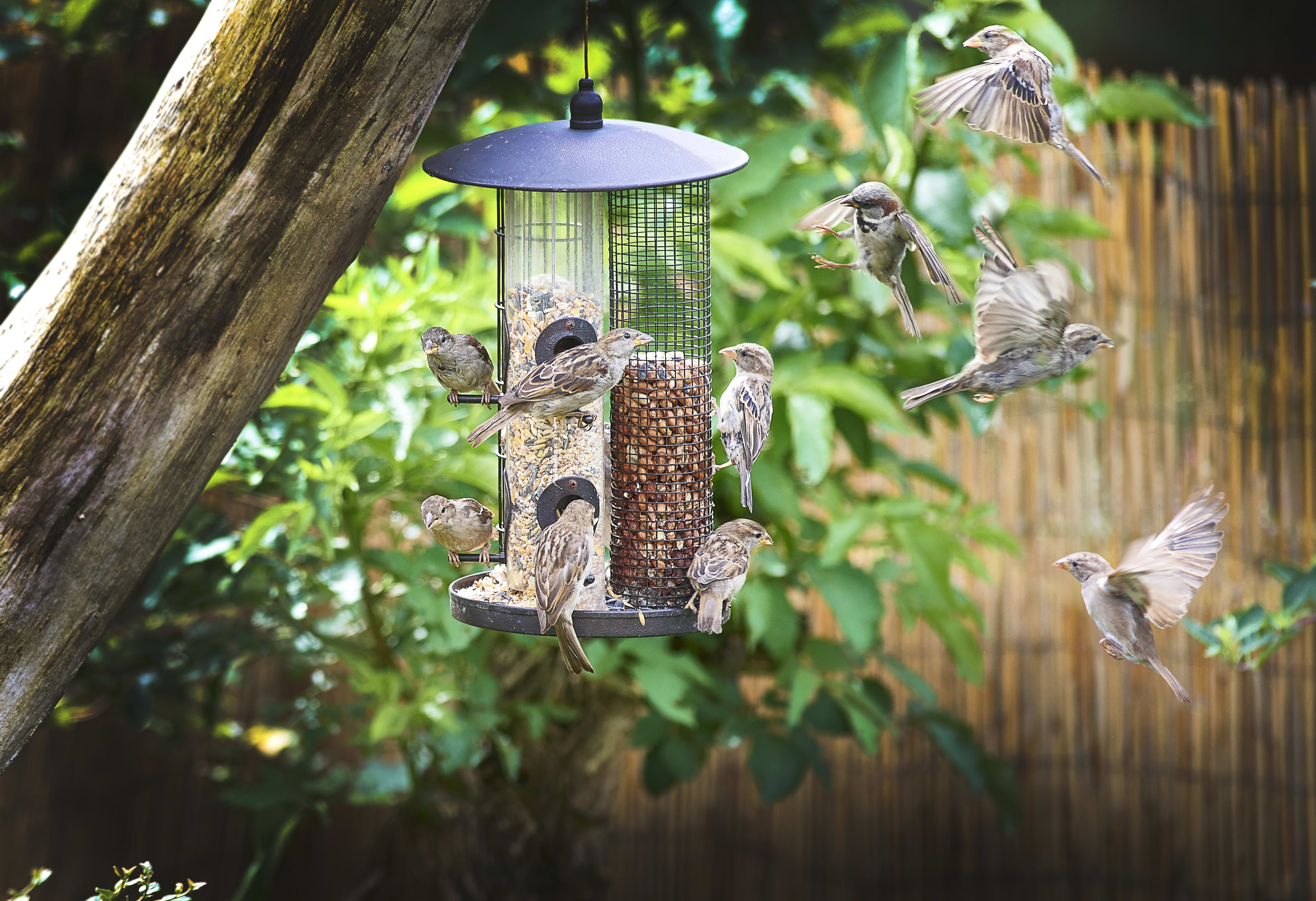
Seed feeders offer seeds like sunflower and millet that many birds love. Nectar feeders attract hummingbirds with sweet liquid.
Keep feeders clean to prevent disease. Change nectar often to keep it fresh and safe.
- Use black oil sunflower seeds for many songbirds
- Use nyjer seeds to attract finches
- Mix sugar and water (4:1 ratio) for nectar feeders
- Place feeders in shaded areas to protect nectar
Planting Fruit-bearing Shrubs
Fruit-bearing shrubs give natural food for birds. They provide vitamins and energy in fall and winter.
Choose native shrubs that produce berries or small fruits. These plants also support insects birds eat.
- Serviceberry
- Elderberry
- Holly
- Winterberry
- Dogwood
Avoiding Harmful Foods
Not all human foods are safe for birds. Avoid feeding bread, salty snacks, or sugary foods.
These foods can cause health problems and attract pests to your yard.
- Do not feed bread or crackers
- Avoid salty or fried snacks
- Skip foods with artificial sugar or additives
- Do not offer raw meat or dairy products
Credit: enthrallinggumption.com
Add Nesting Spots
Adding nesting spots in your garden helps birds find safe places to lay eggs. It supports bird populations and encourages wildlife.
Providing various types of nesting areas can attract different bird species. This creates a lively and natural environment.
Birdhouses And Nesting Boxes
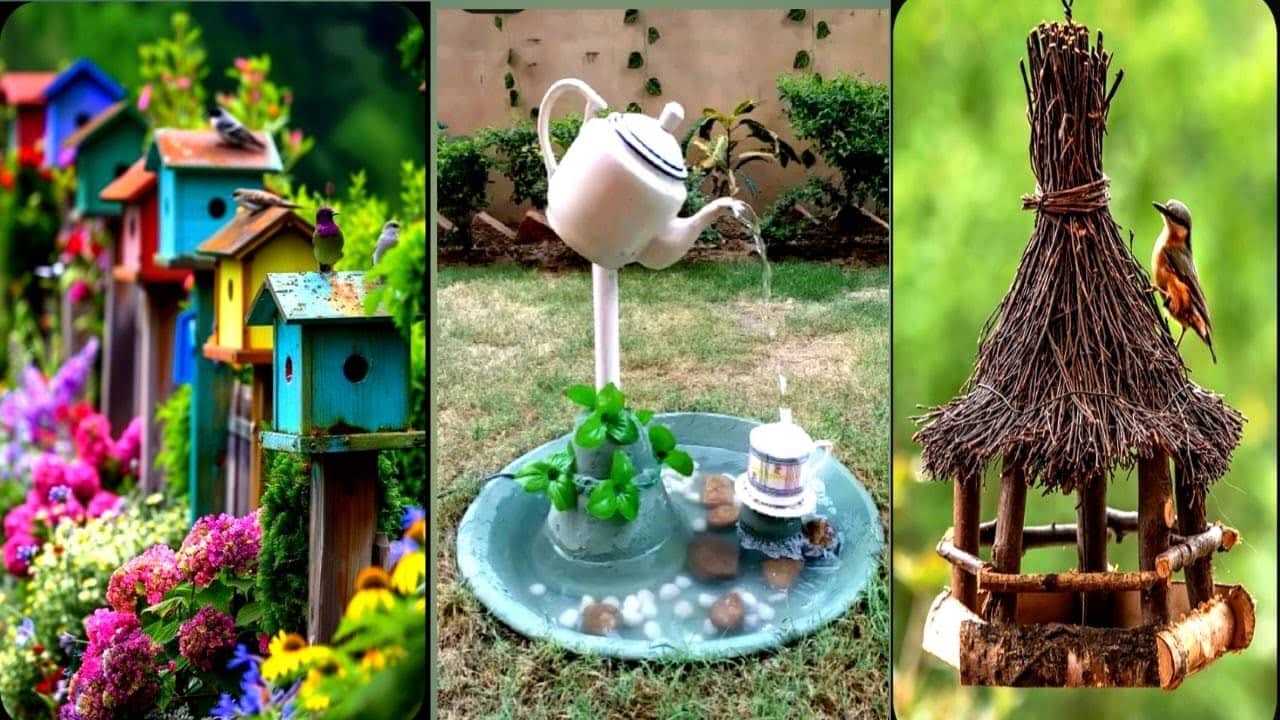
Birdhouses and nesting boxes offer birds a secure place to raise their young. They protect birds from predators and bad weather.
Place these boxes at different heights and locations. Use designs suited for local bird species to increase use.
- Mount boxes 5 to 10 feet above ground
- Face openings away from prevailing winds
- Use untreated wood for safety
- Keep boxes clean each season
Safe Natural Nesting Areas
Natural areas like shrubs, trees, and dense plants provide safe spots for birds to nest. Avoid clearing these areas in your yard.
Leave dead branches and leaf litter as they offer shelter. Avoid using pesticides that can harm birds and their nests.
- Plant native bushes and trees
- Keep some wild areas undisturbed
- Provide dense cover near feeding spots
- Avoid cutting branches during nesting season
Materials For Nest Building
Birds use many materials to build nests. Providing these materials helps birds create strong and safe nests.
Offer soft items like twigs, grass, and feathers. Avoid synthetic materials that can harm birds.
- Dry grass and straw
- Small twigs and sticks
- Feathers and animal fur
- Leaves and moss
Create Shelter And Safety
Bird friendly landscaping helps birds find safe places to rest and hide. Creating shelter and safety is important for their survival.
Plants and design choices can protect birds from weather and predators. Careful planning makes your garden a safe space for birds.
Dense Shrubs And Thickets
Dense shrubs and thick plants give birds a place to hide. These areas protect them from bad weather and enemies.
Use native shrubs that grow thick and low. This helps birds feel safe while resting or nesting.
- Plant dense bushes close together
- Include thorny or prickly shrubs for extra protection
- Keep some evergreen plants for year-round cover
Avoiding Predators
Birds need ways to escape from predators like cats or hawks. Safe spots help them stay out of reach.
Place feeders and birdbaths near cover. This allows birds to quickly hide if danger appears.
- Keep feeders close to dense plants
- Trim low branches to reduce hiding spots for predators
- Use tall trees for quick flight escape routes
Minimizing Window Collisions
Birds often fly into windows because they see reflections or open space. This can cause injury or death.
Use simple ways to make windows visible to birds. This helps them avoid crashes and stay safe.
- Place decals or tape in patterns on windows
- Use screens or netting outside windows
- Keep plants away from close window reflections
Use Eco-friendly Practices
Bird friendly landscaping helps protect birds and their habitats. Using eco-friendly practices keeps the environment safe.
These practices support healthy plants and clean air. They also create a welcoming space for birds.
Avoiding Pesticides
Pesticides can harm birds and insects they eat. Avoiding these chemicals helps keep wildlife safe.
Use natural pest control methods instead. This keeps your garden healthy without toxic risks.
- Pick pest-resistant plants
- Use physical barriers like nets
- Encourage birds that eat pests
- Apply natural sprays like neem oil
Composting And Soil Health
Composting adds nutrients to soil naturally. Healthy soil grows strong plants that birds like.
It reduces waste and lowers the need for chemical fertilizers. Good soil supports a balanced ecosystem.
- Use kitchen scraps and yard waste
- Turn compost regularly for oxygen
- Avoid adding meat or dairy
- Apply finished compost to garden beds
Encouraging Beneficial Insects
Beneficial insects help control pests naturally. They support plant health and provide food for birds.
Plant flowers that attract these helpful insects. Avoid using insecticides that harm them.
- Plant native flowering plants
- Include herbs like dill and fennel
- Provide shelter with leaves and twigs
- Keep some areas wild for insect homes
Seasonal Care Tips
Bird friendly landscaping changes with the seasons. Each season needs different care to keep birds safe and happy.
Following simple tips helps birds find food, shelter, and water all year long.
Preparing For Winter
Winter is hard for birds. They need food and warm places to hide from cold and wind.
Keep feeders full with seeds like sunflower and millet. Leave some dead plants and leaves for shelter.
- Fill feeders regularly with high-energy seeds
- Keep water from freezing by using heated bird baths
- Leave leaf piles and brush for shelter
- Prune only dead branches to keep shelter intact
Spring Planting Strategies
Spring is the best time to plant native flowers and shrubs. They provide food and homes for birds.
Choose plants that bloom at different times. This gives food from early spring to late summer.
- Pick native plants with berries or seeds
- Plant a mix of flowers, shrubs, and trees
- Use plants that attract insects birds eat
- Space plants to create safe nesting spots
Maintaining Habitat Year-round
Birds need care all year. Keep your garden clean but natural for food and shelter.
Remove invasive plants and check feeders often. Water should always be fresh and clean.
- Clear weeds but keep native plants healthy
- Clean feeders and bird baths weekly
- Provide fresh water daily in warm months
- Keep nesting boxes and safe spots available
Credit: dengarden.com
Frequently Asked Questions
What Is Bird Friendly Landscaping?
Bird friendly landscaping uses plants and features that attract and support local bird species. It provides food, shelter, and nesting sites. This approach promotes biodiversity and helps protect birds in urban and suburban areas. It also enhances garden beauty and creates a peaceful outdoor space.
How Do Native Plants Help Birds In Landscaping?
Native plants offer natural food and habitat that local birds rely on. They attract insects, seeds, and berries that birds eat. These plants also provide safe nesting spots. Using native species supports the entire ecosystem and encourages bird diversity in your garden.
Which Plants Are Best For Bird Friendly Gardens?
Choose berry-producing shrubs, seed-bearing flowers, and native trees. Examples include serviceberry, coneflowers, and oaks. These plants supply essential nutrients and shelter. Avoid invasive species that harm local birds. A diverse mix ensures year-round food and protection for birds.
How Can I Create Safe Bird Habitats In My Yard?
Provide dense shrubs, brush piles, and birdhouses for shelter. Avoid using pesticides that harm birds and their food sources. Keep cats indoors to protect birds. Install water sources like birdbaths for drinking and bathing. Safety and comfort attract more birds to your yard.
Conclusion
Creating a bird-friendly landscape helps nature thrive. Simple changes make a difference. Plant native flowers and shrubs for food and shelter. Add a water source like a birdbath. Avoid pesticides to keep birds safe. These steps invite birds to your garden.
Watch them bring joy and color. Nature benefits too. Your efforts support local wildlife. A bird-friendly yard is rewarding. Enjoy the beauty and songbirds it attracts. Start today and make your garden a haven for birds. Small actions have big impacts.
Nature thanks you.


