Imagine stepping into your backyard and hearing the gentle songs of colorful birds around you. Creating a bird habitat in your backyard isn’t just about adding beauty—it’s about inviting nature to become part of your daily life.
You might think it’s hard or takes a lot of time, but with a few simple steps, you can turn your outdoor space into a safe haven for birds. You’ll discover easy ways to attract birds, provide them with food and shelter, and enjoy the peaceful moments they bring.
Ready to make your backyard a bird paradise? Let’s dive in.
Credit: www.dripworks.com
Choose The Right Plants
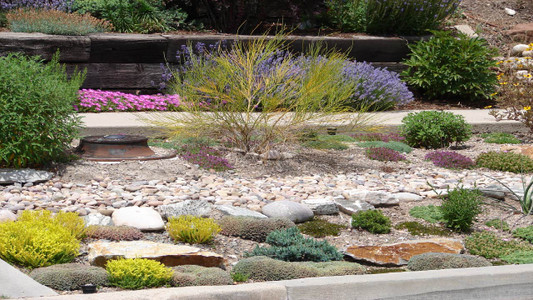
Creating a bird-friendly backyard starts with picking the right plants. Birds need food, shelter, and places to nest.
Selecting plants that support local wildlife helps birds thrive in your garden. Focus on native species and diverse options.
Native Flowers And Shrubs
Native flowers and shrubs provide food and shelter for birds. They attract insects, which many birds eat.
These plants also offer safe places for birds to build nests and hide from predators.
- Choose plants that grow naturally in your region
- Pick a mix of flowering shrubs and low plants
- Use plants with berries and seeds for bird food
Fruit-bearing Trees
Fruit-bearing trees give birds a steady food source. Birds eat the fruit and help spread seeds.
Plant trees that produce fruit in different seasons to feed birds all year long.
- Apple and cherry trees attract many bird species
- Mulberry and serviceberry trees provide summer fruits
- Holly and crabapple trees offer winter berries
Seasonal Blooms
Seasonal blooms keep your garden lively and support birds with nectar and insects.
Plant flowers that bloom in spring, summer, and fall to provide food throughout the year.
- Spring bulbs like crocus and tulips attract early insects
- Summer flowers such as coneflowers and sunflowers offer nectar
- Fall plants like goldenrod help birds prepare for winter
Credit: www.gardeningknowhow.com
Create Water Sources
Birds need water for drinking and bathing. Providing water helps attract many bird species.
Water sources should be clean and safe. Place them where birds feel secure and can see danger.
Birdbaths And Fountains
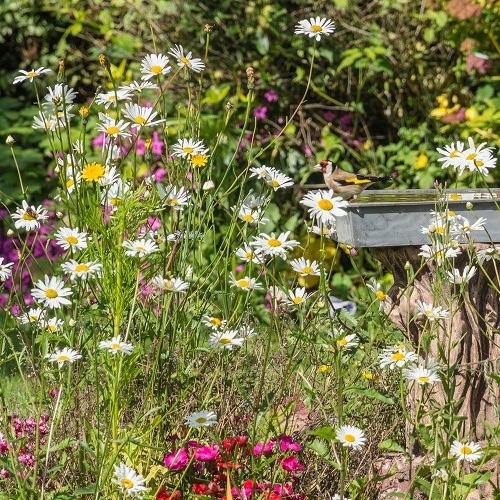
Birdbaths give birds a place to drink and bathe. They come in many styles and sizes.
Fountains add movement to the water. Moving water attracts birds more than still water.
- Keep water shallow, about 1-2 inches deep
- Clean regularly to prevent germs
- Place near shrubs for quick shelter
- Use fountains with gentle water flow
Natural Ponds
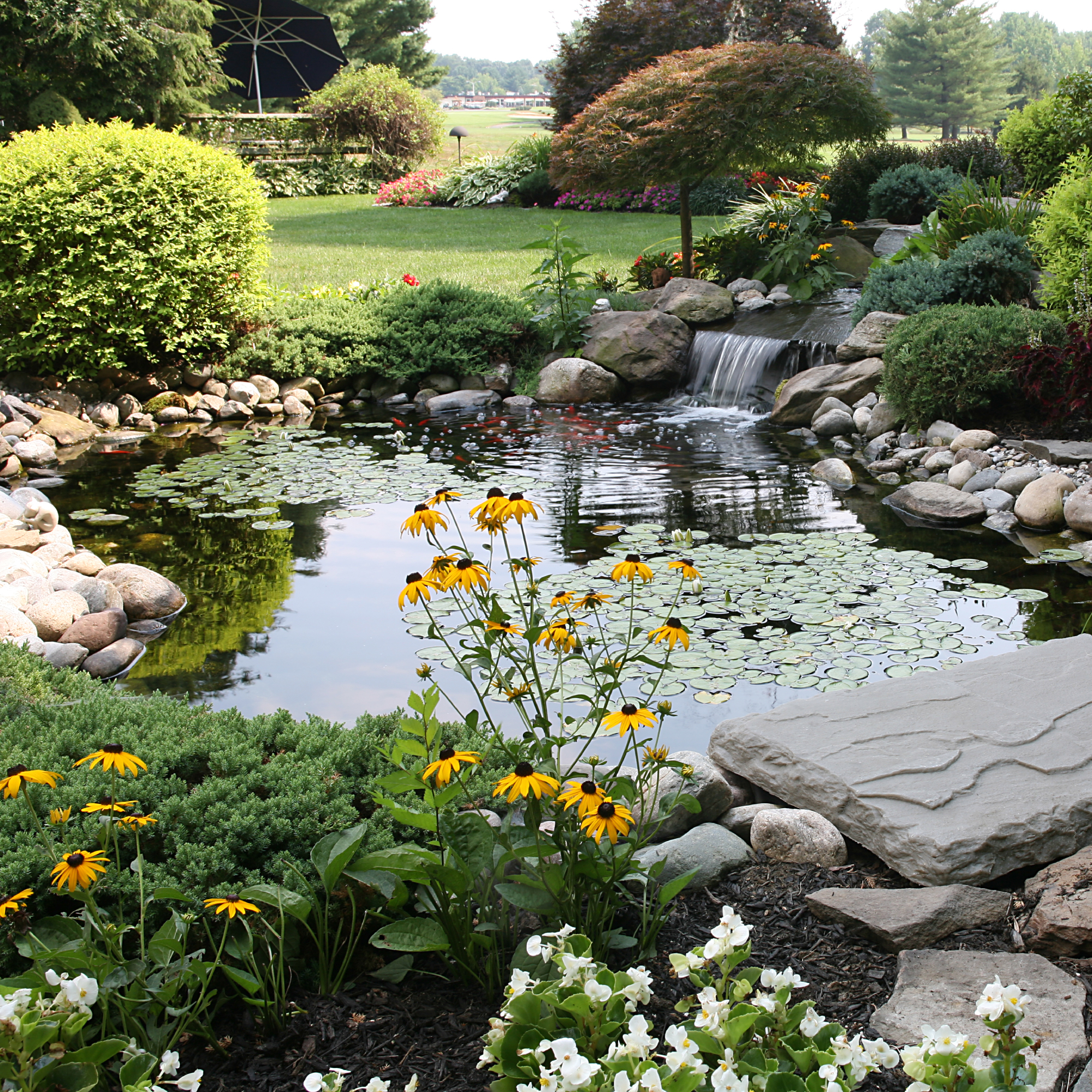
Natural ponds support many birds by providing water and food. They attract insects and plants birds eat.
Make sure the pond has gentle edges. Birds need easy access to drink and bathe safely.
- Add native plants around the pond
- Keep pond water clean and fresh
- Provide shallow spots for small birds
- Avoid fish that eat bird eggs
Drippers And Misters
Drippers and misters create small water drops that birds like. They mimic rain or dew.
These water sources keep water fresh and cool. Birds enjoy drinking from droplets and splashes.
- Use slow drippers for gentle water flow
- Place near perches or plants
- Check daily to keep water running
- Turn off in freezing weather
Provide Food Options
Providing food is one way to help birds in your backyard. Birds need different types of food to stay healthy.
Choose foods that attract many bird species. Offer a variety to meet their needs.
Feeders And Seed Types
Use feeders to offer seeds safely. Different feeders suit different seed types and bird sizes.
Choose seeds that birds like and that provide good nutrition.
- Tube feeders work well for small seeds like millet and nyjer.
- Platform feeders hold mixed seeds and suet for larger birds.
- Hopper feeders store large amounts of seed and attract many birds.
- Black oil sunflower seeds are popular with many backyard birds.
- Safflower seeds attract cardinals and avoid squirrels.
- Millet is good for ground-feeding birds like sparrows.
Natural Food Sources
Plant native flowers and shrubs to provide natural food. They offer seeds, berries, and nectar.
Insects are also a natural food source. Birds eat insects for protein, especially in spring and summer.
- Berry bushes like elderberry and serviceberry attract fruit-eating birds.
- Sunflowers produce seeds that birds love.
- Native trees like oak provide acorns and attract insects.
- Flowering plants like coneflowers offer nectar and attract pollinators.
Avoiding Harmful Foods
Some human foods are bad for birds. Avoid feeding bread, salty snacks, and sugary treats.
These foods can cause health problems and attract pests to your yard.
- Avoid bread because it has little nutrition and can harm birds.
- Do not give salted or fried foods; they can make birds sick.
- Skip sugary foods; they disrupt birds' natural diets.
- Keep feeders clean to prevent mold and disease.
- Remove old or wet seeds to avoid bird illness.
Credit: thebirdfoodstore.com
Offer Shelter And Nesting
Creating a safe place for birds helps them live and raise their young. Birds need shelter to protect from weather and predators. Nesting spots give birds a place to lay eggs and care for chicks.
Simple changes in your backyard can attract many kinds of birds. Using natural and man-made shelters supports their needs year-round.
Birdhouses And Nest Boxes
Birdhouses and nest boxes offer safe places for cavity-nesting birds. Place them at the right height and away from predators. Use materials like wood for durability and comfort.
- Mount boxes 5 to 10 feet above ground
- Face openings away from prevailing wind
- Use bird-safe paints and avoid chemicals
- Clean boxes yearly to prevent disease
- Choose sizes based on bird species
Dense Shrubs And Trees
Dense shrubs and trees provide natural shelter and nesting sites. They offer cover from predators and harsh weather. Birds use these areas for food, rest, and raising young.
| Plant Type | Benefits for Birds |
| Evergreen Shrubs | Year-round cover and protection |
| Berry-producing Trees | Food source and nesting spots |
| Thorny Bushes | Safe nesting away from predators |
Brush Piles And Ground Cover
Brush piles and ground cover create hiding places and nesting areas. Birds find insects and seeds here. These habitats also protect birds from cold and rain.
Build a brush pile by:
- Gathering branches and twigs
- Stacking them loosely in a corner
- Adding leaves and pine needles on top
- Leaving the pile undisturbed for wildlife
Maintain A Safe Environment
Creating a safe backyard for birds helps them live and thrive. Birds need places free from dangers to build nests and find food.
By making your backyard safe, you support local wildlife and enjoy watching birds without harm.
Minimizing Predators
Keep your backyard safe by reducing predators like cats and raccoons. These animals can scare or hurt birds.
Place bird feeders and houses away from places where predators hide or climb. Keep pets indoors or supervised.
- Put feeders high and away from trees
- Use baffles on poles to block climbing animals
- Keep pets on leashes or inside
Avoiding Pesticides
Pesticides can poison birds and reduce insects they eat. Avoid using chemicals in your garden to keep birds healthy.
Use natural ways to protect plants like hand-picking bugs or planting pest-repellent flowers.
- Choose organic fertilizers and pest controls
- Plant native flowers that attract good insects
- Keep bird baths and feeders clean
Safe Window Practices
Birds often fly into windows because they do not see the glass. This can hurt or kill them.
Use window decals or screens to make windows visible to birds and reduce crashes.
- Apply decals in patterns covering most of the glass
- Use external screens or netting
- Close curtains when not home
Attract Specific Bird Species
Creating a bird-friendly backyard helps different birds feel welcome. You can attract species by offering the right food and shelter.
Each bird type prefers certain plants, feeders, and nesting spots. Learn what hummingbirds, songbirds, and woodpeckers need.
Hummingbirds
Hummingbirds love nectar and bright flowers. Plant tubular, red, and pink flowers to bring them close.
- Plant bee balm, trumpet vine, and salvia
- Use sugar water feeders without red dye
- Provide perches near feeders for resting
- Keep feeders clean to avoid mold
Songbirds
Songbirds eat seeds, insects, and berries. Offer a mix of food and safe places to nest.
| Food Type | Examples |
| Seeds | Sunflower, millet, nyjer |
| Fruits | Blueberries, elderberries |
| Insects | Caterpillars, beetles |
| Nesting Spots | Shrubs, trees, birdhouses |
Woodpeckers
Woodpeckers look for insects under bark. They also like suet feeders and dead trees.
- Keep dead trees or branches if safe
- Hang suet feeders in shaded spots
- Use large, sturdy feeders for seeds and nuts
- Provide nesting boxes with 3-inch entrance holes
Seasonal Care Tips
Caring for a bird habitat in your backyard changes with each season. Birds need different support during cold, warm, and changing months.
Following simple seasonal tips helps birds stay healthy and safe. It also keeps your backyard lively all year.
Winter Feeding Strategies
Winter is tough for birds. Food is scarce, and cold weather makes it hard to find energy. Feed birds with high-energy foods.
Keep feeders clean and full. Place them where birds can find shelter nearby from wind and predators.
- Offer seeds like sunflower and safflower
- Provide suet for extra fat
- Use heated birdbaths or fresh water daily
- Place feeders near bushes or evergreens
Spring Nesting Prep
Spring is nesting time for many birds. Prepare your yard to support safe nesting spots and food supply.
Clean old nests and add fresh materials. Plant native shrubs and flowers to attract insects birds eat.
- Put up birdhouses or nesting boxes
- Trim trees and bushes carefully
- Provide soft nesting materials like cotton or dry grass
- Avoid pesticides to protect insects
Summer And Fall Maintenance
Summer and fall need regular care to keep the habitat healthy. Birds prepare for migration or colder months.
Keep water sources clean and accessible. Remove fallen fruits and keep plants trimmed for safety.
- Refill water dishes often
- Harvest ripe berries to prevent mold
- Clear out old or damaged birdhouses
- Plant late blooming flowers for food
Use Bird-friendly Landscaping
Creating a bird habitat in your backyard helps local wildlife thrive. Using bird-friendly landscaping attracts birds and keeps them safe.
Simple changes to your garden can provide food, shelter, and water for many bird species.
Layered Planting
Layered planting uses different plant heights to mimic natural environments. This provides birds with food and hiding spots.
- Tall trees offer nesting places and shade.
- Shrubs provide cover and berries.
- Ground plants supply seeds and insects.
Natural Materials
Use natural materials to build a welcoming space for birds. They feel safer and find more food in natural settings.
| Material | Use For |
| Logs and branches | Perches and hiding spots |
| Mulch | Insect habitat and moisture retention |
| Native plants | Food and shelter |
Avoiding Invasive Plants
Invasive plants harm native wildlife by taking over space and resources. Avoid planting these to protect birds and their habitat.
Common invasive plants to avoid:
- English ivy (Hedera helix)
- Japanese knotweed (Fallopia japonica)
- Privet (Ligustrum species)
Monitor And Enjoy Bird Activity
Watching birds in your backyard is a fun way to learn about nature. You can see different types of birds and their behaviors.
Setting up a bird-friendly space helps you enjoy their visits more. You can watch them feed, build nests, and play.
Bird Watching Tools
Using the right tools makes bird watching easier. Binoculars help you see birds from far away clearly.
A field guide or bird identification app helps you know the bird species. A camera can capture special moments.
- Binoculars for clear viewing
- Field guide or app for bird ID
- Camera to take photos
- Notebook to jot quick notes
Keeping A Bird Journal
Writing in a bird journal lets you track which birds visit your yard. Note the date, time, and bird type each day.
A journal helps you see patterns in bird activity. It also makes watching birds more fun and rewarding.
- Record bird names and numbers
- Note bird behaviors you observe
- Write down weather and time
- Sketch birds or take photos
Sharing Your Backyard
Sharing your backyard bird activity lets others enjoy nature too. Invite friends or neighbors to watch birds with you.
You can also share photos and stories online. This helps build a community of bird lovers and protects bird habitats.
- Host bird watching gatherings
- Share photos on social media
- Join local bird watching groups
- Teach kids about birds
Frequently Asked Questions
What Are The Best Plants For Bird Habitat Backyard?
Native plants with berries, seeds, and nectar attract birds. Examples include coneflowers, sunflowers, and serviceberries. They provide food and shelter.
How Can I Create A Safe Bird Habitat Backyard?
Avoid pesticides, provide fresh water, and add birdhouses. Plant dense shrubs for shelter and keep cats indoors to protect birds.
Which Bird Feeders Work Best In Backyards?
Tube feeders suit small birds; platform feeders attract varied species. Use squirrel-proof feeders to keep food available for birds longer.
Why Is Water Important In A Bird Habitat Backyard?
Birds need water for drinking and bathing. A shallow birdbath with clean water attracts more birds and helps maintain their health.
Conclusion
Creating a bird habitat in your backyard is rewarding and simple. Birds bring life and joy to any garden. A few native plants and a water source make a big difference. The right environment attracts a variety of bird species.
Enjoy watching them while helping nature thrive. Take small steps to make your backyard a haven. Listen to their songs and see them flourish. Your little actions can create a peaceful bird sanctuary. Start today and see the beauty unfold.
Nature awaits in your own backyard.