
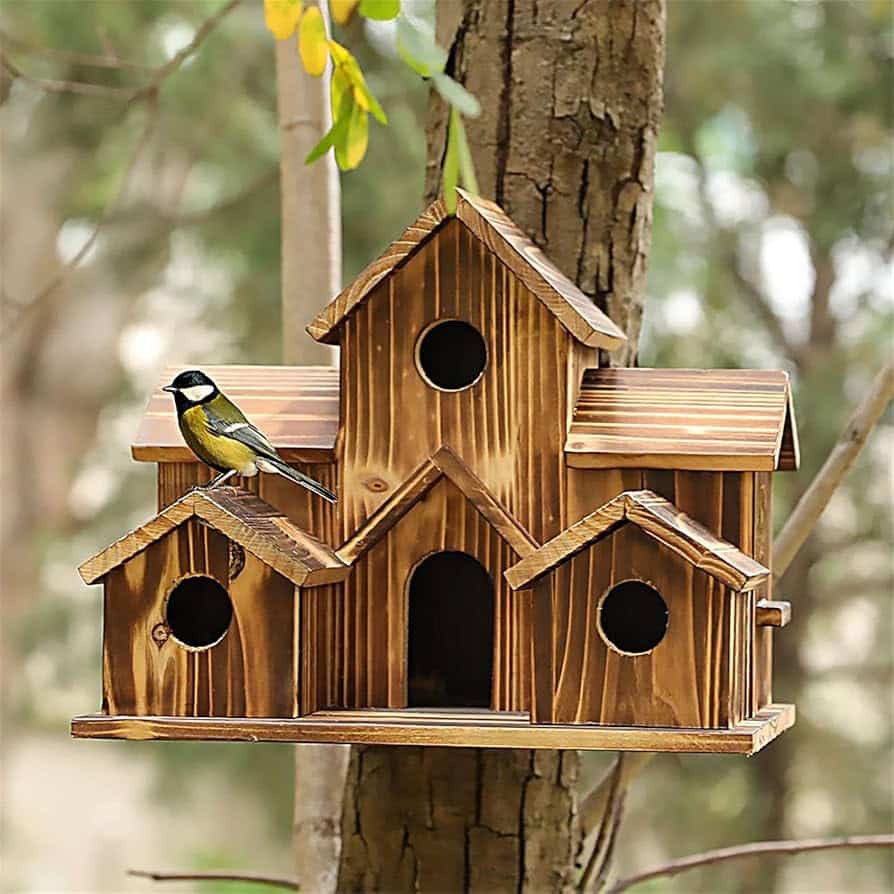
Are you looking to invite more colorful birds into your garden or backyard? Building or placing the right bird houses can make all the difference.
Imagine waking up to the cheerful songs of birds every morning, right outside your window. With the right bird house, you’re not just providing a home—you’re creating a lively, natural space filled with beauty and life. You’ll discover simple tips and expert advice to attract a variety of birds, turning your outdoor space into a peaceful haven.
Ready to see your garden come alive with fluttering wings and happy chirps? Let’s dive in!
Choosing The Right Bird House
Choosing a bird house helps attract birds to your garden. Picking the right one keeps birds safe and comfortable.
Think about materials, size, and how the house handles air and water. These details make a big difference.
Materials That Last
Wood is the best choice for bird houses. It stays strong and lets air pass through. Avoid metal or plastic because they get too hot or cold.
- Cedar and pine are good woods to use.
- Make sure the wood is untreated and safe for birds.
- Check that the paint or finish is non-toxic if used.
Size Matters
Bird houses come in many sizes. Choose one that fits the birds you want to attract. Small birds need small houses; bigger birds need larger spaces.
| Bird Species | Entrance Hole Size | Floor Space |
| Wrens | 1 inch | 4 x 4 inches |
| Chickadees | 1 1/8 inches | 5 x 5 inches |
| Bluebirds | 1 1/2 inches | 6 x 6 inches |
| Tree Swallows | 1 1/2 inches | 6 x 6 inches |
Ventilation And Drainage
Good airflow keeps birds cool and dry. Drain holes help water escape after rain. These features stop mold and keep birds healthy.
- Make small holes near the top for air circulation.
- Drill holes in the floor for water drainage.
- Keep the house clean to avoid pests and disease.
Best Locations For Bird Houses
Placing bird houses in the right locations helps attract more birds. Birds look for safe and comfortable spots to nest.
Choosing good locations means thinking about height, safety, and light. These factors keep birds happy and safe.
Height And Placement
Bird houses should be placed at the right height to attract birds. Most birds like houses between 5 to 12 feet above the ground.
Place houses where birds can easily fly in and out. Avoid spots near busy paths or noisy areas.
- Mount bird houses on poles or tree trunks
- Face the entrance away from strong winds
- Leave clear flying paths around the house
Avoiding Predators
Protect birds by placing houses where predators cannot reach them. Keep houses away from fences or low branches.
Use predator guards or baffles on poles to stop animals like cats and raccoons.
- Install bird houses at least 5 feet above the ground
- Keep distance from places predators hide
- Add metal or plastic guards on mounting poles
Sunlight And Shade
Bird houses need some sunlight but also shade. Too much sun can make nests too hot for birds.
Place houses where they get morning sun and afternoon shade. This helps keep birds cool and safe.
- Face bird house entrances east or southeast
- Avoid full sun spots during hot afternoons
- Use trees or shrubs for natural shade
Types Of Bird Houses For Different Species
Bird houses can attract many bird species to your yard. Choosing the right type helps birds feel safe and comfortable. Different birds need different homes.
This guide covers common bird house types for small birds, cavity nesters, and specialty needs.
Houses For Small Birds
Small birds like wrens, chickadees, and bluebirds prefer cozy, simple houses. The size of the entrance hole is important to keep out bigger birds.
- Entrance hole: 1 to 1.25 inches wide
- Inside floor space: about 4x4 inches
- Wood material with ventilation holes
- Placed 5 to 10 feet above ground
- Sloped roof to keep rain out
Homes For Cavity Nesters
Cavity nesters use holes in trees to build nests. Bird houses for them mimic natural tree cavities. These include species like woodpeckers and chickadees.
| Species | Entrance Hole Diameter | Height Above Ground |
| Downy Woodpecker | 1.25 inches | 6 to 10 feet |
| Chickadee | 1 1/8 inches | 5 to 15 feet |
| Tree Swallow | 1.5 inches | 5 to 15 feet |
Specialty Bird Houses
Some birds need special houses. For example, purple martins use large colony houses. Owls need bigger boxes placed high in trees.
- Purple Martin Houses: Multi-compartment with large entry holes
- Owl Boxes: Deep and wide with sturdy mounting
- Bats: Flat roosting boxes under eaves

Credit: www.amazon.com
Maintenance Tips For Bird Houses
Keeping bird houses clean and well-maintained helps birds stay healthy. Good care also makes birds visit more often.
Regular checks and simple fixes keep the bird house safe and cozy for birds. Follow easy steps to care for your bird house.
Cleaning Schedule
Clean bird houses at least once a year to remove old nests and parasites. Spring is the best time before birds arrive.
- Remove all old nesting materials
- Wash inside with warm soapy water
- Rinse well and let dry completely
- Do not use harsh chemicals that can harm birds
Repairs And Upkeep
Check the bird house for damage regularly. Fix cracks, loose parts, or sharp edges to keep birds safe.
| Issue | Repair Needed |
| Cracked wood | Replace or glue firmly |
| Loose roof | Tighten nails or screws |
| Sharp edges | Sand smooth or cover |
| Faded paint | Use bird-safe paint |
Seasonal Adjustments
Adjust the bird house for the seasons. This helps birds stay warm or cool as needed.
- In cold months, add a small layer of dry leaves inside for insulation.
- In hot months, place the house in shade to prevent overheating.
- Secure the house against strong winds or storms.
- Remove water buildup to keep the house dry.
Attracting Birds Beyond Houses
Bird houses help birds find shelter. But you can do more to attract birds to your yard.
Providing food, water, and safe plants makes birds feel welcome and safe.
Food And Water Sources
Birds need fresh food and clean water every day. Offer a variety of seeds, nuts, and fruits.
Place bird feeders and water baths in open spots. This lets birds see predators easily.
- Use sunflower seeds and millet to attract many birds
- Change water daily to keep it fresh
- Place feeders away from windows to avoid collisions
- Keep water dishes shallow and clean
Native Plants And Shelter
Native plants provide natural food and protection for birds. They also attract insects birds eat.
Tall grasses, shrubs, and trees offer safe places for birds to hide and build nests.
- Plant berry bushes like elderberry or serviceberry
- Grow native wildflowers to support insects and birds
- Keep some areas wild for natural cover
- Use dense shrubs for shelter from weather and predators
Avoiding Common Hazards
Many dangers threaten birds in yards. You can reduce these risks to keep birds safe.
Watch out for pets, window strikes, and harmful chemicals. Safe spaces help birds thrive.
- Keep cats indoors or supervise them outside
- Place bird feeders away from glass windows
- Use bird-safe window decals to reduce collisions
- Avoid pesticides and herbicides in your garden
- Remove standing water that may breed mosquitoes

Credit: www.amazon.com
Monitoring And Enjoying Your Feathered Guests
Setting up bird houses is a great way to invite birds to your yard. Watching them can be relaxing and fun. To fully enjoy your feathered guests, it helps to observe and learn about their habits.
Keeping track of their visits and treating them with care ensures a safe and happy environment. Here are some tips to help you watch, record, and respect the birds that come to your bird houses.
Bird Watching Basics
Start by finding a quiet spot near your bird houses. Use binoculars to see birds without disturbing them. Watch how they behave and what they eat.
- Keep your movements slow and calm
- Use a bird guidebook to identify species
- Note the time of day birds visit
- Listen for different bird calls
Recording Bird Activity
Recording your bird observations helps track patterns and changes over time. Use a notebook or a digital app to write down details.
| Date | Bird Species | Number Seen | Behavior Observed |
| April 10 | Bluebird | 3 | Feeding chicks |
| April 12 | Cardinal | 1 | Perched on birdhouse |
| April 15 | Chickadee | 4 | Building nest |
Respecting Wildlife
Respecting birds and their space keeps them safe and happy. Avoid touching nests or feeding birds unhealthy food.
- Keep pets away from bird houses
- Do not use pesticides near bird areas
- Provide fresh water but clean it regularly
- Observe quietly without loud noises

Credit: www.amazon.com
Frequently Asked Questions
What Types Of Birds Are Attracted To Bird Houses?
Bird houses attract cavity-nesting birds like bluebirds, chickadees, wrens, and sparrows. Different designs suit specific species. Knowing local birds helps choose the right house.
How Do I Choose The Best Bird House Size?
Choose a bird house size based on the bird species. Small houses suit wrens; larger ones fit bluebirds. Proper size ensures comfort and safety for nesting birds.
Where Should I Place Bird Houses For Best Results?
Place bird houses 5-10 feet above ground in quiet, sheltered areas. Avoid direct sunlight and strong winds. Position near trees or shrubs for cover and easy bird access.
How Do I Maintain Bird Houses For Healthy Birds?
Clean bird houses annually to prevent disease and parasites. Remove old nesting material after breeding season. Inspect for damage and ensure proper ventilation and drainage.
Conclusion
Creating bird houses can attract a variety of beautiful birds. These structures offer a safe haven for them. Choose the right size and design for your local birds. Place the bird house in a quiet, safe area. Keep it clean to ensure it's inviting.
Enjoy watching different species visit your garden. Bird houses also support local bird populations. This simple addition to your yard brings joy and color. Nature thrives when we provide a helping hand. Start today. Embrace the beauty of birds in your own backyard.


