Have you noticed your bird keep falling off his perch and wondered if something is wrong? When a bird keeps falling, slipping, or struggling to stay balanced, it’s often a sign of underlying bird balance problems or avian health issues that shouldn’t be ignored.
Many bird owners ask, why does my bird keep falling off his perch, especially when the behavior appears suddenly. From improper perch design to muscle weakness, diet problems, or aging-related changes, there are several bird falling off perch causes that can affect your bird’s stability and grip.
In this guide, we’ll break down the most common reasons behind bird slipping on perch, explain when falling is normal, and share practical bird perch safety tips to help prevent injuries and keep your bird safe.
Common Causes of Falling
Birds sometimes fall off their perch. This can worry bird owners. Understanding why this happens helps keep birds safe.
There are several reasons Bird Keep Falling off His Perch, including health, injuries, and diet problems.
Health Issues
Sick birds often have trouble gripping their perch. Illness is a common reason Bird Keep Falling off His Perch, especially when muscles or balance are affected. Birds with infections or diseases may fall more.
Common health problems that cause falling include:
- Respiratory infections making breathing hard
- Nervous system disorders affecting balance
- Muscle weakness from illness
- Parasitic infections causing discomfort
Injuries And Trauma
Birds can fall if they hurt their feet or legs. Injuries like sprains or broken bones make it hard to hold on. Trauma from accidents also causes falling.
Watch for signs like limping, swelling, or bleeding. These show your bird may be hurt and needs help.
- Foot or leg fractures
- Sprained joints
- Bruises or cuts on feet
- Wing injuries affecting balance
Nutritional Deficiencies
Poor diet can weaken a bird’s grip. Lack of vitamins or minerals causes muscle and nerve problems. Birds need a balanced diet for strong feet and good balance.
Common nutrient gaps that cause falling include:
- Calcium deficiency leading to weak bones
- Vitamin D lack causing poor muscle control
- Low protein affecting muscle strength
- Insufficient vitamins B and E for nerve health
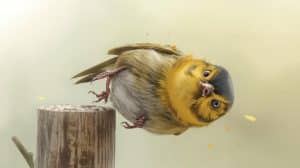
Credit: www.petco.com
Environmental Factors
Birds can fall off their perches for many reasons. One common cause is the environment around them. The place where the bird lives affect its balance and comfort.
Understanding these environmental factors helps you keep your bird safe and happy. Let’s look at some key points about perch design, cage conditions, and stress. Poor cage setup is another reason Bird Keep Falling off His Perch, particularly when perches are slippery or poorly placed.
Perch Design and Placement
The design and position of the perch affect how well your bird can hold on. If the perch is too smooth or too small, the bird may slip.
Perches placed too high or near cage doors can make your bird nervous. The wrong height or location can cause your bird to lose balance.
- Use perches with rough surfaces for better grip
- Choose perches with different thicknesses to exercise feet
- Place perches away from busy cage doors or windows
- Keep perches at comfortable heights for your bird
Cage Conditions
The cage environment plays a big role in your bird’s safety. Dirty cages or poor lighting can cause your bird to feel uneasy and lose balance.
Make sure the cage is clean and free from hazards. Wet or slippery floors and perches make it easy for your bird to fall.
- Clean the cage regularly to prevent slippery surfaces
- Use safe, non-toxic materials inside the cage
- Keep the cage in a well-lit area but avoid direct sunlight
- Check for loose wires or sharp edges that could hurt the bird
Stress And Anxiety
Stress can cause your bird to lose focus and fall off the perch. Loud noises, sudden movements, or new pets may scare your bird.
Birds need a calm and stable environment to feel safe. Anxiety can weaken their grip and make them clumsy.
- Keep the bird’s environment quiet and calm
- Limit sudden changes around the cage
- Give your bird time to adjust to new surroundings
- Provide toys and activities to reduce boredom and stress
Behavioral Reasons
Birds may fall off their perch due to several behavioral causes. These reasons relate to changes in their activity or health.
Understanding these behaviors helps bird owners provide better care and support for their pets.
Age-related Changes
As birds grow older, their balance and strength might weaken. Older birds may find it harder to hold on to their perch firmly.
They can become less steady due to muscle loss or joint stiffness. This natural aging can cause occasional slips or falls.
Lack Of Exercise
Birds need regular activity to keep their muscles strong. Without enough exercise, their grip and balance weaken.
- Inactive birds lose muscle tone.
- Weak muscles make it hard to stay on the perch.
- Exercise helps improve coordination and balance.
- Encouraging flight and climbing can prevent falls.
Molting Period
Molting causes birds to shed old feathers and grow new ones. This process can make birds feel tired and less steady.
| Molting Stage | Bird Behavior | Effect on Perching |
|---|---|---|
| Early Molt | Feathers start to fall out | Bird may feel weak and unbalanced |
| Mid Molt | New feathers growing | Bird might be clumsy and less active |
| Late Molt | Feathers almost full grown | Balance improves but still cautious |
Credit: windycityparrot.com
Signs Of Serious Problems
If your bird keeps falling off his perch, it may mean a serious health issue. Birds hide pain well. Watch for warning signs.
Not all falls are the same. Some signs show your bird needs urgent care. Learn to spot these signs early.
Changes In Appetite
A bird that stops eating or drinks less may be very sick. Lack of appetite can cause weakness and poor balance.
Notice if your bird suddenly refuses favorite foods or eats much less than usual. This change is a red flag.
Abnormal Movements
Watch how your bird moves on the perch. Shaking, wobbling, or falling often shows nerve or muscle problems.
Unusual head tilts, stiff legs, or slow reactions also point to serious health issues. Do not ignore these signs.
- Frequent loss of balance
- Unsteady walking or hopping
- Head shaking or tilting
- Slow or weak movements
Visible Injuries
Check your bird for cuts, swelling, or bleeding. Injuries can cause pain and make it hard to hold on.
Look closely at wings, feet, and legs. Broken bones or wounds need quick treatment to prevent worse problems.
- Red or swollen areas
- Bleeding or open wounds
- Missing feathers near injury
- Bird avoids using one leg or wing
Preventive Measures
Birds may fall off their perch due to many reasons. It is important to take steps to keep your bird safe and healthy.
Preventive measures help reduce accidents and improve your bird’s well-being. Focus on good care habits.
Choosing The Right Perch
Pick a perch that fits your bird’s size and feet shape. A comfortable perch keeps your bird steady.
Use perches with different textures and thickness. Avoid very smooth or slippery surfaces to prevent falls.
- Natural wood perches are good for grip
- Use perches with varied diameters
- Clean perches regularly to avoid germs
- Place perches away from cage edges
Regular Vet Checkups
Take your bird to the vet often. Regular checkups catch health problems early.
Some illnesses cause weakness or balance issues. The vet can give medicine or advice to help your bird.
- Schedule checkups every six months
- Watch for signs of illness like wobbling
- Ask the vet about your bird’s diet and care
- Follow vet instructions carefully
Balanced Diet Tips
Feed your bird a balanced diet with vitamins and minerals. Good nutrition supports strong muscles and bones.
Include fresh fruits, vegetables, and quality pellets. Avoid too many seeds or junk food.
- Offer fresh veggies daily like carrots and spinach
- Use pellet food made for your bird species
- Limit seeds to a small part of the diet
- Provide clean water every day
Credit: windycityparrot.com
When To Seek Professional Help
If your bird keeps falling off his perch, it may be a sign of a problem. Knowing when to get help can protect your bird’s health.
This guide explains when you should contact a vet or specialist for your bird’s safety and well-being.
Emergency Situations
Some signs mean your bird needs urgent care. Act fast if you see these symptoms:
- Sudden loss of balance or falling frequently
- Bleeding or visible injuries
- Difficulty breathing or gasping
- Unresponsiveness or extreme weakness
- Seizures or shaking
In these cases, take your bird to an emergency vet immediately.
Ongoing Behavioral Issues
If your bird falls often but shows no clear injury, behavioral problems might be the cause. Look for these signs:
- Sudden changes in activity or mood
- Loss of appetite or drinking less
- Excessive biting or feather plucking
- Repeated falls without obvious cause
- Unusual vocal sounds or silence
Consult an avian vet or a bird behaviorist to find the cause and get a treatment plan.
Specialist Referrals
Sometimes, general vets may need help from specialists. These experts can provide deeper care.
| Specialist | Role | When to See |
|---|---|---|
| Avian Neurologist | Diagnoses nerve and brain issues | If your bird shows seizures or poor coordination |
| Avian Behaviorist | Helps with stress and habits | When behavioral problems cause falls |
| Avian Orthopedist | Treats bone and joint problems | If your bird has fractures or leg weakness |
Frequently Asked Questions
Why Does My Bird Keep Slipping Off the Perch?
Birds may slip due to poor perch grip or slippery surfaces. Check perch texture and bird’s foot health for problems.
Can Health Issues Cause Birds to Fall Off Perches?
Yes, illnesses like arthritis or neurological problems can affect balance. Consult a vet if falling persists.
How Can I Make Perches Safer for My Bird?
Use varied textures and diameters for perches. Ensure perches are stable and non-slippery to improve grip.
Does Perch Size Affect My Bird’s Stability?
Yes, incorrect perch size can cause discomfort and slipping. Choose a perch fitting your bird’s foot size well.
Conclusion
Your bird’s well-being is important. Keep an eye on his behavior. A falling bird could signal health issues. Check his perch for stability. Ensure it fits his size. Consult a vet if falls continue. Sometimes, it’s just a playful act.
Other times, it needs attention. Birds need a safe environment. Provide toys and exercise. Keep him engaged and happy. Watch for changes in his routine. Early action can prevent bigger issues. Your feathered friend deserves a safe perch. A little care goes a long way. Keep him healthy and thriving. Knowing why Bird Keep Falling off His Perch helps you take early action and protect your bird’s health.