Have you ever wondered where birds go when the seasons change? Bird migration is a fascinating natural event that happens all around the world.
But understanding the routes, reasons, and challenges these birds face can be tricky. That’s where bird migration infographics come in. They turn complex information into clear, eye-catching visuals that make learning easy and fun. You’ll discover how these infographics can deepen your knowledge and spark your curiosity about the incredible journeys birds take every year.
Keep reading to unlock the secrets of bird migration like never before!

Credit: motus.org
Migration Basics
Bird migration is the regular movement of birds between breeding and wintering areas. Many birds travel long distances each year.
This journey helps birds survive in different seasons by finding food and better climates.
Why Birds Migrate
Birds migrate to find more food and safer places to live. Seasons change, and food becomes scarce in some areas.
Migration helps birds avoid harsh weather and raise their young in better conditions.
Common Routes
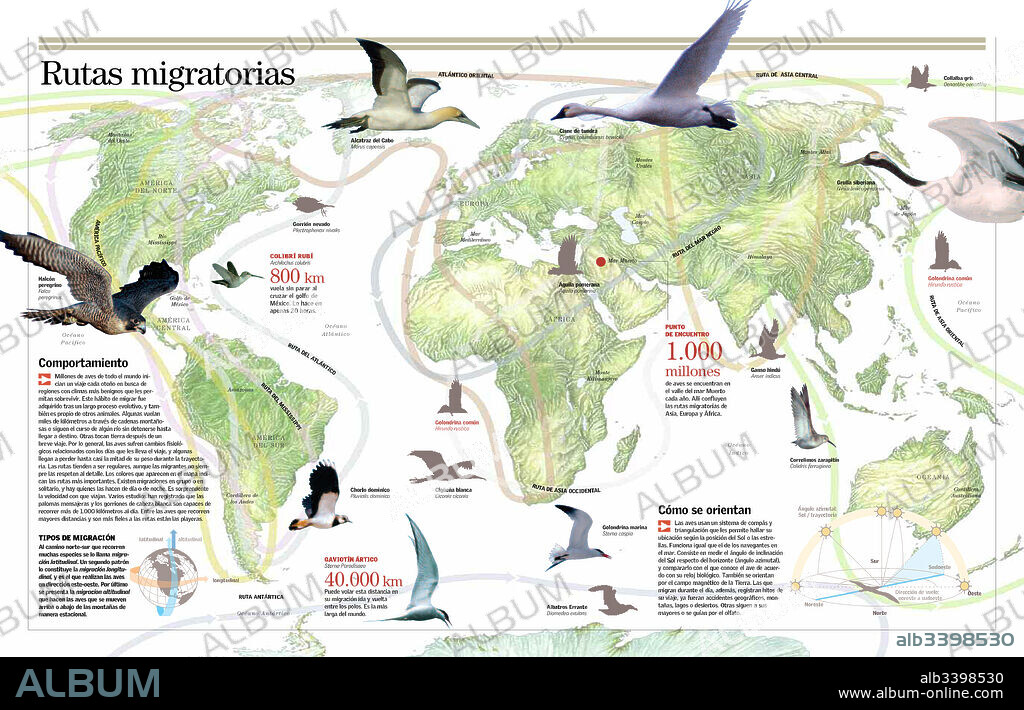
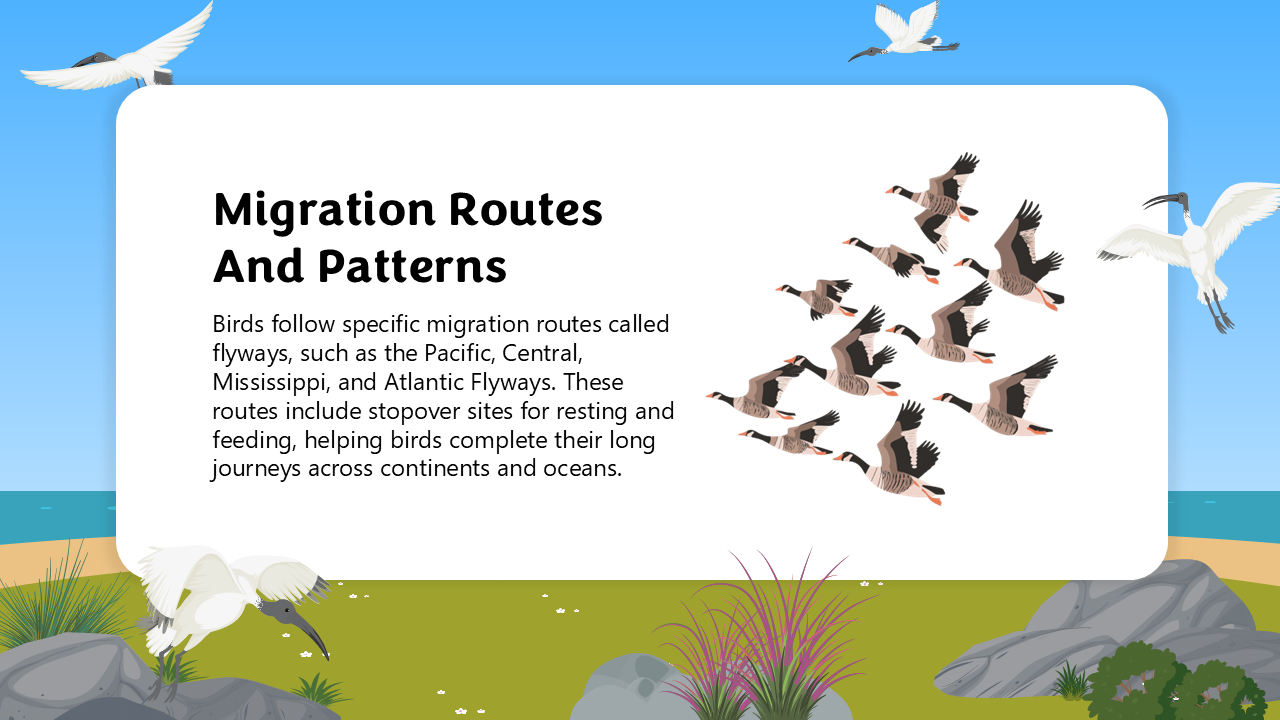
Birds use well-known paths called flyways. These routes have good stopping places for rest and food.
- Atlantic Flyway: along the east coast of North America
- Pacific Flyway: along the west coast of North America
- Central Flyway: through the middle of North America
- Mississippi Flyway: near the Mississippi River
Timing And Triggers
Birds know when to migrate by sensing changes in daylight and temperature. These changes trigger their instincts.
They usually start in early fall and return in spring. Some birds travel at night, guided by stars and earth’s magnetic field.
Visualizing Flight Paths
Bird migration shows how birds travel long distances. Visual tools help us see their flight paths clearly.
These visualizations use maps and data to track where birds fly during different seasons.
Mapping Techniques
Scientists use several methods to map bird migration routes. These include satellite tracking, radar, and banding.
- Satellite tracking shows exact flight paths.
- Radar detects large groups of flying birds.
- Banding helps identify birds when caught again.
- Geolocators record location by daylight and darkness.
Popular Migration Corridors
Birds often follow common routes called migration corridors. These paths connect breeding and wintering areas.
| Corridor | Region | Bird Species |
| Atlantic Flyway | Eastern North America | Warblers, Ducks |
| Mississippi Flyway | Central North America | Geese, Hawks |
| Pacific Flyway | Western North America | Shorebirds, Swans |
| East Asian-Australasian Flyway | Asia to Australia | Storks, Plovers |
Seasonal Variations
Bird flight paths change with seasons. They move to warmer places in winter and return in spring.
Seasonal changes affect migration like this:
- Spring: Birds fly north to breed.
- Summer: Birds stay in breeding areas.
- Fall: Birds fly south to warmer regions.
- Winter: Birds rest in wintering grounds.
Species Spotlight
Bird migration fascinates many people. Birds travel long distances each year. They move to find food, breed, or avoid cold weather.
This spotlight shows different types of migrating birds. Learn about their unique journeys and habits.
Long-distance Travelers
Some birds fly thousands of miles across continents and oceans. These long-distance travelers face many challenges like storms and predators.
- Arctic Tern: Flies from the Arctic to the Antarctic every year.
- Bar-tailed Godwit: Known for its non-stop flight over the Pacific Ocean.
- Swainson’s Hawk: Migrates between North and South America.
Regional Migrants
Other birds travel shorter distances within a region. They move to find better weather or food sources.
| Bird Species | Migration Range | Reason for Migration |
|---|---|---|
| American Robin | North America | Find food in winter |
| European Starling | Europe | Escape harsh winter |
| White-throated Sparrow | North America | Better breeding areas |
Unique Migration Stories
Some birds have unusual migration habits. Their stories show how diverse bird travel can be.
Examples of Unique Migration:
- Common Cuckoo: Uses other birds’ nests to lay eggs during migration.
- Red Knot: Doubles its weight before long flights.
- Grey-cheeked Thrush: Navigates using stars at night.

Credit: www.freepik.com
Environmental Impact
Bird migration is a natural event that affects many ecosystems. It helps keep nature balanced and supports life cycles.
Understanding the environmental impact of bird migration can help protect birds and their habitats. This is important for the health of our planet.
Climate Change Effects
Climate change changes the temperature and weather patterns. This affects when and where birds migrate.
Some birds may arrive too early or too late at their destinations. This can cause problems for their survival.
- Warmer temperatures shift migration routes
- Unpredictable weather can harm migrating birds
- Food sources may not be available at the right time
Habitat Loss
Birds need safe places to rest and feed during migration. Many of these habitats are disappearing.
Urban growth, farming, and logging reduce the natural areas birds rely on. This makes migration harder and more dangerous.
- Wetlands and forests are often destroyed
- Loss of stopover sites reduces bird survival
- Pollution also harms bird habitats
Conservation Efforts
People work to protect birds and their migration paths. Conservation efforts help keep bird populations healthy.
Creating safe areas and laws helps birds find food and shelter. Education also raises awareness about bird protection.
- Protecting wetlands and forests
- Creating bird-friendly parks and reserves
- Reducing pollution and harmful chemicals
- Monitoring bird migration with technology
Tech Tools For Tracking
Bird migration is a natural wonder. Tracking helps us learn where and how birds travel.
Technology has made it easier to follow birds on long journeys. Different tools show detailed data.
Satellite Tracking
Satellite tracking uses small devices attached to birds. These devices send signals to satellites.
The satellites catch the signals and tell scientists the bird’s location. This helps track long flights.
- Tracks birds over oceans and remote areas
- Gives real-time location updates
- Helps study migration speed and routes
Radar And Sensors
Radar systems detect birds flying in groups. They send radio waves that bounce off birds.
Sensors collect data on bird size, speed, and direction. This helps map migration patterns.
- Works well during bad weather or night
- Tracks large flocks in the sky
- Monitors bird movements near airports
Citizen Science Contributions
Many people help track birds by reporting sightings. Apps and websites collect this information.
Citizen reports add data from many places. This helps fill gaps where tech tools cannot reach.
- Bird watchers submit photos and locations
- Data helps track rare or local species
- Engages the public in bird conservation
Credit: www.slideegg.com
Interpreting Infographics
Bird migration infographics show patterns of bird movement across regions. These visuals help explain when and where birds travel during seasons.
Understanding these infographics makes it easier to learn about bird behavior and migration routes.
Color Coding
Colors in bird migration infographics represent different data types. Commonly, colors show seasons, species, or migration intensity.
- Blue often marks wintering areas
- Green indicates breeding regions
- Red highlights stopover sites
- Yellow shows migration paths
Symbol Usage
Symbols help identify bird types, flight direction, and speed. They also show important landmarks or obstacles.
| Symbol | Meaning |
| Arrow → | Direction of migration |
| Circle ● | Resting or stopover point |
| Triangle ▲ | Breeding site |
| Square ■ | Wintering ground |
Data Sources
Bird migration data comes from many places. These include tracking devices, bird counts, and scientific studies.
Common data sources are:
- Satellite tracking
- Radar monitoring
- Bird banding records
- Citizen science observations
Frequently Asked Questions
What Is Bird Migration Infographics?
Bird migration infographics visually explain bird movement patterns. They highlight routes, timings, and species involved. These infographics simplify complex data, making it easier to understand migration behaviors.
Why Are Bird Migration Infographics Important?
They help researchers and enthusiasts visualize migration trends quickly. Infographics raise awareness about bird conservation and environmental changes affecting migration. They make data accessible for education and policymaking.
How Do Birds Navigate During Migration?
Birds use Earth’s magnetic field, sun, stars, and landmarks. They combine innate instincts with environmental cues. Infographics often illustrate these navigation methods clearly.
What Species Are Commonly Shown In Migration Infographics?
Common species include Arctic Terns, Swallows, and Canada Geese. Infographics focus on popular or endangered migratory birds. These examples help highlight diverse migration strategies.
Conclusion
Bird migration infographics captivate and educate all ages. They simplify complex journeys. These visuals bring the beauty of nature to life. Birdwatchers and students benefit greatly. Infographics make learning easy and fun. They highlight patterns and migration routes clearly. Curiosity about birds increases with these tools.
Understanding migration helps in bird conservation efforts. Infographics are perfect for classrooms and nature enthusiasts. They offer a fresh perspective on bird behavior. Keep exploring these visual aids for more insights. Nature’s wonders are truly endless and fascinating. Bird migration remains a marvel to explore and appreciate.