
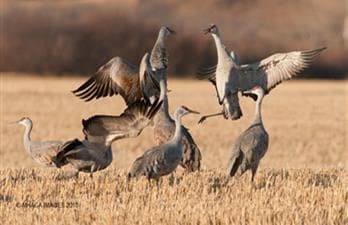
Have you ever wondered what it feels like to witness thousands of birds taking flight together, painting the sky with their colors and patterns? Bird migration tours offer you a chance to see this incredible natural spectacle up close.
Imagine standing in a quiet spot, surrounded by nature, as flocks of birds pass by on their long journey. This experience can change the way you see the world and connect you deeply with wildlife. If you want to discover the best places, tips, and secrets to make your bird migration tour unforgettable, keep reading.
Your adventure awaits!
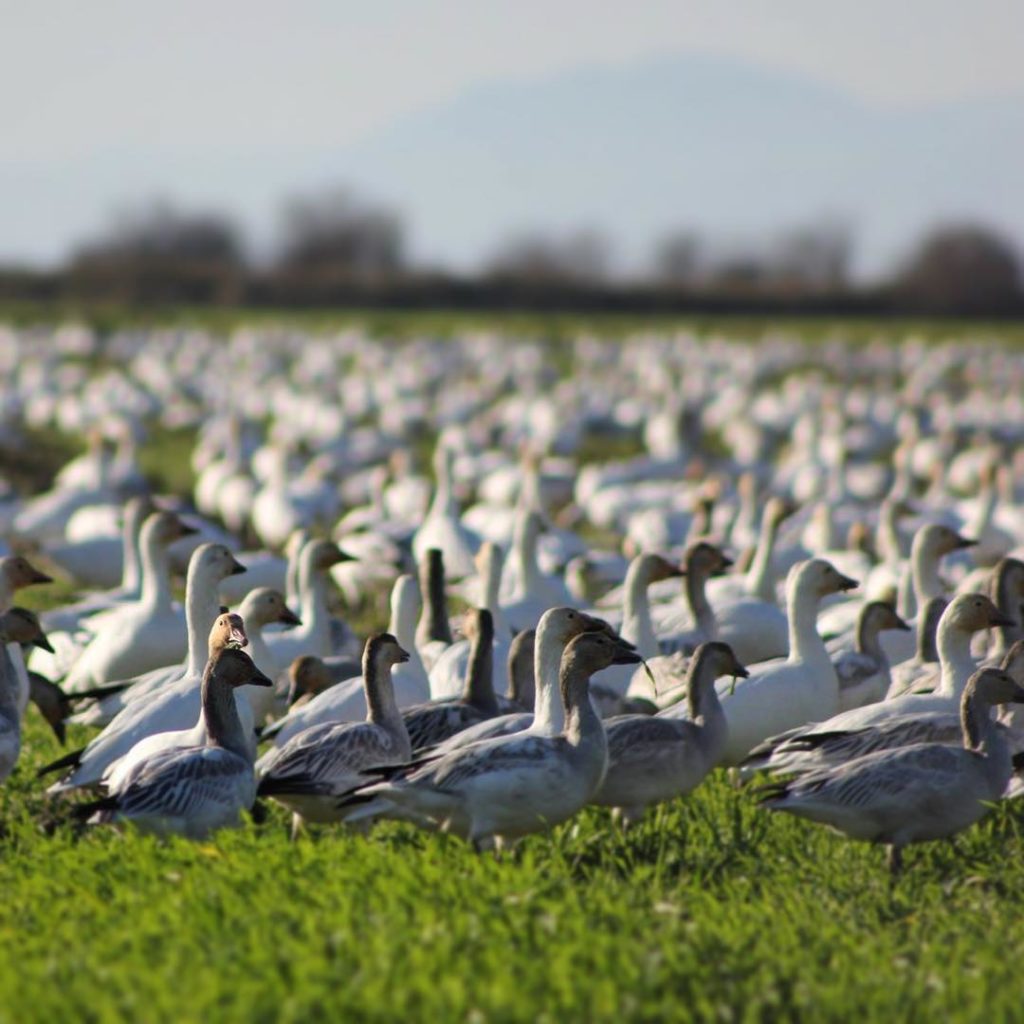
Credit: www.hellobc.com
Top Bird Migration Destinations
Bird migration tours offer a chance to see many species traveling between their breeding and winter homes. Watching birds on their long journeys is exciting for nature lovers.
Different continents have special places where many birds gather during migration. These spots are great for birdwatching and learning about bird behavior.
North American Hotspots
North America has many important sites for bird migration. Places like the Gulf Coast and the Great Lakes attract millions of birds each year.
Key locations include Cape May in New Jersey and Point Pelee in Canada. These spots offer chances to see warblers, hawks, and waterfowl.
- Cape May, New Jersey
- Point Pelee, Ontario
- Monomoy Island, Massachusetts
- Gulf Coast of Texas
European Flyways
Europe has famous bird migration routes called flyways. Birds travel from northern Europe to Africa and southern Europe for winter.
The Camargue in France and Doñana National Park in Spain are top birdwatching sites. They host flamingos, storks, and many water birds.
- Camargue, France
- Doñana National Park, Spain
- Vejle Fjord, Denmark
- Lake Kerkini, Greece
Asian Migration Routes
Asia has vast migration paths crossing deserts, mountains, and wetlands. Birds travel between Siberia and Southeast Asia during migration.
Important sites include the Thar Desert and Bharatpur Bird Sanctuary in India. These areas show large flocks of cranes, ducks, and raptors.
- Bharatpur Bird Sanctuary, India
- Thar Desert, India and Pakistan
- Lake Baikal, Russia
- Mai Po Marshes, Hong Kong
African Birdwatching Sites
Africa is a key destination for many migrating birds from Europe and Asia. The continent has wetlands and forests that support huge bird populations.
The Okavango Delta in Botswana and Lake Nakuru in Kenya are famous spots. They attract flamingos, pelicans, and many colorful birds.
- Okavango Delta, Botswana
- Lake Nakuru, Kenya
- Kruger National Park, South Africa
- Djoudj National Bird Sanctuary, Senegal
Australian Bird Migration
Australia has unique bird migration routes along its coasts and inland wetlands. Birds move between Australia and New Zealand or Southeast Asia.
The Coorong in South Australia and Kakadu National Park in the Northern Territory are top places to see migrating birds like shorebirds and parrots.
- The Coorong, South Australia
- Kakadu National Park, Northern Territory
- Moreton Bay, Queensland
- Western Treatment Plant, Victoria
Best Times To Join Tours
Bird migration tours let you see many birds in one trip. Choosing the right time helps you spot more species.
Different seasons bring different migration patterns. Knowing these times improves your tour experience.
Spring Migration Peaks
Spring is a busy time for birds moving north to breed. Many species pass through during these weeks.
Peak migration happens from March to May. You can see warblers, hawks, and waterfowl in large numbers.
- March: Early migrants like ducks and geese
- April: Songbirds and raptors increase
- May: Last waves of warblers and shorebirds
Fall Migration Highlights
Fall migration moves birds south to warmer places. It often lasts longer than spring migration.
Birds like hawks, sparrows, and thrushes are common from August to November. Some species are easier to spot.
- August: Early migrants start moving
- September to October: Peak migration for many species
- November: Last migrants head south
Seasonal Weather Considerations
Weather affects bird movement and your comfort on tours. It can change quickly during migration seasons.
Spring can be cool and rainy. Fall often brings mild temperatures but may have strong winds or early frost.
- Check weather forecasts before your tour
- Dress in layers for changing temperatures
- Bring rain gear in spring and fall
- Wind can affect bird flight patterns
Choosing The Right Tour
Bird migration tours offer a chance to see amazing birds in their natural routes. Picking the right tour matters a lot for your experience.
This guide helps you choose between different tour types based on your needs and preferences.
Small Group Vs. Large Group Tours
Small group tours give a quiet and personal feel. You can get close to birds and learn more from guides. Large groups are often more social and can be cheaper.
- Small groups have fewer people, less noise, and more focus.
- Large groups can cover bigger areas and have more eyes to spot birds.
- Small groups may cost more but offer a better chance to ask questions.
- Large groups are good for meeting many bird lovers.
Guided Vs. Self-guided Options
Guided tours include experts who lead you and share knowledge. Self-guided tours let you explore on your own schedule. Both have good points.
| Tour Type | Advantages | Considerations |
| Guided | Expert help, easy navigation, social | Less flexible, costlier |
| Self-Guided | Flexible timing, often cheaper | Need good planning, less support |
Specialized Birdwatching Tours
Some tours focus on specific birds or themes, like raptors or wetlands. These tours often attract serious birders. They can offer rare sightings and expert talks.
- Target rare or local bird species
- Learn from guides with deep knowledge
- Use special gear or techniques
- Meet others with the same birding interests
Essential Gear For Birdwatching
Bird migration tours offer a great chance to see many bird species. Having the right gear helps you enjoy the experience more.
This guide covers key equipment you need for birdwatching. Being prepared makes spotting birds easier and more fun.
Binoculars And Spotting Scopes
Good binoculars are the most important tool for birdwatching. They help you see birds clearly from a distance.
Spotting scopes give even more detail. They are useful for watching birds far away or in open areas.
- Choose binoculars with 8x or 10x magnification
- Look for wide lenses to gather more light
- Spotting scopes need a sturdy tripod
- Consider weather-resistant models for outdoor use
Clothing And Footwear
Wear comfortable clothes that match the weather. Dress in layers to adjust as temperatures change.
Sturdy shoes help you walk on rough paths. Waterproof boots keep your feet dry in wet areas.
- Wear neutral colors to avoid scaring birds
- Use hats and sunglasses for sun protection
- Bring rain gear if rain is expected
- Choose shoes with good grip for safety
Photography Equipment
Camera gear helps capture bird photos during migration tours. A good lens lets you take close shots without disturbing birds.
Tripods keep your camera steady. Extra batteries and memory cards ensure you do not miss any moments.
- Use telephoto lenses for distant birds
- Carry a lightweight tripod for stability
- Bring protective cases for your equipment
- Keep spare batteries and memory cards
Wildlife Ethics And Conservation
Bird migration tours offer a chance to see amazing wildlife. It is important to act with care and respect. Protecting birds and their homes helps keep nature healthy.
Following good ethics supports conservation. It ensures birds stay safe during their long journeys. Tourists and guides share the responsibility to protect wildlife.
Minimizing Disturbance
Birds can be scared or stressed by loud noises and close contact. Keeping a safe distance helps them feel calm. Use binoculars and cameras with zoom to watch without getting too close.
- Stay quiet and move slowly near birds
- Avoid touching or feeding wild birds
- Use paths and avoid trampling vegetation
- Limit group size to reduce noise and impact
Supporting Local Conservation Efforts
Many communities work hard to protect bird habitats. Supporting these efforts helps keep migration routes safe. Visitors can contribute by learning and donating to local projects.
| Support Method | How It Helps |
| Donating to local groups | Funds habitat protection and research |
| Buying local guides and products | Supports community income and conservation |
| Volunteering for habitat clean-ups | Improves bird environments |
Respecting Habitats And Species
Each bird species has unique needs. Protecting their homes means protecting them. Do not remove plants or disturb nests. Leave the area as you found it.
Tips to Respect Habitats:
- Stay on marked trails to avoid damage
- Do not collect feathers or eggs
- Observe seasonal rules for sensitive areas
- Report any illegal activity to authorities

Credit: wingsbirds.com
Tips For A Successful Experience
Bird migration tours offer a chance to see amazing wildlife in action. To enjoy these tours fully, you need some simple skills and good habits.
Being prepared helps you observe birds carefully, record what you see, and stay safe during the trip. Here are some useful tips to guide you.
Patience And Observation Techniques
Watching migrating birds takes time and focus. Stay quiet and move slowly to avoid scaring them. Use binoculars to see birds clearly without disturbing them.
- Find a comfortable spot to wait for birds
- Look for movement in trees and skies
- Note bird shapes, colors, and flight patterns
- Use a field guide or app to identify species
Recording Sightings
Keeping a record of bird sightings helps track migration patterns. Write down details like species, number, location, and time.
| Information | Details to Record |
| Species | Common and scientific names |
| Number | Count of birds seen |
| Location | Exact place or GPS coordinates |
| Time | Date and time of sighting |
| Behavior | Flying, feeding, resting, etc. |
Health And Safety On Tours
Staying safe and healthy is key to enjoying bird migration tours. Prepare for weather and terrain to avoid problems.
- Wear suitable clothing and sturdy shoes
- Bring water and snacks to stay hydrated and energized
- Use insect repellent to prevent bites
- Follow the guide’s safety rules at all times
- Carry a small first aid kit for emergencies
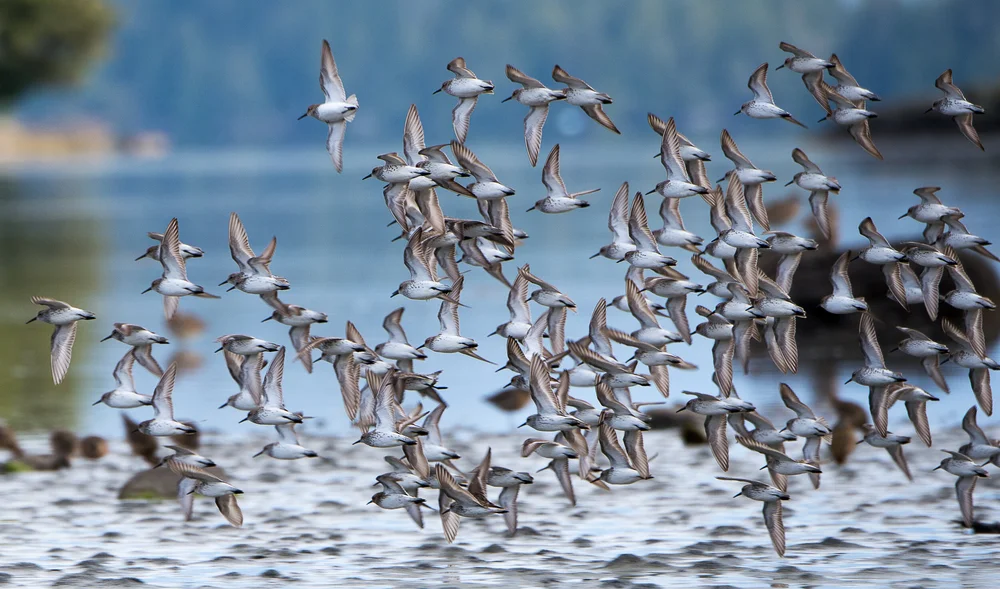
Credit: www.tofinowhalecentre.com
Frequently Asked Questions
What Are Bird Migration Tours?
Bird migration tours are guided trips focused on observing migratory birds. They offer chances to see unique species during seasonal movements. These tours combine birdwatching with education about migration patterns and habitats.
When Is The Best Time For Bird Migration Tours?
The best time depends on the region and bird species. Typically, spring and fall are ideal for migration tours. These seasons feature peak movements when many birds travel between breeding and wintering grounds.
Which Locations Offer Top Bird Migration Tours?
Top locations include coastal wetlands, national parks, and wildlife refuges. Popular spots are the Florida Everglades, Costa Rica’s rainforests, and the Mississippi River flyway. These areas attract diverse migratory bird populations.
How To Prepare For A Bird Migration Tour?
Pack binoculars, comfortable clothing, and field guides. Bring water, snacks, and sun protection. Learn about local birds beforehand to enhance your experience during the tour.
Conclusion
Bird migration tours offer unique experiences. You witness nature’s wonders up close. These tours provide insight into birds’ incredible journeys. They fly thousands of miles each year. Understanding their migration patterns deepens appreciation for wildlife. It’s a perfect chance to connect with nature.
Birdwatchers of all levels can enjoy these tours. Nature enthusiasts find them truly rewarding. Observing birds in their natural habitat is unforgettable. Discover new bird species and habitats. It’s an adventure that’s both educational and thrilling. Book a bird migration tour today.
Embrace the beauty of nature’s grand spectacle.



