Have you ever stopped to think about the tiny homes birds build to raise their young? These nests are more than just twigs and leaves—they are vital for the survival of many bird species.
But with changing environments and human activities, these safe spaces are disappearing fast. That’s where bird nest conservation programs come in. If you care about protecting wildlife and want to learn how simple actions can make a big difference, this article is for you.
Keep reading to discover how these programs work and how you can help safeguard the future of our feathered friends.
Importance Of Bird Nest Conservation
Bird nests are vital for the survival of many bird species. Conserving these nests helps protect birds and their young.
Protecting bird nests also supports nature and keeps animal populations healthy. Many programs focus on saving these nests.
Role In Wildlife Preservation
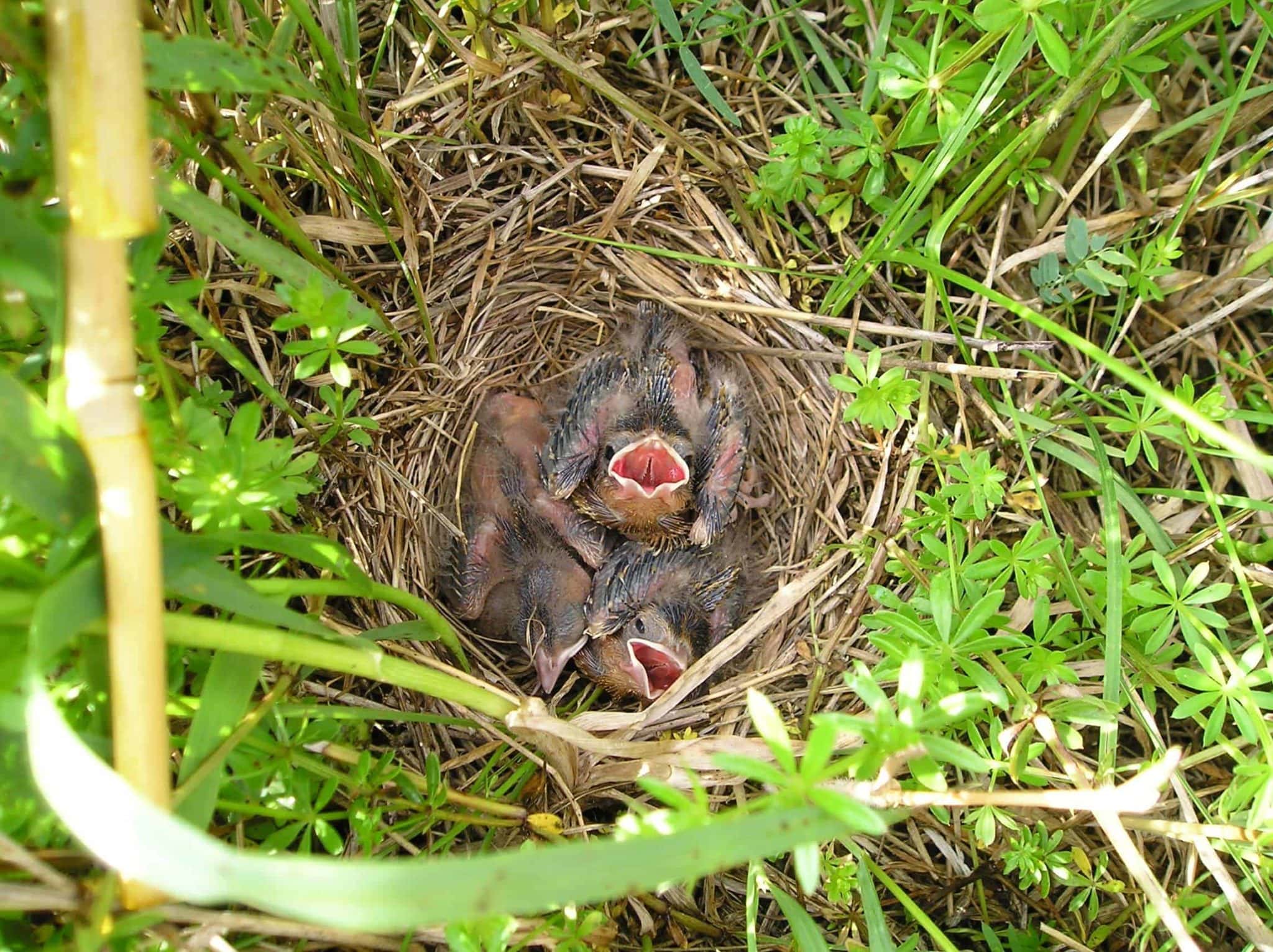
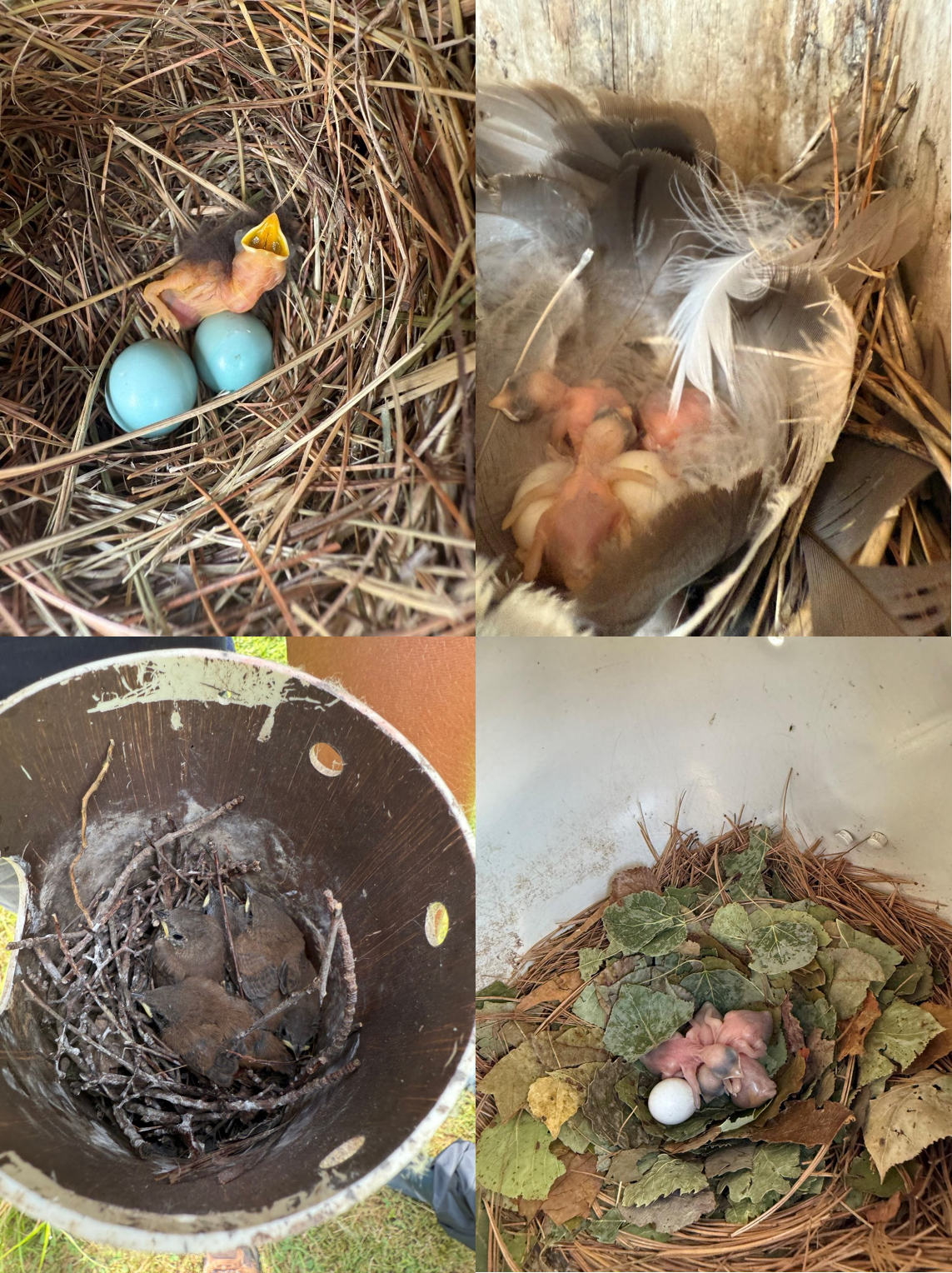
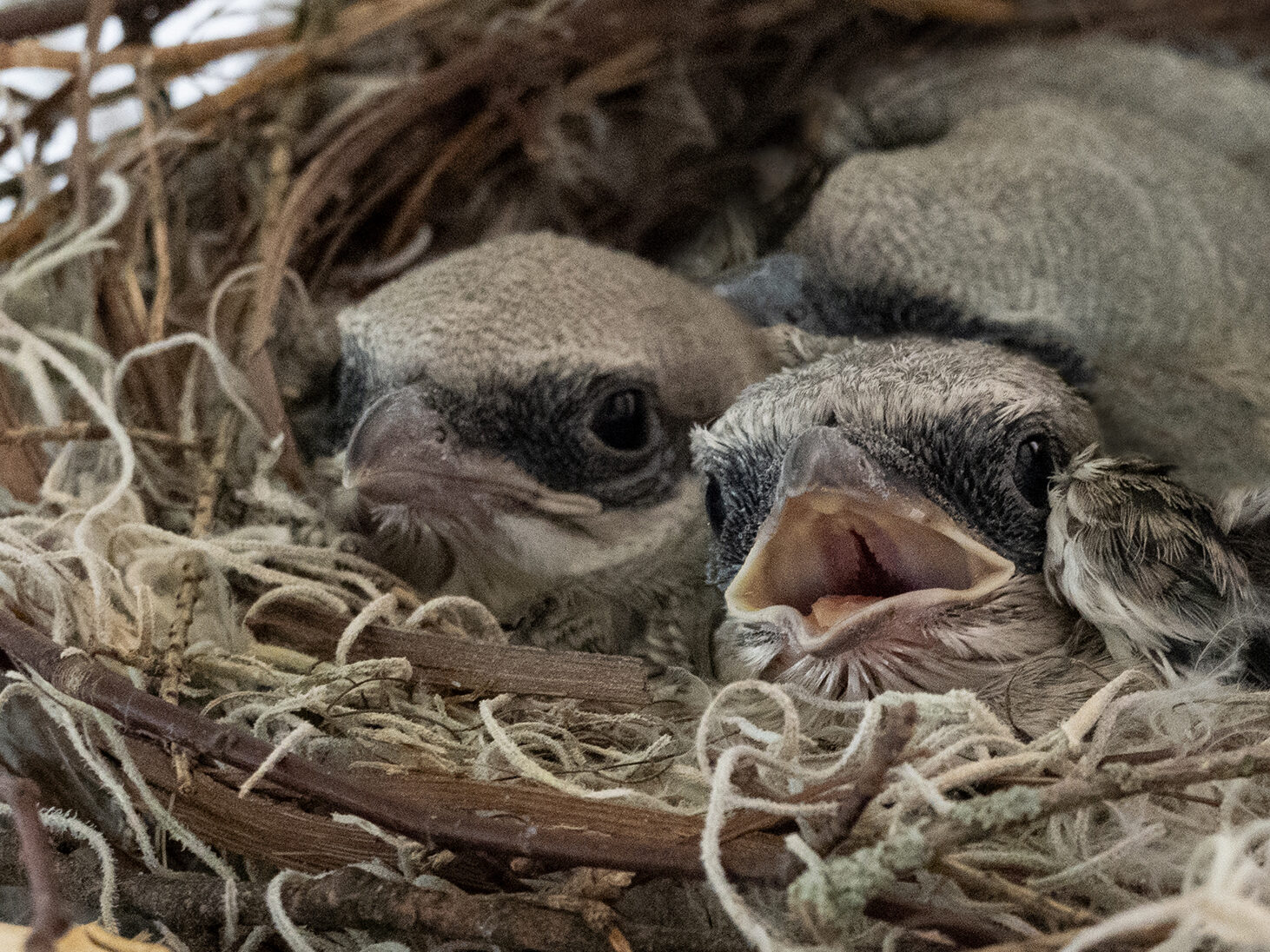
Bird nests provide shelter and safety for eggs and chicks. They help birds raise their young safely.
Conserving nests stops the loss of bird species. It keeps birds from becoming rare or extinct.
- Protects breeding sites
- Supports bird population growth
- Prevents disturbance from humans
Impact On Ecosystem Health
Birds help control insects and spread seeds. Healthy bird populations improve the balance of nature.
Saving bird nests keeps ecosystems strong. It supports many other plants and animals in the environment.
- Maintains food chains
- Supports plant growth through seed dispersal
- Reduces pest insect numbers
Credit: finwr.org
Common Threats To Bird Nests
Bird nests face many dangers that affect bird populations worldwide. Protecting nests helps maintain healthy bird communities.
Understanding these threats is key to supporting bird conservation efforts and ensuring birds can safely raise their young.
Habitat Loss And Urbanization
Many bird species lose their natural homes when forests are cut down or land is developed. Urban growth removes trees and plants that birds use for nesting. This loss reduces safe places for birds to build nests and find food.
- Deforestation removes nesting trees.
- Building roads and houses disrupts habitats.
- Pollution in cities harms birds and their nests.
- Light and noise disturb nesting birds.
Predation And Human Disturbance
Bird nests face threats from predators like cats, raccoons, and snakes. These animals can eat eggs and young birds. People may also disturb nests by getting too close or handling them. This can cause birds to abandon their nests.
| Threat | Impact on Nests |
| Domestic Cats | Eat eggs and chicks |
| Raccoons | Destroy nests searching for food |
| Human Activity | Causes nest abandonment |
| Snakes | Prey on eggs and nestlings |
Climate Change Effects
Climate change changes weather patterns and seasons. This affects when birds build nests and when food is available. Extreme weather like storms can destroy nests quickly. Birds may find it hard to raise young in these changing conditions.
Key Climate Risks for Bird Nests:
- Unpredictable weather damages nests
- Shifts in food timing harm chick growth
- Longer droughts reduce water and food
- Flooding can wash away nests
Key Conservation Strategies
Bird nest conservation programs help protect bird species and their habitats. These programs use many strategies to keep nests safe and support bird populations.
Careful planning and community support make these strategies more effective. Below are key approaches used in bird nest conservation.
Habitat Protection And Restoration
Protecting the natural places where birds build nests is very important. This includes forests, wetlands, and grasslands.
Restoring damaged habitats helps birds find safe places to nest. Planting native trees and removing invasive plants improves the environment.
- Protect areas from development and pollution
- Restore native plants and trees
- Keep water clean in wetlands
- Create safe zones free from predators
Nest Monitoring Techniques
Monitoring bird nests helps track bird health and growth. It also shows if conservation efforts work well.
Using cameras and regular checks, experts collect data without disturbing the birds. This data guides future protection steps.
- Use remote cameras to watch nests safely
- Record nest success and failure rates
- Check nests at safe times to avoid stress
- Track bird species and numbers over time
Community Engagement And Education
Local communities play a big role in bird nest conservation. Teaching people helps them protect birds and their homes.
Programs involve schools and volunteers to raise awareness. Community members can help watch nests and report threats.
- Organize workshops about bird conservation
- Involve volunteers in nest monitoring
- Create school programs about local birds
- Encourage safe birdwatching and habitat care
Successful Bird Nest Conservation Programs
Bird nest conservation helps protect bird species and their habitats. Many programs worldwide focus on saving nests from threats like predators and habitat loss.
These efforts improve bird survival rates and support biodiversity. Learning from successful programs can guide future conservation work.
Case Studies From Around The World
In Costa Rica, the Scarlet Macaw Nest Protection program uses local volunteers to watch nests. This reduces theft and increases chick survival.
In Australia, the Hooded Plover Conservation program creates fenced zones around nests on beaches. This protects nests from human disturbance.
- Costa Rica: Volunteer nest monitoring
- Australia: Beach nest fencing
- India: Community education to reduce egg collection
- Kenya: Predator control near nests
Innovative Technologies In Conservation
New tools help track nests and protect birds. Drones provide aerial views to find nests without disturbing birds.
| Technology | Use | Benefit |
|---|---|---|
| Drones | Locate nests | Less disturbance, better data |
| GPS Tags | Track bird movement | Understand habitat needs |
| Smart Cameras | Monitor nest activity | Detect predators early |
| Mobile Apps | Report nest status | Engage citizen scientists |
These technologies improve protection and help researchers learn more about bird habits. They make conservation efforts faster and safer for birds.
How To Support Nest Conservation
Bird nest conservation helps protect bird homes and their future. Many programs need public support to keep nests safe.
You can help by joining volunteer activities, backing policies, or giving funds. Each action makes a difference for birds.
Volunteer Opportunities
Volunteering is a great way to help birds and learn about their habitats. Many groups need hands for nest monitoring and cleanup.
Volunteers may also help build safe nesting boxes or educate the community about bird protection.
- Monitor nests for safety and health
- Remove trash near nesting areas
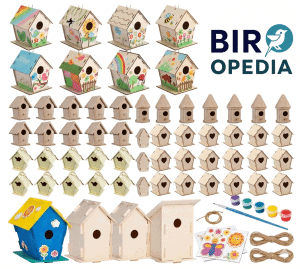
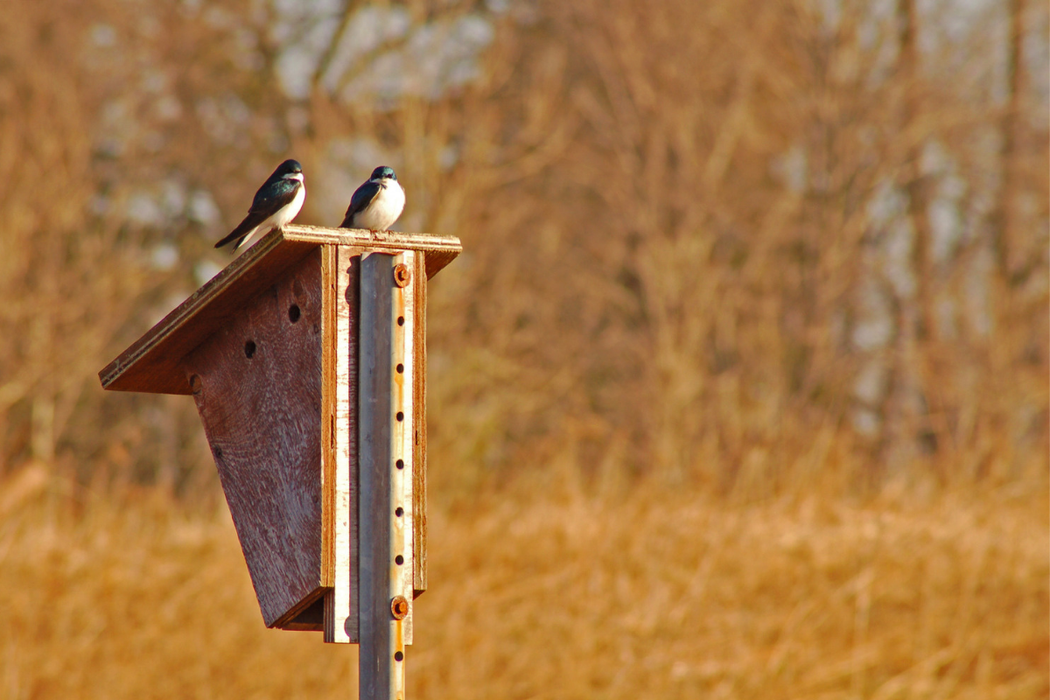
- Build and install bird nesting boxes
- Help with educational talks and events
Policy Advocacy
Supporting laws that protect bird nests is very important. You can talk to leaders to make sure they protect bird habitats.
Advocacy helps create rules that stop nest destruction and encourage safe environments for birds.
- Write to local or national officials
- Join groups that promote wildlife laws
- Attend public meetings on habitat protection
- Share information about nest protection policies
Funding And Donations
Money helps nest conservation programs buy materials and pay for research. Donations support habitat restoration and education.
Even small gifts can fund important work to keep nests safe and birds healthy.
- Donate to conservation groups
- Support local bird habitat projects
- Fund educational campaigns
- Provide resources for research and monitoring
Credit: www.birdscanada.org
Credit: www.aviary.org
Frequently Asked Questions
What Are Bird Nest Conservation Programs?
Bird nest conservation programs protect and preserve bird nesting sites. They ensure safe breeding environments and promote bird population growth. These programs often involve habitat restoration and community education to reduce threats to nests.
Why Is Bird Nest Conservation Important?
Conserving bird nests helps maintain biodiversity and ecosystem balance. It supports bird survival by protecting vulnerable eggs and chicks. This also aids in preserving endangered species and their natural habitats.
How Do Conservation Programs Protect Bird Nests?
Programs use monitoring, habitat protection, and legal enforcement to safeguard nests. They may install nest boxes or restrict human activities near nesting areas. Education campaigns raise awareness about the importance of nest protection.
Can Bird Nest Conservation Aid Endangered Species?
Yes, targeted conservation efforts help endangered birds reproduce successfully. Protecting nests increases hatchling survival rates and boosts population recovery. These programs are critical for species with limited or threatened habitats.
Conclusion
Bird nest conservation programs are vital for protecting bird species. They ensure safe habitats for birds to thrive. These programs also help maintain biodiversity and ecosystem balance. Everyone can contribute by supporting local conservation efforts. Small actions, like planting native trees, can make a difference.
Public awareness and education play key roles in success. Protecting bird nests benefits both nature and humans. Our future generations depend on it. Let’s work together to preserve these precious habitats. Join the movement to save bird nests today. Your actions matter.
Every effort counts in conservation.