Bird Nest Observation Tips: Safe, Respectful, and Rewarding Ways to Watch Nature Up Close
For those interested in bird-related activities, Bird Nest Observation Tips are essential to ensure a successful experience.
Have you ever wanted to watch a bird’s nest up close without disturbing the birds? Observing bird nests can be a magical experience that connects you with nature like never before.
Applying Bird Nest Observation Tips can enhance your connection with nature.
But it takes more than just curiosity—you need the right Bird Nest Observation Tips to do it safely and respectfully. You’ll discover easy ways to spot nests, what to look for, and how to enjoy the moment without causing harm. Ready to become a confident bird watcher?
Utilizing expert Bird Nest Observation Tips can make your birdwatching adventures more fruitful.
Keep reading, and you’ll learn how to make every nest observation a memorable one.
By following these Bird Nest Observation Tips, you can ensure every observation is enjoyable.
Choosing The Right Spot
Watching bird nests is a fun way to learn about nature. Picking the right spot makes your visit safe and successful.
Here are some Bird Nest Observation Tips to keep in mind when choosing your location.
Birds need quiet and safe places to build nests. Finding these spots helps you see them without causing harm.
Employing Bird Nest Observation Tips will help you identify the best vantage points.
Ideal Nesting Locations
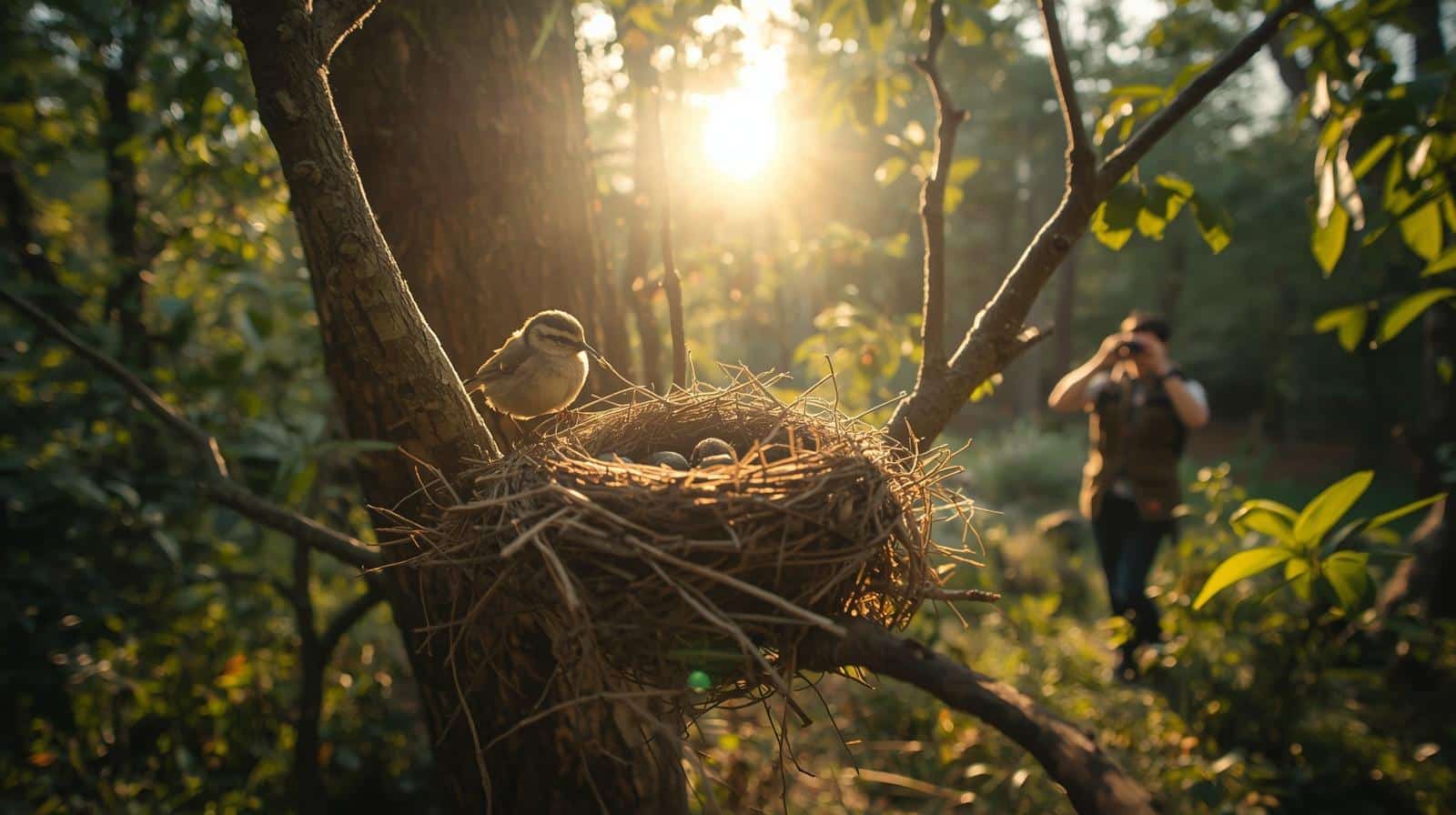
Birds choose places that protect their eggs and babies. Look near trees, bushes, and quiet areas.
Referencing Bird Nest Observation Tips can improve your chances of spotting nests.
Some common nesting spots are high branches, thick shrubs, and hidden corners of buildings.
Bird Nest Observation Tips recommend keeping an eye out for these common nesting spots.
- Tree branches with leaves for cover
- Bushes with dense foliage
Incorporating Bird Nest Observation Tips can lead to more successful sightings.
- Cliffs or rock ledges
- Near water sources like ponds or streams
- Quiet areas away from heavy foot traffic
Safe Distances To Keep
Maintaining safe distances is one of the Bird Nest Observation Tips to consider.
Stay far enough to avoid scaring birds away. Too close can make them leave the nest.
Use binoculars or a zoom lens to watch from a distance. Keep noise low to keep birds calm.
Many Bird Nest Observation Tips advise using binoculars for better viewing.
- Keep at least 10 feet (3 meters) away from the nest
- Do not touch or move the nest
- Move slowly and quietly around nesting areas
- Avoid sudden movements or loud sounds
- Ornithology instructors use a simple behavioral rule: “Forget the tape measure and pay attention to the bird. The moment a parent bird exhibits any change in behavior—such as stopping what it’s doing, standing up in the nest, or giving a single, quiet ‘chip’ call—you have entered its Alert Zone. This is your immediate signal to back away until the bird relaxes and resumes its natural behavior. Keeping the parent bird calm is the only true measure of a ‘safe distance.'”
Timing Your Visit
For the best results, apply Bird Nest Observation Tips on timing your visits.
Birds have busy times when they build nests and raise chicks. Visit during these times to see activity.
Early morning or late afternoon are best times. Birds are active and light is good for watching.
Implementing Bird Nest Observation Tips will maximize your chances of seeing activity.
- Visit during spring and early summer for nesting season
- Watch at dawn or dusk for feeding times
- Limit visits to avoid disturbing the birds

Essential Gear For Observation
Watching bird nests can be a peaceful and exciting hobby. Using the right gear helps you see birds clearly without disturbing them.
Utilizing Bird Nest Observation Tips can enhance your overall experience.
Good equipment lets you enjoy the details of bird behavior safely and comfortably.
Best Binoculars And Cameras
Bird Nest Observation Tips recommend selecting high-quality equipment for the best results.
Choose binoculars with a wide field of view and clear lenses. A camera with a zoom lens helps capture distant nests without getting too close.
| Gear | Recommended Features |
| Binoculars | 8x to 10x magnification, lightweight, waterproof |
| Camera | Zoom lens (at least 200mm), fast shutter speed, image stabilization |
| Tripod | Stable, adjustable height, easy to carry |
Clothing And Accessories
Choosing the right gear is essential in following Bird Nest Observation Tips.
Wear clothes that match the environment to blend in. Comfortable shoes and a hat protect you during long observation times.
- Neutral-colored clothing like green, brown, or gray
- Lightweight, breathable fabrics
- Hat with a wide brim for sun protection
- Insect repellent and sunscreen
- Water bottle to stay hydrated
Using Observation Blinds
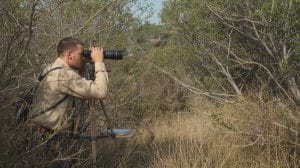
Observation blinds help you stay hidden from birds. They reduce movement and noise, letting you watch nests closely.
Bird Nest Observation Tips highlight the advantages of using observation blinds.
Tips for using blinds:
- Set up the blind before birds arrive.
- Keep your movements slow and quiet.
- Use natural colors to avoid standing out.
- Stay inside the blind as much as possible.
- Check wind direction to avoid scent detection.
Minimizing Disturbance
Following Bird Nest Observation Tips is crucial to minimizing disturbance.
Watching bird nests can be a great way to learn about nature. It is important to keep birds safe while observing them. Disturbing birds can cause them stress or make them leave their nests.
Use quiet and careful methods to watch nests. This helps protect the birds and their young. Follow simple tips to minimize disturbance during your observation.
Quiet Approaches
Move slowly and quietly near bird nests. Loud noises or sudden movements can scare the birds. Stay a safe distance away to avoid causing alarm.
Utilizing Bird Nest Observation Tips can help you approach nests more quietly.
- Wear soft shoes to reduce noise
- Speak in whispers or stay silent
- Approach nests from the side, not from above
- Use natural cover like bushes to hide your presence
Avoiding Nest Stress
Birds can get stressed if you get too close or stay too long. Stress can cause parents to leave their eggs or chicks. Keep observation periods short and avoid touching the nest.
| Action | Effect on Birds |
| Close and long visits | High stress, may abandon nest |
| Touching nest or eggs | Disturbs birds, risks damage |
| Quiet, brief visits | Low stress, safe observation |
| Watching from a distance | Minimal disturbance |
- Conservation biologists warn against scent transfer: “The greatest risk of nest disturbance, especially in ground-nesting or shrub-nesting species, is often not the bird seeing you, but predators following your scent. Even a brief visit leaves a scent trail on the surrounding vegetation or ground that may lead raccoons, snakes, or domestic cats directly to the nest location. Therefore, minimize the path taken to and from the observation point, and never spend more than 5 minutes within the immediate area of the nest site.”
Recognizing Signs Of Distress
Recognizing signs of distress is part of effective Bird Nest Observation Tips.
Learn how to tell if a bird is stressed. This helps you stop and move away. Signs include loud alarm calls, fluttering wings, or parents leaving the nest.
- Birds making loud alarm sounds
- Rapid wing movements near the nest
- Parents flying away and not returning
- Chicks crying loudly or moving nervously
Documenting Your Findings
Documenting your findings using Bird Nest Observation Tips can improve your knowledge.
Keeping track of your bird nest observations helps you learn and share your findings.
Good records support bird conservation and improve your birdwatching skills.
These Bird Nest Observation Tips will support your conservation efforts.
Effective Note-taking
Write down details clearly and quickly while observing nests. Include the date, time, and location.
- Note the bird species and number of eggs or chicks
- Record weather conditions and any unusual behavior
- Use short phrases to capture key points fast
- Keep a dedicated notebook or digital file for your notes
- Citizen science experts advise on easy location tracking: “For reliable record-keeping, you should never rely on rough sketches or written descriptions of location. The easiest way to get precise, shareable location data is to simply snap a geo-tagged photo with your smartphone near the observation spot before you approach the nest. Your phone automatically records the GPS coordinates (latitude/longitude), which is the gold standard for tracking, relocating, and submitting data to citizen science projects.”
Photographing Nests Safely
Take photos without disturbing the birds. Use zoom lenses to keep distance.
| Tip | Reason |
| Stay quiet and still | Prevents scaring birds away |
| Avoid touching nests | Protects fragile eggs and chicks |
| Use natural light | Shows true colors without flash |
| Limit photo time | Reduces stress on birds |
Using Apps For Bird Identification
Apps can help identify birds and organize your observations. Many apps have photos and sounds to compare.
Try these tips when using apps:
- Enter location and date for accurate results
- Upload photos to get suggestions
- Save your sightings in the app for easy reference
- Use apps to learn bird calls and songs
Legal And Ethical Considerations
Watching bird nests can be a fun way to learn about nature. It is important to follow laws and respect birds. This helps keep birds safe and healthy.
Understanding the laws is a key aspect of Bird Nest Observation Tips.
Before observing nests, you should know the rules. These rules protect birds and their homes. Following them shows care for wildlife.
Protected Species Laws
Many birds are protected by law. These laws stop people from harming birds or their nests. It is illegal to take eggs or move nests without permission.
- Do not touch or move bird eggs.
- Keep distance from nests to avoid stress.
- Report any illegal activity to authorities.
- Check local laws before watching nests.
Respecting Wildlife Regulations
Wildlife regulations help protect all animals and plants. They often set rules on when and where you can watch birds. Respect these rules to avoid fines or harm.
Respect wildlife regulations as part of Bird Nest Observation Tips.
| Regulation | Purpose |
| Seasonal Restrictions | Protect breeding birds during nesting time |
| Distance Limits | Prevent disturbance to birds |
| Permits Required | Control access to sensitive areas |
Ethical Watching Practices
Watching birds is best when done with respect. Avoid loud noises and sudden moves. Use binoculars to see nests from far away.
- Observe quietly without touching nests.
- Do not use flash photography near nests.
- Limit time spent near a nest to reduce stress.
- Leave no trash or food behind.
Common Challenges And Solutions
Observing bird nests can be a rewarding experience. It also brings many challenges. Weather, bird behavior, and terrain affect your success.
Knowing how to handle these challenges helps you observe safely and respectfully. Use these tips to improve your bird nest watching.
Implementing Bird Nest Observation Tips will help you overcome common challenges.
Dealing With Weather Conditions
Weather can change quickly and affect your observation plans. Rain, wind, or heat may make it hard to see or stay comfortable.
Weather considerations are vital in applying Bird Nest Observation Tips effectively.
- Wear waterproof clothing and boots in wet weather.
- Use a sturdy umbrella or canopy for shelter.
- Carry sunscreen and water on hot days.
- Postpone observation if storms or strong winds are forecast.
- Protect your camera and equipment with covers.
Handling Uncooperative Birds
Birds may hide, stay quiet, or fly away when disturbed. Patience and respect help you see their natural behavior.
| Challenge | Solution |
| Birds stay hidden | Wait quietly and avoid sudden moves |
| Birds fly away quickly | Keep distance and use binoculars |
| Birds become aggressive | Back away slowly and give space |
| Birds do not return | Observe at different times or days |
Navigating Difficult Terrain
Bird nests are often in places that are hard to reach. Rocks, thick bushes, or steep slopes can block your path.
Follow these safety tips for tough terrain:
- Wear strong hiking boots for good grip.
- Use a walking stick for balance.
- Plan your route before you start.
- Bring a map or GPS device.
- Tell someone your location and expected return time.
How To Identify Bird Nests?
Identifying bird nests involves observing their size, shape, and location. Pay attention to materials used, such as twigs or leaves. Note the height of the nest and surrounding environment. Different species have unique nesting habits. Use a field guide or app for assistance.
Avoid disturbing the nest during observation.
When Is The Best Time To Observe Nests?
The best time to observe bird nests is early morning or late afternoon. Birds are most active during these times. Avoid midday when birds might be less active. Spring and early summer are ideal seasons. This is when many birds build nests and rear young.
Always maintain a respectful distance.
What Tools Do I Need For Bird Nest Observation?
Binoculars are essential for observing bird nests from a distance. A notebook and pen help record observations. A field guide or bird identification app can provide valuable information. A camera with a zoom lens is useful for capturing details. Always respect wildlife regulations and avoid disturbing nests.
How To Avoid Disturbing Bird Nests?
Maintain a respectful distance to avoid disturbing bird nests. Use binoculars instead of getting too close. Avoid loud noises and sudden movements. Do not touch or move the nest or eggs. Observe for only a short period. Always prioritize the safety and comfort of the birds.
Reviewing Bird Nest Observation Tips ensures you know how to avoid disturbing nests.
Conclusion
Watching bird nests can bring great joy and learning. Stay quiet and keep your distance to avoid disturbing birds. Use binoculars or a camera for a closer look. Take notes about the birds’ behavior and nest details. Always respect nature and protect the environment around you using Bird Nest Observation Tips.
Patience helps you see more interesting moments. Enjoy the experience of observing wildlife safely and kindly. Bird nest observation teaches us about life and care in nature, particularly when applying Bird Nest Observation Tips. Keep these tips in mind for a safe and fun adventure.