

Have you ever noticed a bird’s nest carefully tucked away in a tree or on your windowsill? There’s more to these tiny homes than just shelter for baby birds.
Bird nesting folklore is filled with fascinating stories and beliefs that connect nature, luck, and even your home’s energy. Discovering these tales can change the way you see those delicate nests around you. Ready to uncover the secrets behind bird nesting and what they might mean for you?
Keep reading—you won’t want to miss these surprising insights.
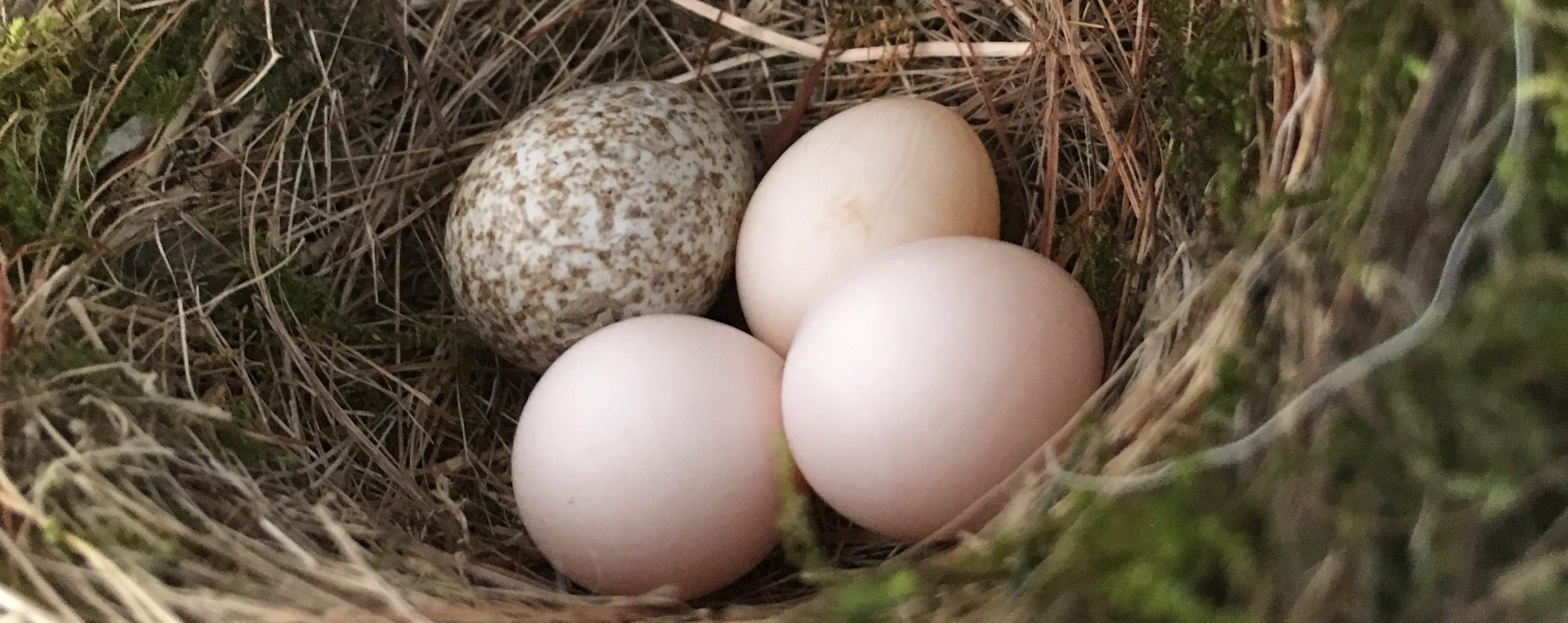
Credit: nestwatch.org
Ancient Beliefs Around Bird Nests
Bird nests have fascinated people for centuries. Many ancient cultures saw them as symbols of life and protection.
People believed nests carried messages from the spirit world. They thought nests could bring good luck or warn of danger.
- Ethno-ornithologists analyze structure: “The reason bird nests hold such powerful, universal symbolism—home, protection, and skill—is because they are complex examples of innate, non-learned architectural behavior. Unlike human dwellings, the nest represents an instinctive, perfect union of purpose (cradle for young) and available local resources (twigs, mud, feathers). This inherent genius makes the nest a visible, tangible miracle that strongly reinforces cultural beliefs in natural perfection and divine design.”
Symbolism In Different Cultures
Bird nests often symbolized home, safety, and new beginnings. Different cultures gave nests unique meanings.
In some Native American tribes, nests meant harmony with nature. Ancient Chinese believed nests showed family unity.
- Egyptians linked nests to rebirth and the afterlife
- Celtic people saw nests as signs of protection from spirits
- Japanese culture viewed nests as symbols of peace and hope
Bird Nests As Omens
Bird nests were often seen as omens. Finding a nest or seeing birds build one could mean different things.
People thought nests near homes brought good fortune. Broken or abandoned nests might warn of trouble ahead.
- New nests symbolized fresh starts or new opportunities
- Nests with eggs often meant fertility and growth
- Destroyed nests could signal loss or bad luck
Myths Involving Birds And Nests
Many myths feature birds and their nests as magical or sacred objects. These stories explain natural events or teach lessons.
Some tales tell of birds that protect humans by building nests near them. Others say stealing a nest brings curses.
- Greek myth of the phoenix rising from its nest’s ashes
- Scandinavian tales of birds guarding hidden treasures in nests
- African stories where nests hold the spirits of ancestors
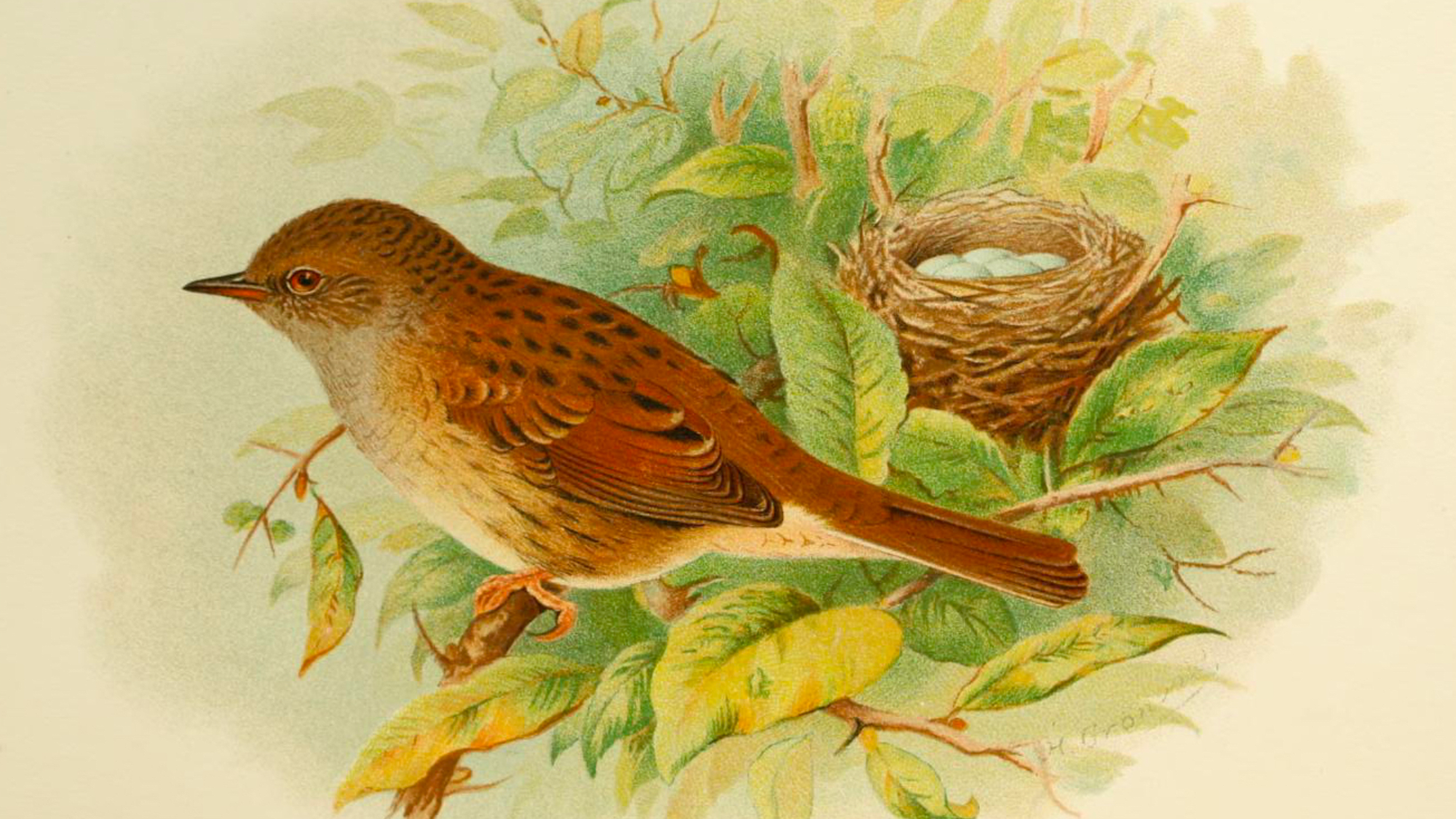
Credit: owlcation.com
Folklore Across The Continents
Bird nests have fascinated people around the world for centuries. Many cultures tell stories that explain the meaning of nests.
These tales show how humans connect with nature and birds through myths and legends.
European Traditions
In Europe, bird nests often symbolize home and protection. Many legends say nests bring good luck and safety to families.
Some stories tell that finding a nest in your house means your family will stay healthy and happy.
Asian Legends
Asian cultures believe bird nests connect the earth and sky. Birds are messengers between gods and humans.
- In China, nests symbolize harmony and peace.
- In Japan, nests represent new beginnings and hope.
- In India, nests can mean protection from evil spirits.
African Stories
African folklore often shows birds as wise creatures. Their nests are seen as sacred places that hold magic and secrets.
| Bird | Meaning of Nest |
|---|---|
| Weaver Bird | Community and teamwork |
| Hornbill | Protection and strength |
| Sunbird | Joy and beauty |
Native American Tales
Native American stories often tell how birds teach humans important lessons. Nests show care, patience, and family bonds.
- The eagle’s nest represents courage and vision.
- The robin’s nest is a sign of renewal and growth.
- The hummingbird’s nest symbolizes joy and energy.
Bird Nests In Superstition
Bird nests have long been part of human stories and beliefs. Many cultures see them as signs with special meanings.
These beliefs often link nests to luck, warnings, or changes in the seasons.
Good Luck And Protection
Finding a bird nest near your home is often seen as a sign of good luck. People believe nests bring protection to the family.
- Bird nests on windowsills mean safety and peace inside.
- Keeping a nest indoors is said to protect from evil spirits.
- Some believe nests bring wealth and good fortune.
- Bird nests symbolize new beginnings and growth.
Warnings And Curses
Not all bird nest stories are positive. Some say nests warn of bad luck or curses.
| Type of Nest | Warning or Curse | Meaning |
| Empty nest near door | Warning | Possible illness or loss |
| Damaged nest | Curse | Family troubles or fights |
| Nest with dead chicks | Bad omen | Death or bad news |
Seasonal Beliefs
Bird nests also mark changes in seasons. People watch nests to know when to plant or harvest crops.
Here are common seasonal beliefs about bird nests:
- Nests built in spring mean a good farming year.
- Finding a nest in autumn may warn of a cold winter ahead.
- Birds leaving nests early is a sign of early frost.
- Many nests in summer predict a dry season.
Rituals And Practices
Bird nesting folklore includes many rituals and practices from around the world. People respect bird nests for their connection to nature and life.
These traditions often show how communities honor birds and their homes through special acts and ceremonies.
Nest Collecting Customs
Some cultures collect bird nests carefully and only at certain times. They believe nests carry good luck or protection.
Collectors often ask permission from nature or the birds before taking a nest. This shows respect and keeps balance.
- Only collect empty nests to avoid harm
- Gather nests during specific seasons
- Use nests in home rituals for safety
- Conservation officers stress the legal boundary: “While folklore often includes customs of collecting nests for luck, it is vital to know that in the United States, all active and inactive nests of native migratory birds are protected under the Migratory Bird Treaty Act (MBTA). Even collecting an empty, old nest found on the ground is technically a violation. The only exceptions are non-native species like House Sparrows and European Starlings. For all other nests, the traditional belief in ‘good luck’ must be reconciled with the modern legal reality that these are protected natural resources.”
Ceremonies Involving Bird Nests
Bird nests appear in many ceremonies to symbolize new life or protection. They are often part of birth or marriage rituals.
Some groups place nests on altars or inside homes to invite blessings. The nests represent care and family strength.
- Nests used in spring festivals to mark new beginnings
- Placed in homes during weddings for fertility
- Burned in fire ceremonies to cleanse spaces
Crafts And Art Inspired By Nests
Bird nests inspire many crafts and artworks. People copy nest shapes or use nest materials in their creations.
Artisans make decorations, jewelry, and sculptures that show the beauty and skill of birds.
- Woven baskets that mimic nest structure
- Jewelry using twigs or feathers from nests
- Paintings and carvings of birds and nests
Modern Views On Bird Nest Folklore
Bird nests have fascinated people for centuries. Many cultures created stories about them. These tales often explained nature or taught lessons.
Today, people still enjoy these stories. They also study nests to learn about birds and the environment.
Preserving Traditions Today
Many communities keep bird nest stories alive through festivals and books. They teach children about these tales to keep the culture strong.
- Sharing stories at family gatherings
- Using bird nests in art projects
- Organizing local bird watching events
- Publishing collections of folklore
Folklore In Popular Culture
Bird nest folklore appears in movies, cartoons, and books. These stories inspire wonder and respect for nature.
| Media Type | Example | How Bird Nests Are Shown |
|---|---|---|
| Film | The Secret Garden | Bird nests symbolize new life and hope |
| Children’s Book | Owl Babies | Nests show family care and safety |
| Cartoon | Looney Tunes | Nests used for humor and clever tricks |
Scientific Perspectives
Scientists study bird nests to learn about bird habits and survival. They find clues about the environment and climate changes.
- Nests show bird species diversity.
- Materials used can indicate local plant life.
- Changes in nests can reflect pollution levels.
- Studying nests helps protect birds and habitats.
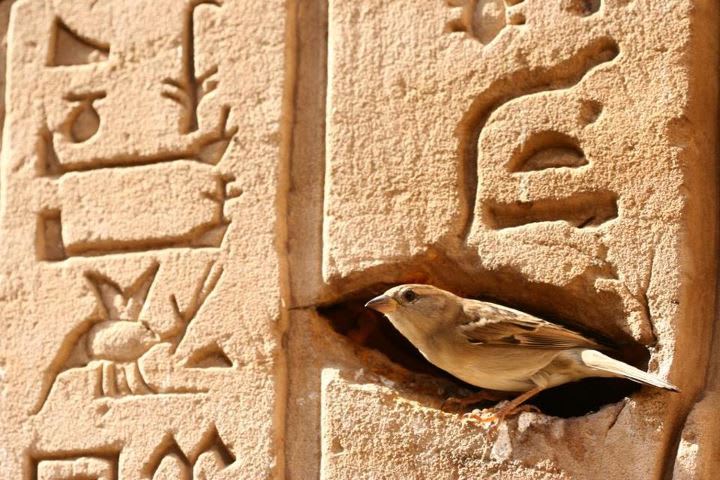
Credit: owlcation.com
Frequently Asked Questions
What Does Bird Nesting Symbolize In Folklore?
Bird nesting often symbolizes home, protection, and new beginnings in folklore. It represents safety and nurturing instincts of nature.
Why Are Bird Nests Considered Lucky In Some Cultures?
Bird nests are seen as lucky because they signify prosperity, fertility, and harmony with nature. People believe nests bring good fortune.
How Do Different Cultures Interpret Bird Nesting Rituals?
Many cultures link bird nesting to seasonal changes, family unity, and spiritual blessings. These rituals often honor nature’s cycles.
Can Bird Nesting Folklore Influence Modern Gardening?
Yes, some gardeners use bird nesting folklore to attract birds. They create welcoming spaces to encourage nesting and ecological balance.
Conclusion
Bird nesting folklore connects us with nature’s mysteries. Every story holds wisdom. Cultures worldwide cherish these tales. They remind us of nature’s wonders. Observing birds can teach us patience. It also fosters curiosity. Folklore preserves traditions and beliefs. It enriches our understanding of birds.
And deepens our connection to the natural world. Sharing these stories keeps them alive. They pass from generation to generation. Explore local legends and learn their significance. Appreciate the beauty and knowledge they offer. Keep the spirit of these tales vibrant.
Celebrate the timeless bond between humans and birds.

John James Audubon is a writer at birdopedia.com, dedicated to exploring and sharing the wonders of birds and wildlife. He writes engaging and informative articles to help readers identify, understand, and appreciate birds, combining accurate knowledge with practical tips for birdwatching and nature observation.