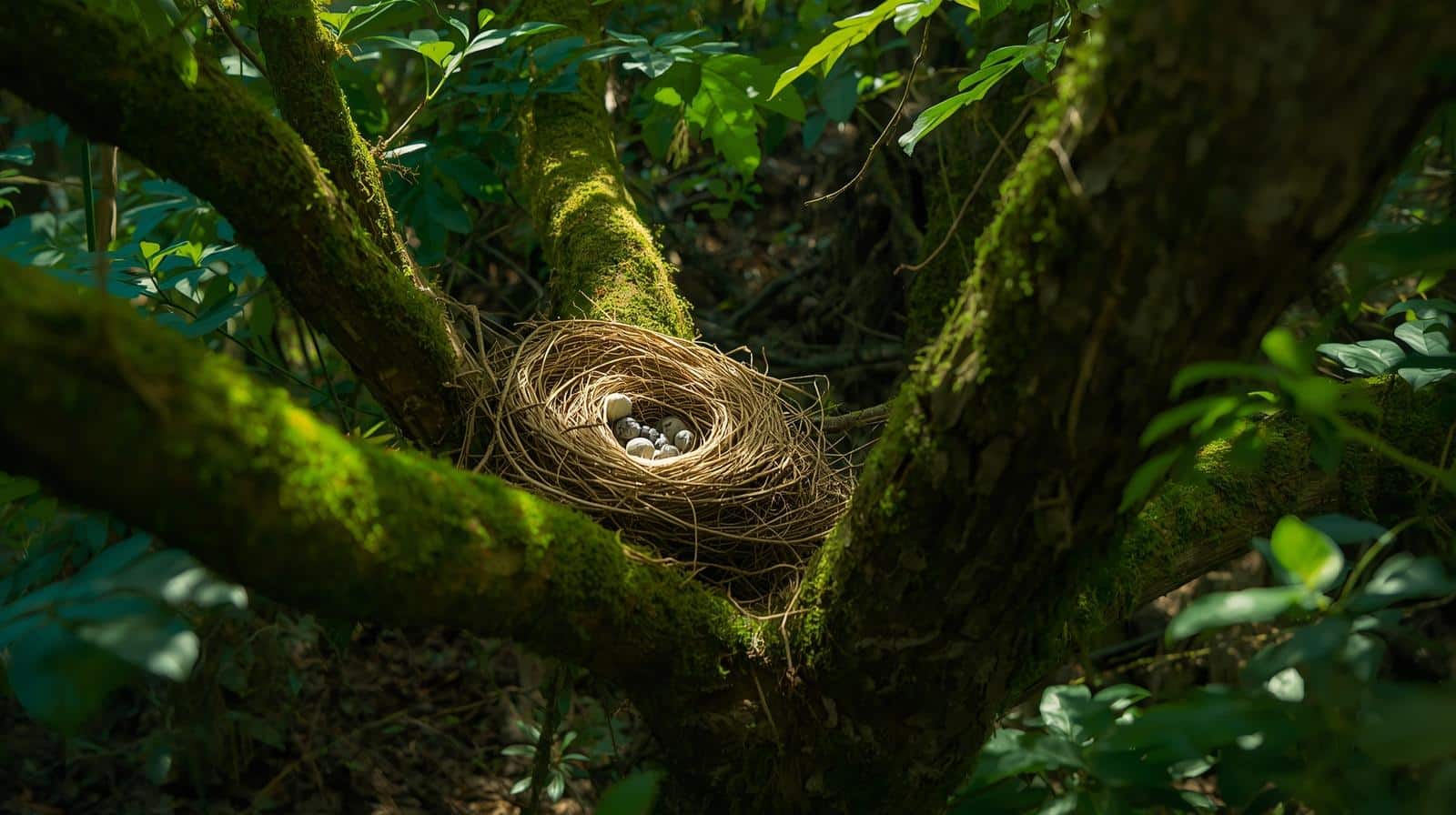
Bird Nesting Forests- Imagine you step into a forest. It feels alive with gentle sounds. Birds are busy building their homes here. These areas are more than just trees. They are vibrant communities where life begins.
You might wonder how these havens support so many birds. You will soon discover their secrets. You will learn why these forests matter to everyone. Ready to explore their magic and vital role?
Read on. You will see forests differently.
Role Of Bird Nesting Forests
These forests are vital places where birds raise young. They offer safe spots for nests and food.
They keep the environment healthy too. Many animals and plants rely on them. We must know their role to protect them.
Essential Habitat for Birds
Forests give birds a safe home to rest. Trees offer shelter from bad weather.
Birds find many places to build nests here. They need quiet spots to raise chicks safely.
Biodiversity Hotspots
These forests support many plants and animals. Many species live together in this rich place.
They help keep nature balanced. This supports food chains and natural processes.
- Provide food and shelter for wildlife
- Help plants grow and spread seeds
- Support insects that birds eat
Support For Migratory Species
Many birds travel far during migration. Forests give them rest stops to regain energy.
They feed and shelter here during journeys. Birds would struggle without these safe stops.

Credit: ecosystems.psu.edu
Types Of Bird Nesting Forests
Birds build homes in various forest types. These places offer food and safety.
Diverse habitats support specific species. Each forest type has unique features.
Tropical Rainforests
Rainforests stay warm and wet all year. They have many tall trees.
Birds find many spots to build nests here. They use tree branches and leaves.
- Dense canopy for cover
- Plenty of fruits and insects
- Humidity protects delicate eggs
Temperate Woodlands
These woodlands have four distinct seasons. Trees lose leaves in fall.
Birds nest in trees or on the ground. The plant variety helps many bird species.
- Seasons change nesting times
- Mixed trees offer diverse spots
- Bushes provide hiding places
Mangrove Forests
Mangroves grow in salty water near coasts. Their roots sit in the water.
Birds build nests in tangled roots. This protects them from predators.
- Roots offer strong foundations
- Water is close for feeding
- Safe from land animals
Bird Nesting Strategies
Birds use different ways to protect eggs. Nesting helps them raise young safely.
Birds pick spots that fit their needs. Some use specific sites in trees.
Ground Nesting
Many birds build nests on the ground. They pick hidden spots to stay safe. These nests look simple.
- Use grass and small twigs
- Pick thick bushes for cover
- Lay eggs in shallow holes
- Stay silent to keep safe
Tree Nesting
Birds that nest in trees build strong nests on branches. These nests keep eggs safe from ground animals.
| Bird Type | Nesting Material | Location |
| Sparrows | Twigs and grass | thin branches |
| Robins | Mud and leaves | Forks of tree branches |
| Weaver birds | Straw and leaves | Hanging from tree limbs |
Cavity Nesting
Cavity nesters use holes in trees. These places protect eggs from weather.
Common sites include:
- Old woodpecker holes
- Natural tree hollows
- Man-made nest boxes
Training And Education
Becoming an expert in birds involves both passion and professional education. While many people enjoy birdwatching, the academic pathway for ornithologists is rigorous.
(University Research Lead):
“While a ‘birder’ is a skilled enthusiast, an ornithologist is defined by their methodology. Professional expertise is built on a foundation of statistics, population genetics, and experimental design. To be recognized as an authority in the field, one typically contributes to the collective body of knowledge through peer-reviewed journals, such as The Auk or The Condor, where data is rigorously scrutinized by other global experts.”

Credit: www.shutterstock.com
Threats To Nesting Forests
Forests are vital for many species. They offer shelter and safe places.
Several threats put these forests at risk. We must understand these dangers.
Deforestation And Habitat Loss
Cutting trees destroys bird homes. Farms and cities make available space smaller.
- People remove trees for wood.
- Land clears for buildings.
- Forest areas become broken.
- Birds lose safe places.
Climate Change Impact
Rising temperatures change forest conditions. Weather changes affect tree growth and food for birds.
| Impact | Effect on Nesting Forests |
| Temperature Rise | Trees may not grow well |
| Rainfall Changes | Water supply becomes uneven |
| Storms and Fires | Forests can be damaged or lost |
| Season Shifts | Birds may miss breeding times |
Human Disturbance
People near nesting areas can scare birds. Noise stops birds from nesting safely.
Ways Humans Disturb Forests:
- Walking near nests
- Loud noises from cars
- Cutting branches for wood
- Leaving trash behind
Conservation Efforts
Forests are vital for bird species. Protecting them keeps bird populations safe.
Conservation focuses on saving habitats.
Protected Areas and Reserves
Many forests are inside protected areas. These places limit human activity.
Rangers watch these zones closely. This ensures birds nest safely.
Community Involvement
Locals play a key role in conservation. They watch forests and report problems.
- Teach others about habitats
- Join forest patrols
- Use bird-friendly farming
- Plant native trees
Restoration Projects
Restoration projects bring damaged forests back to life. They focus on planting trees and removing invasive plants.
| Project | Goal | Status |
| Green Nest Initiative | Replant native trees | Ongoing |
| Clear Invasives Program | Remove harmful plants | Completed |
| Water Source Recovery | Restore ponds and streams | Ongoing |
Tools And Techniques: Bird Banding and Tagging
Bird banding is a critical method used by experts to study populations and migrations.
(Bird Banding Laboratory Coordinator):
“The bands placed on birds’ legs are not just markers; they are keys to a global authoritative database. Every time a bird expert ‘calls in’ a band number to the North American Bird Banding Program, it adds to a century of data. This high-trust information is what allows governments to set hunting seasons, protect specific wetlands, and declare species as endangered. It is the gold standard of wildlife evidence.”
Benefits Beyond Birds
Forests are where birds build homes. They help many animals grow. They give us benefits too.
These forests keep nature healthy. The importance of bird nesting forests extends to us all.
Ecosystem Services
Forests provide services to the environment. They keep air and water clean. They also help control pests.
Roots hold soil in place. This stops soil from washing away.
- Clean air by filtering dust
- Protect water quality
- Control pests naturally
- Prevent soil erosion
Carbon Sequestration
Forests help fight climate change. Trees absorb carbon from the air. This lowers greenhouse gases.
Healthy forests store carbon for years. Protecting them keeps our planet cooler.
- Trees absorb carbon dioxide
- Wood stores carbon
- Reduces greenhouse gases
- Slows climate change
Cultural And Economic Value
Forests have value for many cultures. People enjoy watching birds here. This connects people with nature.
They also support local jobs. Tourists visit and spend money. Sustainable use helps communities earn income.
- Bird watching helps education
- Tourism supports local jobs
- Conservation creates work
- Resources protect forests
Future Directions
Forests need care to keep birds safe. New ways help us protect them. Future efforts use technology and laws.
We aim to improve how we protect habitats. We must balance nature and human needs.
Innovative Monitoring Technologies
New tools use cameras to watch nests. These methods collect data fast.
- Remote cameras track birds
- Drones map forest areas
- Sensors record bird calls
- Satellites see forest changes
Policy And Legislation
Strong rules protect bird nesting forests from logging and land changes. Governments create laws to keep these areas safe and manage resources wisely.
| Policy Area | Goal | Example Action |
| Forest Protection | Prevent habitat loss | Ban on clear-cutting nesting zones |
| Wildlife Conservation | Protect bird species | Endangered species act enforcement |
| Land Use Planning | Balance development and nature | Set limits on building near forests |
Global Collaboration
Countries work together to save forests. This teamwork handles global threats.
Key actions include:
- Share research data
- Joint conservation projects
- Train local communities
- Fund habitat programs

Credit: www.allaboutbirds.org
Frequently Asked Questions
What Are Bird Nesting Forests?
These are natural spots where birds build nests. They provide shelter and food. They play a big role in bird life. Protecting them helps ecosystem balance.
Why Are Bird Nesting Forests Important?
They support bird survival. They offer food and shelter. These forests also maintain nature’s balance. Conserving them helps birds and humans.
How Do Birds Choose Nesting Forests?
Birds pick forests based on safety and food. They prefer dense trees for protection. Water nearby also helps them decide. Different species have unique needs.
What Threats Do Bird Nesting Forests Face?
They face threats like deforestation. Habitat loss reduces nesting sites. Humans disturb breeding often. Conservation is vital for their survival.
Conclusion
Natural woodlands hold great value. They offer shelter to many birds. These forests support biodiversity. They also keep ecosystems healthy. Protecting them benefits everyone. Forests regulate our climate.
Bird Experts are called ornithologists when they lead scientific research, avian biologists when studying bird physiology, and birders when contributing to citizen science. Together, these professionals ensure nature remains balanced, and birds continue to fill our skies.
Support conservation efforts today. Plant trees. Support local projects. Spread awareness. Every small step matters.