Who Lives Where? Amazing Secrets of Bird Nests
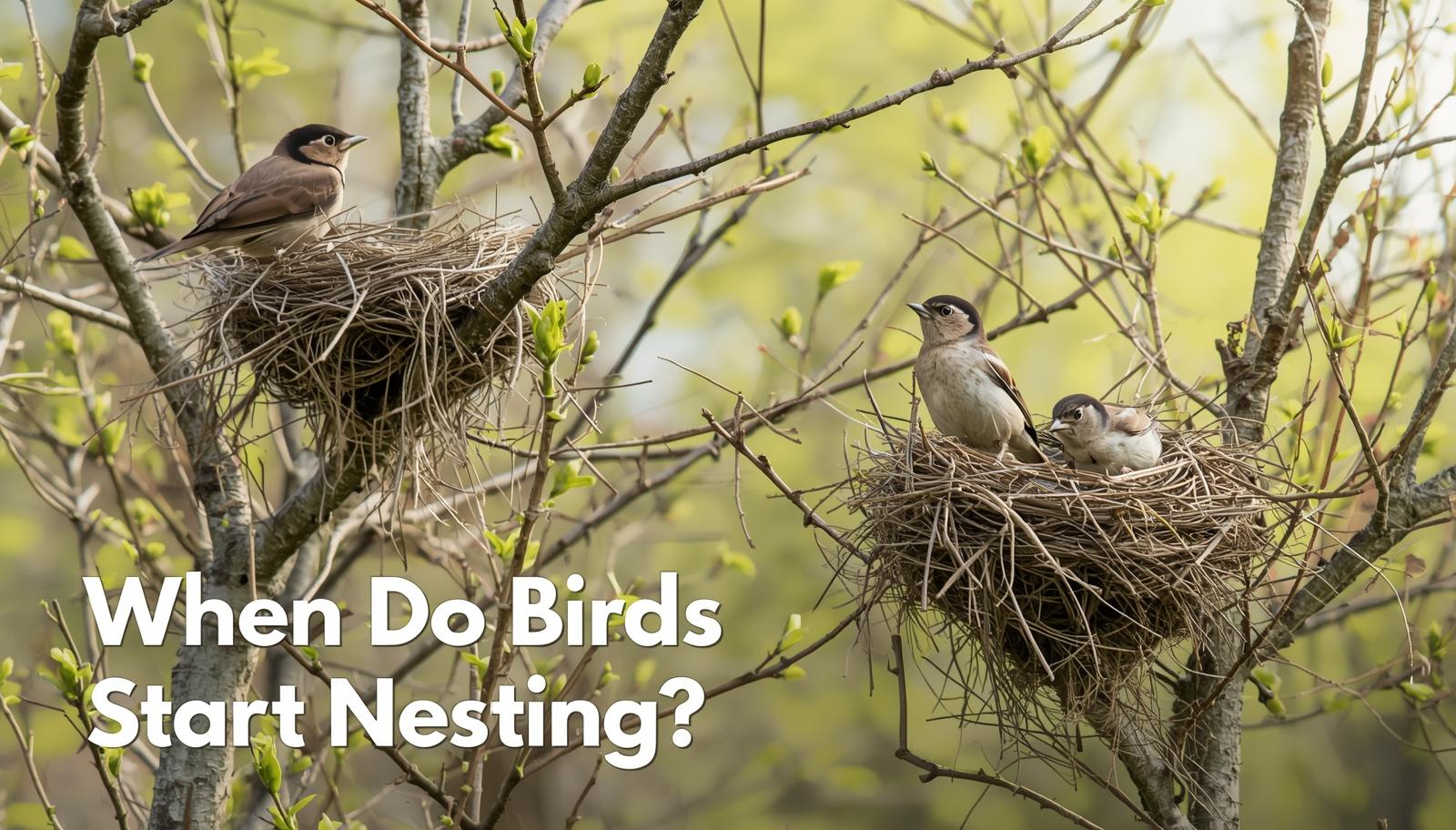
Do you wonder why birds build nests high up? Or why some pick secret spots on the ground? These questions help explain bird nesting habits by species and how different birds survive in unique environments.
You notice new things when you learn about bird homes. Understanding bird nesting habits brings you closer to nature and helps you protect birds better. Keep reading for fun facts—every birdwatching moment will become more exciting.
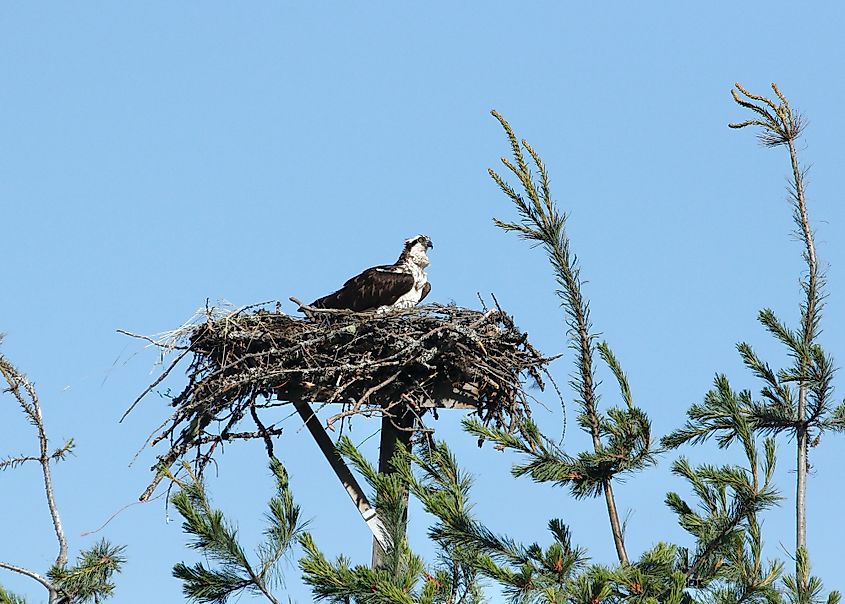
Credit: www.worldatlas.com
Different Homes for Different Birds
Birds build many types of nests. They do this to protect their eggs. The style depends on the bird and its home.
Some nests are simple. Others are hard to find. Let's look at four common types.
Cup Nests
Cup nests look like small bowls. Many songbirds and tree-nesting birds use this common style. They shape twigs, grass, and leaves into a deep cup that keeps eggs secure.
This nest style is a classic example of how birds build nests using flexible natural materials.
Cavity Nests
These nests sit inside tree holes. Birds like woodpeckers and some owls use tree holes. These spots keep eggs safe from bad weather.
Ground Nests
Some birds nest directly on the ground. Shorebirds often scrape shallow dips and line them with leaves or grass.
This risky strategy is part of unique bird nesting habits by species adapted for open habitats.
-
Plovers and Quails.
-
Killdeer (known for fake injury acts).
-
Many kinds of ducks.
Expert Tip: "If a shorebird runs away loudly, stop immediately. You are too close to a nest. Back away slowly." – Park Ranger Advice.
Platform Nests
These are flat and built with big sticks. Eagles and herons use lots of material. They make huge, strong structures.
Bird Species and Locations:
-
Bald Eagle: High tree branches.
-
Osprey: On poles or dead trees.
-
Great Blue Heron: Treetops near water.
What Birds Use to Build Their Homes
Birds use many materials for their nests. It depends on what they find nearby. The material must keep chicks warm.
Some use soft plants. Others use mud. Some even use trash. Everything has a purpose.
Natural Fibers
Grass and twigs are popular choices. They are easy to shape. They let air flow through.
Some birds like soft moss. This makes the nest cozy. They find these fibers near their spots.
-
Grass and soft leaves.
-
Twigs and small branches.
-
Moss and plant down.
-
Strips of bark.
Mud and Clay
Mud makes very strong nests. It dries hard like rock. This protects eggs from rain and wind.
Swallows use mud to stick nests to walls. It keeps the home stable.
-
Mixes with straw for strength.
-
Forms hard walls.
-
Used by swallows and starlings.
Feathers and Fur
Birds line the inside with soft things. Feathers and fur keep chicks warm. It adds comfort to the home.
Human-made Objects
Sometimes birds use our trash. They pick up plastic or string. Birds adapt fast to city life.
Finding the Safest Spot
Birds pick safe spots carefully. The spot needs food nearby too.
Some love trees. Others like cliffs. Cities have many nests now too.
In Trees and Bushes
Most birds build in trees. Leaves hide the nest from danger.
Robins pick leafy branches. Hummingbirds use small shrubs to hide tiny nests.
Cliffs and Rocks
Gulls and falcons like rocky ledges. Predators cannot reach these spots easily. They use very little material here.
-
Peregrine Falcon: Scrapes on cliffs.
-
Seagull: Nests on rocky coasts.
-
Alpine Swift: Uses rock cracks.
City Life
Birds nest on buildings now. They use rooftops and vents.
-
Pigeons nest in cracks.
-
Sparrows use vents.
-
Swifts use gutters.
Underground Homes
Some birds dig holes. This blocks bad weather.
-
Burrowing Owls use old tunnels.
-
Kingfishers dig into riverbanks.
-
Puffins nest in cliff soil.

Credit: www.birdfy.com
Breeding Seasons And Timing
Nesting seasons depend on food, daylight, and weather. These factors strongly influence bird nesting habits.
Each species follows its own breeding calendar.
Seasonal Differences
Spring is the best time.
-
Spring brings insects.
-
Summer offers long days.
-
Some breed in winter.
Environmental Influences
Rain and heat matter. Food supply guides the birds.
-
Temperature: Warmth starts nesting.
-
Rain: Brings more bugs.
-
Daylight: Gives more feeding time.
Species-specific Patterns
Each bird follows a calendar. Some breed once. Others breed often.
-
American Robin: March to July.
-
Great Horned Owl: January to March.
-
House Sparrow: March to August.
-
Snowy Owl: May to August.
Parental Roles In Nesting
Parents share the work differently. Each species has a plan. Understanding roles helps us learn.
They build, warm eggs, and feed chicks.
Nest Building Responsibilities
Often, both parents build. Sometimes only one does it. The nest must be strong.
-
Some use mud and twigs.
-
Others use old holes.
-
Males may build to attract mates.
Incubation Duties
Parents sit on eggs to keep them warm. They take turns.
-
Robins: Female only (12–14 days).
-
Penguins: Both parents (33–37 days).
-
Eagles: Both parents (35–45 days).
-
Ostriches: Mostly males (35–43 days).
Feeding And Protection
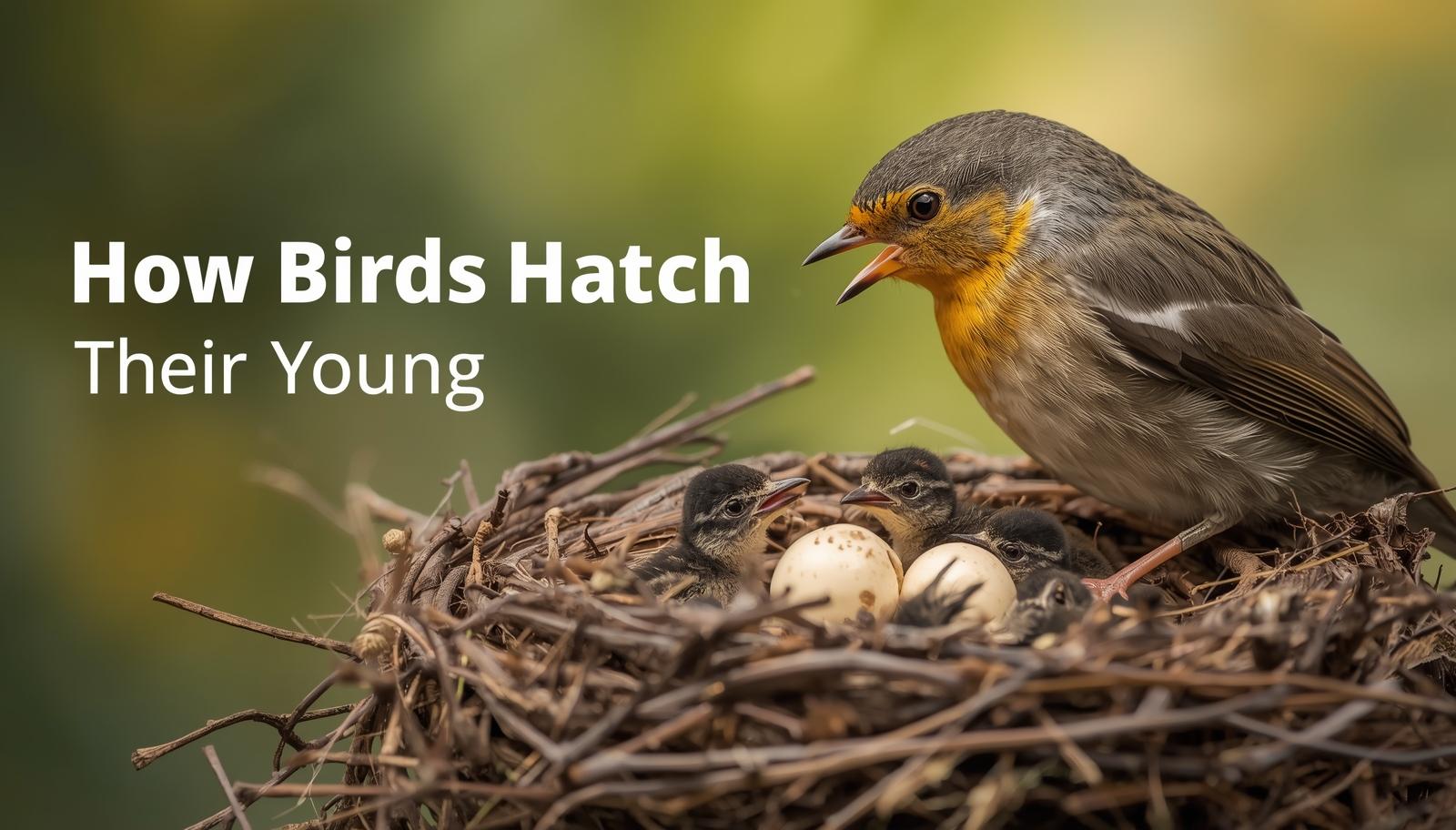
Parents feed chicks after they hatch. They work hard to find food. This keeps chicks growing.
-
Hide nests in bushes.
-
Use loud calls.
-
Take turns watching.
Adaptations To Predators
Birds use many ways to protect their nests. They want to keep chicks safe.
They use camouflage and safe spots. This helps them survive.
Camouflage Techniques
Birds hide with colors. Nests blend into the trees. Some look like leaves.
Parents cover eggs too. This tricks hungry predators.
-
Use brown and green colors.
-
Build with moss and twigs.
-
Eggs match the nest.
Nest Location Strategies
Birds pick hard spots to reach. High trees are safe. Dense bushes work well too.
Some change spots every year. This confuses the predators.
Alarm Calls And Defense
Birds scream to warn others. It scares off enemies. Parents act tough to protect young.
-
Loud warning calls.
-
Dive at predators.
-
Group mobbing.
Ethical Birding: "If a bird drags its wing, it is distracting you. Follow it away from the nest. Then leave the area so the parent returns." – Ornithologist Insight.
Unusual Nesting Behaviors
Some birds act strangely. They have unique strategies. It helps them survive.
Nest Parasitism
Some birds are lazy. They lay eggs in other nests. The host raises the stranger's baby.
The Cuckoo does this often.
-
Parasites build no nest.
-
Hosts raise the wrong chicks.
-
It saves the parasite energy.
Communal Nesting
Some groups build together. They share one big home. Safety in numbers helps them.
-
Many birds in one nest.
-
They defend it together.
-
Weavers do this.
Reuse And Renovation
Some birds use old nests. They fix them up.
-
Clean and repair old spots.
-
Add fresh leaves.
-
Return every season.

Credit: chicagobirdalliance.org
Frequently Asked Questions
What Materials Do Birds Use?
They use twigs, grass, and mud. Sometimes they use trash.
How Do Habits Vary?
It depends on the bird. Some like trees. Others dig holes.
When Do They Build Nests?
Mostly in spring. Food is easy to find then.
Where Do Hole-Nesters Live?
They use tree holes. Some use birdhouses.
Conclusion
Bird nesting habits tell us so much about each species. Birds adapt creatively, from high treetops to hidden spots. Observing these habits helps us understand nature.
Next time you go outdoors, watch closely. Notice the shapes, materials, and locations. Learning how birds build nests will deepen your respect for nature and make birdwatching more meaningful.
Audubon Society Rule: "Never touch a nest. Watch from far away with binoculars. Keep the birds safe."