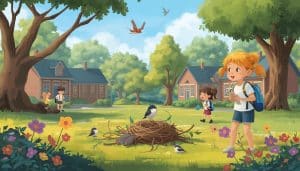
Have you ever noticed a tiny nest tucked away in the branches around your schoolyard? Bird Nesting in Schoolyards is more than just a charming sight—it’s a chance for you to connect with nature right where you learn and play.
Imagine watching baby birds grow and hearing their first chirps during your breaks. This simple natural event can spark curiosity, teach valuable lessons, and bring a fresh sense of wonder to your daily routine. Keep reading to discover how Bird Nesting in Schoolyards can transform your schoolyard into a lively classroom full of life and learning.
Credit: www.birdscanada.org
Benefits Of Bird Nesting In Schools
Bird nesting in schoolyards brings many benefits to students and nature. It helps children learn about birds and their homes. Schools become places where students connect with wildlife.
Watching birds build nests can make schoolyards lively. It gives students chances to see nature up close and understand how animals live.
Enhancing Student Engagement
Bird nesting activities keep students interested in learning. They observe, record, and talk about what they see. This hands-on learning helps students focus and enjoy school.
- Students watch birds building nests
- They learn about bird behavior and life cycles
- They share their observations with classmates
- Outdoor lessons become more exciting
Fostering Environmental Stewardship
Bird nesting teaches students to care for nature. They see how their actions affect birds and plants. This helps them act to protect the environment in their community.
| How Students Can Help | Actions |
| Protect bird nests | Avoid disturbing nesting areas |
| Provide food and water | Set up bird feeders and baths |
| Create safe habitats | Plant native trees and shrubs |
| Educate others | Share knowledge about birds and nature |
Improving Local Biodiversity
Bird nesting in schools helps local nature grow stronger. Birds help spread seeds and control pests. This makes the area healthier and more diverse.
Bird nesting supports local biodiversity in these ways:
- Birds pollinate flowers and plants
- They control insect populations
- Nesting sites increase bird numbers
- Diverse bird life attracts other wildlife
Choosing The Right Nesting Sites
Birds need safe places to build their nests in schoolyards. Choosing the right sites helps protect them and supports their growth.
Good nesting spots provide shelter and keep birds away from dangers. Let’s look at how to pick the best trees, boxes, and timing.
Identifying Suitable Trees And Shrubs
Birds like trees and shrubs that offer cover and food. Native plants are the best choice because birds know them well.
- Choose trees with dense leaves for shelter.
- Pick shrubs with berries or seeds for food.
- Avoid plants with many thorns or very thin branches.
- Look for trees that are not too close to playgrounds or busy paths.
Safe Nest Box Placement
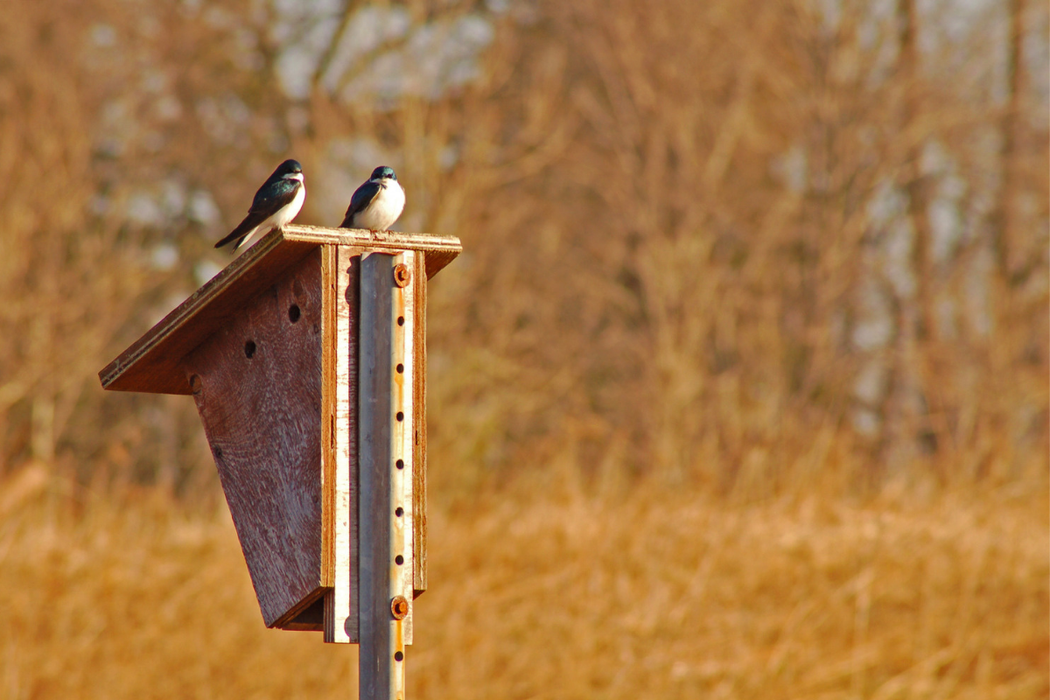
Placing nest boxes correctly gives birds a safe home. Boxes should be high enough to avoid pets and people.
| Placement Factor | Recommendation |
| Height | 4 to 10 feet above ground |
| Shade | Partial shade to avoid overheating |
| Entry Direction | Face away from prevailing winds |
| Mounting | Use sturdy poles or trees |
Seasonal Considerations
Timing matters for bird nesting success. Birds start building nests in early spring and need quiet places during breeding.
- Check nests before school starts to avoid disturbing birds.
- Keep areas quiet from March to July.
- Clean nest boxes in late fall after birds leave.
Types Of Birds Commonly Found
Schoolyards can be great places for birds to build nests. Different types of birds use these areas for shelter and food. Knowing which birds visit helps us protect them.
Birds in schoolyards vary by region and season. Some stay year-round, while others pass through during migration.
Native Species To Encourage
Native birds are important for local ecosystems. They help control pests and pollinate plants. Encouraging them in schoolyards supports nature close to home.
- American Robin
- Northern Cardinal
- Blue Jay
- Chickadee
- Red-winged Blackbird
Migratory Visitors
Migratory birds travel long distances to find food and nesting spots. Schoolyards can be safe stops on their journeys. These birds add variety and help spread seeds.
| Bird | Migration Season | Notes |
| Ruby-throated Hummingbird | Spring and Fall | Needs nectar-rich flowers |
| Yellow Warbler | Spring and Fall | Prefers shrubs and small trees |
| Swainson’s Thrush | Spring and Fall | Likes dense foliage |
Species To Monitor For Safety
Some birds need extra care in schoolyards. They may be sensitive to noise or predators. Watching these species helps keep them safe.
- Eastern Bluebird – needs nesting boxes
- House Sparrow – can compete with native birds
- European Starling – may damage native habitats
Keep an eye on these birds to protect local wildlife.
Credit: www.birdscanada.org
Incorporating Nesting Into Curriculum
Bird nesting in schoolyards offers many learning chances. Students observe nature close to their classrooms.
Teachers can use bird nests to teach science, art, and data skills. This makes lessons fun and real.
Science Lessons And Observations
Students learn about bird species by watching nests. They see how birds build nests and care for eggs.
Teachers can explain life cycles, habitats, and animal behavior using nest examples. Students record what they notice daily.
- Identify different birds and nest types
- Track egg hatching and chick growth
- Discuss food sources and environment
Art And Creative Projects
Bird nests inspire drawing, painting, and sculpture. Students use natural materials to make nest art.
Art projects help students notice colors, shapes, and textures in nature. They express ideas about birds and homes creatively.
- Create leaf, twig, and clay nests
- Draw birds and nests in journals
- Write stories or poems about birds
Citizen Science And Data Collection
Students join citizen science by counting nests and birds. They submit data to local or global projects.
Collecting data teaches students to measure, record, and analyze. It shows how science helps protect wildlife.
- Count nests and note bird species
- Record dates of egg laying and hatching
- Report findings to birdwatching groups
Engaging Students And Staff
Bird nesting in schoolyards offers a great way to bring students and staff together. It helps everyone learn about nature and care for the environment.
Watching birds build nests can spark curiosity. This activity can become part of lessons and school projects.
Organizing Birdwatching Clubs
Birdwatching clubs give students a chance to explore nature regularly. Clubs meet to observe birds and share what they find.
Clubs help students develop patience and observation skills. They learn to identify different bird species and understand their habits.
- Plan regular birdwatching sessions in the schoolyard
- Provide binoculars and bird guides
- Encourage students to keep a bird journal
- Invite guest speakers to talk about birds
Training For Teachers And Volunteers
Teachers and volunteers need basic training about birds and their nests. This helps them guide students safely and effectively.
Training covers bird identification, nest safety, and how to observe without disturbing the birds. Staff can lead activities with confidence.
- Learn common bird species in your area
- Understand bird nesting behaviors
- Practice safe observation techniques
- Get ideas for classroom lessons and activities
Community Involvement And Events
Involving the community makes bird nesting projects stronger. Families and local groups can join to support and learn.
Schools can host events like bird counts or nest-building workshops. These events bring people together and raise awareness.
- Organize birdwatching days open to families
- Host talks by local bird experts
- Run nest box building workshops
- Share photos and stories in newsletters or social media

Credit: www.jimspestcontrol.com.au
Maintaining And Protecting Nesting Areas
Birds need safe places to build nests in schoolyards. Protecting these areas helps birds grow their young. It also teaches students to care for nature.
Keeping nesting areas safe requires regular work. This includes watching the nests and keeping predators away. Using plants and natural materials can help too.
Regular Monitoring Practices
Check nesting sites often to see if birds are safe. Look for signs of eggs or baby birds. Note any changes around the nests.
Keep records of what you find. This helps spot problems early. Avoid touching nests to not scare birds away.
- Visit nests weekly during breeding season
- Use binoculars to watch from a distance
- Record dates and any nest activity
- Report any damage or threats promptly
Dealing With Predators And Threats
Predators like cats, raccoons, and snakes can harm nesting birds. Keep these animals away from nests. Use safe barriers or natural deterrents.
Human activity can also disturb birds. Place signs to remind students not to touch nests. Create quiet zones near nesting areas.
- Install low fences or screens around nests
- Remove trash and food scraps that attract predators
- Teach students to respect bird habitats
- Limit loud noises near nesting spots
Sustainable Landscaping Tips
Plant native trees and shrubs to provide shelter and food. Avoid using chemicals like pesticides near nests. These can harm birds and insects.
Use mulch and natural ground cover to keep soil healthy. Create diverse habitats to support many bird species. This helps keep the schoolyard green and lively.
- Choose native plants that produce berries and seeds
- Use organic compost instead of chemical fertilizers
- Plant dense shrubs for nesting cover
- Keep grassy areas trimmed but not removed
Measuring Impact On Learning And Ecology
Bird nesting projects in schoolyards help students learn about nature. These projects also improve local ecology by supporting bird habitats.
Measuring their impact helps schools see how learning and the environment benefit. It guides future efforts to support both students and wildlife.
Tracking Student Progress
Teachers can track how students grow in knowledge and skills. Observations, quizzes, and journals show what students learn about birds and ecosystems.
- Record bird species students identify
- Note students’ questions and discoveries
- Check understanding of bird behaviors and habitats
- Encourage creative work like drawings and stories
Assessing Environmental Changes
Monitoring the schoolyard helps measure ecological effects. Data on bird visits and plant growth show how nesting impacts the environment.
| Indicator | Before Project | After Project |
| Number of Bird Species | 5 | 12 |
| Bird Nest Counts | 3 | 9 |
| Plant Diversity | 8 | 15 |
| Insect Activity | Low | Moderate |
Sharing Success Stories
Sharing stories helps spread ideas and excitement. Students and staff can share photos, reports, and experiences about the project.
- School newsletters and websites
- Community events and fairs
- Social media posts with photos
- Presentations to local groups
Frequently Asked Questions
Why Do Birds Nest In Schoolyards?
Birds nest in schoolyards due to abundant resources. These areas offer food, shelter, and safety from predators. Schoolyards often have trees and shrubs, which provide ideal nesting spots. Additionally, the presence of students can deter predators, offering birds a relatively safe environment to raise their young.
How Can Schools Support Bird Nesting?
Schools can support bird nesting by creating bird-friendly habitats. Plant native trees and shrubs to provide shelter and food. Avoid using pesticides, which can harm birds. Install birdhouses or nesting boxes to offer more nesting options. Educate students about bird conservation to foster a supportive environment.
What Types Of Birds Nest In Schoolyards?
Common birds nesting in schoolyards include robins, sparrows, and finches. These species adapt well to urban environments. They often choose schoolyards due to the availability of food and nesting sites. Observing these birds can provide valuable learning experiences for students.
Are Bird Nests In Schoolyards Beneficial?
Yes, bird nests in schoolyards are beneficial. They promote biodiversity and create educational opportunities. Students can learn about bird behavior, ecology, and conservation. Birds also help control insect populations, offering a natural pest control method. Encouraging bird nesting can enhance the school’s ecosystem.
Conclusion
Bird nesting in schoolyards brings nature close to children. It helps students learn about birds and their habits. Watching nests grow creates curiosity and respect for wildlife. Schoolyards with nests become lively and full of life. Protecting these spaces teaches kids to care for the environment.
Small actions can make a big difference for birds. Everyone benefits when schools support bird nesting areas. Nature’s presence in schools inspires future generations to protect it.