Have you ever noticed birds busily building nests in your backyard or nearby trees? That’s bird nesting season in action—a fascinating time when nature shows its most delicate and purposeful side.
Understanding this season can change the way you see your surroundings and even help you protect these tiny architects and their future families. You’ll discover why bird nesting season matters, how it affects your environment, and simple ways you can support these amazing creatures during their most important time of the year.
Keep reading to unlock the secrets of bird nesting season and become a part of this incredible natural cycle.

Credit: www.youtube.com
Bird Nesting Season Basics
Bird nesting season is the time when birds build nests and raise their young. It is an important period for bird survival and growth.
During this season, birds focus on finding safe places to lay eggs and care for their chicks. Understanding this helps protect birds and their habitats.
Timing And Duration
Bird nesting season usually starts in spring and lasts through summer. The exact time varies depending on the bird species and location.
Some birds begin nesting as early as February, while others start later in May. The season can last from a few weeks to several months.
- Early nesters: February to April
- Most active: March to July
- Late nesters: June to August
Common Nesting Species
Many bird species build nests during the nesting season. Some are common in gardens, parks, and forests.
These species often use different types of nests and choose various places to lay their eggs.
- Robins: build cup-shaped nests in trees or shrubs
- Sparrows: nest in bushes, buildings, or nest boxes
- Swallows: make mud nests under eaves or bridges
- Bluebirds: use nest boxes or tree cavities
- Cardinals: build nests in dense shrubs or trees

Credit: www.npr.org
Creating A Safe Environment
Bird nesting season is a crucial time for many species. They need a calm and safe place to raise their young.
People can help by making sure birds do not get disturbed or lose their nesting spots.
Minimizing Disturbances
Birds are sensitive during nesting. Loud noises or sudden movements can scare them away.
- Keep pets away from nesting areas.
- Avoid loud noises near nests.
- Stay on marked trails when hiking.
- Do not touch or move nests.
- Limit the use of bright lights at night.
Protecting Nesting Sites
Protecting nesting sites helps birds feel secure and raise healthy chicks.
| Action | Reason |
| Mark nesting areas with signs | Warns people to keep distance |
| Plant native shrubs | Provides shelter and food |
| Remove invasive plants | Supports healthy habitat |
| Limit construction near nests | Reduces habitat loss |
Supporting Bird Habitats
Bird nesting season is a crucial time for many species. Providing safe habitats helps birds raise their young successfully.
Simple actions in your garden or community can make a big difference. Supporting bird habitats benefits nature and biodiversity.
Planting Native Vegetation
Native plants offer food and shelter that birds need during nesting season. They attract insects and provide safe places to hide.
- Choose plants that grow naturally in your area
- Include a mix of trees, shrubs, and flowers
- Avoid using pesticides that harm insects
- Plant dense bushes for nesting spots
- Provide seasonal fruits and seeds
Providing Water Sources
Water is essential for birds during nesting. They use it for drinking and bathing, which helps keep them healthy.
| Water Source | Benefits |
| Birdbath | Easy access for drinking and bathing |
| Shallow Ponds | Supports a variety of birds and insects |
| Dripping Faucets | Creates moving water that attracts birds |
| Natural Streams | Offers clean, fresh water and habitat |
Avoiding Common Threats
Bird nesting season is a special time for many species. They build nests and raise their young. Protecting birds during this time is important.
Many dangers can harm nests and baby birds. People can help by avoiding these common threats.
Dealing With Predators
Predators like cats, raccoons, and snakes can destroy nests. They eat eggs or baby birds. Keeping these animals away helps birds stay safe.
Do not leave pet cats outside during nesting season. Secure trash cans and remove food scraps. This reduces visits from raccoons and other predators.
- Keep cats indoors or supervised
- Cover or secure trash bins
- Remove bird feeders that attract predators
- Trim tree branches near nests to reduce predator access
Reducing Pesticide Use
Pesticides can harm birds by poisoning them or their food. Insects are food for many baby birds. Using fewer chemicals helps protect bird health.
Choose natural pest control methods. Plant native flowers to attract beneficial insects. Avoid spraying chemicals near nesting areas.
- Use organic or natural pest controls
- Encourage ladybugs and other helpful insects
- Plant diverse native plants
- Limit pesticide use during spring and summer
Using Nest Boxes and Feeders
Bird nesting season is a special time for many bird species. Providing nest boxes and feeders helps birds find safe places to rest and food to eat.
Proper use of nest boxes and clean feeders support healthy bird populations. This guide covers how to choose the right nest boxes and keep feeders clean.
Choosing The Right Nest Boxes
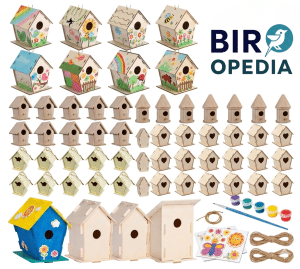
Selecting nest boxes that fit local bird species is important. Size, entrance hole, and placement affect bird safety and comfort.
- Use boxes with the right hole size for the bird species.
- Place boxes away from strong wind and direct sun.
- Mount boxes 5 to 10 feet above the ground.
- Choose materials that resist weather, like untreated wood.
- Make sure boxes have ventilation and drainage holes.
Maintaining Clean Feeders
Clean feeders prevent disease and keep birds healthy. Wash feeders often and replace old seeds to avoid mold.
| Cleaning Task | Frequency |
| Remove old seeds and debris | Every 2-3 days |
| Wash feeder with warm soapy water | Weekly |
| Disinfect with 10% bleach solution | Monthly |
| Rinse well and dry before refilling | After each cleaning |
Engaging With Community Efforts
Bird nesting season is a special time for many birds. People in communities can help protect birds during this time. Working together helps keep bird homes safe.
Joining local efforts is a great way to learn about birds. It also helps make a big difference for nature and wildlife.
Participating In Citizen Science
Citizen science means regular people help scientists. You can watch birds and share what you see. This helps experts track bird health and habits.
Many projects ask volunteers to count bird nests or note bird behavior. This information is very useful for protecting birds during nesting season.
- Observe nests without disturbing them
- Record bird types and numbers
- Report your findings online or to groups
- Learn about local bird species
Supporting Local Conservation Groups
Local groups work hard to protect birds and their homes. You can help by joining their events or sharing their work with others.
These groups may plant trees, clean parks, or build birdhouses. Your help can make nesting places safer and better for birds.
- Volunteer for habitat clean-ups
- Help build or place birdhouses
- Attend workshops about bird safety
- Donate supplies or funds if possible

Credit: swibirds.org
Frequently Asked Questions
When Is the Bird Nesting Season?
Bird nesting season usually occurs in spring and early summer. During this time, birds build nests, lay eggs, and raise chicks. Exact timing varies by species and location but generally spans from March to July in many regions.
How To Protect Birds During Nesting Season?
To protect birds, avoid disturbing nests or nearby areas. Keep pets indoors, minimize loud noises, and refrain from pruning trees. Providing safe, natural habitats helps birds successfully raise their young during nesting season.
Why Is Bird Nesting Season Important?
Nesting season is crucial for bird reproduction and population growth. It ensures the continuation of species and maintains ecosystem balance. Birds also help control insects and pollinate plants, supporting biodiversity.
What Signs Indicate Bird Nesting Activity?
Signs include birds gathering nesting materials, frequent visits to a specific spot, and heard chirping or begging calls. Spotting eggs or hatchlings confirms active nesting. Observing quietly helps avoid disturbing the birds.
Conclusion
Bird nesting season offers a unique glimpse into nature’s wonders. Watch birds build, lay, and nurture. This special time fosters appreciation for our feathered friends. Simple steps can protect and support nesting birds. Keep a respectful distance to avoid disturbing them.
Plant native trees and shrubs to provide natural habitats. Share your experiences with others to spread awareness. Together, we can help birds thrive during this essential season. Celebrate the beauty and joy of bird nesting. Stay curious and observe nature’s remarkable cycle.
Enjoy the sights and sounds of this lively season.