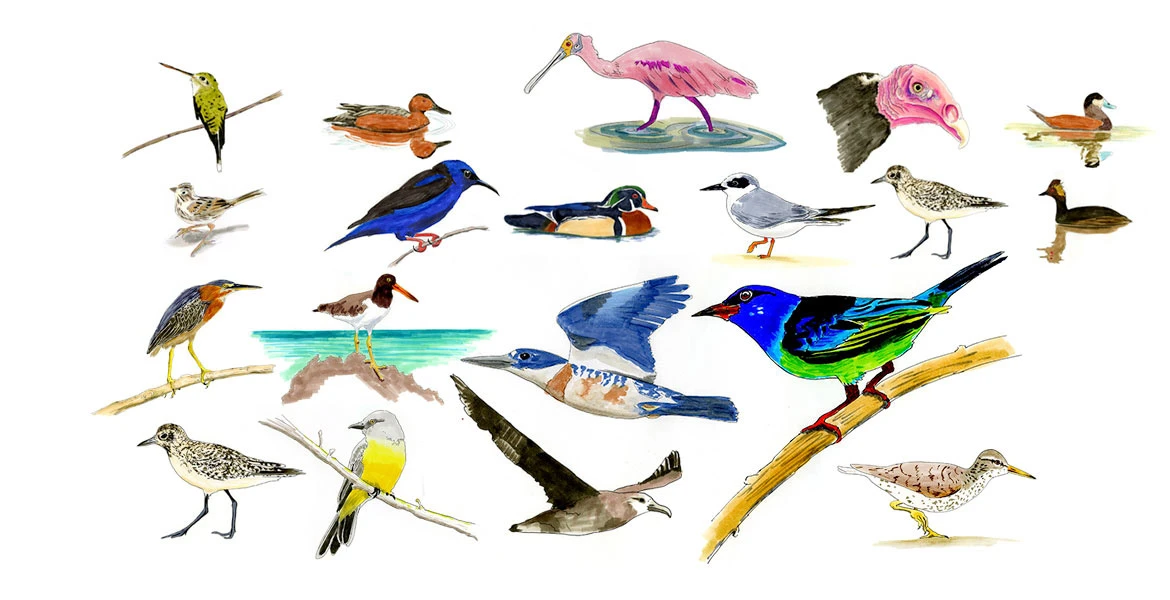
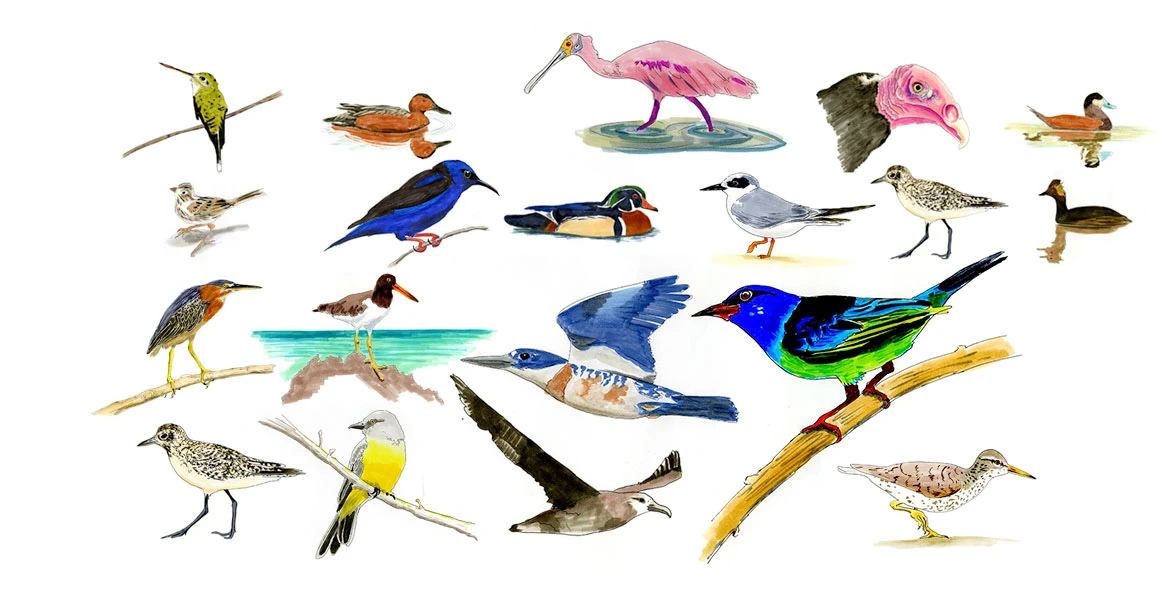
Have you ever stopped to wonder about the incredible variety of birds around you? Each bird specie has its own unique colors, sounds, and behaviors that can surprise and delight you.
Whether you're a casual observer or someone who loves nature, understanding these fascinating creatures can bring a new level of joy to your day. You’ll discover the secrets behind some of the most interesting bird species and learn how to spot them in your own backyard.
Ready to see the world of birds through a fresh lens? Let’s dive in and explore together.
Distinctive Features Of Bird Species
Bird species have many special features that help them live in their environments. These features include their beaks, feathers, flight skills, and body shapes.
Understanding these features helps us learn how birds survive and adapt to different places around the world.
Beak Shapes And Functions
Bird beaks come in many shapes and sizes. Each shape helps the bird get its food or do other tasks.
Some beaks are strong for cracking seeds. Others are long and thin for catching insects or nectar.
- Hooked beaks help birds of prey tear meat.
- Flat, wide beaks help ducks scoop water.
- Thin, pointed beaks catch small insects.
- Strong, thick beaks crack hard seeds.
Feather Colors And Patterns
Feathers give birds their colors and patterns. These colors can help birds hide or attract mates.
Some birds have bright colors to warn predators or show off. Others have camouflaged colors to blend in.
- Bright feathers attract mates during breeding season.
- Camouflage colors help birds hide from enemies.
- Patterns like stripes or spots break up a bird’s outline.
- Some birds change colors with the seasons.
Flight Adaptations
Birds have special features that help them fly well. These include wing shape and strong muscles.
Some birds soar high with wide wings. Others flap fast with short wings for quick moves.
- Long, wide wings help birds glide for long times.
- Short, rounded wings allow fast turns in forests.
- Light bones reduce weight for easier flying.
- Strong chest muscles power wing movement.
Size And Body Structure Variations
Birds vary greatly in size and body shape. These differences help them live in many places.
Big birds can travel far, while small birds fit into tight spaces. Body shape affects their balance and speed.
- Large birds often have strong legs for walking or hunting.
- Small birds use quick movements to escape danger.
- Long legs help wading birds walk in water.
- Streamlined bodies help birds fly fast and smoothly.

Credit: soliom.net
Habitat And Distribution
Bird species live in many types of places all over the world. Their homes depend on climate, food, and safety.
Understanding where birds live helps us learn about nature and protect them better.
Tropical Vs Temperate Birds
Tropical birds live near the equator where it is warm year-round. They enjoy rainforests and jungles.
Temperate birds live in cooler areas with four seasons. They adapt to changes in weather and food.
- Tropical birds often have bright colors and loud calls
- Temperate birds usually change feathers to stay warm
- Tropical habitats include rainforests and mangroves
- Temperate habitats include forests, grasslands, and wetlands
Migratory Patterns
Many birds travel long distances to find food or better weather. This is called migration.
Birds use landmarks, the sun, and Earth's magnetic field to navigate during migration.
- Some birds fly south in winter to find warmth
- Others migrate to breed in safe areas with more food
- Migration routes can cover thousands of miles
Endemic Species And Their Regions
Endemic birds live only in one specific place. They are special to their region.
Endemic species need careful protection because they cannot be found anywhere else.
- The kiwi is endemic to New Zealand
- The California condor lives only in parts of California and Arizona
- The Madagascar fish eagle is found only in Madagascar
Unique Behaviors
Birds show many unique behaviors that help them survive and thrive. These behaviors include how they find mates, build nests, and communicate.
Each bird species has special ways to attract partners, care for their young, and talk to others around them.
Mating Rituals And Courtship
Birds use many actions to attract mates. Some dance, show bright feathers, or sing songs. These actions help them find the right partner.
Some species perform complex dances or build objects to impress their mates. Courtship helps birds show they are healthy and strong.
- Dancing with wings or tails
- Displaying colorful feathers
- Singing special songs
- Building nests or objects
Nesting Techniques
Birds build nests in many different ways. Some use twigs and leaves, while others use mud or spider webs. Nests protect eggs and baby birds.
Some birds choose high trees, cliffs, or hidden places for their nests. The location keeps eggs safe from predators and bad weather.
- Using natural materials like twigs and leaves
- Building in trees, cliffs, or bushes
- Making nests waterproof with mud or saliva
- Hiding nests to avoid predators
Communication And Songs
Birds use songs and calls to talk. They warn about danger, attract mates, and keep in touch with others. Each bird has unique sounds.
Some birds learn new songs from others. Their songs can change based on where they live. This helps them adapt to different environments.
- Singing to attract mates
- Calling to warn about danger
- Using different sounds to communicate
- Learning and changing songs over time

Credit: www.birdsandblooms.com
Diet And Feeding Habits
Bird species have many different diets. Their feeding habits depend on their body type and environment.
Some birds eat meat, plants, or both. Others have special ways to find and eat food.
Carnivorous Birds
Carnivorous birds eat mostly meat. They hunt animals like fish, insects, or small mammals.
They have sharp beaks and strong claws. These help them catch and kill prey.
- Examples: Eagles, hawks, owls
- Use keen eyesight to spot prey
- Some catch food in water or air
Herbivorous Birds
Herbivorous birds eat plants. They feed on seeds, fruits, leaves, or nectar.
These birds have beaks made for cracking seeds or sipping nectar from flowers.
- Examples: Parrots, finches, hummingbirds
- Some store food in their crops
- Use long tongues to reach nectar
Omnivorous Birds
Omnivorous birds eat both plants and animals. They have a varied diet to survive.
They adapt to different foods depending on the season or habitat.
- Examples: Crows, gulls, pigeons
- Eat insects, fruits, grains, and small animals
- Flexible feeding helps in many environments
Specialized Feeding Strategies
Some birds have unique ways to find and eat food. These methods suit their environment.
They may use tools, hunt in groups, or feed at night.
- Woodpeckers use their beaks to dig insects from trees
- Pelicans scoop fish with their large throat pouch
- Bee-eaters catch flying insects on the wing
- Owls hunt quietly at night with sharp senses
Conservation Status
Bird species around the world face different levels of risk. Conservation status shows how likely a bird is to survive in the wild.
It helps scientists and people protect birds that need help the most.
Threatened And Endangered Species
Some bird species are threatened or endangered. This means their numbers are very low or dropping fast.
Endangered birds need urgent protection to avoid extinction.
- California Condor is critically endangered.
- Spix's Macaw is extinct in the wild.
- Whooping Crane is threatened but recovering.
Impact Of Habitat Loss
Birds lose homes when forests and wetlands are destroyed. This is habitat loss.
Without safe places, birds cannot find food or raise young.
- Deforestation removes trees needed for nests.
- Pollution harms water birds and their food.
- Urban growth limits natural bird habitats.
Conservation Efforts And Success Stories
People work hard to save bird species. Conservation programs protect habitats and breed birds in captivity.
Some birds show strong recovery thanks to these efforts.
- California Condor numbers rose from 22 to over 400.
- Bald Eagles recovered after hunting bans.
- Wetland protection helps migratory birds thrive.

Credit: www.wildlifenomads.com
Fascinating Bird Records
Birds are amazing creatures with unique abilities and traits. Some hold records that surprise many people.
These records include speed, lifespan, colors, and size. Learning about them helps us appreciate birds more.
Fastest Flyers
The fastest bird in level flight is the white-throated needletail. It can fly up to 105 miles per hour.
The peregrine falcon is the fastest when diving. It can reach speeds over 240 miles per hour.
- White-throated needletail: fastest level flight
- Peregrine falcon: fastest diving speed
Longest Lifespan
Some birds live much longer than others. The albatross can live over 60 years in the wild.
The oldest known bird was a cockatoo named Cookie. He lived to be 83 years old.
- Albatross: 60+ years in the wild
- Cockatoo (Cookie): lived 83 years
Most Colorful Species
Birds show many colors for different reasons. The rainbow lorikeet has bright feathers in many colors.
The resplendent quetzal shines with green, red, and blue feathers. Its colors help it attract mates.
- Rainbow lorikeet: bright rainbow colors
- Resplendent quetzal: shiny green, red, blue
Largest And Smallest Birds
The ostrich is the largest living bird. It stands up to 9 feet tall and weighs over 300 pounds.
The bee hummingbird is the smallest bird. It is about 2 inches long and weighs less than 2 grams.
| Bird | Size | Weight |
|---|---|---|
| Ostrich | Up to 9 feet tall | Over 300 pounds |
| Bee Hummingbird | About 2 inches long | Less than 2 grams |
Frequently Asked Questions
What Is The Most Common Bird Species?
The most common bird species globally is the house sparrow. Known for its adaptability, it thrives in urban areas. House sparrows are small, brown, and social birds. They are found on every continent except Antarctica.
How Do You Identify A Bird Species?
To identify a bird species, observe its size, color, and markings. Listen to its call and note its behavior. Check its habitat and location. Use field guides or birding apps for confirmation.
What Bird Species Are Endangered?
Endangered bird species include the California condor, kakapo, and spoon-billed sandpiper. Habitat loss and climate change threaten these species. Conservation efforts aim to protect and restore their populations.
How Do Bird Species Communicate?
Birds communicate through songs, calls, and body language. Songs establish territory and attract mates. Calls warn of danger and coordinate group activities. Body language conveys emotions and intentions.
Conclusion
Bird species bring color and life to our world. Each bird has unique habits and songs. Watching them helps us connect with nature. Protecting their homes is important for their survival. Learning about birds can be fun and easy. Small actions can help save many bird species.
Enjoy the beauty and wonder birds offer every day. Keep exploring and appreciating the birds around you.