Black Oil Sunflower Seeds for Birds 50 Lb Review: A Simple Bulk Buy That Feels Worth It
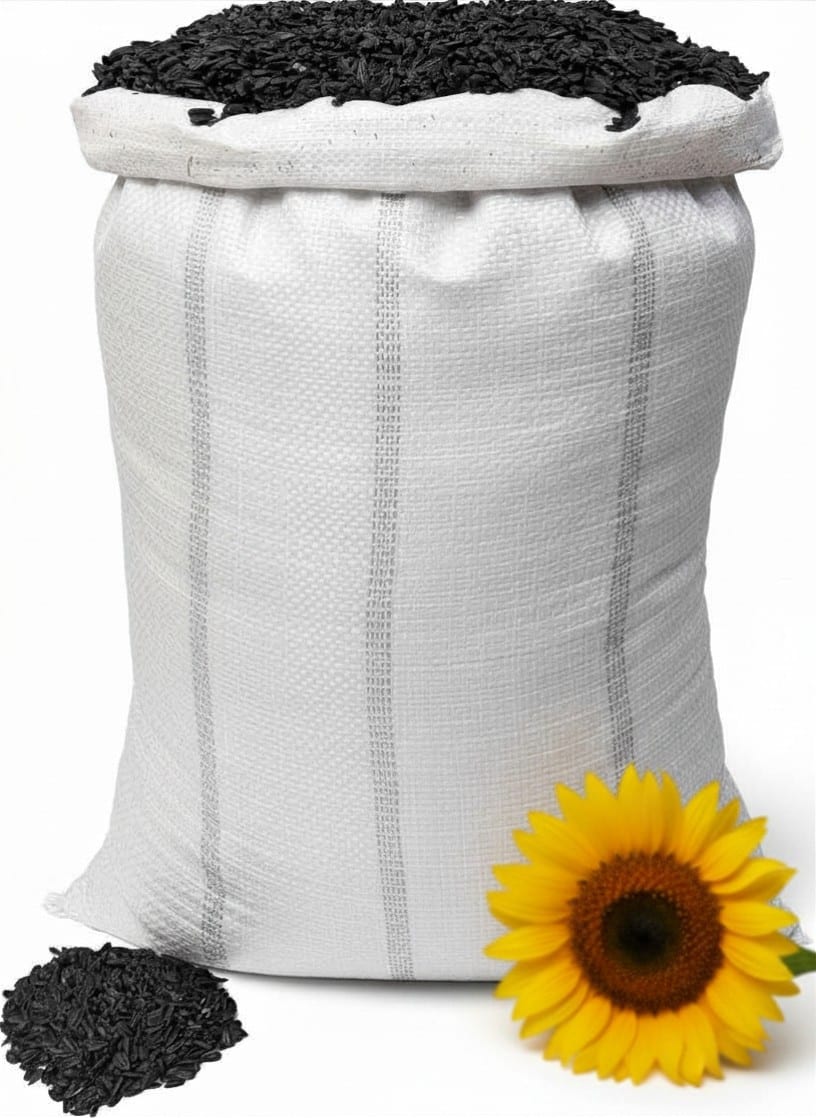
I like this 50 lb black oil sunflower seed bag for one main reason. It solves a real backyard feeding problem at scale. The seed type itself has a strong track record with birds, and the bag format makes sense for anyone who refills feeders often or feeds through winter. Brome calls black oil sunflower its first choice in seed, Audubon says it attracts a wide variety of birds, and Nebraska Extension says the thin shells and high energy content make it a strong all-around option.
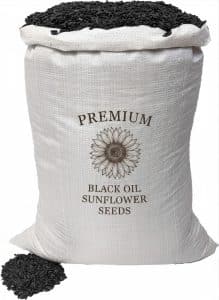
Old Potters markets this as a 50-pound bag of non-GMO black oil sunflower seed for birds and wildlife, grown on small farms in the USA.
Check Latest Price
Why this seed type works so well
Birds like black oil sunflower seed for a reason
Black oil sunflower seed brings together three things birds need. It gives them energy, offers protein, and does not force them to fight with thick shells. Audubon describes it as rich in oil, a good source of protein, and a favorite seed that attracts many backyard birds. Nebraska Extension adds that the thin shells let smaller birds use it with less effort.
That matters more than people think. Many seed blends look good in the bag, then end up wasted on the ground. A single, proven seed type usually gives a cleaner feeding pattern and better value. BHG also warns that cheap seed and poor storage can lead to waste, rodents, and rancid seed.
The 50 lb size makes sense for steady feeders
A 50-pound bag fits buyers who already know birds visit often. It also fits people who do not want to keep ordering small bags every week. Walmart’s current listing confirms the 50 lb size, and the bag comes in other smaller sizes too, which tells you this format targets repeat use rather than casual feeding.
That bulk format helps in winter as well. Brome says black oil sunflower works especially well in colder temperatures because of its fat and protein content. Nebraska Extension says the same seed has high energy content, which makes it a practical cold-weather choice for backyard birds.
What the Old Potters bag gives you
At a glance
The product page labels this seed as non-GMO, USA grown on small farms, and sold as a 50 lb wildlife food bag. Walmart also notes that the bag can contain some field debris and twigs, which signals a more natural, less over-processed product.
| Feature | What it means for you |
|---|---|
| 50 lb bulk bag | Fewer reorders |
| Black oil sunflower seed | Broad bird appeal |
| Non-GMO label | Simple ingredient positioning |
| USA grown on small farms | Strong sourcing angle |
| Natural debris possible | More manual sorting sometimes needed |
| Bird and wildlife use | Works beyond feeder-only use |
What I like most
The strongest part of this product is the balance between value and usefulness. You get a seed type that birds already want, plus a size that works for regular feeding. That combination makes the product easier to justify than a random mixed bag that birds may ignore. Audubon and Nebraska Extension both back black oil sunflower as a top seed choice for many species.
The sourcing angle also helps. Old Potters positions the product as non-GMO and USA-grown on small farms. That gives buyers a simple reason to choose it when they care about origin and ingredient purity.
What birds this seed attracts
Common backyard birds
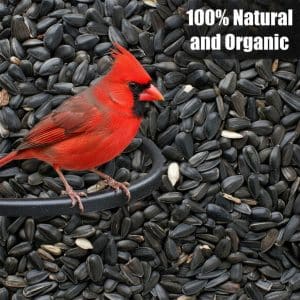
Black oil sunflower seed pulls in a broad mix of species. Audubon lists finches, chickadees, nuthatches, woodpeckers, cardinals, grosbeaks, titmice, and others. Nebraska Extension also names chickadees, siskins, juncos, native sparrows, cardinals, doves, and grosbeaks. That is a wide range for one seed type.
That broad appeal helps in a real backyard. One seed can serve different bird sizes and feeding styles. It also means you do not need to overcomplicate your setup at the start. A reliable seed often beats a fancy mix.
Why it works across seasons
Winter changes bird behavior fast. Food gets harder to find, and birds need more energy to stay active. Brome says black oil sunflower is a first-choice seed for wild birds, especially in colder temperatures. That makes this bag a smart option when you want consistent winter traffic.
The same logic works in spring and fall. Birds use the same high-energy seed when they migrate, breed, or recover from harsh weather. That makes the bag useful all year, not just in cold months. This is one reason the seed stays a classic backyard staple.
Can you use these seeds in a bird feeder?
Yes, and the feeder type matters
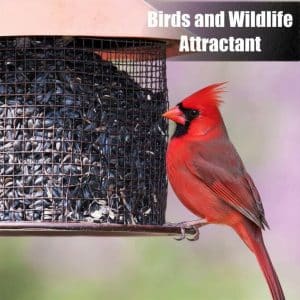
Audubon says black oil sunflower seed works in hopper, tube, or platform feeders. It also works on the ground. That flexibility makes the seed easier to buy because it does not lock you into one feeder style
Tube feeders suit small songbirds well. Hopper feeders handle larger volumes. Platform feeders work when you want a wider set of birds to feed at once. A ground setup can also work, but it needs a cleaner area and more attention.
Best feeder setup for this seed
I would use a feeder that stays dry, opens easily, and cleans without stress. BHG says easy-to-disassemble feeders make washing simpler, and regular cleaning helps stop mold and bacteria. That advice matters with any oily seed.
A simple feeder setup also lowers waste. When birds can reach the seed without dumping most of it on the ground, you save money and keep the feeding area cleaner. That is especially useful with a 50 lb bag.
Are these seeds good for winter feeding?
Yes, this is one of their best uses
Winter is where black oil sunflower seed shines. Brome says the seed has high fat and protein, which matters more when temperatures drop. Nebraska Extension also points to the seed’s high energy content and thin shells. That is a strong combination for winter feeding.
The 50 lb size helps even more in winter. Birds often visit more often, and feeders empty faster. A larger bag cuts down on refill stress when the weather turns rough. That is a practical benefit, not just a storage feature.
Winter feeding tips that actually help
Keep the seed dry. Store it in a cool, dry place. BHG warns that poor storage can spoil seed and that oily seed can turn rancid. A good bag can still fail if moisture gets in.
Keep feeders clean too. BHG recommends cleaning feeders at least every two weeks, and more often in wet weather. Clean seed, clean feeder, and steady refill habits make winter feeding much better.
Do these seeds attract squirrels?
They can, especially when seed spills
Squirrels and other wildlife often notice bird seed fast. BHG notes that cheap seed can attract rodents, and seed on the ground can bring extra traffic to your feeding area. That is why a tidy feeder setup matters.
That does not make the seed bad. It just means the seed works so well that other animals notice it too. If squirrels already visit your yard, the better fix is a squirrel-resistant feeder and a smarter placement plan.
What I would do about it
Use a feeder that closes under weight if squirrels become a problem. Keep the feeder away from jump points. BHG says feeder placement near shelter helps birds, but strong cover and easy launch points can also help predators or nuisance animals reach the feeder.
That balance matters. Birds need safety, but squirrels need less convenience. A good feeder setup keeps both groups from turning your yard into a mess.
What to expect inside the bag
A natural seed mix, not a polished showroom bag
The seeds can contain field debris and twigs. That tells me the brand leans into a more natural, minimally processed product. Some buyers like that. Others want ultra-clean seed with almost no sorting.
A live review also mentions a need to pick out “trash” like twigs and debris. That does not sound like a deal-breaker, but it does set the right expectation. A 50 lb natural bag may need a little cleanup before feeding.
Why that still can be fine
A few natural bits do not automatically make the seed poor quality. They often reflect how the seed got processed and packaged. The key question is whether birds still eat it well and whether the bag gives you good value. Current product ratings suggest that many buyers feel satisfied with the purchase.
Pros and cons
Pros
-
Strong bird appeal across many species.
-
Good winter energy source.
-
Works in hopper, tube, platform, and ground setups.
-
Large 50 lb bag reduces refill frequency.
-
Non-GMO and USA-grown positioning adds trust.
Cons
-
Heavy bag takes effort to move and store. This follows from the 50 lb size.
-
Some natural debris may need manual sorting.
-
Seed can still attract unwanted wildlife when spilled.
-
Poor storage can spoil oily seed faster.
How I would use this seed for the best result
Start with the right feeder
Use a feeder that matches your goal. Tube feeders work well for smaller birds. Platform feeders give more room. Hopper feeders hold more seed and suit bigger feeding routines. Audubon says black oil sunflower works in all three.
Keep the seed fresh
Store the bag in a dry place. Seal it well. Use it before it sits too long. BHG warns that oily seed can go rancid and stop birds from visiting. That one detail can change the whole result.
Clean the feeder on schedule
Wash the feeder often enough to keep mold away. BHG recommends at least every two weeks, with more frequent cleaning in wet weather. A clean feeder gives you better bird activity and less waste.
Who should buy this 50 lb bag
Good fit
This product fits people who feed birds often, want a bulk buy, and care about the species that black oil sunflower attracts. It also fits buyers who want a simple seed with a strong reputation. Audubon, Brome, and Nebraska Extension all back the seed type as a wide-appeal option.
It also fits birders who want a USA-grown, non-GMO label and do not mind a natural product with a few field bits.
Poor fit
This bag may not suit someone who only feeds birds once in a while. It may also feel too heavy for small storage spaces or for buyers who want the cleanest possible seed with almost no sorting. A smaller bag or a hulled seed may fit those needs better.
Frequently Asked Questions
Can these seeds be used in a bird feeder?
Yes. Audubon says black oil sunflower seed works in hopper, tube, and platform feeders, and it can also go on the ground.
Are these seeds good for winter feeding?
Yes. Brome says black oil sunflower seed offers high fat and protein, which helps wild birds in colder temperatures. Nebraska Extension also points to the seed’s high energy value.
What birds do these seeds attract?
Do these seeds attract squirrels?
They can, mainly when seed spills or sits on the ground. BHG warns that seed waste can attract rodents, so a tidy feeder setup helps.
Are these seeds grown in the USA?
Old Potters markets this bag as USA grown on small farms.
How should I store the bag?
Keep it in a cool, dry place. BHG warns that poor storage can spoil oily seed and hurt feeder results.
Conclusion
Black oil sunflower seed earns its place because it keeps the bird feeding process simple. Birds like it. It works in many feeders. It also gives you strong value when you buy in bulk. Brome, Audubon, and Nebraska Extension all support the same idea from different angles: this seed draws a wide mix of birds and gives them the energy they need.
Old Potters makes that case even easier to consider with a 50 lb bag, non-GMO positioning, and USA-grown sourcing claims.
For a steady backyard feeder, I would treat this as a smart bulk buy. Keep it dry. Keep the feeder clean. Use the right feeder style. Do that, and this bag should deliver what most bird lovers actually want: more birds, less waste, and fewer extra trips to refill.