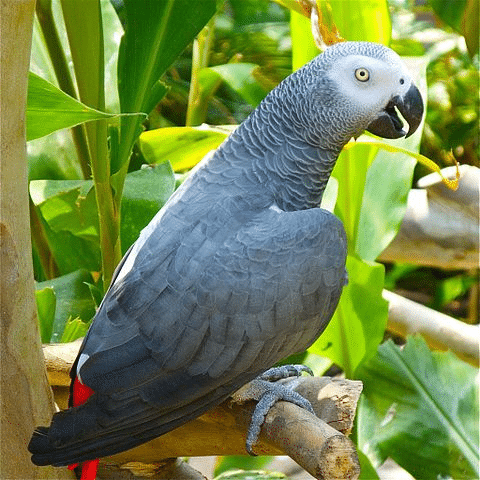
Are you fascinated by the vibrant colors and unique personalities of exotic birds? Imagine having your own flock of stunning parrots, macaws, or cockatoos, each with its special charm.
But where do these beautiful birds come from? That’s where breeders of exotic birds play a crucial role. Understanding how these experts care for and raise rare birds can help you appreciate their beauty even more—and maybe inspire you to welcome one into your life.
Keep reading to discover what makes exotic bird breeders so important and how they bring these amazing creatures closer to you.

Credit: www.exotic-birdsfarm.com
Choosing The Right Exotic Bird Species
Picking the right exotic bird species is important for breeders. Each bird has special needs and traits.
Knowing about the birds helps you care for them well. It also helps the birds stay happy and healthy.
Popular Exotic Birds For Breeding
Many breeders choose popular exotic birds. These birds are known for their beauty and unique features.
- Macaws – large, colorful, and social birds
- Lovebirds – small, playful, and easy to care for
- Canaries – known for their singing and bright colors
- Conures – medium-sized and very friendly
- Parrotlets – tiny parrots with big personalities
Matching Birds To Your Environment
Birds need a space that fits their size and habits. The climate and your home also matter a lot.
Choose birds that can live well in your local weather. Indoor spaces should be safe and roomy.
- Large birds need bigger cages or aviaries
- Tropical birds do best in warm, humid areas
- Quiet birds suit smaller, calm homes
- Active birds need space to fly and play
Considering Temperament And Care Needs
Each exotic bird has a unique personality and care needs. Some birds are gentle, others are bold and noisy.
Think about how much time you can spend on care. Some birds need lots of attention and training.
- Calm birds are better for quiet homes
- Social birds need daily interaction
- Some birds require special diets
- Regular cleaning helps keep birds healthy

Credit: birdsnways.com
Setting Up The Ideal Breeding Environment
Breeding exotic birds requires a careful setup to keep them safe and healthy. A good environment helps birds feel comfortable and encourages breeding.
Proper care includes the right cage design, temperature, lighting, and nesting spaces. Each element plays a key role in successful breeding.
Cage And Aviary Design
The cage or aviary must be large enough for birds to move freely. Space helps reduce stress and allows natural behavior.
Use strong materials like stainless steel or coated wire to prevent damage. Make sure the design includes good ventilation and safety from predators.
- Provide at least twice the normal cage size for breeding pairs
- Include perches at different heights
- Ensure easy cleaning access
- Use secure doors and locks
Temperature And Lighting Requirements
Exotic birds need stable temperatures to stay healthy. Sudden changes can cause stress and affect breeding.
Lighting should mimic natural daylight. Proper light helps regulate birds’ breeding cycles and activity levels.
- Keep temperature between 70°F and 85°F (21°C to 29°C)
- Use full-spectrum lights for 10 to 12 hours daily
- Avoid direct sunlight that can overheat the cage
- Use timers to keep lighting consistent
Nesting Materials And Spaces
Birds need safe, quiet spots to build nests. Provide materials that suit their natural habits.
Offer a variety of soft and sturdy materials. Nest boxes should be easy to enter but protect eggs and chicks.
- Use wood shavings, coconut fiber, or dried grass
- Place nesting boxes away from heavy traffic areas
- Check boxes regularly for cleanliness and safety
- Match the size of the box to the bird species
Nutrition For Vibrant Feathers And Health
Exotic birds need the right food to keep their feathers bright and their bodies strong. Good nutrition helps them stay healthy and active.
Feeding exotic birds the proper diet supports their immune system and enhances feather color. Careful nutrition is key for breeders.
Essential Nutrients And Diet Plans
Exotic birds require a balanced mix of proteins, fats, vitamins, and minerals. These nutrients help feathers grow strong and shiny.
A diet should include fresh fruits, vegetables, seeds, and pellets. Variety keeps birds interested and nourished.
- Proteins for feather growth and repair
- Healthy fats for shiny feathers
- Carbohydrates for energy
- Vitamins A, D, and E for skin and feathers
- Minerals like calcium for bone health
Supplementing With Vitamins And Minerals
Sometimes birds need extra vitamins and minerals to stay healthy. Supplements can fill any gaps in their diet.
Use supplements carefully to avoid overdosing. Always follow guidelines to keep birds safe and strong.
- Vitamin A supports vision and feathers
- Calcium strengthens bones and beaks
- Vitamin D helps absorb calcium
- Zinc aids in feather growth
- Use supplements only if diet is lacking
Hydration Tips For Exotic Birds
Water is essential for exotic birds. Proper hydration helps feathers stay healthy and prevents illness.
Fresh, clean water should be available all day. Change water daily to keep it safe and fresh.
- Provide a clean water dish or bottle
- Refill water at least once a day
- Use filtered water if possible
- Watch for signs of dehydration
- Offer water-rich fruits to boost hydration
Breeding Techniques And Timing
Breeding exotic birds requires careful attention to their needs. Proper timing and techniques help ensure healthy chicks.
Knowing when birds are ready and how to pair them is key. Managing the breeding cycle keeps birds healthy and productive.
Recognizing Breeding Readiness
Birds show signs when they are ready to breed. Look for changes in behavior and physical condition.
Signs include more singing, nest building, and brighter feathers. Males may become more active and show courtship displays.
- Increased vocalization or singing
- Building or inspecting nests
- Brighter, shinier feathers
- More physical activity or courtship behavior
Pairing Strategies For Success
Choosing the right pairs improves breeding chances. Birds should be healthy and compatible in size and temperament.
Keep pairs in separate cages before breeding. This helps them get used to each other without stress.
- Match birds of similar size and age
- Ensure both birds are healthy and active
- Introduce pairs slowly and observe behavior
- Provide a quiet, safe environment
Managing The Breeding Cycle
The breeding cycle has stages: courtship, egg laying, incubation, and chick care. Each stage needs careful attention.
Keep the nesting area clean and quiet. Feed birds a balanced diet with extra nutrients during breeding and chick growth.
- Provide fresh water and food daily
- Keep nests clean and dry
- Watch eggs for proper incubation temperature
- Handle chicks gently to avoid stress
Caring For Eggs And Chicks
Breeders of exotic birds must give special care to eggs and chicks. Proper care helps young birds grow strong and healthy.
Understanding the needs during incubation and after hatching is very important. This guide covers key steps for breeders.
Incubation Practices
Keep eggs at the right temperature and humidity during incubation. This helps the embryo develop well.
Turn the eggs gently several times a day. Turning stops the embryo from sticking to the shell.
- Maintain temperature between 99°F and 102°F (37.2°C to 38.9°C)
- Keep humidity around 50% to 60% during most of incubation
- Increase humidity to 65% to 70% in the last few days
- Turn eggs at least 3-5 times daily
Feeding And Socializing Hatchlings
Feed hatchlings with appropriate food to support fast growth. Use soft, easily digestible foods.
Handle young birds gently to help them get used to people. Socializing them early makes them friendly pets.
- Provide a mix of soaked seeds, soft fruits, and protein
- Feed small amounts frequently throughout the day
- Spend time holding and talking to the chicks daily
- Introduce new sounds and sights gradually
Monitoring Growth And Health
Watch chicks closely for signs of good growth and health. Early detection of problems helps prevent illness.
Weigh chicks regularly and check their feathers and activity levels. Healthy chicks grow steadily and stay active.
- Weigh chicks every 2-3 days to track growth
- Look for clear eyes and clean feathers
- Note any signs of illness like lethargy or poor appetite
- Keep the living area clean and dry to prevent infections
Preventing Common Health Issues
Breeders of exotic birds must keep their birds healthy. Good care helps stop many health problems early.
Knowing how to spot illness and keep a clean environment is key. Regular health checks help birds live longer.
Signs Of Illness To Watch For
Birds cannot tell us when they feel sick. Watch their behavior and appearance closely for signs of illness.
Common signs include changes in eating, breathing, or droppings. A dull feather or less active bird may be sick.
- Loss of appetite or weight
- Fluffed-up feathers for long periods
- Labored or noisy breathing
- Discharge from eyes or nostrils
- Swollen body parts or lumps
- Changes in droppings color or consistency
- Unusual behavior or less activity
Routine Health Checks
Regular health checks help catch problems early. Check birds daily for any signs of illness.
Use a checklist to track weight, feathers, and droppings. Keep records to notice changes over time.
- Weigh birds weekly to monitor health
- Inspect feathers for damage or parasites
- Observe droppings for changes
- Check eyes and beak for cleanliness
- Note any unusual noises or breathing
Maintaining Cleanliness And Hygiene
Clean cages and areas reduce the risk of disease. Remove waste and food scraps daily to prevent germs.
Disinfect cages and tools regularly. Provide fresh water and clean food dishes every day for healthy birds.
- Clean and disinfect cages weekly
- Change water daily to avoid bacteria
- Remove leftover food and droppings
- Use safe cleaning products for birds
- Keep bird rooms well ventilated
Enhancing Feather Quality And Color
Breeders of exotic birds focus on keeping feathers bright and healthy. Good feathers show the bird’s true beauty.
Strong, colorful feathers need care, good food, and a calm home. These things help birds look their best.
Grooming Techniques
Regular grooming keeps feathers clean and smooth. Birds preen to remove dirt and fix feather edges.
Bathing helps remove dust and adds shine. Use shallow water or mist birds gently with a spray.
- Provide fresh water for baths daily
- Use soft brushes to clean feathers carefully
- Check feathers for damage or parasites often
Environmental Factors Affecting Plumage
Light affects how feathers show color. Natural sunlight helps birds keep bright feathers.
Humidity and temperature also matter. Too dry or too hot places can dry out feathers and cause breakage.
- Keep birds in well-lit areas with natural light
- Maintain moderate humidity levels
- Provide good ventilation but avoid drafts
Avoiding Stress To Maintain Vibrancy
Stress makes birds lose color and damage feathers. Quiet, safe spaces help birds feel calm.
Consistent routines and gentle handling reduce fear. Happy birds have stronger, more colorful feathers.
- Limit loud noises and sudden movements
- Handle birds gently and with care
- Keep a regular feeding and cleaning schedule
Legal And Ethical Considerations
Breeding exotic birds requires careful attention to laws and ethics. Breeders must follow rules to protect the birds and nature.
Understanding legal needs and ethical duties helps breeders keep birds safe and respect wildlife.
Permits And Regulations
Many countries require permits to breed exotic birds. These rules control trade and protect species.
Breeders must check local and international laws before starting. This helps avoid fines and legal problems.
- Obtain necessary breeding permits
- Follow wildlife protection laws
- Report birds to authorities if required
- Ensure proper documentation for bird sales
Ethical Breeding Practices
Ethical breeders care for birds’ health and well-being. They provide clean spaces and good food.
Breeders avoid inbreeding and select healthy birds to keep strong populations. They also handle birds gently.
- Provide safe and clean living areas
- Feed balanced and nutritious diets
- Select birds carefully to avoid health issues
- Treat birds with kindness and respect
Protecting Wild Populations
Breeders help wild birds by not taking them from nature. They breed birds in captivity instead.
They support conservation by sharing knowledge and following rules that protect wild habitats.
- Do not capture wild birds for breeding
- Support habitat protection efforts
- Work with conservation groups when possible
- Educate others about wild bird preservation
Connecting With The Exotic Bird Community
Breeders of exotic birds benefit greatly from being part of a larger community. Connecting with others helps improve care and breeding practices. It also creates opportunities to share experiences and learn new things.
Being involved in the exotic bird community supports responsible breeding. It encourages sharing knowledge and resources to keep birds healthy and happy.
Joining Breeder Networks
Breeder networks connect people who share a passion for exotic birds. These groups offer a place to ask questions and find advice. Joining these networks can lead to friendships and partnerships.
Networks often include online forums, social media groups, and local clubs. Being active in these groups helps you stay updated on the latest breeding tips and bird care standards.
Sharing Knowledge And Resources
Sharing knowledge helps all breeders improve their work. Experienced breeders can teach beginners about bird health and breeding techniques. Exchanging resources like books, feed suppliers, and vet contacts is valuable.
Open communication builds trust and supports better bird care. It also helps prevent common mistakes and ensures the birds’ well-being.
- Share tips on bird nutrition and habitat
- Exchange contacts for reliable vets
- Discuss breeding challenges and solutions
- Provide advice on bird behavior and training
Participating In Bird Shows And Events
Bird shows and events offer chances to meet other breeders in person. These events showcase different exotic bird species and breeding results. Attending helps you learn from others and display your birds.
Events also allow breeders to exchange ideas and celebrate their shared interest. They often include workshops and seminars to improve breeding skills.
- Meet breeders from different regions
- See rare and exotic bird species
- Attend talks on bird care and breeding
- Enter your birds in competitions
Credit: www.exotic-birdsfarm.com
Frequently Asked Questions
What Are Exotic Birds?
Exotic birds are species not native to your region. They often have vibrant plumage and unique characteristics. Breeders specialize in their care, ensuring they thrive outside their natural habitat. Popular examples include parrots, macaws, and cockatoos. These birds require specific diets and environments to maintain their health.
How To Choose A Reputable Bird Breeder?
Research extensively before choosing a breeder. Look for breeders with positive reviews and proper certifications. Visit their facilities to ensure birds are well-cared for and healthy. A reputable breeder will provide detailed care instructions. They should also offer support after purchase to ensure your bird’s well-being.
What Should I Know Before Buying Exotic Birds?
Understand the commitment involved in owning exotic birds. They require special diets, social interaction, and regular veterinary care. Consider their lifespan, which can be decades. Ensure you have the time, resources, and environment to meet their needs. Research different species to find one that matches your lifestyle.
Why Are Exotic Birds Popular Pets?
Exotic birds are popular for their intelligence and vibrant appearance. They can mimic sounds and interact with their owners, providing companionship. Their unique behaviors and personalities make them fascinating pets. However, they require dedicated care and attention, making them suitable for committed pet owners.
Conclusion
Breeders of exotic birds play a key role in protecting rare species. They help keep bird populations healthy and strong. These breeders also teach people about bird care and habits. Caring for exotic birds needs patience and knowledge. Choosing a responsible breeder supports ethical and safe practices.
Birds bring beauty and joy into many homes. Trustworthy breeders ensure birds get proper care from start. This helps birds live happy and long lives. The world benefits when we respect and protect these unique creatures.