Have you ever wondered if birds can actually hear worms moving underground? It’s a curious question that makes you think about how sharp a bird’s senses really are.
Imagine being able to detect something hidden beneath the soil, just by sound. If you’ve ever watched a bird suddenly peck the ground with perfect accuracy, you might be surprised to learn what’s happening behind the scenes. Keep reading, and you’ll discover the fascinating truth about how birds use their hearing—and maybe even more—to find their next meal right beneath your feet.

Credit: www.reddit.com
Bird Hearing Abilities
Birds have strong hearing skills that help them survive. They use their hearing to find food and avoid danger.
Some people wonder if birds can hear worms moving underground. Understanding how birds hear helps answer this question.
How Birds Detect Sounds
Birds detect sounds using their ears, which are hidden under feathers. Their ear shape helps catch sounds from different directions.
Birds listen for vibrations in the ground and air. They can sense faint noises, like small animals moving nearby.
- Birds tilt their heads to locate sound sources
- They use both ears to detect direction
- Some birds can hear low vibrations through the ground
Frequency Range Birds Can Hear
Birds hear sounds in a wide frequency range. This range is usually between 1,000 and 4,000 Hz, but some birds hear higher or lower sounds.
Low-frequency sounds travel better underground. Birds may detect worms if the worm’s movement creates noise in their hearing range.
| Bird Type | Hearing Frequency Range (Hz) |
|---|---|
| Songbirds | 1,000 – 4,000 |
| Owls | 200 – 12,000 |
| Hawks | 1,000 – 6,000 |
| Ducks | 1,000 – 3,000 |
Worm Movement Sounds
Birds often search for worms as food. They may rely on sounds to find worms underground. Understanding worm movement sounds helps explain this behavior.
Worms move by squeezing their bodies and pushing through soil. This motion creates subtle noises in the earth.
Nature Of Worm Crawling Noises
Worms do not have legs, so their movement sounds are soft and slow. They make small vibrations by contracting muscles.
These noises are faint and often sound like tiny rustling or tapping. The sounds come from soil particles shifting as the worm moves.
- Soft rustling from soil disturbance
- Light tapping from worm’s muscle contractions
- Slow, rhythmic vibrations
Ground Transmission Of Sounds
Sounds from worm movement travel through soil as vibrations. Soil type affects how well these sounds move.
Loose, dry soil absorbs sounds quickly. Wet or compact soil can carry vibrations farther. Birds can detect these vibrations with sensitive hearing.
- Vibrations spread faster in moist soil
- Loose soil reduces sound travel
- Birds sense underground sounds through ground contact
Birds’ Hunting Techniques
Birds use many ways to find and catch their food. They rely on their senses and skills to hunt well.
Some birds use sight, others use hearing, or a mix of both. These techniques help them catch prey hidden underground or in the air.
Visual Cues In Hunting
Many birds watch closely to spot prey moving on or under the ground. They look for small movements like leaves shaking or soil shifting.
Sharp eyesight helps birds see worms or insects just below the surface. This skill is important when prey does not make noise.
- Spotting movement on the ground
- Noticing changes in soil or leaf positions
- Watching for shadows or shapes of prey
Role Of Hearing In Finding Prey
Some birds can hear sounds made by worms or insects underground. Their hearing is very sensitive to low noises.
Birds like owls and woodpeckers use hearing to locate hidden prey. They listen for tiny movements or sounds under leaves and soil.
- Detecting subtle noises underground
- Using sound to locate hidden prey
- Combining hearing with other senses for better hunting
Scientific Studies And Experiments
Birds use their senses to find food, even when it is hidden underground. Scientists have studied how well birds can hear small movements below the surface.
This research helps us understand how birds hunt for worms and other prey that live in the soil. Experiments test their hearing sensitivity and ability to detect underground sounds.
Research On Bird Hearing Sensitivity
Scientists measure how birds respond to quiet sounds. They use special equipment to play soft noises that mimic worm movements underground. Birds often react to these sounds by searching or digging.
- Birds have a wide range of hearing frequencies.
- Some species hear lower frequencies better, which helps detect soil vibrations.
- Feathers around the ears can help focus sound.
- Birds can locate sound direction with high accuracy.
Experiments On Detecting Underground Prey
Researchers create controlled tests where birds try to find hidden worms or worm-like sounds. The tests record how fast and accurately birds locate the source.
| Experiment | Method | Result |
| Sound Playback | Playing worm movement sounds under soil | Birds pecked where sounds came from |
| Hidden Worms | Placing live worms below surface | Birds used hearing and touch to find worms |
| Noise Masking | Adding background noise to test hearing limits | Birds had less success in locating prey |
Types Of Birds That Hunt Worms
Many birds eat worms as a main part of their diet. Worms are a good source of protein and easy to find in soil.
These birds use special skills to find worms underground. They listen and feel to catch their prey quickly.
Common Worm-eating Birds
Some birds are well known for eating worms. These birds often feed on the ground or in soft soil.
- Robins
- Thrushes
- Starlings
- Woodcocks
- Wrens
- Blackbirds
Robins are famous for pulling worms out of the ground early in the morning. Starlings search in groups to find more worms.
Adaptations For Prey Detection
Birds that hunt worms have special body features. These help them sense worms hidden underground.
Some birds have sharp hearing to hear worms moving. Others use touch to feel worms in soft soil.
- Good hearing to detect worm movement
- Strong beaks to dig and pull worms out
- Sensitive feet to feel vibrations in soil
- Bright eyes to spot worm holes and soil movement
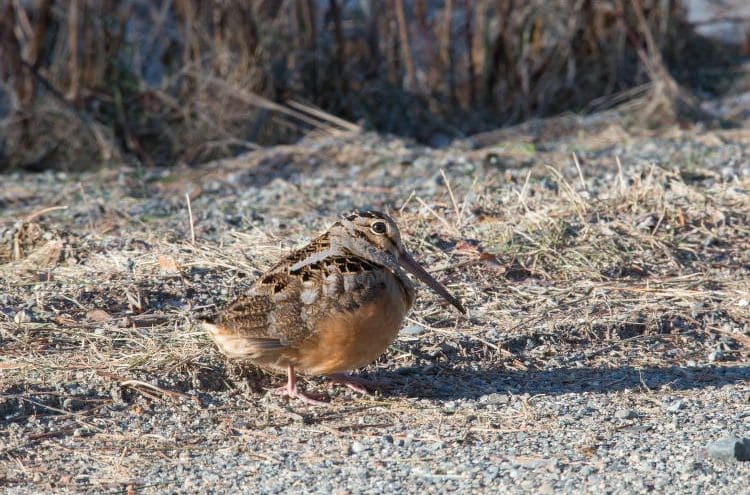
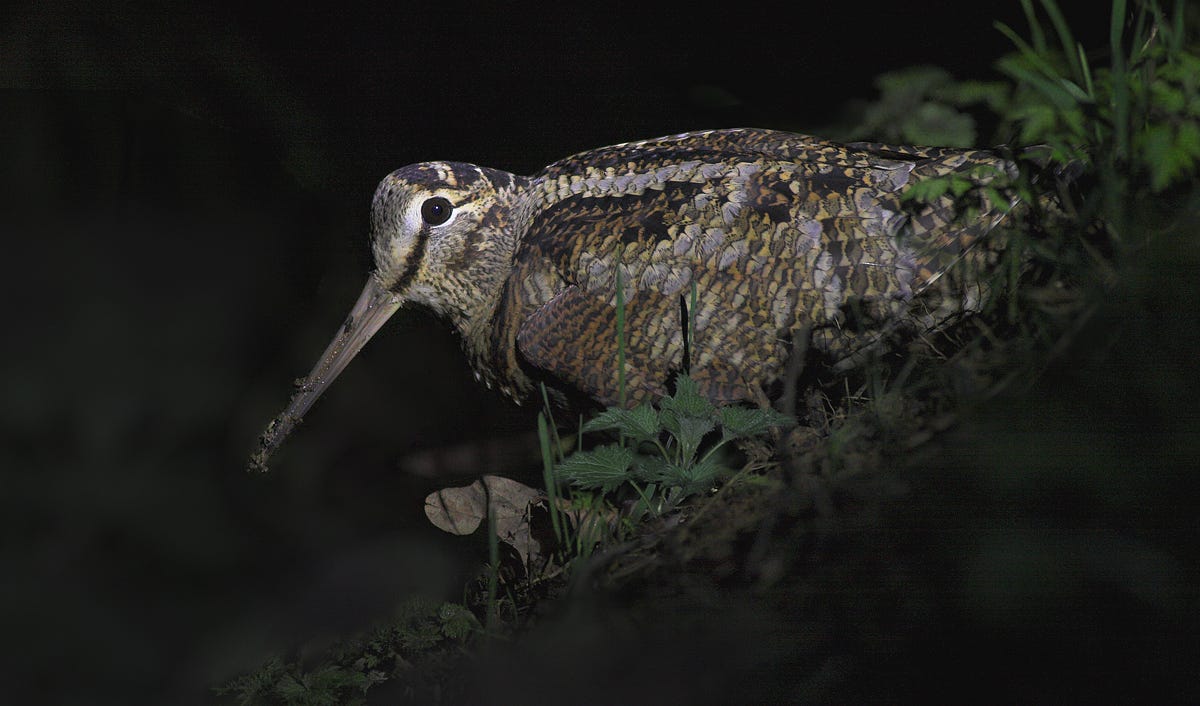
Woodcocks have long bills with tips that can open inside the soil. This helps them catch worms without seeing them.
Credit: anthonymcgeehan.medium.com
Environmental Factors Affecting Hearing
Birds use their hearing to find food like worms underground. The environment affects how well they hear these sounds. Different factors can make sounds louder or quieter.
Understanding these factors helps explain if a bird can hear a worm crawling underground.
Soil Composition And Sound Transmission
Soil type changes how sound travels underground. Hard, dry soil sends sound better than soft, wet soil. Rocks and roots can block sound waves.
Loose soil absorbs sound, making it harder for birds to hear worms moving below.
- Clay soil holds sound poorly
- Sandy soil allows moderate sound travel
- Rocky soil can reflect or block sounds
- Wet soil absorbs and dampens sound
Impact Of Weather Conditions
Weather changes how sound moves through the ground and air. Wind can carry sound away or bring it closer. Rain and moisture affect soil softness and sound absorption.
Cold temperatures make soil firmer, helping sound travel better. Hot weather can dry soil and reduce sound transmission.
- Wind can distort or carry sound
- Rain softens soil and lowers sound travel
- Cold soil transmits sound well
- Dry, hot soil reduces sound clarity
Myths Vs. Reality
Many people wonder if birds can hear worms moving underground. This question has led to many stories and ideas. Some say birds have super hearing to find worms under soil.
It is important to separate what people believe from what science tells us. This helps us understand bird hearing better.
Common Beliefs About Bird Hearing
Many think birds can hear tiny sounds like worms crawling underground. They believe birds listen closely to find food hidden in soil.
- Birds can hear worms moving beneath the ground.
- Birds use hearing more than sight to find worms.
- Birds have special ears that catch faint underground sounds.
- Birds rely on sound to dig up worms.
What Science Actually Shows
Studies show birds use more than hearing to find worms. They mainly watch for signs of worm movement on soil.
| Belief | Scientific Reality |
| Birds hear worms underground | Birds hear less well through soil; sound weakens |
| Birds rely on hearing to find worms | Birds use sight and touch more than hearing |
| Birds have special ears for faint sounds | Bird ears are good but not for underground sounds |
| Birds dig up worms by sound | Birds often see or feel worms before digging |
Credit: www.5ensesmag.com
Frequently Asked Questions
Can Birds Really Hear Worms Underground?
Yes, some birds can hear worms underground. Birds like robins have acute hearing capabilities. They can detect the faint sounds of worms moving beneath the soil. This auditory skill helps them locate food efficiently.
How Do Birds Detect Worms Under The Soil?
Birds use a combination of sound and vibration detection. They listen for subtle noises and feel vibrations in the ground. This allows them to pinpoint the location of worms with surprising accuracy.
Which Birds Are Known For Hearing Worms?
Robins and thrushes are among the birds known for this ability. Their keen sense of hearing aids them in foraging. These birds rely heavily on auditory cues to find their prey underground.
Why Is Hearing Important For Birds?
Hearing is crucial for birds to locate hidden prey and avoid predators. It enhances their survival by allowing them to detect potential food sources and threats. Good hearing helps them thrive in their natural habitats.
Conclusion
Birds have a special way to hear worms underground. They listen carefully for tiny sounds in the soil. This skill helps them find food easily. Nature gave birds sharp hearing and quick reactions. Watching birds hunt can be fascinating and fun.
Next time you see a bird pecking the ground, remember how it listens closely. This natural ability keeps birds alive and well. It also shows how smart animals can be. Understanding this helps us appreciate wildlife more. Birds and worms share a hidden connection beneath the earth.