
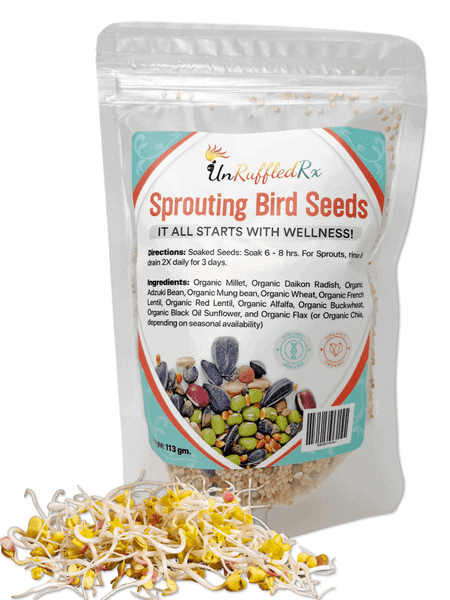
Have you ever wondered if the bird seeds you scatter in your backyard can actually grow into plants? It’s a question that might have crossed your mind while watching birds peck at their food.
Imagine turning those simple seeds into a small garden right at home. You’ll discover the truth about bird seeds and their ability to sprout. By the end, you’ll know exactly what to expect and how to make the most of those seeds.
Keep reading—you might be surprised by what you learn!
Bird Seeds And Germination
Bird seeds can sometimes sprout under the right conditions. Not all bird seeds grow into plants. Germination depends on the type of seed and the environment.
Understanding which bird seeds can sprout helps in gardening and feeding birds safely. This guide covers common seed types, sprouting needs, and seed differences.
Common Types Of Bird Seeds
Bird seeds come in many varieties. Some are more likely to sprout than others. Knowing these types helps you decide if they can grow plants.
- Sunflower seeds – often sprout easily and grow into sunflowers.
- Millet – small seeds that can sprout but need careful conditions.
- Safflower – less common for sprouting but still possible.
- Nyjer (thistle) – tiny seeds that rarely sprout indoors.
- Cracked corn – can sprout but usually used as bird feed only.
Conditions For Seed Sprouting
Seeds need water, warmth, and oxygen to sprout. Without these, they will not grow. Light may help or hurt, depending on the seed.
| Condition | Description |
| Water | Seeds must stay moist but not soaked. |
| Temperature | Warmth between 65°F and 75°F is ideal. |
| Oxygen | Good air flow supports growth. |
| Light | Some seeds need light, others need darkness. |
Differences Between Edible And Plantable Seeds
Not all bird seeds are made to grow plants. Some are treated to stop sprouting. Edible seeds for birds may lack the ability to germinate.
Here are key differences:
- Edible seedsare cleaned and sometimes heated to stop sprouting.
- Plantable seedsare raw and untreated, able to grow when planted.
- Edible seeds often have coatings or chemicals that prevent germination.
- Plantable seeds are chosen by gardeners for sprouting and planting.
Factors Affecting Sprouting
Bird seeds can sprout under the right conditions. Sprouting depends on many factors. Knowing these can help you understand if your bird seeds will grow.
Some factors affect sprouting more than others. These include seed quality, moisture, temperature, and any treatments applied to the seeds.
Seed Quality And Viability
Good seed quality is key for sprouting. Seeds must be alive and capable of growing. Old or damaged seeds may not sprout well.
- Check the seed’s age before planting.
- Look for any visible damage or mold.
- Store seeds in cool, dry places to keep them viable.
Moisture And Temperature Requirements
Seeds need moisture to start sprouting. Too much water can cause rot. Temperature also matters for good growth.
| Temperature Range | Effect on Sprouting |
| 50°F to 75°F | Optimal for most bird seeds |
| Below 40°F | Slows or stops sprouting |
| Above 85°F | May kill seeds or cause drying |
| Excess Water | Leads to seed rot |
Impact Of Seed Treatments And Coatings
Some seeds have coatings or treatments to protect them. These can affect how fast or well seeds sprout.
Seed treatments may include:
- Fungicides to prevent mold
- Inhibitors that delay sprouting
- Coatings that need to be removed before planting
Read seed labels to know if treatments affect sprouting.
Sprouting Potential Of Popular Bird Seeds
Bird seeds are not just food for birds. Some of these seeds can sprout and grow into plants. This sprouting can be interesting for bird lovers and gardeners.
Knowing which seeds sprout helps you decide if you want to grow your own bird food or enjoy green shoots at home. Let’s look at some popular bird seeds.
Sunflower Seeds
Sunflower seeds are popular with many birds. They have a good chance of sprouting if kept in the right conditions. Black oil sunflower seeds sprout better than striped ones.
Sunflower sprouts grow fast and can be a nice green addition. They need water, warmth, and light to start growing.
Millet And Sorghum
Millet and sorghum are small seeds often used in bird mixes. Millet can sprout easily, but sorghum usually does not sprout well because it is often processed.
Millet sprouts are tiny but can be grown indoors. Sorghum seeds are better for feeding birds than planting.
Nyjer And Thistle Seeds
Nyjer and thistle seeds are very small and oily. They do not sprout well because they are often heat-treated to stop germination.
If you want sprouts, these are not the best choices. They work best as food for finches and other small birds.

Credit: www.reddit.com
Common Misconceptions About Bird Seeds
Many people wonder if bird seeds can sprout like garden seeds. Some think bird seeds always grow into plants. Others believe all seeds sold for birds can be planted. These ideas are not always true.
Understanding why some seeds fail to sprout and how bird feed differs from garden seeds helps clear up confusion. This guide explains common facts about bird seeds and their uses.
Why Some Seeds Fail To Sprout
Not all bird seeds are meant to grow. Many fail because they are treated or old. Some are mixed with fillers or have hard shells. These factors stop sprouting.
- Seeds may be heat-treated to stop germination.
- Bird seeds can be old or stored poorly.
- Some seeds have coatings that block water.
- Fillers in bird feed are not real seeds.
- Improper planting depth or soil can affect growth.
Difference Between Bird Feed And Garden Seeds
| Feature | Bird Feed Seeds | Garden Seeds |
| Purpose | Food for birds | Grow into plants |
| Treatment | Often heat-treated or coated | Usually untreated or treated to encourage growth |
| Seed Quality | May contain fillers or old seeds | High-quality and fresh seeds |
| Germination Rate | Low or none | High |
| Packaging | Labeled for bird feed | Labeled for planting |
How To Encourage Bird Seeds To Sprout
Bird seeds can sprout if you give them the right care. Sprouted seeds can grow into healthy plants.
Knowing how to plant and care for these seeds helps them grow faster and stronger.
Proper Planting Techniques
Start by soaking bird seeds in water for 12 to 24 hours. This softens the seed coat and starts the sprouting process.
Plant seeds about half an inch deep in the soil. Avoid planting too deep to help sprouts reach the surface easily.
- Soak seeds before planting
- Plant seeds shallowly, about 0.5 inch deep
- Space seeds to avoid overcrowding
Best Growing Mediums
Use loose, well-draining soil to help seeds sprout well. Avoid heavy soil that holds too much water.
Mix soil with sand or perlite to improve drainage. You can also use seed-starting mixes made for sprouting.
- Light, loose soil works best
- Add sand or perlite for drainage
- Seed-starting mix is a good choice
Watering And Light Tips
Keep the soil moist but not soaked. Water gently to avoid washing away seeds or damaging sprouts.
Place seeds in a bright spot with indirect sunlight. Too much direct sun can dry the soil and harm sprouts.
- Water soil evenly and lightly
- Keep soil moist, not soggy
- Use indirect sunlight for best growth

Credit: www.reddit.com
Practical Uses For Sprouted Bird Seeds
Bird seeds can sprout if given the right conditions. This sprouting opens new ways to use them beyond feeding birds.
Sprouted bird seeds have benefits for gardening, feeding birds, and creative projects. Let’s explore these practical uses.
Gardening And Landscaping Ideas
Sprouted bird seeds grow into plants that can add beauty and function to your garden or yard. They help create green spaces and attract wildlife.
- Plant sprouted seeds in pots or garden beds for quick green growth.
- Use sprouted seeds to grow ground cover or flowers for landscaping.
- Sprouted seeds can improve soil health by adding organic matter.
- Place sprouted plants near your home to attract pollinators like bees.
Feeding Birds Vs. Growing Plants
Feeding birds with dry seeds is common, but sprouted seeds offer more nutrition. You can choose to feed birds or grow plants from the same seeds.
| Aspect | Feeding Birds | Growing Plants |
| Seed Type | Dry or sprouted | Sprouted |
| Nutrition | Basic | Higher in sprouts |
| Purpose | Feed wildlife | Grow new plants |
| Time | Immediate | Days to weeks |
| Benefits | Supports birds | Enhances garden |
Diy Projects With Sprouted Seeds
Sprouted bird seeds can be used in simple DIY projects. These projects add fun and nature to your home or school activities.
- Create small plant terrariums using sprouted seeds and jars.
- Make seed paper by mixing sprouted seeds with recycled paper pulp.
- Build bird-friendly planters that hold sprouted seeds for birds to eat and plants to grow.
- Use sprouted seeds in craft projects like natural decorations or gifts.

Credit: www.amazon.com
Frequently Asked Questions
Can Bird Seeds Sprout If Planted In Soil?
Yes, many bird seeds can sprout when planted in soil. Seeds like sunflower, millet, and flax often germinate and grow into plants under proper conditions.
How Long Does It Take For Bird Seeds To Sprout?
Bird seeds typically sprout within 7 to 14 days. Factors like moisture, temperature, and seed type affect germination speed.
Are All Bird Seeds Suitable For Sprouting?
Not all bird seeds sprout well. Some processed or treated seeds may not germinate. Choose raw, untreated seeds for best results.
Can Sprouted Bird Seeds Be Eaten Safely?
Sprouted bird seeds can be safe if clean and fresh. However, ensure they are free from mold or pesticides before consumption.
Conclusion
Bird seeds can sprout under the right conditions. Moisture and warmth are key. Sprouting may depend on the seed type. Some seeds sprout easily, others don’t. This natural process can surprise many. Birds often enjoy sprouted seeds more. They offer extra nutrition.
Gardeners might find unexpected plants from bird feeders. It’s a fun experiment to try. Watch your bird feeders closely. You might witness tiny green shoots. Sprouting bird seeds can bring joy to both birds and humans. Consider it nature’s little surprise!



