Have you ever wondered if the nuts in your pantry are safe for birds to eat? If you enjoy feeding birds or want to attract more feathered friends to your garden, knowing which foods are good for them is important.
Nuts are a popular snack for many people, but can they be a healthy treat for birds too? You’ll discover the truth about feeding nuts to birds, which types are best, and how to offer them safely. Keep reading to make sure your bird visitors get the best care and nutrition possible.

Credit: www.birdwatchingdaily.com
Nutritional Value Of Nuts For Birds
Nuts are a popular snack for many birds. They offer a mix of nutrients that help birds stay healthy and active.
Understanding what nuts provide can help you choose the best options for feeding your feathered friends.
Key Nutrients In Common Nuts
Common nuts like almonds, walnuts, and peanuts contain important nutrients for birds. They are rich in healthy fats, proteins, and fiber.
- Proteins help build strong muscles and feathers.
- Fats provide energy and support brain health.
- Fiber aids digestion and gut health.
- Antioxidants protect cells from damage.
Energy Boost From Nuts
Nuts are high in calories, which gives birds a quick energy boost. This is important during cold weather or migration times.
| Nut Type | Calories per 100g | Main Energy Source |
| Almonds | 575 | Healthy fats and protein |
| Walnuts | 654 | Omega-3 fats |
| Peanuts | 567 | Protein and fats |
Vitamins And Minerals
Nuts contain several vitamins and minerals that support bird health. These include vitamin E, magnesium, and zinc.
- Vitamin E helps protect cells and supports the immune system.
- Magnesium is important for nerve and muscle function.
- Zinc aids in growth and feather development.
- Calcium strengthens bones and beaks.
Credit: freerangeparrots.org
Types Of Nuts Safe For Birds
Nuts can be a healthy treat for many birds. They provide good fats and proteins birds need.
Not all nuts are safe though. Some nuts can harm birds. It is important to know which nuts are safe.
Popular Bird-friendly Nuts
Many birds enjoy nuts like almonds and walnuts. These nuts offer good nutrition and energy.
- Almonds: Safe if unsalted and unflavored
- Walnuts: Provide healthy fats and protein
- Pecans: Good for larger bird species
- Hazelnuts: Loved by many wild birds
- Peanuts: Safe only if unsalted and shelled
Avoiding Toxic Nuts
Some nuts contain toxins that can hurt birds. Avoid these nuts to keep birds safe.
- Macadamia nuts: Toxic to birds
- Black walnuts: Can cause digestive upset
- Salted or flavored nuts: Harmful due to additives
- Nut shells: Can be sharp and hard to digest
Raw Vs Roasted Nuts
Raw nuts are better for birds than roasted ones. Roasting can remove some nutrients.
Roasted nuts often have salt or oil added. These ingredients can be harmful to birds.
- Raw nuts: Best choice, natural and healthy
- Roasted nuts: Avoid if salted or flavored
- Unsalted roasted nuts: Safer but less nutritious
- Always remove shells before feeding
Health Benefits Of Nuts For Birds
Nuts are a good source of nutrition for many bird species. They offer essential vitamins and minerals.
Birds can gain many health benefits from eating nuts in their diet. These benefits help their growth and survival.
Improved Feather Quality
Nuts contain healthy fats that help birds grow strong and shiny feathers. Good feathers protect birds from weather and predators.
- Omega-3 and Omega-6 fatty acids keep feathers flexible
- Vitamin E in nuts helps repair damaged feathers
- Protein supports feather growth and strength
Enhanced Brain Function
Nuts provide important nutrients that boost bird brain health. This helps birds learn and remember better.
| Nutrient | Brain Benefit |
| Vitamin B6 | Supports nerve function |
| Magnesium | Improves memory and focus |
| Healthy fats | Protect brain cells |
Stronger Immune System
Nuts help birds build a strong immune system. This protects them from illnesses and infections.
- Antioxidants in nuts fight harmful free radicals
- Zinc helps repair tissue and fight bacteria
- Vitamin C boosts white blood cell activity
Potential Risks Of Feeding Nuts
Nuts can be tasty treats for birds. But feeding them nuts has risks. Birds may face problems if given nuts carelessly.
Understanding these risks helps keep birds safe and healthy. Let’s look at some dangers of feeding nuts to birds.
Choking Hazards
Nuts are often hard and large. Birds may choke if they try to swallow whole nuts. Small birds especially have trouble chewing nuts properly.
- Hard shells can block airways
- Large nut pieces can get stuck in the throat
- Birds may panic and injure themselves while choking
- Always break nuts into small, manageable pieces
Allergic Reactions
Some birds may be allergic to certain nuts. Allergic reactions can cause swelling, breathing trouble, or skin problems. Watch birds closely after feeding nuts the first time.
| Nut Type | Common Reaction | Severity |
|---|---|---|
| Peanuts | Swelling, itching | Moderate |
| Almonds | Breathing issues | Severe |
| Walnuts | Skin rash | Mild |
| Cashews | Gastrointestinal upset | Moderate |
Obesity And Overfeeding
Nuts have high fat and calorie content. Feeding too many nuts can cause weight gain. Overweight birds may get sick or have shorter lifespans.
- Limit nut treats to small amounts
- Balance nuts with fresh fruits and vegetables
- Monitor bird’s weight regularly
- Consult a vet for a healthy diet plan
Safe Feeding Practices
Feeding nuts to birds can be a healthy treat if done carefully. It is important to follow safe feeding practices to keep birds safe and healthy.
Understanding portion size, preparation methods, and feeding frequency helps provide the best care for wild and pet birds.
Portion Control
Giving too many nuts can cause health problems for birds. Nuts are high in fat and calories.
- Offer small amounts at a time
- Limit nuts to 5-10% of the bird’s daily diet
- Watch for signs of overeating or obesity
- Adjust portion size based on bird species and size
Preparing Nuts For Birds
Proper preparation keeps nuts safe and easy to eat. Raw, unsalted nuts are best.
| Preparation Method | Reason |
| Remove shells | Prevent choking hazards |
| Use raw nuts | Avoid harmful salts and oils |
| Chop large nuts | Make smaller pieces for easy eating |
| Soak nuts (optional) | Improve digestibility |
Frequency Of Offering Nuts
Feed nuts only occasionally. They should be a treat, not a main food source.
- Offer nuts 1-2 times per week
- Observe bird reactions and health
- Stop feeding nuts if birds show signs of illness
Nuts In Wild Bird Diets
Nuts are an important food source for many wild birds. They provide energy and nutrients that birds need to survive.
Birds eat different kinds of nuts depending on the area and season. Nuts help birds stay strong, especially in cold weather.
How Wild Birds Consume Nuts
Wild birds use their beaks to crack open hard nut shells. Some birds have strong beaks made for breaking nuts.
Birds may eat nuts whole or break them into smaller pieces. They often hide nuts to eat later.
- Woodpeckers use tree bark to open nuts
- Jays carry nuts to safe spots to eat
- Some birds store nuts for winter food
Seasonal Availability
Nuts are more available in the fall when many trees drop their seeds. This is a key time for birds to gather food.
In winter, nuts become a valuable food source. Birds rely on stored nuts when other foods are scarce.
- Fall: nuts are fresh and easy to find
- Winter: birds eat stored nuts for energy
- Spring and summer: nuts are less common in diets
Impact On Bird Behavior
Eating nuts affects how birds behave. They spend time finding, cracking, and storing nuts for later.
Birds may compete for nut-rich areas. This can cause them to be more active and alert.
- Storing nuts helps birds survive tough seasons
- Competition for nuts can lead to social interactions
- Nut-eating can influence bird migration and movement
Alternatives To Nuts For Bird Treats
Birds enjoy a variety of foods beyond nuts. Offering different treats helps keep their diet balanced. Many safe and tasty options exist.
Choosing the right alternatives supports birds’ health and happiness. Here are some good options to try.
Seeds And Fruits
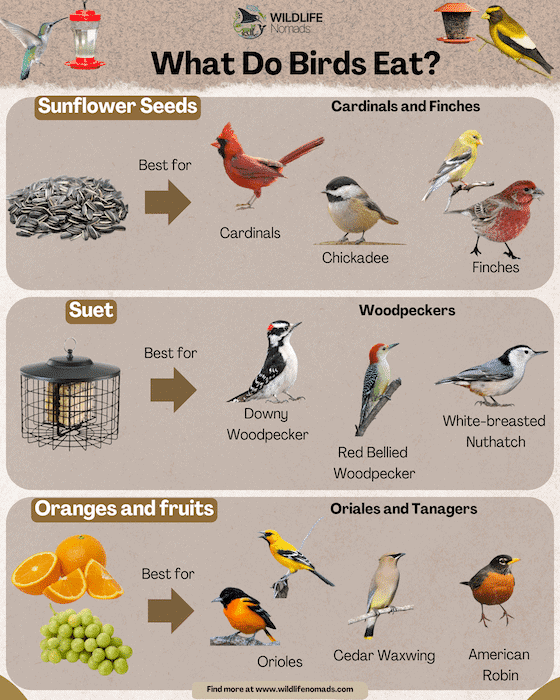
Seeds and fruits provide energy and nutrients. Birds like sunflower seeds, millet, and pumpkin seeds. Fresh fruits such as apples, berries, and grapes are also popular.
- Sunflower seeds
- Millet
- Pumpkin seeds
- Apple slices (without seeds)
- Blueberries
- Grapes
Vegetables And Grains
Vegetables and grains add vitamins and fiber. Many birds enjoy carrots, peas, and corn. Cooked rice and oats are easy to digest.
| Vegetable/Grain | Benefits |
| Carrots | High in vitamin A |
| Peas | Good protein source |
| Corn | Rich in carbohydrates |
| Cooked Rice | Easy to digest |
| Oats | Contains fiber |
Commercial Bird Treats
Many stores sell safe bird treats. These often have balanced nutrients. Look for treats made with natural ingredients.
Popular commercial treats include:
- Seed sticks
- Fruit and nut mixes (nut-free versions available)
- Pellet blends

Credit: www.reddit.com
Frequently Asked Questions
Can Birds Safely Eat Nuts?
Yes, many birds can safely eat nuts like almonds, walnuts, and peanuts. Nuts provide essential fats and proteins. Always offer unsalted and unseasoned nuts to avoid harming birds.
Which Nuts Are Best For Wild Birds?
Shelled peanuts, walnuts, and almonds are best for wild birds. These nuts offer high energy and nutrients. Avoid salted or flavored nuts to keep birds healthy.
How Should Nuts Be Prepared For Birds?
Offer nuts unshelled or crushed into small pieces for easy eating. Avoid salted, roasted, or flavored nuts. Fresh and clean nuts are safest for bird consumption.
Can All Bird Species Eat Nuts?
Not all birds eat nuts; some species prefer seeds or insects. Parrots, woodpeckers, and jays commonly enjoy nuts. Always research specific bird diets before feeding nuts.
Conclusion
Birds can safely enjoy many types of nuts. Always ensure they are unsalted and fresh. Some birds love almonds, walnuts, and peanuts. These nuts provide energy and vital nutrients. Remember, variety in a bird’s diet is key. Offer nuts in moderation to prevent weight gain.
Keep an eye on allergies or reactions. Each bird species has its own dietary needs. Consult a vet for specific advice. A balanced diet keeps birds healthy and happy. Enjoy watching them thrive with the right nutrition.