Have you ever wondered if your compost pile could do more than just recycle kitchen scraps? What if it could also bring a lively flock of birds right to your backyard?
Birds are not only beautiful to watch but also help keep your garden healthy. You’ll discover how compost might be a secret magnet for birds and how you can make your compost area inviting for them. Keep reading, because the answer might surprise you—and it could change the way you care for your garden forever.
How Compost Creates A Bird-friendly Habitat
Compost helps make a safe place for birds. It changes the soil and plants around it. This makes the area better for birds to live and find food.
By adding compost, you can attract many kinds of birds. They come because the environment meets their needs for food and shelter.
Nutrient-rich Soil Attracting Insects
Compost adds nutrients to the soil. This helps plants grow strong and healthy. Healthy plants attract insects that birds like to eat.
Insects such as beetles, worms, and caterpillars live in rich soil. Birds find these insects easily near compost piles or beds.
- Compost improves soil moisture
- Rich soil supports more insect life
- Insects provide natural bird food
Food Sources For Birds
Compost helps plants produce berries, seeds, and fruits. These are important food sources for many birds. Birds visit to eat and stay healthy.
Some birds also eat small insects and larvae found in compost. This makes compost areas a good spot for birds to find fresh food.
- Berries and seeds grow better with compost
- Fruits attract fruit-eating birds
- Insects provide protein-rich food
Shelter And Nesting Opportunities
Compost piles create warm and moist places. Birds use these areas for shelter and nesting. The dense plants near compost also help protect nests.
Birds can hide from predators and bad weather near compost. This safe environment helps them raise their young successfully.
- Compost warms soil for early nesting
- Thick plants offer cover and safety
- Birds find good spots to build nests

Credit: thegreedyvegan.com
Bird Species Drawn To Compost Areas
Compost piles attract many bird species because they offer food and shelter. Birds find insects, seeds, and scraps in compost. These areas become natural feeding spots.
Different birds visit compost piles depending on the environment and season. Watching these visitors can be fun and educational.
Common Visitors In Backyard Compost
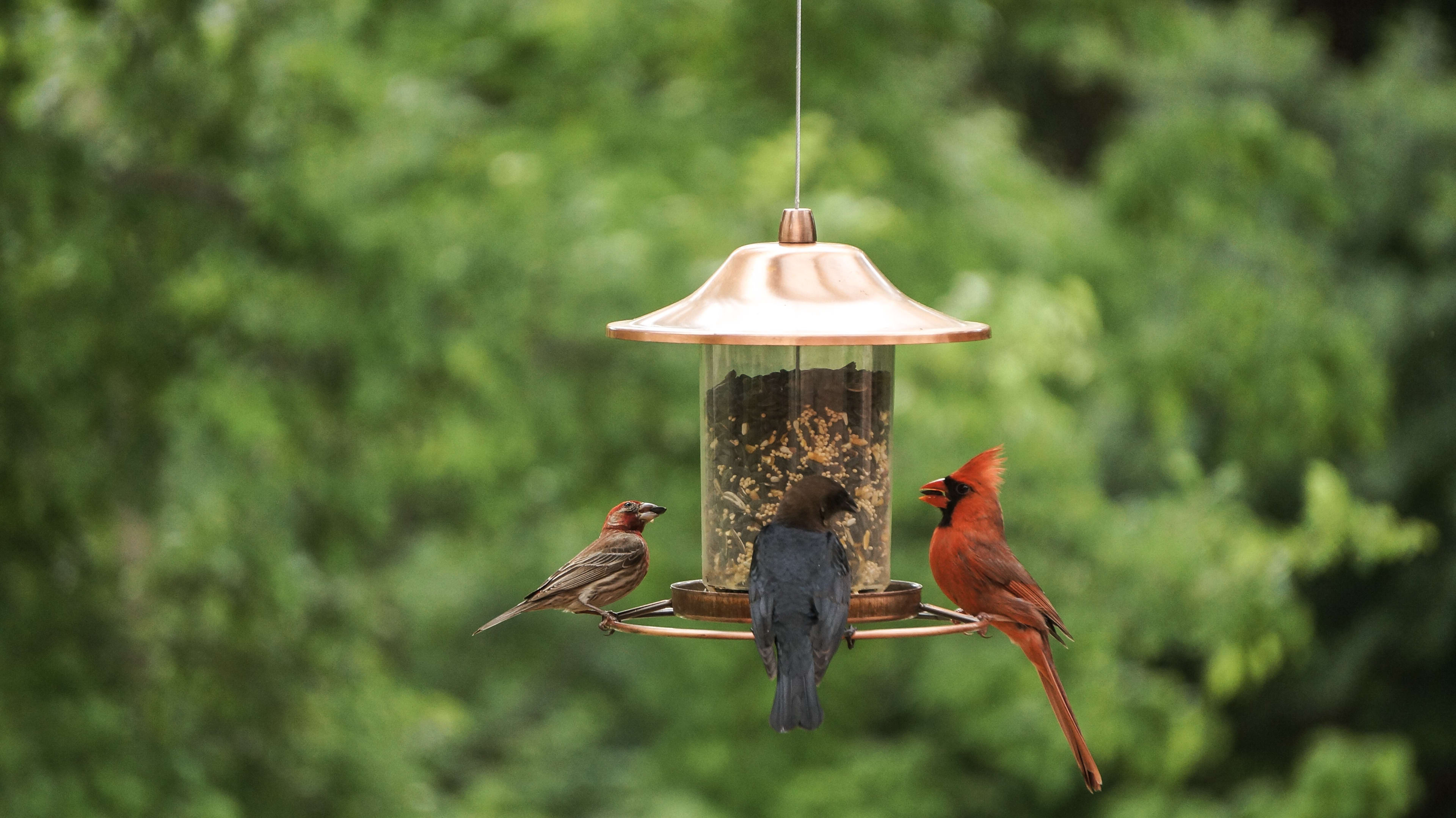
Many birds come to backyard composts to find food and nesting materials. These species are often seen:
- Robins
- Wrens
- Starlings
- Blue Jays
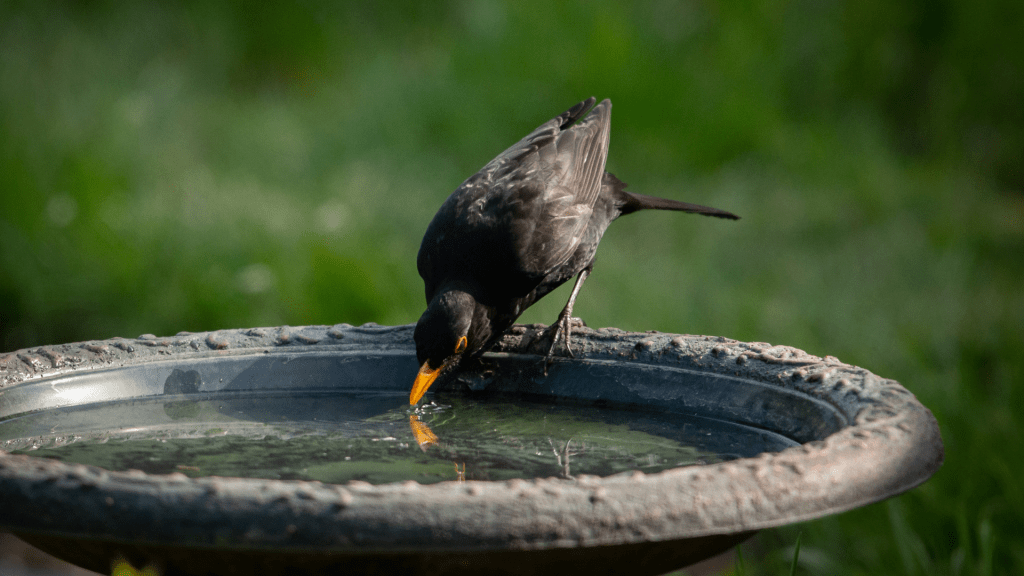
- Blackbirds
- House Sparrows
- Woodpeckers
Seasonal Bird Activity Around Compost
Bird activity near compost changes with the seasons. Some birds visit in spring for nesting. Others come in fall to find extra food.
| Season | Bird Activity |
| Spring | Birds collect nesting materials and insects |
| Summer | Young birds learn to find food around compost |
| Fall | Birds eat seeds and leftover scraps |
| Winter | Few birds visit, but some search for food remains |
Bird Behavior Near Compost Piles
Birds act differently around compost piles. Many scratch the soil to find insects. Some use compost materials for nests. Others stay alert for predators.
Here is how birds behave near compost:
- Robins dig in compost for worms.
- Wrens use soft leaves for nest building.
- Blue Jays watch closely for danger.
- Blackbirds feed on leftover fruits and seeds.
Benefits Of Birds In Your Compost
Birds visiting your compost can bring many benefits. They help keep the compost healthy and balanced.
Attracting birds to your compost can improve the process and make your garden stronger.
Natural Pest Control
Birds eat insects and pests that can harm your compost. They reduce the number of bugs without chemicals.
This helps protect your compost from pests that slow down the breakdown of materials.
- Birds eat harmful insects
- Reduce pest damage naturally
- Keep compost healthy and clean
Improved Soil Aeration
Birds scratch and peck in the compost pile. This action helps move the compost and lets air in.
Good air flow is important for the tiny bugs that break down the compost materials.
- Birds mix compost materials
- Increase oxygen inside the pile
- Help microbes work better
Enhanced Decomposition Process
Birds speed up composting by breaking down larger pieces. Their activity helps materials decompose faster.
Faster decomposition means you get rich, healthy soil sooner for your plants.
- Birds break down compost items
- Help speed up decay
- Produce nutrient-rich soil quicker
Tips To Make Compost More Bird-friendly
Compost can attract birds if you create the right conditions. Birds look for food, water, and safe spots in your compost area.
Here are simple ways to make your compost inviting and safe for birds.
Choosing The Right Compost Materials
Select compost materials that attract insects and worms. These small creatures are food for many birds.
- Include fruit and vegetable scraps to attract insects
- Avoid adding meat or dairy to prevent pests
- Add dry leaves and straw for nesting material
- Mix in coffee grounds to attract earthworms
Maintaining Moisture And Temperature
Keep your compost moist but not soggy. Birds enjoy moist soil where insects thrive.
| Moisture Level | Effect on Birds |
| Too Dry | Fewer insects, less food |
| Ideal Moisture | More insects, better bird attraction |
| Too Wet | May cause bad smell and fewer birds |
Creating Safe Access Points
Make it easy and safe for birds to visit your compost pile. Provide spots where they can land and find food without danger.
- Keep compost piles away from predators like cats
- Place flat stones or wood near compost for perching
- Leave some open areas for birds to land and forage
- Provide fresh water nearby to encourage visits
Potential Risks And How To Manage Them
Compost can attract birds, which may bring some risks to your garden and compost pile. Understanding these risks helps keep both birds and your compost safe. This guide covers how to manage common problems linked to birds around compost.
Proper care and simple steps can reduce harm and create a balanced environment for composting and wildlife.
Avoiding Harmful Attractants
Some compost materials attract birds that may carry diseases or damage plants. Avoiding these materials helps protect your garden and local wildlife.
- Do not add meat, dairy, or oily foods to compost.
- Avoid sweet or fermented fruit scraps that attract large flocks.
- Cover food scraps with dry leaves or soil to reduce smell.
- Keep compost turned regularly to speed decomposition.
Preventing Bird Predation
Birds attracted to compost may also attract predators like cats or hawks. Protecting birds and your compost area is important for safety.
| Risk | Management |
| Predator visits | Install mesh or fencing around compost |
| Bird eggs or nests disturbed | Check compost carefully before turning |
| Excessive bird numbers | Use bird deterrents like reflective tape |
| Predator hiding spots | Clear tall grass near compost |
Keeping Compost Healthy And Balanced
Healthy compost reduces bad smells and pests, which lowers bird problems. Balance is key for a good compost pile.
- Mix green (nitrogen) and brown (carbon) materials well.
- Keep compost moist but not wet.
- Turn compost weekly to add oxygen.
- Avoid letting compost pile get too big or small.
Credit: dengarden.com
Credit: help.gardeningexpress.co.uk
Frequently Asked Questions
Can Compost Attract Birds To My Garden?
Yes, compost attracts birds by providing food like insects and seeds. It creates a natural habitat that supports bird activity and helps maintain garden biodiversity.
What Types Of Birds Are Drawn To Compost Piles?
Birds such as robins, sparrows, and wrens are commonly attracted. They feed on insects, worms, and seeds found in compost piles, making it a valuable food source.
How Does Compost Benefit Birds In Winter?
Compost generates heat, offering warmth and shelter for birds in cold months. It also supplies food when natural sources are scarce, supporting bird survival in winter.
Can Compost Attract Harmful Pests Along With Birds?
While compost can attract pests like rodents, proper management limits this risk. Regular turning and covering the pile reduce unwanted pests and keep the area bird-friendly.
Conclusion
Composting can attract birds to your garden. They find food scraps appealing. Birds also enjoy the insects living in compost. It helps create a lively ecosystem. Your garden becomes a natural haven. Birds contribute by controlling pests naturally. They enrich your garden’s soil.
Composting benefits both birds and plants. Embrace composting for a vibrant garden. Watch for feathered visitors. Enjoy the balance of nature at work. Listen to their songs and chirps. It makes gardening rewarding and peaceful. Consider composting as a simple, eco-friendly choice.
Your garden will thank you with beauty and life.