Can Dogs Eat Bird Seed 2026 Guide Safety & Risks Explained
Have you ever caught your dog sniffing around your bird feeder or even munching on some bird seed? It’s natural to wonder if this harmless-looking snack is actually safe for your furry friend.
You want to protect your dog and keep them healthy, but you also don’t want to worry every time they get curious about what’s in your garden. You’ll discover the truth about whether dogs can eat bird seed, the risks involved, and what you should do if your dog does get into it.
Keep reading to make sure your pet stays safe and happy!
Credit: freerangeparrots.org
Bird Seed Ingredients
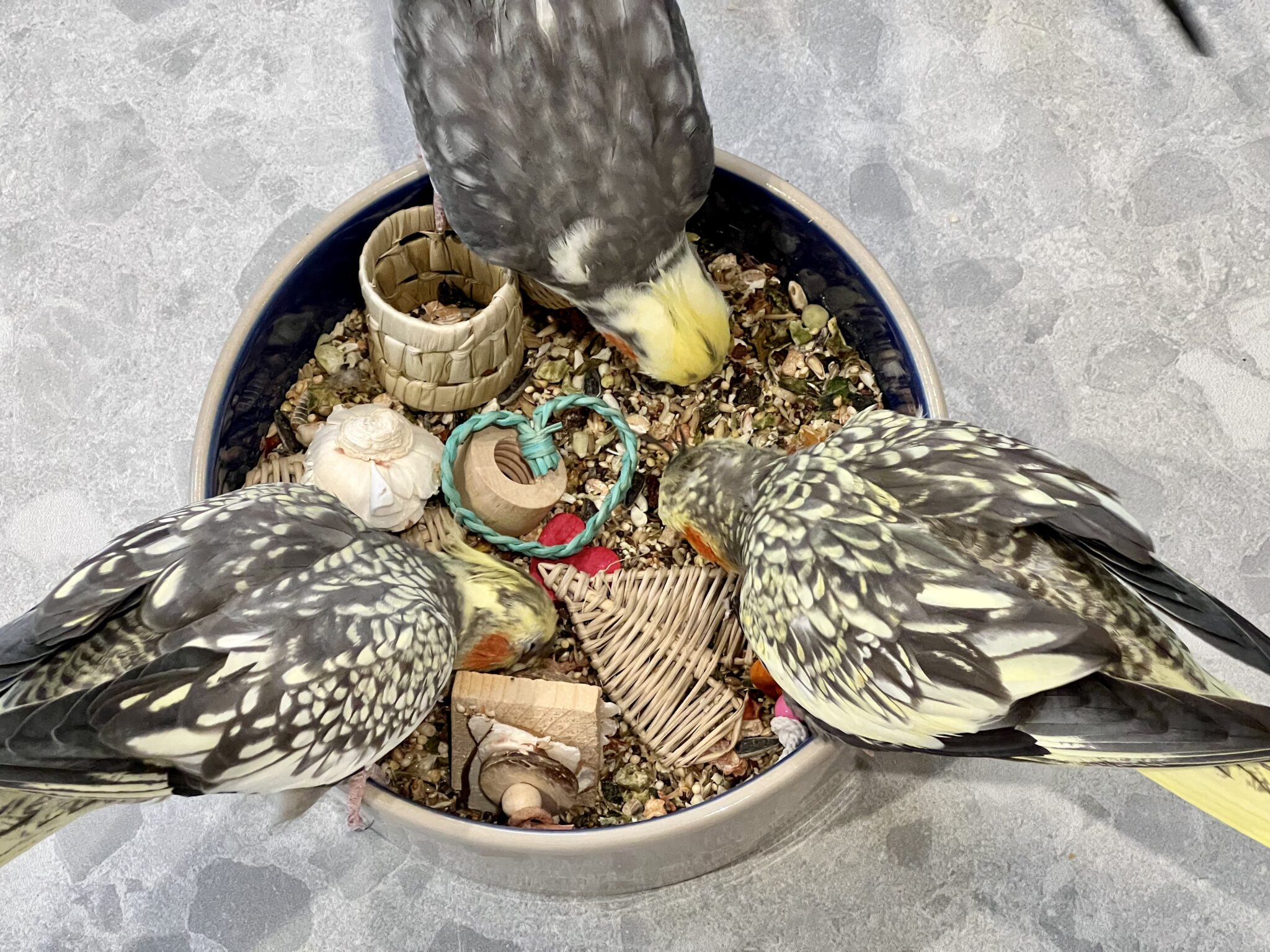
Bird seed mixes contain many types of seeds. Each seed has different nutrients and effects.
Understanding what is inside bird seed can help you decide if it is safe for dogs.
Common Seeds In Bird Mixes
Bird seed mixes usually have several kinds of seeds. Some are safe, others can cause problems for dogs.
- Millet: Small, round, and easy to digest. Safe but not very nutritious for dogs.
- Sunflower seeds: High in fat and can upset a dog’s stomach if eaten in large amounts.
- Safflower seeds: Bitter taste and low risk but not harmful in small amounts.
- Canary grass seed: Common in mixes and generally safe but low in nutrients.
- Nyjer seed: Tiny and oily, can cause mild stomach upset in dogs.
Additives And Coatings
Many bird seed mixes have added ingredients to keep seeds fresh or attract birds. Some can be harmful to dogs.
| Additive | Purpose | Risk for Dogs |
| Salt | Preserves freshness | Can cause salt poisoning if eaten in large amounts |
| Sugar | Attracts birds | May upset digestion and cause weight gain |
| Fungicides | Prevents mold | Toxic if ingested |
| Artificial colors | Improves appearance | May cause allergies or stomach upset |
| Oil coatings | Keeps seeds fresh | Can cause diarrhea or vomiting |
Potential Health Risks For Dogs
Bird seed may seem harmless, but it can pose health risks to dogs. Dogs often eat things they find on the ground, including bird seed. It is important to know the dangers before letting your dog near it.
Some seeds and plants in bird seed mixes can be toxic. Other risks include choking, digestive problems, and allergic reactions. Knowing these risks helps you keep your dog safe.
Toxic Seeds And Plants
Many bird seed blends contain seeds or plants that are harmful to dogs. Some common toxic seeds include apple seeds, cherry pits, and avocado seeds. These can cause stomach upset, breathing problems, or worse.
- Apple seeds contain cyanide, which is poisonous.
- Cherry pits can block the digestive tract.
- Avocado seeds have toxins that affect the heart.
- Some wild plants mixed with bird seed may also be toxic.
Choking And Digestive Issues
Bird seeds can be hard and small, which makes them a choking hazard. Dogs that swallow seeds whole risk blockages in their intestines. Seeds can also irritate the stomach and cause vomiting or diarrhea.
| Risk | Effect |
| Choking | Difficulty breathing or swallowing |
| Intestinal blockage | Severe pain and vomiting |
| Stomach upset | Diarrhea and nausea |
Allergic Reactions
Some dogs may be allergic to certain seeds or plants in bird seed mixes. Allergic reactions can cause itching, swelling, or breathing problems. Watch your dog closely if they eat bird seed.
- Red, itchy skin
- Swelling of face or paws
- Excessive scratching
- Difficulty breathing
Nutritional Impact On Dogs
Bird seed is a mix of different seeds meant for wild birds. People often wonder if dogs can eat bird seed safely. It is important to understand how bird seed affects a dog’s nutrition and health.
Bird seed is not made for dogs, but some seeds may be safe in small amounts. Knowing the nutritional impact helps dog owners make good choices.
Caloric Content
Bird seed contains fats, carbohydrates, and proteins, which add calories. These calories can increase a dog’s daily intake quickly. Feeding too much bird seed may cause weight gain.
Different seeds have different calorie levels. For example, sunflower seeds have more calories than millet. Dog owners should watch how much bird seed their dog eats.
- Sunflower seeds: high in calories and fat
- Millet: lower in calories and mostly carbohydrates
- Mixed seeds: vary in calorie content
Benefits
Some seeds in bird seed offer nutrients that dogs can use. For example, sunflower seeds provide healthy fats and vitamin E. Small amounts can add variety to a dog’s diet.
Bird seed may contain fiber, which helps digestion. The protein content in seeds can also support muscle health. These nutrients help keep dogs healthy.
- Healthy fats like omega-6
- Vitamin E for skin and coat health
- Fiber for better digestion
- Plant protein for muscle support
Drawbacks
Bird seed can have risks for dogs. Some seeds are hard to digest and may cause stomach upset. Also, bird seed mixes may contain added salt or chemicals harmful to dogs.
Bird seed can cause choking or blockages if dogs eat too much. Some seeds are toxic, like avocado seeds if mixed in. Always avoid feeding unknown seeds to dogs.
- Possible stomach upset or diarrhea
- Added salt or chemicals can be harmful
- Choking hazard from large seeds
- Potential toxic seeds in some mixes
Credit: www.coles.com.au
Signs Of Bird Seed Poisoning
Bird seed can contain ingredients that are harmful to dogs. If a dog eats bird seed, it may show signs of poisoning. Early detection helps keep your dog safe.
Knowing the signs of bird seed poisoning can help you act quickly. Watch your dog closely after they have eaten bird seed.
Symptoms To Watch For
Bird seed poisoning can cause many symptoms in dogs. These may appear within hours or days after eating the seed.
- Vomiting or nausea
- Diarrhea or stomach pain
- Excessive drooling
- Lethargy or weakness
- Loss of appetite
- Tremors or shaking
- Difficulty breathing
- Seizures in severe cases
Some seeds may contain toxins or mold that cause these symptoms. Keep an eye on your dog’s behavior and health.
When To See A Vet
Contact a vet right away if your dog shows signs of poisoning. Quick treatment improves their chances of recovery.
Seek immediate help if your dog has any of these signs:
- Repeated vomiting or diarrhea
- Severe weakness or collapse
- Seizures or muscle tremors
- Difficulty breathing or choking
- Unresponsive or very lethargic behavior
Do not wait for symptoms to get worse. A vet can provide medicine and care to help your dog.
Safe Alternatives For Dogs
Many dog owners wonder if bird seed is safe for their pets. Most bird seeds contain ingredients that can upset a dog’s stomach or cause harm. Choosing safe treats is important to keep your dog healthy and happy.
This guide shares safe alternatives that dogs can enjoy without risk. These treats provide good nutrition and are easy to find.
Dog-friendly Treats
There are many treats dogs love that do not include bird seed. These treats offer good flavors and nutrients. You can find many options at pet stores or prepare some at home.
- Carrot sticks – crunchy and low in calories
- Apple slices – remove seeds before feeding
- Blueberries – full of antioxidants
- Plain cooked chicken – high in protein
- Peanut butter – make sure it has no xylitol
Safe Seeds And Nuts
Some seeds and nuts are safe for dogs in small amounts. These can be healthy snacks but should be given with care. Avoid salted or flavored varieties.
| Safe Seed or Nut | Benefits | Notes |
| Sunflower seeds | Good source of vitamin E | Unsalted and shelled only |
| Pumpkin seeds | Supports digestion | Best roasted without salt |
| Cashews | Contain healthy fats | Plain and in moderation |
| Peanuts | Protein-rich | Unsalted and no shells |
Preventing Accidental Consumption
Bird seed can look like a tasty treat to dogs. Eating bird seed by accident can cause stomach upset or worse. It is important to keep bird seed away from your dog. You can take simple steps to stop your dog from eating bird seed.
Understanding how to prevent your dog from reaching bird seed helps keep them safe. Training and proper storage are key parts of this effort.
Storage Tips
Keep bird seed in a sealed container. Use a container that your dog cannot open. Store the container in a place your dog cannot reach.
- Use strong plastic or metal containers
- Store containers in high cabinets or locked rooms
- Clean up spilled bird seed quickly
- Check that lids are tightly closed after use
Keeping bird seed out of reach reduces the chance your dog will eat it by accident.
Training Your Dog
Teach your dog to leave bird seed alone. Use simple commands like “leave it” or “no.” Reward your dog when they obey. This helps your dog learn what is off-limits.
- Practice commands in a quiet place
- Gradually add distractions like bird seed on the floor
- Give treats or praise when your dog listens
- Be patient and consistent with training
Training your dog helps prevent them from eating things they should not, including bird seed.
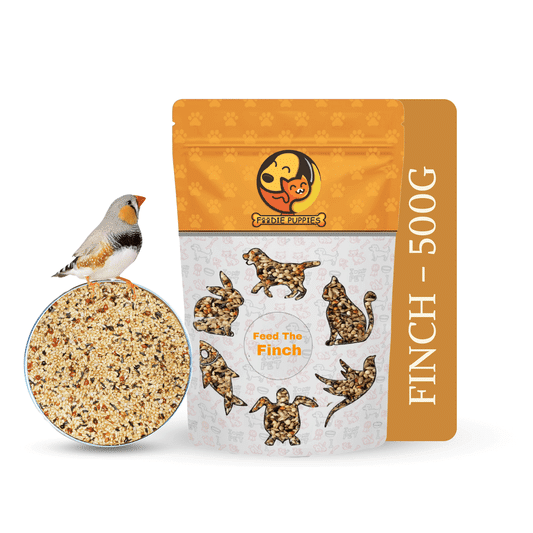
Credit: www.foodiepuppies.com
Frequently Asked Questions
Can Dogs Safely Eat Bird Seed?
Bird seed is not toxic but often contains ingredients harmful to dogs. It can cause digestive upset or choking. Avoid feeding bird seed to dogs and provide dog-specific treats instead for their safety and health.
What Happens If My Dog Eats Bird Seed?
If a dog eats bird seed, it may cause stomach upset or blockages. Some seeds have harmful additives. Monitor your dog for vomiting, diarrhea, or discomfort and contact a vet if symptoms appear.
Are Any Bird Seed Ingredients Harmful To Dogs?
Yes, some bird seeds contain salt, preservatives, or mold that are toxic to dogs. These can cause poisoning or digestive issues. It’s best to keep bird seed out of your dog’s reach.
How To Prevent Dogs From Eating Bird Seed?
Store bird seed in sealed containers and place feeders where dogs can’t access them. Training your dog to avoid the feeders also helps prevent accidental ingestion.
Conclusion
Dogs and bird seed don’t mix well. Small seeds can cause choking. Digestive issues may arise from ingestion. Some seeds even contain harmful ingredients. Always monitor your dog’s diet closely. Consult a vet if unsure about safe foods. Keep bird seed out of reach.
Opt for dog friendly snacks instead. A balanced diet ensures your dog’s health. Remember, prevention is better than cure. Your dog’s safety should always come first. Make informed choices to keep them healthy. Stay mindful and protect your furry friend.