Have you ever noticed your dog sniffing or even eating bird poop during a walk? It might seem harmless, but could this behavior put your furry friend at risk?
You’re probably wondering if your dog can get worms from bird poop and what that means for their health. Understanding this hidden danger is crucial to keeping your dog safe and happy. Keep reading to discover the truth about bird droppings, the risks involved, and how you can protect your best friend from unwanted parasites.
Worms In Bird Poop
Bird poop can sometimes carry worms that might affect dogs. These worms come from parasites living inside birds. When birds shed waste, the parasites leave their eggs or larvae in the poop.
Dogs may sniff, lick, or eat bird droppings. This behavior can expose them to harmful parasites. Understanding which parasites live in bird poop is important for dog owners.
Common Parasites Found
Several parasites can be found in bird droppings. Some of these can infect dogs and cause health issues. The most common worms include roundworms and tapeworms.
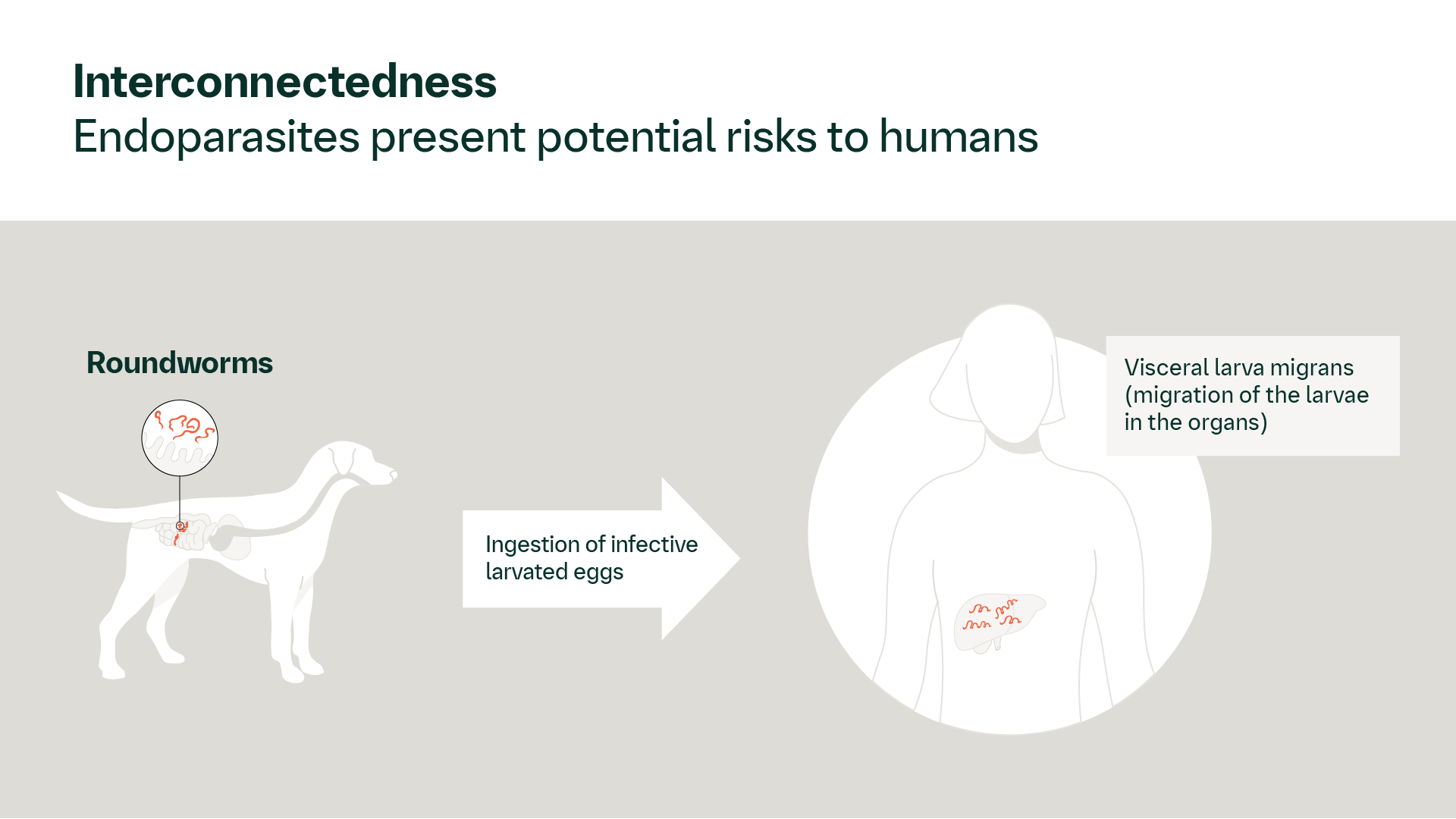
- Roundworms:These parasites produce eggs in bird droppings that can infect dogs if ingested.
- Tape Worms:Birds can carry tapeworm larvae that may survive in their poop.
- Capillaria:These are small worms that sometimes appear in bird waste and can affect pets.
- Other Parasites:Some protozoa and flukes may also be present but are less common.
How Worms Survive Outside Hosts
Parasites need certain conditions to live outside a host. Bird poop can protect them while they wait to infect another animal. Moist, warm areas help worm eggs survive longer.
| Condition | Effect on Worm Survival |
| Moisture | Keeps eggs and larvae alive |
| Temperature | Warmth speeds development; cold slows it |
| Sunlight | Harms eggs, reduces survival time |
| Time | Longer exposure reduces infectivity |
Transmission To Dogs
Bird poop can carry parasites that cause worms in dogs. Dogs may get infected after contact with bird droppings.
Understanding how worms spread helps keep dogs safe. This includes direct contact and swallowing infected matter.
Direct Contact Risks
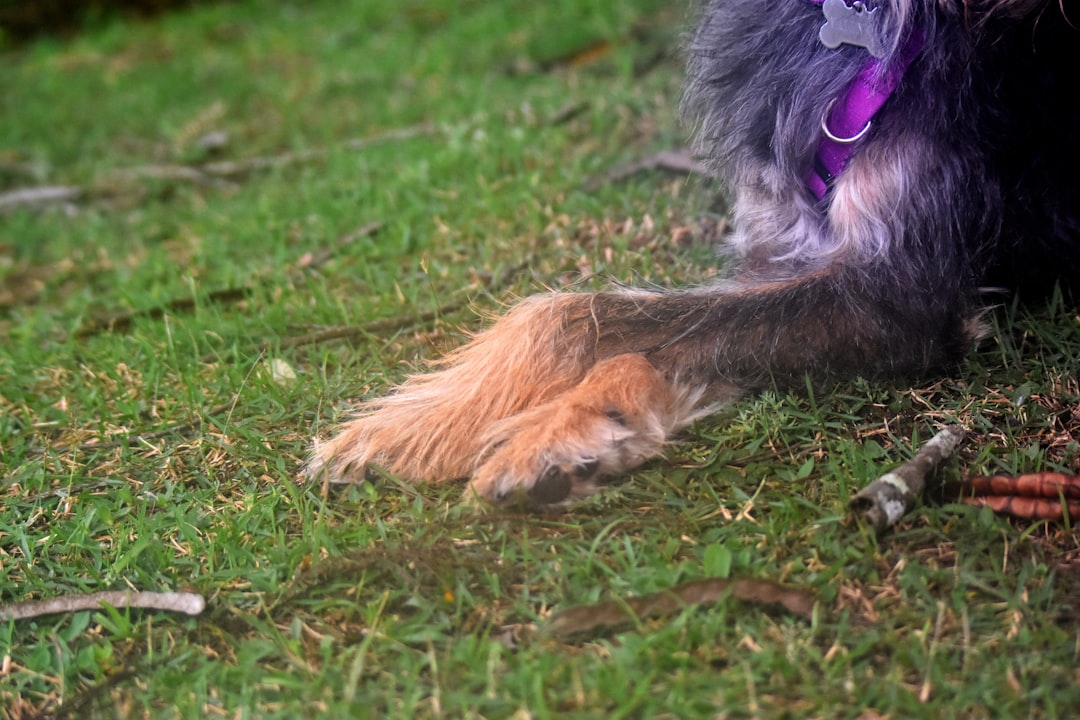
Dogs can catch worms by touching bird poop with their paws or noses. Parasite eggs or larvae can stick to their fur.
When dogs lick their fur or paws, they may swallow parasite eggs. This leads to infection and worm growth inside the dog.
- Walking on areas with bird droppings
- Sniffing or licking poop-covered surfaces
- Grooming paws or fur after contact
Ingestion And Exposure
Dogs may eat bird poop directly or lick surfaces with droppings. This allows worm eggs or larvae to enter their stomach.
Contaminated water or soil can also contain parasite eggs. Dogs digging or drinking from these places risk infection.
- Eating bird droppings from the ground
- Licking soil or grass with parasite eggs
- Drinking water contaminated with bird poop
Symptoms In Dogs
Dogs can get worms from bird poop. These worms cause different health problems. It is important to know the signs.
Symptoms help you find out if your dog is sick. Watch your dog closely for any changes.
Digestive Issues
Worms from bird poop often cause stomach problems in dogs. These problems can make your dog feel uncomfortable.
Common digestive symptoms include vomiting and diarrhea. Your dog may also have a swollen belly or lose weight.
- Vomiting
- Diarrhea
- Swollen or bloated belly
- Loss of appetite
- Weight loss
Behavioral Changes
Worm infections can make dogs feel tired and weak. This often changes their normal behavior.
You may notice your dog is less active or seems restless. Some dogs show signs of irritability or discomfort.
- Lethargy or tiredness
- Restlessness
- Irritability
- Less interest in play or walks
- Excessive scratching or biting
Credit: www.boehringer-ingelheim.com
Diagnosing Worm Infections
Worm infections in dogs can come from many sources, including bird poop. Finding out if a dog has worms is important to keep them healthy. Diagnosis helps the vet decide the best treatment.
Signs of worms can be unclear or like other illnesses. Testing by a vet is needed to confirm the infection.
Veterinary Tests
Vets use different tests to find worm infections in dogs. These tests check for worm eggs or larvae in the dog’s body. Common tests include stool exams and blood tests.
- Fecal flotation to find worm eggs in stool samples
- Direct smear to look at stool under a microscope
- Blood tests to detect certain types of worms
- X-rays or ultrasound if worms block organs
Common Misdiagnoses
Some illnesses look like worm infections but are not. Misdiagnosing delays treatment and can harm the dog.
| Condition | Similar Symptoms | How to Differentiate |
| Food allergies | Itching and digestive upset | Allergy tests and diet trials |
| Intestinal parasites other than worms | Diarrhea and weight loss | Specific parasite tests |
| Bacterial infections | Vomiting and fever | Blood work and cultures |
| Pancreatitis | Abdominal pain and vomiting | Blood tests and imaging |
Treatment Options
Dogs can get worms from bird poop, so treating them is important. Treatment helps remove worms and keeps dogs healthy.
There are different ways to treat worms in dogs. These include medications and home care tips to prevent re-infection.
Medications For Worms
Veterinarians give special medicines to kill worms in dogs. These medicines come in pills, liquids, or injections.
- Common medicines include praziquantel, fenbendazole, and pyrantel pamoate.
- Dosage depends on the dog’s weight and type of worm.
- Some medicines work quickly, others need a few doses.
- Always follow the vet’s instructions carefully.
Home Care Tips
Good home care helps keep worms away and supports medicine work. Clean areas where your dog plays and rests.
| Care Tip | Why It Helps |
| Pick up dog poop daily | Stops worms spreading |
| Keep bird poop away from dog areas | Reduces worm risk |
| Wash your dog’s bedding weekly | Removes worm eggs |
| Give fresh water and food | Supports dog's health |
:strip_icc()/spruce-pets-are-worms-in-dogs-contagious-b42a3e8c09154f7d9ca879a07ce24ae0.png)
Credit: www.thesprucepets.com
Preventing Worm Infections
Dogs can get worms from many sources, including bird poop. Bird droppings can carry parasite eggs that infect dogs. Preventing worm infections is important to keep your dog healthy.
By taking simple steps, you can lower the risk of your dog getting worms. This guide covers key ways to protect your dog from infections.
Avoiding Bird Poop Areas
Bird poop often contains parasite eggs that cause worm infections in dogs. Avoid places where birds gather and leave droppings. These areas can include parks, playgrounds, and places under trees.
Keep your dog away from bird droppings during walks or playtime. Clean your yard regularly to remove any bird poop. This reduces the chance your dog will eat or sniff harmful droppings.
- Watch for bird droppings in your yard and public areas
- Train your dog not to eat or sniff bird poop
- Use a leash in areas with many birds
- Clean outdoor spaces often to remove droppings
Regular Deworming Schedule
Regular deworming helps protect your dog from worms even if they contact bird poop. Deworming kills worms inside your dog before they cause health problems. Follow a consistent schedule recommended by your vet.
Keep track of deworming dates and use the correct medicine. Puppies and adult dogs need different treatments. Regular vet visits help adjust the schedule as needed.
- Talk to your vet about the best deworming medicine
- Start deworming puppies early and follow vet advice
- Deworm adult dogs every 3 to 6 months
- Keep records of all treatments and vet visits
Risks Beyond Worms
Bird droppings can cause health problems for dogs beyond just worms. These droppings carry many germs and parasites. Dogs that sniff or eat bird poop risk catching other diseases.
It is important to know about these risks. Protect your dog by keeping them away from areas with bird droppings.
Other Diseases From Bird Droppings
Bird droppings may contain harmful bacteria and fungi. Dogs can get sick if they touch or eat the poop. Some diseases can cause lung problems and infections.
- Salmonella: Causes diarrhea and stomach pain in dogs
- Histoplasmosis: A fungal infection affecting the lungs
- Cryptococcosis: Fungal infection leading to breathing issues
- Psittacosis: Bacterial infection that can cause fever and cough
These diseases can be serious and need vet care. Watch your dog for signs like coughing or diarrhea after contact with bird droppings.
Environmental Hazards
Bird droppings also harm the environment. They can damage plants and soil quality. Large amounts of droppings can pollute water sources.
Bird poop contains high levels of nitrogen and acids. This can kill grass and other plants where dogs like to play. It also creates slippery surfaces that can cause falls.
- Soil contamination affecting plant growth
- Water pollution harming fish and wildlife
- Slippery surfaces increasing injury risk
Credit: www.northroadvet.com.au
Frequently Asked Questions
Can Dogs Get Worms From Bird Poop?
Yes, dogs can get certain worms from bird poop. Bird droppings may contain parasite eggs that infect dogs if ingested.
What Types Of Worms Come From Bird Droppings?
Common worms from bird poop include roundworms and tapeworms. These parasites can harm dogs' digestive systems if contracted.
How Can Dogs Catch Worms From Bird Feces?
Dogs catch worms by sniffing or eating contaminated bird droppings. Parasite eggs then enter their digestive tract and develop.
Are Worms From Bird Poop Harmful To Dogs?
Yes, these worms can cause digestive issues, weight loss, and discomfort. Prompt veterinary treatment is necessary to ensure dog health.
Conclusion
Dog owners should stay alert to worm risks from bird droppings. Regular vet check-ups help ensure your dog's health. Clean your yard to limit bird poop exposure. Use preventive treatments as recommended by your vet. Watch for signs of worms like weight loss or a dull coat.
Quick action keeps your dog safe and healthy. Remember, a little caution goes a long way in pet care. Understanding these risks helps you protect your furry friend. Stay informed and proactive to maintain your dog's well-being. Love and care keep tails wagging.