Are you curious if geese can eat bird seed safely? If you’ve ever spotted these graceful birds near your garden or pond, you might wonder what treats you can offer them without causing harm.
Feeding geese the right food is important for their health and your peace of mind. Keep reading to discover the truth about bird seed and geese—what’s safe, what’s not, and how you can enjoy watching these beautiful creatures thrive. Your next visit from geese could be even more rewarding with the right knowledge!
Geese Diet Basics
Geese have simple diet needs that help keep them healthy. Their diet mainly includes plants and grains. Understanding what geese like to eat helps you take care of them properly.
Feeding geese the right food supports their growth and energy. It also keeps their feathers strong and their bodies fit for daily activities.
Natural Food Preferences
Wild geese eat mostly grass, leaves, and seeds. They graze on fields and wetlands. Water plants are also part of their meals. This natural diet is low in fat and high in fiber.
- Grass blades and stems
- Leaves from bushes and trees
- Water plants like algae
- Seeds found in wild plants
- Occasional insects and small aquatic animals
Common Foods For Domesticated Geese
Domesticated geese eat a mix of grains and vegetables. Bird seed can be part of their diet if it is safe and free from harmful additives. Feeding geese a balanced diet is important for their health.
| Food Type | Examples | Benefits |
|---|---|---|
| Grains | Wheat, corn, oats | Good energy source |
| Vegetables | Lettuce, spinach, peas | Rich in vitamins and fiber |
| Bird Seed | Mixed seeds without salt or shells | Provides variety and nutrients |
| Water Plants | Duckweed, pondweed | Natural source of minerals |

Credit: www.tyrantfarms.com
Bird Seed Components
Bird seed contains many ingredients that feed different birds. Each seed type gives birds energy and nutrients. Understanding these components helps you know what geese can eat safely.
Not all bird seeds suit every bird species. Some seeds are better for small birds, while others may be good for larger birds like geese.
Typical Ingredients In Bird Seed
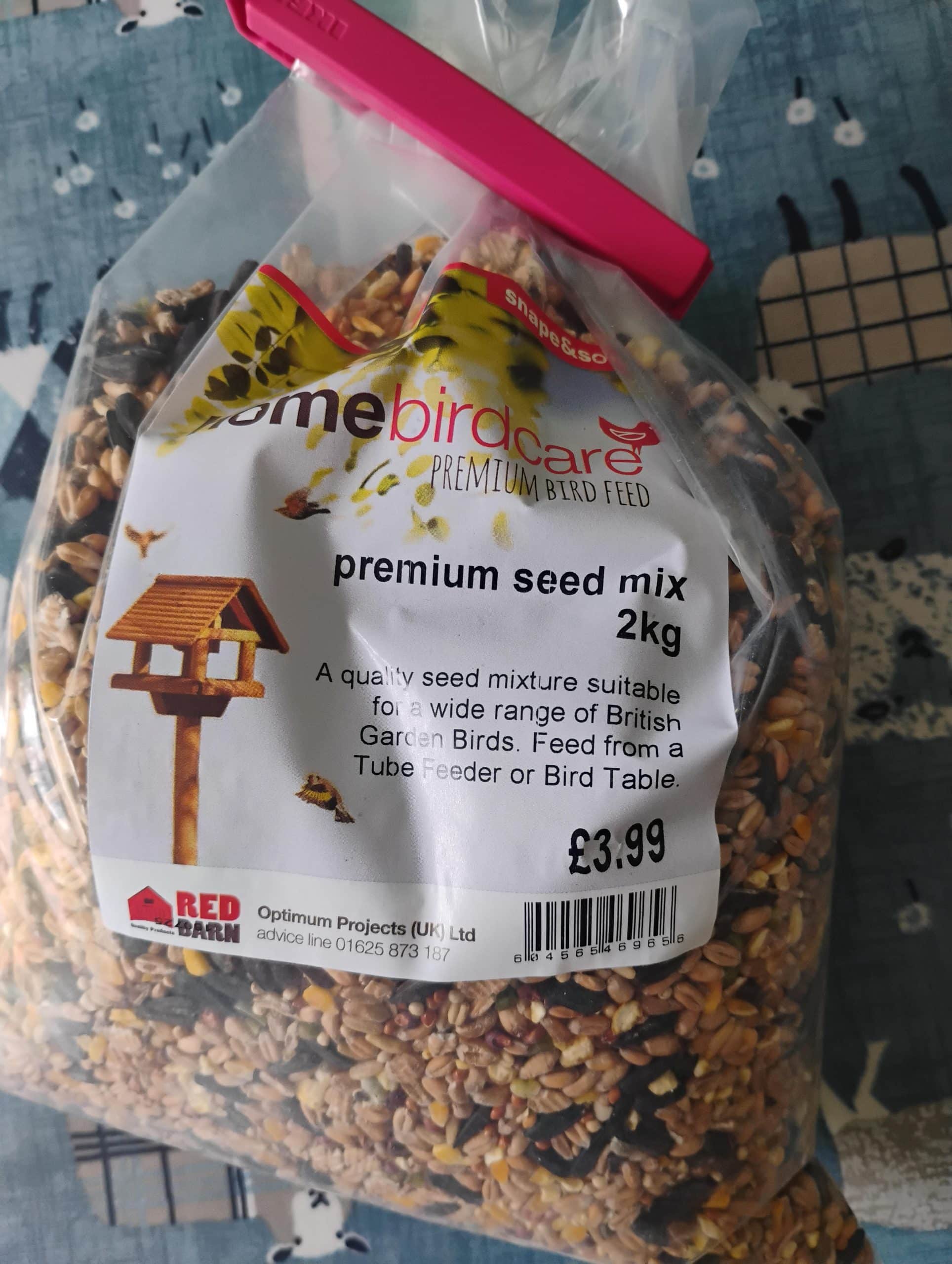
Bird seed mixes have many common ingredients. Each type supports bird health in different ways. Here are typical seeds found in bird seed blends:
- Millet – small round seeds that many birds enjoy
- Sunflower seeds – high in fat and energy
- Safflower seeds – favored by some birds and less by squirrels
- Cracked corn – a good source of carbohydrates
- Canary seed – often in mixes for small birds
- Nyjer seed – tiny seeds rich in oils
Nutritional Value For Birds
Bird seeds provide important nutrients like fats, proteins, and carbohydrates. These nutrients help birds stay active and healthy. The table below shows common nutrients in bird seeds and their benefits.
| Component | Benefit to Birds | Common Seeds Containing It |
| Fat | Energy for flight and warmth | Sunflower, Nyjer |
| Protein | Muscle and feather growth | Millet, Canary seed |
| Carbohydrates | Quick energy | Cracked corn, Millet |
| Fiber | Aids digestion | Safflower, Millet |
| Vitamins | Supports immune system | All mixed seeds |
Feeding Geese Bird Seed
Many people wonder if geese can eat bird seed. Bird seed is easy to find and often used for feeding wild birds.
This article looks at how suitable bird seed is for geese and what risks it might have.
Suitability Of Bird Seed For Geese
Geese can eat some types of bird seed safely. Seeds like cracked corn and millet are good options. These seeds provide energy and some nutrients.
- Cracked corn is easy for geese to digest.
- Millet seeds are small and safe for geese.
- Sunflower seeds offer healthy fats but should be given in moderation.
- Avoid seeds with shells that are hard to digest.
Potential Risks And Concerns
Feeding geese bird seed has some risks. Too much seed can cause health problems. Seeds high in fat can lead to obesity in geese.
| Risk | Description |
| Overfeeding | Geese may stop eating natural foods and rely on seeds. |
| Digestive Issues | Hard seeds or shells may cause stomach problems. |
| Imbalanced Diet | Bird seed lacks some nutrients geese need daily. |
| Pollution | Leftover seeds can pollute water and attract pests. |
Health Effects On Geese
Feeding bird seed to geese can affect their health in many ways. It is important to know the possible reactions.
This guide explains the short-term and long-term health effects of bird seed on geese.
Short-term Reactions
Geese may show immediate responses after eating bird seed. Some reactions may be mild, while others can cause discomfort.
- Digestive upset such as diarrhea or vomiting
- Increased thirst or dehydration
- Fatigue or lethargy
- Temporary loss of appetite
Long-term Health Implications
Eating bird seed often can lead to serious health problems for geese over time.
| Health Issue | Cause | Effect on Geese |
|---|---|---|
| Malnutrition | Imbalanced diet from bird seed | Weakness and poor feather quality |
| Obesity | High calorie intake | Reduced mobility and heart strain |
| Digestive problems | Lack of natural grasses and plants | Chronic stomach pain and blockages |
| Weakened immune system | Poor nutrition | Higher risk of disease |
Safe Feeding Tips
Feeding geese can be a fun way to connect with nature. It is important to feed them foods that are safe and healthy.
Bird seed is popular for many birds, but not all seeds are good for geese. Knowing what to give them helps keep geese healthy.
Best Practices For Feeding Geese
Always offer fresh, natural foods to geese. Avoid processed or salty foods. Feed small amounts to prevent overeating.
Feed geese in open areas to reduce crowding and stress. Use food that is easy for them to digest. Avoid bread and junk food.
- Provide fresh water nearby
- Do not feed bread or crackers
- Use natural grains or greens
- Feed in moderation to avoid health problems
- Observe geese to check for any signs of illness
Alternatives To Bird Seed
Geese need a balanced diet with greens and grains. Bird seed alone may lack nutrients they need.
Offer these healthy options instead of bird seed to support their health and natural diet.
- Chopped lettuce or kale
- Oats and cracked corn
- Fresh grass clippings
- Peas and corn kernels
- Barley and wheat grains
Credit: www.audubon.org
Signs Of Dietary Issues
Feeding geese bird seed can sometimes cause health problems. It is important to know the signs of dietary issues.
Noticing symptoms early helps keep geese healthy. Watch their behavior and appearance closely.
Symptoms To Watch For
Geese with dietary problems may show different symptoms. Some are easy to spot, while others need closer attention.
- Loss of appetite or refusal to eat
- Swelling around the eyes or neck
- Unusual lethargy or weakness
- Changes in droppings, such as diarrhea
- Weight loss or poor feather condition
- Difficulty walking or standing
When To Consult A Veterinarian
If you see any of these symptoms, it is best to get help. A veterinarian can diagnose and treat dietary problems.
| Symptom | Action |
| Severe lethargy | See a vet immediately |
| Continuous diarrhea | Seek veterinary advice |
| Swelling or injury signs | Consult a vet quickly |
| Loss of appetite for days | Have a vet check the goose |
| Weight loss or poor feathers | Schedule a vet visit |

Credit: grubblyfarms.com
Frequently Asked Questions
Can Geese Safely Eat Bird Seed?
Yes, geese can eat bird seed safely in moderation. Seeds provide some nutrients but should not replace their natural diet.
What Types Of Bird Seed Do Geese Prefer?
Geese prefer seeds like millet and cracked corn. Avoid seeds with additives or salt that can harm geese.
Is Feeding Bird Seed To Geese Healthy?
Feeding bird seed occasionally is fine, but it lacks essential nutrients. A balanced diet with grasses and aquatic plants is better.
Can Feeding Bird Seed Harm Geese?
Overfeeding bird seed can cause digestive problems and obesity in geese. Always feed them natural foods for optimal health.
Conclusion
Geese can safely eat bird seed in moderation. It provides them vital nutrients. Always choose seeds without harmful additives. Avoid spicy or salty varieties. Check for freshness to prevent mold. Offer seeds as part of a balanced diet. Fresh greens and grains are essential too.
Watch their health and adjust feed if needed. Geese thrive on diverse, natural foods. Understanding their needs keeps them healthy and happy. Feeding them right ensures a thriving flock. Keep learning about their diet for best results. Happy feeding!