Have you ever wondered if the bird seed in your backyard feeder could be a snack for you too? It’s a curious thought—after all, those tiny seeds look harmless and even healthy.
But before you reach out and try a handful, it’s important to know what’s really inside that mix and how it might affect your body. You’ll discover the surprising truth about whether humans can eat bird seed safely, what risks to watch out for, and what alternatives might satisfy your craving.
Keep reading—your health and curiosity deserve clear answers.
Bird Seed Ingredients
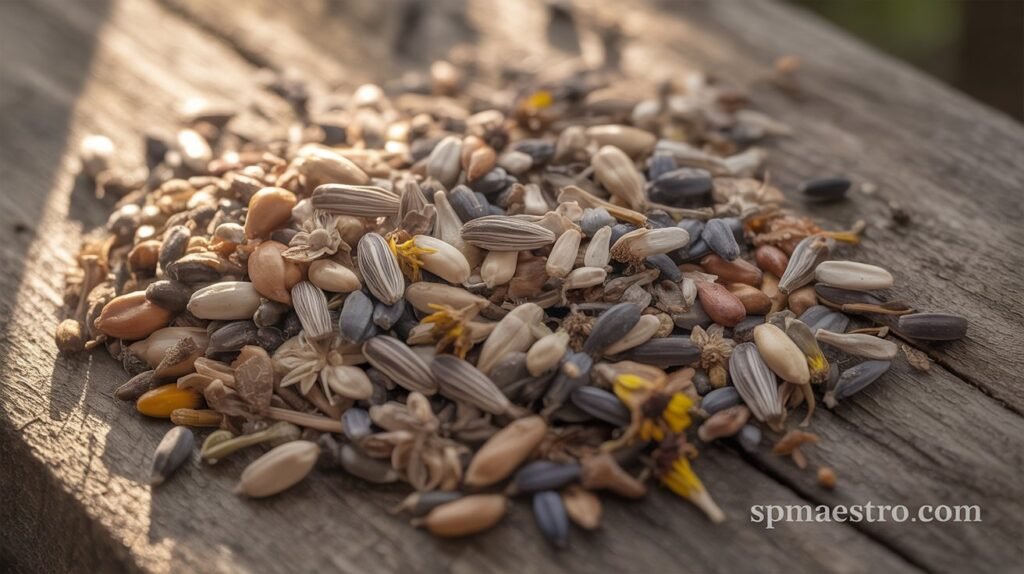
Bird seed is a mix of different seeds meant to feed wild or pet birds. It is not made for humans. Knowing what is inside helps us understand if people can eat it.
This article looks at common seeds in mixes, their nutrition, and any additives or preservatives used.
Common Seeds In Mixes
Bird seed mixes often contain many types of seeds. Each type serves a different bird species and offers different nutrients.
- Sunflower seeds
- Milo (sorghum)
- Millet
- Cracked corn
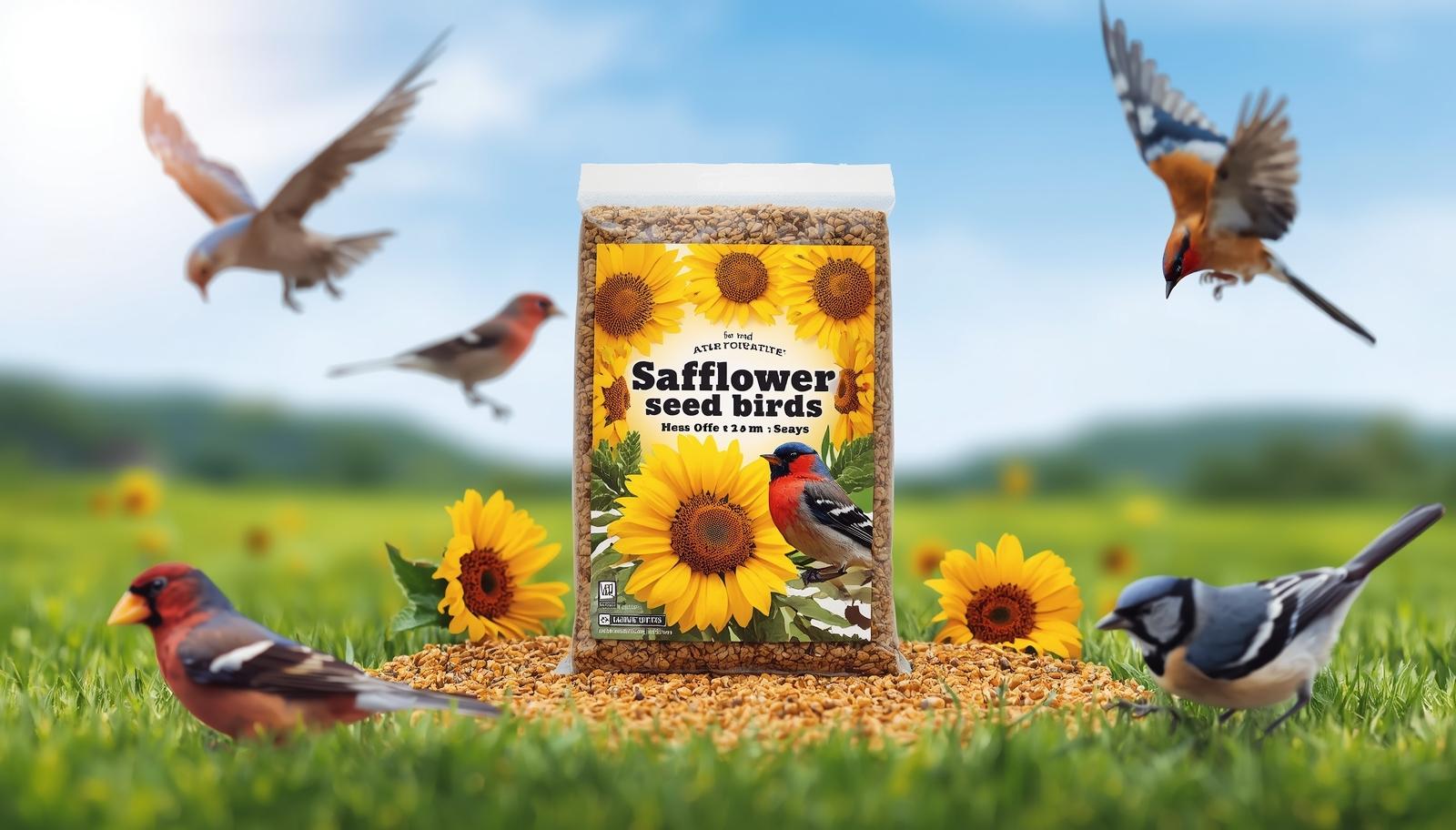
- Safflower seeds
- Nyjer (thistle seed)
- Peanuts (shelled or pieces)
Nutritional Content
Seeds in bird mixes provide fats, protein, and some carbohydrates. The nutrition varies by seed type.
| Seed Type | Calories (per 100g) | Protein (g) | Fat (g) |
| Sunflower Seeds | 584 | 20.8 | 51.5 |
| Millet | 378 | 11.0 | 4.2 |
| Cracked Corn | 365 | 9.0 | 4.7 |
| Safflower Seeds | 584 | 15.0 | 40.0 |
| Peanuts | 567 | 25.8 | 49.2 |
Additives And Preservatives
Many bird seeds include additives to keep seeds fresh and safe for birds. These can be harmful to humans.
- Fungicides to stop mold growth
- Insecticides to kill bugs
- Preservatives to extend shelf life
- Artificial colors or flavors (rare)

Credit: www.foodforbirds.co.uk
Human Digestibility
Bird seed is designed to feed birds, not humans. It contains parts that may be hard for people to digest. Understanding digestibility helps decide if eating bird seed is safe.
This article looks at how humans digest bird seed and what challenges may appear. It explains nutrient use and allergy risks.
Seed Hulls And Digestive Challenges
Bird seed often has hard outer shells called hulls. These hulls protect the seed but make digestion tough for humans. Our stomachs cannot break down hulls easily.
- Seed hulls can irritate the stomach lining.
- They may cause discomfort or indigestion.
- Some hulls are very tough and pass through undigested.
- Removing hulls before eating can improve digestibility.
Nutrient Absorption
Bird seed contains nutrients like fats, proteins, and fiber. But humans absorb these nutrients differently than birds. Some nutrients may not be fully available to us.
| Nutrient | Source in Seed | Human Absorption |
| Protein | Seed kernel | Moderate |
| Fat | Seed oil | Good |
| Fiber | Seed hulls | Poor |
| Vitamins | Seed coating | Variable |
Potential Allergies
Bird seed may contain allergens not common in human food. Eating it can cause allergic reactions in sensitive people.
- Seeds like sunflower or millet can trigger allergies.
- Cross-contamination with nuts may occur.
- Symptoms include itching, swelling, and stomach pain.
- People with seed allergies should avoid eating bird seed.
Health Risks
Eating bird seed can pose several health risks to humans. It is important to understand these risks before considering it as food.
Bird seed is made for birds and may contain harmful substances for people. This section explains the main dangers.
Contamination Concerns
Bird seed can be contaminated with dirt, dust, and animal droppings. These contaminants carry germs and parasites. Eating contaminated seed may cause stomach pain, nausea, or infections.
- Exposure to harmful bacteria like Salmonella
- Presence of rodent droppings with disease risk
- Insect infestations that spoil the seed
- Dirt and dust carrying allergens
Toxic Ingredients
Some bird seeds contain toxic ingredients not safe for humans. These may include pesticides and chemical treatments. Eating these substances can cause poisoning or allergic reactions.
| Ingredient | Effect on Humans |
| Pesticides | Poisoning, nausea, headaches |
| Mold inhibitors | Allergic reactions, respiratory issues |
| Unprocessed shells | Choking hazard, digestive irritation |
| Added salts or flavorings | High blood pressure, dehydration |
Impact Of Mold And Bacteria
Mold and bacteria can grow on bird seed if it is stored in damp or warm places. Eating moldy seed can cause allergic reactions and infections. Bacterial growth can lead to food poisoning.
Signs of mold and bacteria in bird seed include:
- Unpleasant or musty smell
- Visible white or green spots
- Clumping or sticky texture
- Discoloration of seeds

Credit: www.reddit.com
Comparing To Human Seeds
Bird seed is made for birds, not humans. People often wonder if they can eat bird seed safely.
Human seeds like sunflower seeds or pumpkin seeds are different from bird seed. They have special processing to be safe and tasty for people.
Seeds Commonly Eaten By Humans
People eat many kinds of seeds as snacks or food ingredients. These seeds are cleaned and prepared for eating.
- Sunflower seeds
- Pumpkin seeds
- Flaxseeds
- Chia seeds
- Sesame seeds
These seeds offer nutrients and are safe to eat raw or roasted.
Processing Differences
Human seeds go through cleaning to remove dirt and chemicals. They may be roasted or salted to improve taste.
Bird seed often contains fillers like shells or plant parts that are not edible for people. It is not cleaned for human consumption.
- Human seeds: cleaned and processed for safety
- Bird seed: mixed with non-food parts and not cleaned
- Human seeds: may be roasted or flavored
- Bird seed: usually raw and untreated
Safety Standards
Food seeds follow strict safety rules to avoid harmful bacteria and chemicals. They are tested before sale.
Bird seed does not have these safety checks. It can contain germs or pesticides unsafe for humans.
- Human seeds meet food safety standards
- Bird seed lacks human food safety testing
- Eating bird seed may cause stomach issues
- Always buy seeds labeled for human consumption
Alternative Uses
Bird seed is often thought of as food only for birds. People sometimes wonder if humans can eat it too. This guide explores some alternative uses for bird seed beyond feeding wild birds.
From emergency food options to cooking ideas, some seeds can be safe for people. It is important to know which seeds are okay to eat and how to use them properly.
Bird Seed In Emergency Food
In emergencies, bird seed can serve as a backup food source. Many seeds contain nutrients that support basic energy needs. Still, not all bird seeds are safe or easy to digest for humans.
- Sunflower seeds provide fats and protein.
- Millet is rich in carbohydrates.
- Safflower seeds have healthy oils.
- Some mixes contain fillers or pesticides to avoid.
Using Seeds In Cooking
Seeds from bird mixes can be added to meals after cleaning. They add texture and nutrients to dishes. Cooking or roasting seeds can improve flavor and safety.
| Seed Type | Cooking Use | Preparation Tip |
| Sunflower | Salads, breads | Roast lightly |
| Millet | Porridge, side dishes | Rinse before cooking |
| Flaxseed | Smoothies, baked goods | Grind for better digestion |
Safe Seed Options For Humans
Not all bird seeds are safe to eat. Some may contain harmful chemicals or be hard to digest. Choose seeds known to be edible and prepare them properly.
Here is a quick list of safe seeds for human consumption:
- Sunflower seeds (unsalted and cleaned)
- Pumpkin seeds (hulled and roasted)
- Chia seeds (soaked or ground)
- Flaxseeds (ground for better absorption)
- Sesame seeds (toasted for flavor)
Credit: spmaestro.com
Frequently Asked Questions
Can Humans Safely Eat Bird Seed?
Most bird seeds are not toxic but aren't meant for human consumption. They may lack proper processing and could carry bacteria or mold harmful to humans.
Is Bird Seed Nutritious For Humans?
Bird seed contains some nutrients, like fiber and protein. However, it often lacks essential vitamins and minerals humans need daily for balanced nutrition.
What Risks Come From Eating Bird Seed?
Eating bird seed can cause digestive issues and allergic reactions. Seeds may also contain pesticides or contaminants unsafe for human consumption.
Can Bird Seed Cause Allergies In Humans?
Yes, some seeds and nuts in bird seed mixes can trigger allergies in sensitive individuals. Always check ingredients if you have food allergies.
Conclusion
Bird seed is made for birds, not humans. Eating it can cause stomach problems or allergies. Seeds may contain dirt or chemicals that are unsafe. Instead, choose snacks made for people. Always check food labels before eating anything new. Staying safe means eating food meant for humans.
Remember, bird seed is best left for birds to enjoy. Keep your health first and avoid risks. Simple choices make a big difference in well-being.