Have you ever wondered if you can catch bird flu? It’s a question that might cross your mind, especially when news about outbreaks makes headlines.
Understanding how bird flu affects humans is important for your safety and peace of mind. You’ll discover the facts about bird flu, how it spreads, and what you can do to protect yourself. Keep reading to learn what you really need to know about this virus and why it matters to you.
Bird Flu Basics
Bird flu is an infectious disease that affects birds. It is caused by influenza viruses found in birds.
People often wonder if humans can catch bird flu. Understanding the basics helps explain the risks.
What Is Bird Flu
Bird flu is also called avian influenza. It mainly infects wild and domestic birds.
The virus can cause mild to severe illness in birds. Some types can kill many birds quickly.
Common Bird Flu Strains
Bird flu has many virus strains. Some strains spread easily among birds, while others do not.
- H5N1 – causes serious illness and can infect humans
- H7N9 – known to infect birds and some people
- H5N8 – mostly affects birds, rarely humans
- H9N2 – common in birds, low human infection risk
How Bird Flu Spreads Among Birds
Bird flu spreads through contact with infected birds. The virus is found in their saliva, droppings, and nasal secretions.
The virus can also spread through contaminated water, food, and surfaces. Birds in close groups spread it faster.
- Direct contact with sick or dead birds
- Touching surfaces with bird droppings
- Sharing water or food with infected birds
- Birds migrating and mixing with others

Credit: m.economictimes.com
Human Infection Risks
Bird flu is a virus that mainly affects birds. People can catch it, but it is rare. Understanding the risks helps keep people safe.
This article explains how humans can get bird flu. It also shows how the virus spreads and what symptoms appear.
Can Humans Catch Bird Flu
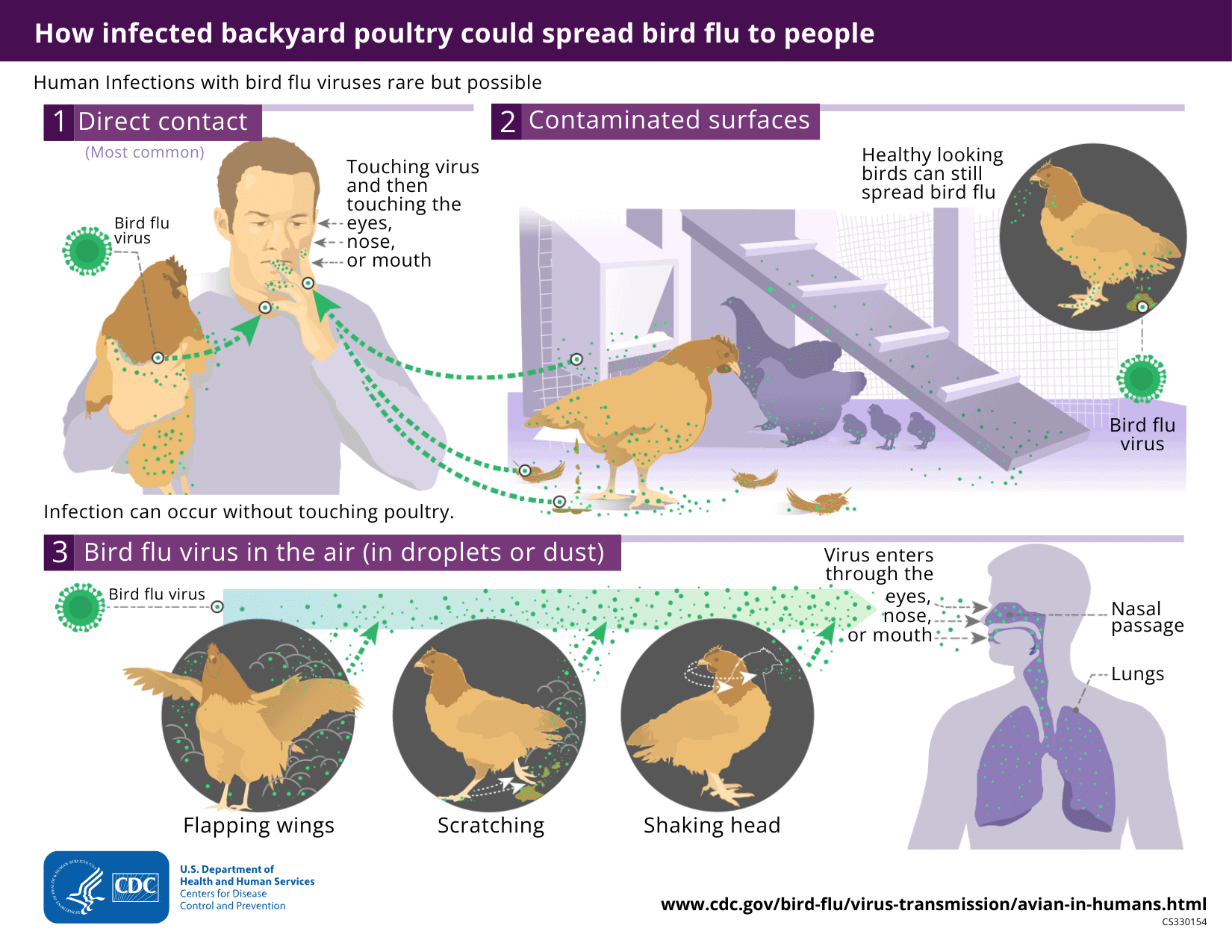
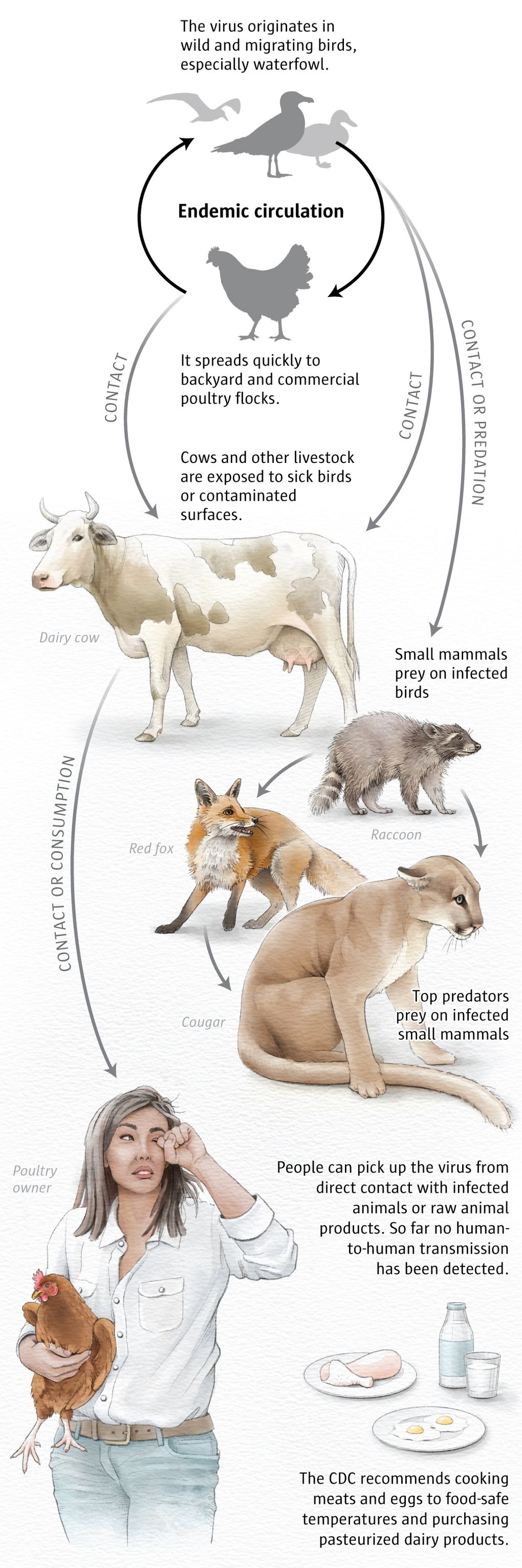
Humans can catch bird flu from infected birds. The virus does not spread easily between people. Most cases happen when people have close contact with sick birds.
Transmission Pathways To Humans
- Touching or handling infected live or dead birds
- Being near bird droppings or secretions
- Contact with contaminated surfaces or materials
- Breathing in droplets from infected birds
People who work with poultry or visit live bird markets have higher risk. Eating cooked poultry is safe if prepared well.
Symptoms In Humans
| Symptom | Description |
|---|---|
| Fever | High body temperature, often over 100.4°F (38°C) |
| Cough | Dry or wet cough causing chest discomfort |
| Sore Throat | Pain or irritation when swallowing |
| Muscle Pain | Body aches and weakness |
| Breathing Difficulty | Shortness of breath or trouble breathing |
Bird flu symptoms may look like regular flu. Seek medical care if symptoms follow bird contact.
Recent Cases And Outbreaks
Bird flu, also called avian influenza, can sometimes infect people. The virus mainly spreads among birds but can jump to humans in rare cases.
Recent outbreaks show that human infections still occur, causing concern for public health. Tracking these cases helps prepare for future risks.
Notable Human Infections
Some human cases stand out because of their severity or location. These infections often result from close contact with infected birds.
- In 2023, several cases appeared in Southeast Asia with symptoms ranging from mild to severe.
- China reported human infections linked to live poultry markets in late 2022.
- Turkey had a small outbreak affecting poultry workers in early 2023.
- Rare human-to-human transmission was suspected but not confirmed in recent cases.
Geographic Hotspots
Bird flu cases in humans tend to cluster in certain areas where contact with birds is common. These hotspots often overlap with regions of bird outbreaks.
| Region | Recent Human Cases | Main Bird Flu Strain |
| Southeast Asia | 15 | H5N1 |
| East Asia | 10 | H7N9 |
| Middle East | 5 | H5N8 |
| Europe | 3 | H5N1 |
Trends In Bird Flu Cases
New bird flu cases in humans show some patterns. Monitoring these helps health experts respond quickly.
- Most infections happen in people working with poultry.
- Seasonal spikes occur during bird migration and farming cycles.
- Improved testing reveals more mild and asymptomatic cases.
- Vaccines for birds may reduce virus spread but are not always used.
Credit: inspection.canada.ca
Prevention Measures
Bird flu can spread from birds to humans in some cases. Taking steps to avoid infection is important. You can protect yourself by learning how to handle birds safely and knowing about vaccines.
This guide explains key prevention measures to keep you safe from bird flu.
Protecting Yourself From Infection
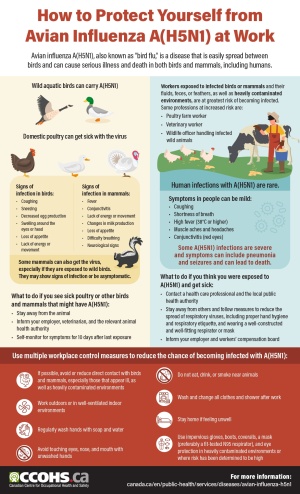
To avoid bird flu infection, limit contact with wild or sick birds. Always wash your hands well after being near birds or poultry. Avoid touching your face during and after contact.
- Wear gloves when handling birds or their droppings
- Use a mask if you are near birds in crowded places
- Clean and disinfect clothes and shoes after exposure
- Keep your living area free from bird droppings and feathers
- Seek medical help if you feel sick after contact with birds
Safe Handling Of Birds And Poultry
Handling birds carefully reduces the chance of catching bird flu. Always use clean tools and avoid close contact with sick birds. Cook poultry meat and eggs well before eating.
| Handling Step | Safety Tip |
| Cleaning bird cages | Wear gloves and a mask |
| Slaughtering poultry | Keep birds calm and use clean knives |
| Cooking poultry | Cook meat to 165°F (74°C) |
| Disposing bird waste | Use sealed bags and wash hands |
| Storing poultry | Keep raw meat separate from cooked food |
Role Of Vaccination
Vaccination helps protect people at risk of bird flu. Some vaccines are made for specific bird flu strains. Talk to health workers if you work with poultry or in farms.
Vaccination Benefits:
- Reduces the chance of severe illness
- Helps control the spread of the virus
- Protects workers in high-risk jobs
Treatment Options
Bird flu can be serious for humans. Early treatment helps reduce complications.
Doctors use different ways to treat bird flu. These include medicines and symptom care.
Available Antiviral Drugs
Antiviral drugs fight the bird flu virus in the body. They work best when started early.
Common antiviral medicines include oseltamivir and zanamivir. They help stop the virus from spreading.
- Oseltamivir (Tamiflu)
- Zanamivir (Relenza)
- Peramivir (Rapivab)
Managing Symptoms
Rest is important to help the body fight the virus. Drink lots of fluids to stay hydrated.
Use fever reducers like acetaminophen or ibuprofen to ease aches and fever. Avoid aspirin in children.
- Get plenty of rest
- Drink water and clear fluids
- Take fever and pain medicine
- Use a humidifier to ease cough
When To Seek Medical Help
See a doctor if you have bird flu symptoms after contact with birds or sick people. Early care is key.
Go to the hospital if you experience trouble breathing, chest pain, or severe weakness. These signs need urgent help.
- High fever lasting more than three days
- Difficulty breathing or shortness of breath
- Chest pain or pressure
- Confusion or dizziness
- Severe weakness or fatigue
Public Health Response
Bird flu can infect humans in rare cases. The public health response helps stop its spread.
Health agencies work to protect people by tracking and controlling outbreaks quickly.
Surveillance And Monitoring
Surveillance helps detect bird flu in birds and humans early. It uses tests and reports.
Monitoring bird populations and farms finds signs of the virus before it spreads widely.
- Testing wild and domestic birds regularly
- Reporting unusual bird deaths quickly
- Tracking human cases near bird outbreaks
Containment Strategies
Containment stops the virus from spreading to more people and birds. It uses fast actions.
Health workers isolate infected birds and humans. They clean and disinfect affected areas.
- Quarantining sick birds and people
- Closing live bird markets temporarily
- Using protective gear for workers
- Educating the public on avoiding contact
Global Cooperation Efforts
Countries share information on bird flu to stop it worldwide. They work with health organizations.
International help includes sharing vaccines, tools, and advice to control outbreaks fast.
- Sharing virus data and research findings
- Coordinating responses across borders
- Supporting affected countries with resources
- Training health workers globally
Future Outlook
Bird flu is a virus that mainly affects birds. People can catch it too, but this is rare. Experts watch the virus closely to see if it changes.
The future depends on how the virus behaves and how people prepare. We look at how it spreads, vaccines, and safety plans.
Potential For Human-to-human Spread
Bird flu usually spreads from birds to people. It is not easy to catch it from another person. Scientists watch if the virus changes to spread between people.
- Most cases come from close contact with birds.
- Few reports of human-to-human spread exist.
- Changes in the virus could increase the risk.
- Health groups monitor outbreaks worldwide.
Vaccine Development Progress
Researchers work hard to make vaccines for bird flu. Vaccines help protect people if the virus spreads more.
| Vaccine Type | Status | Effectiveness |
| Inactivated Virus | In Trials | Moderate |
| Live Attenuated | Early Research | Unknown |
| mRNA-based | Development | Promising |
Preparing For Possible Pandemics
Health agencies plan to stop bird flu from causing large outbreaks. They train staff and prepare supplies.
Key Pandemic Preparedness Actions
- Early detection of cases
- Rapid response teams
- Public health education
- Stockpiling vaccines and medicines
- International cooperation
Credit: www.seattletimes.com
Frequently Asked Questions
Can Humans Contract Bird Flu From Birds?
Yes, humans can catch bird flu through close contact with infected birds or their droppings. The virus rarely spreads between people.
What Are Common Bird Flu Symptoms In Humans?
Symptoms include fever, cough, sore throat, muscle aches, and sometimes breathing difficulties. Early medical care is essential.
How Does Bird Flu Spread To Humans?
Bird flu spreads through direct contact with infected birds, contaminated surfaces, or inhaling virus particles in poultry environments.
Is Bird Flu Deadly To Humans?
Certain bird flu strains can be fatal in humans, especially without prompt treatment. Mortality rates vary by virus type.
Conclusion
Bird flu in humans is rare but possible. Awareness is important. Simple steps can reduce risks. Wash hands regularly. Avoid direct contact with birds. Stay informed about outbreaks. Seek medical advice if you feel unwell after bird contact. Vaccination options may be available.
Understanding symptoms helps in early detection. Spread the word, not the virus. Protect yourself and others. Stay safe by staying informed. Prioritize health and hygiene. Awareness can curb transmission risks. Remember, prevention is better than cure. Stay vigilant and proactive.
Your health matters.