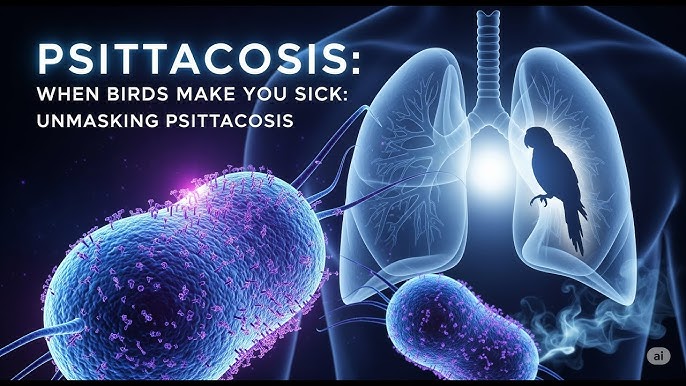
Have you ever wondered if your pet bird could make you sick? Psittacosis is a disease that can pass from birds to humans, but how real is the risk for you?
Understanding how this infection spreads and what signs to watch for can protect your health and your feathered friend. Keep reading to discover everything you need to know about psittacosis, so you can enjoy your time with birds without worry.
What Is Psittacosis
Psittacosis is an infection that humans can get from birds. It is also called parrot fever. The illness affects the lungs and causes flu-like symptoms.
People catch psittacosis when they breathe in dust from bird droppings or secretions. The disease can be serious if not treated.
Cause Of Psittacosis
Psittacosis is caused by a type of bacteria called Chlamydia psittaci. This bacteria lives in birds and spreads to humans through tiny droplets.
The bacteria can be in bird droppings, feathers, and respiratory secretions. When dried, these can float in the air and infect people who breathe them in.
Bird Species Carrying The Disease
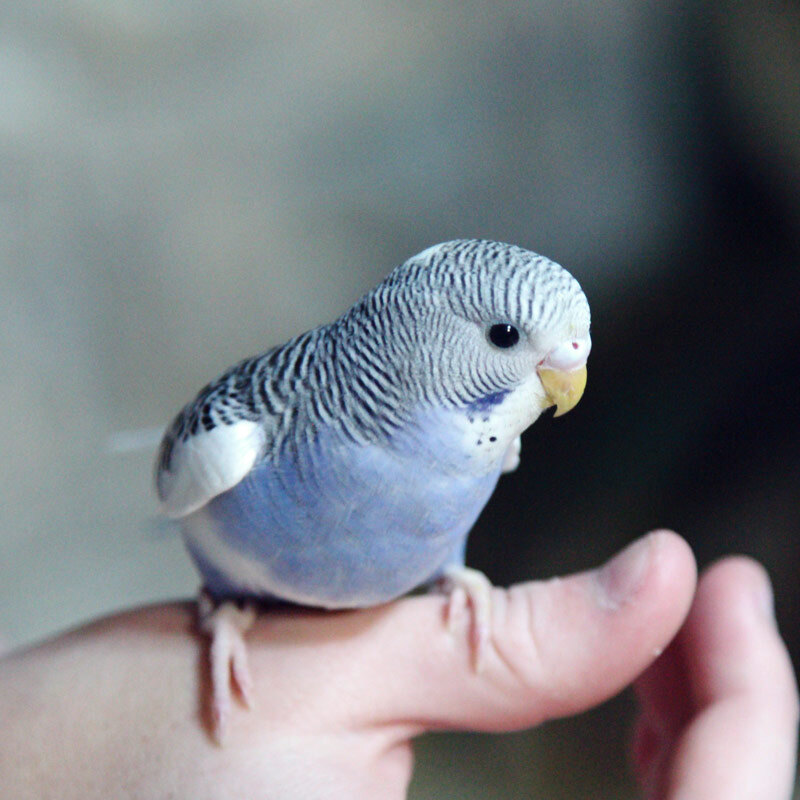
Many bird species can carry the bacteria that causes psittacosis. Parrots, parakeets, and cockatiels are common carriers.
Wild birds and poultry can also carry the bacteria. People who work with birds or keep them as pets may be at higher risk.
- Parrots
- Parakeets
- Cockatiels
- Pigeons
- Canaries
- Ducks and turkeys

Credit: www.researchgate.net
Transmission To Humans
Psittacosis is an infection people can catch from birds. It spreads when people breathe in germs from infected birds.
Knowing how birds spread psittacosis helps prevent the disease in humans.
How Birds Spread Psittacosis
Birds carry the bacteria in their droppings, feathers, and saliva. The germs can become airborne when these materials dry and break apart.
- Breathing dust from dried bird droppings or feathers
- Direct contact with an infected bird’s droppings or secretions
- Cleaning bird cages or handling birds without protection
- Being bitten or scratched by an infected bird
Risk Factors For Humans
Certain people have a higher chance of getting psittacosis from birds. This depends on their exposure and health.
| Risk Factor | Description |
| Pet Bird Owners | Regular contact with birds increases risk. |
| Bird Sellers | Handling many birds daily can expose them to germs. |
| Veterinarians | Work with sick birds and bird samples. |
| People with Weak Immunity | More likely to get sick after exposure. |
| Cleaning Bird Areas | Disturbs dried droppings and spreads bacteria. |
Symptoms In Humans
Psittacosis is an infection humans get from birds. It mainly affects the lungs and breathing.
Symptoms can start mild and then get worse if not treated. Recognizing signs early helps in quick care.
Early Signs
Early symptoms of psittacosis look like a flu. They often appear 5 to 14 days after contact with infected birds.
People may feel tired, have a fever, and a dry cough. Headaches and muscle pain are common too.
- Fever and chills
- Dry cough
- Headache
- Muscle aches
- Feeling very tired
Severe Cases
If untreated, psittacosis can cause serious lung problems. Pneumonia is a common complication.
Severe cases may include chest pain and trouble breathing. The infection can also affect other organs.
- High fever
- Chest pain
- Shortness of breath
- Confusion or dizziness
- Severe pneumonia
Credit: lafeber.com
Diagnosis And Testing
Psittacosis is an infection that humans can get from birds. It is important to diagnose it early. Testing helps doctors find the illness and start treatment.
Symptoms of psittacosis are similar to other lung diseases. Doctors use tests to confirm the infection. This helps to avoid wrong treatment.
Medical Tests Used
Doctors use several tests to check for psittacosis. Blood tests can show antibodies made by the body. These antibodies fight the infection.
Another test is a chest X-ray. It helps to see if the lungs have any damage. Sometimes, doctors take samples from the lungs or throat.
- Blood antibody tests detect immune response
- Chest X-rays show lung inflammation
- Throat or lung samples check for bacteria
Challenges In Diagnosis
Psittacosis symptoms look like flu or pneumonia. This makes it hard to identify without tests. Doctors need to ask about bird contact history.
Some tests take time to give results. Early treatment might start before confirmation. Not all labs have special tests for psittacosis.
- Symptoms are similar to other diseases
- Testing may take several days
- Not all labs can test for psittacosis
- History of bird exposure is very important
Treatment Options
Psittacosis is a disease that humans can get from birds. It needs proper treatment to prevent serious health problems.
Doctors use specific treatments to fight the infection and help people recover quickly.
Antibiotic Therapy
Antibiotics are the main treatment for psittacosis. They kill the bacteria causing the infection.
Doxycycline is the most common antibiotic used. It usually works well when taken for 10 to 14 days.
- Doxycycline helps reduce fever and cough
- People allergic to doxycycline may get other antibiotics
- Early treatment leads to faster recovery
Managing Complications
Some people may have severe symptoms or other health problems. Doctors watch for these and give extra care.
Hospital care may be needed if breathing becomes hard or if the infection spreads.
- Oxygen support helps if breathing is difficult
- Fluids and rest help the body heal
- Follow-up visits check that infection clears fully
Preventing Psittacosis
Psittacosis is a disease that people can get from birds. It spreads through bird droppings and dust. You can stop it by being careful with birds and keeping clean.
Learning how to handle birds safely and follow good hygiene helps protect you and your family.
Safe Bird Handling
Always handle birds gently to avoid stress and injury. Stress can make birds shed more bacteria. Use gloves if you touch bird droppings or feathers.
Keep your bird cages clean and avoid letting birds fly freely in your home. Limit contact if you feel sick or have a weak immune system.
- Wear gloves when cleaning cages
- Do not touch your face while handling birds
- Keep birds in well-ventilated areas
- Do not allow birds to roam on food surfaces
Hygiene Practices
Wash your hands with soap and water after touching birds or their cages. This stops germs from spreading to your face or food.
Clean bird cages and accessories often. Use hot water and disinfectants safe for birds to kill bacteria. Remove droppings daily.
- Wash hands for at least 20 seconds
- Use bird-safe disinfectants on cages
- Clean food and water bowls daily
- Keep cleaning tools separate from other household items
Psittacosis Outbreaks
Psittacosis is an infection people get from birds. It comes from bacteria called Chlamydia psittaci. This disease can cause flu-like symptoms and sometimes serious lung problems.
Outbreaks happen when many people catch psittacosis at once. These outbreaks often start where people have close contact with infected birds.
Notable Cases
There have been several outbreaks of psittacosis worldwide. One well-known case occurred in the 1930s among people handling imported parrots.
More recently, outbreaks have happened in bird markets and pet shops. Workers and customers were infected after contact with sick birds.
- 1930s: Outbreak linked to imported parrots in the United States
- 2002: Cases reported from a bird market in Europe
- 2018: Pet shop workers in Australia contracted psittacosis
- 2021: Outbreak traced to wild birds in a local park
Public Health Measures
Health agencies watch for psittacosis outbreaks closely. They work to find and treat infected people quickly.
Public health teams also educate bird owners and workers. They teach how to handle birds safely to avoid infection.
- Screening people who work with birds for symptoms
- Testing birds for Chlamydia psittaci bacteria
- Using protective gear like gloves and masks
- Cleaning and disinfecting bird cages and areas
- Reporting cases to health authorities for quick response

Credit: lowerbuckshosp.com
When To See A Doctor
Psittacosis is an infection people can get from birds. It often causes flu-like symptoms. Knowing when to see a doctor is very important.
If you spend time with birds and feel sick, watch your symptoms closely. Early care helps prevent serious problems.
Warning Signs
Some symptoms show that psittacosis might be serious. You should watch for these warning signs if you have been near birds.
- High fever over 102°F (39°C)
- Severe cough that lasts several days
- Shortness of breath or chest pain
- Headache that does not go away
- Muscle aches and tiredness
- Confusion or feeling very weak
If you notice these signs, do not wait to get medical help. They may mean the infection is getting worse.
Seeking Medical Help
See a doctor right away if you have bird contact and feel very sick. Early treatment can stop the infection from getting worse.
Tell your doctor about your exposure to birds. This helps them choose the right tests and medicine quickly.
- Visit a doctor if fever and cough last more than three days
- Go to the emergency room if you have trouble breathing
- Call your doctor if you feel very weak or confused
- Follow the doctor’s advice and finish all medicines
Frequently Asked Questions
Can Humans Catch Psittacosis From Pet Birds?
Yes, humans can catch psittacosis from infected pet birds. The disease spreads through inhaling dried bird droppings or secretions. Proper hygiene and handling reduce infection risks.
What Are Common Symptoms Of Psittacosis In Humans?
Symptoms include fever, chills, headache, muscle aches, and dry cough. Severe cases may cause pneumonia. Early diagnosis and treatment are crucial for recovery.
How Can Psittacosis Be Prevented In Bird Owners?
Prevent psittacosis by maintaining bird cage cleanliness and avoiding direct contact with droppings. Use protective masks when cleaning and seek veterinary care for sick birds.
Is Psittacosis Contagious Between Humans?
Human-to-human transmission of psittacosis is extremely rare. The primary infection source is contact with infected birds or their droppings.
Conclusion
Understanding psittacosis is vital for bird owners. This disease spreads from birds to humans. Symptoms often mimic the flu. Seek medical help if symptoms appear after bird contact. Early treatment is key. Always practice good hygiene around birds. Wash hands thoroughly.
Clean bird cages regularly. Educate yourself about your bird’s health. Awareness can prevent psittacosis. Stay informed. Stay healthy.