Have you ever wondered if the birds outside your window could be a source of illness for you? When it comes to West Nile Virus, this question becomes very important.
You might be worried about how this virus spreads and whether it can jump from birds directly to humans. Understanding the truth behind this can protect your health and the health of those you care about. Keep reading to discover how West Nile Virus really spreads and what you need to know to stay safe.
Credit: extension.msstate.edu
West Nile Virus Basics
West Nile Virus is a disease that affects people and animals. It is caused by a virus spread by mosquitoes.
This virus can cause mild to severe illness in humans. Knowing how it spreads helps keep us safe.
What Is West Nile Virus
West Nile Virus is a virus that lives in birds and mosquitoes. It can infect humans and animals too.
Most people who get the virus have no symptoms or only mild fever. Some people may get serious brain infections.
How The Virus Spreads
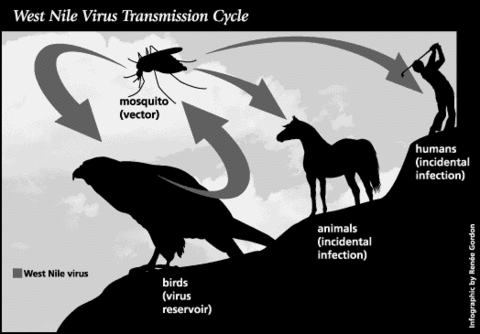
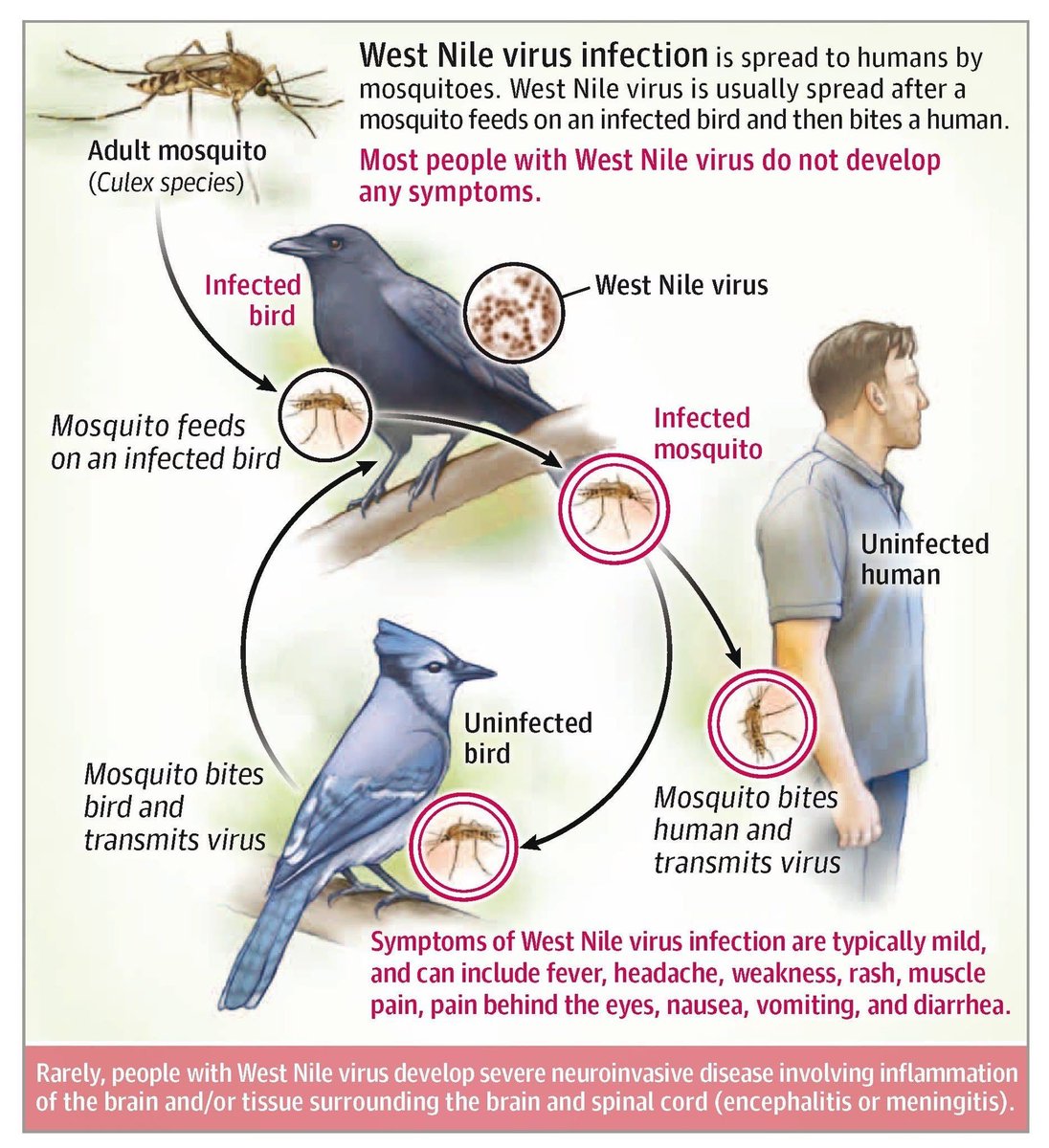
Mosquitoes spread West Nile Virus by biting infected birds. Then they can bite people or animals.
Humans cannot get the virus directly from birds. The virus moves only through mosquito bites.
- Mosquito bites an infected bird
- Mosquito carries virus in its body
- Mosquito bites a human or animal
- Virus enters new host through bite
Credit: x.com
Role Of Birds In Transmission
Birds play an important role in the spread of West Nile Virus. They act as natural carriers of the virus. Understanding this role helps us learn how humans might get infected.
Mosquitoes usually pass the virus from birds to humans. The virus grows inside birds before spreading to other hosts. This cycle keeps the virus moving in nature.
Bird Species As Virus Carriers
Not all birds carry the virus equally. Some species hold more virus and spread it more easily. These birds are called “amplifying hosts” because they increase the virus amount.
- Crows
- Jays
- House sparrows
- Robins
- Blue jays
These birds often live near humans and mosquitoes. Their presence raises the risk of virus spread to people in the area.
Virus Lifecycle In Birds
The virus enters a bird when a mosquito bites it. Inside the bird, the virus multiplies quickly. This process makes the bird infectious to other mosquitoes.
| Stage | Description |
| Infection | Mosquito bites bird and transmits virus |
| Replication | Virus multiplies in bird’s bloodstream |
| Transmission | New mosquitoes bite infected bird and carry virus |
| Spread | Mosquito bites humans or animals, spreading virus |
Transmission To Humans
West Nile virus is a disease that affects humans and animals. It spreads mainly through insects and birds.
Understanding how the virus moves can help people stay safe and avoid infection.
Can Direct Bird-to-human Spread Occur
People cannot get West Nile virus by touching or handling birds. The virus does not spread directly from birds to humans.
Even though infected birds carry the virus, they do not pass it to humans through contact.
Mosquitoes As Primary Vectors
Mosquitoes play the main role in spreading West Nile virus to humans. They become infected when they bite birds that carry the virus.
- Infected mosquito bites a person
- Virus enters the person’s bloodstream
- Person may develop symptoms later
| Vector | Role in Transmission |
| Mosquito | Primary carrier that spreads virus to humans |
| Bird | Natural host that carries virus but does not infect humans directly |
| Human | Accidental host infected by mosquito bites |
Symptoms And Risks For Humans
West Nile Virus is a disease that people can get from infected mosquitoes. Birds carry the virus, but humans do not catch it directly from birds. Knowing the signs and risks helps you stay safe.
Most people with West Nile Virus show mild symptoms. In some cases, the illness can become severe and cause serious health problems.
Common Symptoms
Many people with West Nile Virus do not feel sick. If symptoms appear, they usually start 2 to 14 days after a mosquito bite. Common symptoms include:
- Fever
- Headache
- Body aches
- Tiredness
- Skin rash on the chest, stomach, and back
- Swollen lymph nodes
Severe Cases And Complications
Severe illness can happen, especially in older adults or people with weak immune systems. It affects the brain and nervous system. Signs of severe cases include:
| Symptom | Description |
| High fever | Temperature above 103°F (39.4°C) |
| Neck stiffness | Difficulty bending the neck |
| Confusion | Problems thinking clearly or staying alert |
| Tremors or muscle weakness | Uncontrolled shaking or loss of strength |
| Seizures | Sudden, uncontrolled electrical activity in the brain |
| Paralysis | Loss of movement in parts of the body |
Severe West Nile Virus can cause lasting damage or death. Immediate medical help is important if these symptoms appear.
Prevention And Protection
West Nile Virus spreads mainly through mosquito bites. Birds carry the virus but do not pass it directly to humans. Protecting yourself and the environment helps reduce the risk of infection.
Taking simple steps can keep you safe from mosquito bites and help protect birds and nature from the virus.
Avoiding Mosquito Bites
Mosquitoes spread West Nile Virus by biting infected birds and then biting people. Avoiding bites lowers your chance of getting the virus.
Wear long sleeves and pants when outside, especially at dawn and dusk. Use insect repellent with DEET or other EPA-approved ingredients.
- Use mosquito nets on windows and doors
- Remove standing water where mosquitoes breed
- Stay indoors during peak mosquito activity times
- Use fans to keep mosquitoes away
Protecting Birds And Environment
Birds are natural hosts of West Nile Virus. Keeping birds healthy helps limit the virus spread. Protecting the environment reduces mosquito breeding areas.
Do not disturb wild birds or their habitats. Clean up trash and avoid pesticides that harm birds and beneficial insects.
- Keep bird feeders clean to prevent disease
- Plant native trees and shrubs for bird shelter
- Eliminate standing water in gutters and containers
- Support local efforts to control mosquito populations safely
Credit: www.ctvnews.ca
Monitoring And Reporting
West Nile Virus spreads through mosquitoes but birds play an important role in its cycle. Tracking the virus in birds helps protect people.
Health authorities watch bird populations and report cases. This helps catch outbreaks early and reduce risks.
Tracking West Nile Virus In Birds
Scientists monitor birds because many species carry the virus without showing symptoms. Testing dead birds gives clues about virus spread.
- Collect and test dead birds found in the area
- Sample live birds for signs of infection
- Record bird species and location data
- Use data to map virus activity and trends
Public Health Alerts And Actions
When the virus is detected in birds, public health officials alert the community. This helps people take precautions to avoid mosquito bites.
| Action | Description |
| Public Notices | Inform residents about virus activity |
| Mosquito Control | Increase spraying to reduce mosquitoes |
| Community Education | Teach ways to prevent bites and remove standing water |
| Healthcare Alerts | Advise doctors to watch for symptoms in patients |
Frequently Asked Questions
Can Humans Get West Nile Virus Directly From Birds?
No, humans cannot get West Nile Virus directly from birds. The virus spreads to humans through mosquito bites after mosquitoes feed on infected birds. Birds act as reservoirs, but transmission to humans requires a mosquito vector.
How Do Mosquitoes Transmit West Nile Virus From Birds?
Mosquitoes become infected when they bite infected birds. The virus then multiplies inside mosquitoes. When these mosquitoes bite humans, they transmit the virus, causing infection. This is the primary way West Nile Virus spreads to people.
Are All Bird Species Carriers Of West Nile Virus?
Not all bird species carry West Nile Virus. Some birds, like crows and jays, are more likely to be infected and spread the virus to mosquitoes. Other birds have lower infection rates and play less of a role in transmission.
Can Humans Catch West Nile Virus From Bird Droppings?
No, humans cannot catch West Nile Virus from bird droppings. The virus is not transmitted through contact with bird feces. Infection occurs only through the bite of an infected mosquito.
Conclusion
Understanding West Nile Virus is important for everyone’s health. Birds can carry the virus. Humans catch it through mosquito bites, not directly from birds. Protect yourself by avoiding mosquito bites. Use repellents. Wear long sleeves and pants. Keep windows and doors closed.
Reduce standing water around your home. This limits mosquito breeding. Knowledge is power. Stay informed and safe. Your health matters. Let’s work together to prevent the spread of West Nile Virus. Stay alert and take precautions for a safer environment.