Are you wondering if you can have bird feeders in the North Georgia Mountains? If you love watching colorful birds flutter around your yard, you’re not alone.
Setting up bird feeders can bring nature closer to you and add a peaceful charm to your outdoor space. But before you hang that first feeder, there are a few important things you need to know. Keep reading to discover how to enjoy bird feeding safely and responsibly in the North Georgia Mountains—and make your yard a favorite spot for local feathered friends.
Credit: avibirds.com
Bird Feeding In North Georgia
Many people wonder if they can have bird feeders in the North Georgia Mountains. The answer is yes. Feeding birds is a popular hobby in this area.
Bird feeders help attract birds close to homes. This lets people watch and enjoy local wildlife. It also supports birds during cold months.
Popular Bird Species
North Georgia is home to many bird species. Some birds visit feeders more than others. Knowing which birds are common helps choose the right food.
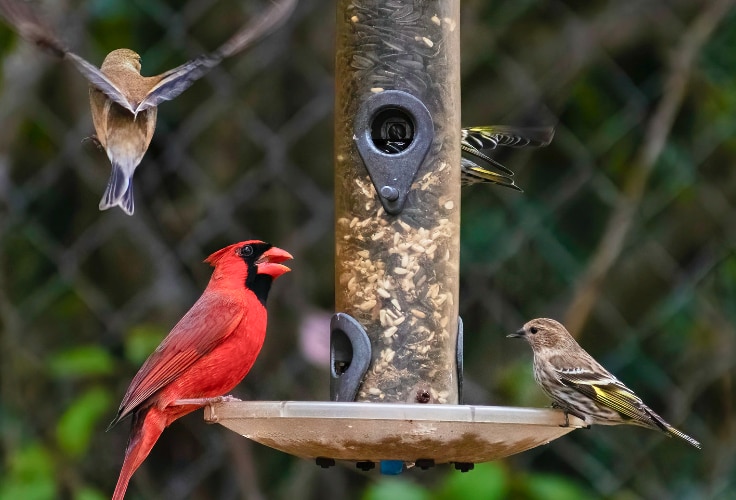
- Northern Cardinal – bright red bird loved by many
- Carolina Chickadee – small and friendly songbird
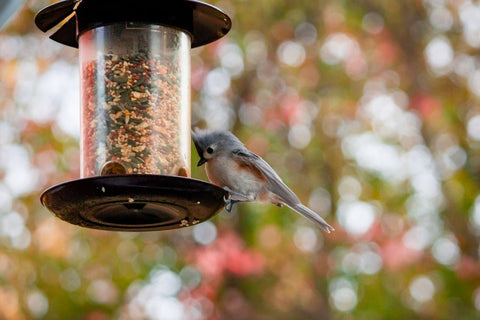
- Tufted Titmouse – gray bird with a pointed crest
- Blue Jay – loud bird with blue feathers
- House Finch – small bird with red on its head
- Downy Woodpecker – tiny woodpecker that pecks trees
Seasonal Bird Activity
Bird activity changes with the seasons in North Georgia. Some birds come in winter. Others are more active in spring and summer.
Winter is a good time to feed birds. Many species need extra food then. Spring and summer bring nesting and baby birds. Fall is a time for migration.
- Winter: Cardinals, Chickadees, and Woodpeckers visit feeders often.
- Spring: Birds build nests and search for insects.
- Summer: Young birds learn to find food near feeders.
- Fall: Some birds migrate south; others prepare for cold.
Choosing The Right Feeder
Bird feeders attract many kinds of birds to your yard in North Georgia. Picking the right feeder helps you see more birds. It also keeps food safe and easy to refill.
Different feeders work better for certain birds and weather. Knowing the types and materials helps you choose one that lasts and fits your needs.
Types Of Feeders
Feeders come in many shapes. Each type attracts different birds. Some keep seed dry, and others allow easy feeding.
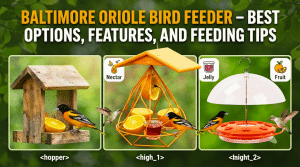
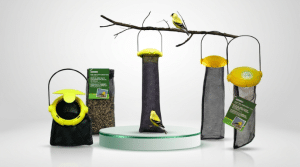
- Tube Feeders: Hold small seeds and attract finches and chickadees.
- Hopper Feeders: Look like small houses and hold lots of seed for many birds.
- Platform Feeders: Flat and open, good for larger birds but seed can get wet.
- Suet Feeders: Hold suet cakes, loved by woodpeckers and nuthatches.
- Nectar Feeders: Designed for hummingbirds and orioles who drink nectar.
Material And Durability
Material affects how long your feeder lasts. It also changes the feeder’s look and how easy it is to clean. Some materials stand up to North Georgia’s weather better.
| Material | Durability | Cleaning | Weather Resistance |
| Plastic | Moderate | Easy | Can crack in cold |
| Metal | High | Moderate | Rusts without coating |
| Wood | Moderate | Harder | Needs sealing to prevent rot |
| Glass | Low | Easy | Breaks easily |
Best Bird Food Options
Bird feeders in the North Georgia Mountains attract many types of birds. Choosing the right food helps bring more birds to your feeder.
Different birds prefer different foods. It is good to offer a variety to meet their needs.
Seeds And Mixes
Seeds are a popular choice for bird feeders. They attract many common birds in the North Georgia Mountains.
Black oil sunflower seeds are a favorite. They have thin shells and lots of oil, which birds love.
- Black oil sunflower seeds attract cardinals and chickadees
- Nyjer seeds are great for finches and siskins
- Milo and cracked corn attract doves and jays
- Mixed seed blends offer variety but watch for fillers
Natural Food Sources
Natural foods help birds stay healthy. They include nuts, berries, and insects that grow in the area.
Adding these foods near feeders can attract more wild birds and offer a balanced diet.
- Suet blocks provide energy, especially in cold months
- Fresh berries attract thrushes and waxwings
- Nuts like peanuts and walnuts are favorites for woodpeckers
- Plant native flowers and shrubs to support insects for insect-eating birds

Credit: www.yahoo.com
Placement Tips For Feeders
Bird feeders attract many beautiful birds to your yard. Proper placement helps birds stay safe and find food easily.
Choosing the right spot for your feeder is important. This guide covers safe locations and how to make feeders easy for birds to access.
Safe Locations
Pick spots that protect birds from predators and harsh weather. Avoid placing feeders too close to windows to reduce collisions.
- Place feeders at least 10 feet away from windows.
- Keep feeders near shrubs or trees for quick shelter.
- Avoid areas with heavy foot traffic or pets.
- Do not place feeders near bird nests to prevent disturbance.
Accessibility For Birds
Birds need easy access to feeders. Position feeders at the right height and make sure they are stable and clean.
| Tip | Reason |
| Place feeders 5 to 6 feet above ground | Safe height from ground predators |
| Use stable mounts or hangers | Prevents feeders from tipping over |
| Keep feeding ports clear of debris | Allows easy food access |
| Provide open landing space nearby | Helps birds approach safely |
Maintenance And Cleaning
Bird feeders in the North Georgia Mountains need regular care. Proper maintenance keeps birds safe and healthy.
Cleaning your feeders prevents problems like mold and disease. It also helps the feeders last longer.
Preventing Mold And Disease
Mold grows quickly in damp and warm places. It can harm birds and make them sick.
To stop mold, keep feeders dry and clean. Use feeders that drain well to avoid water buildup.
- Check feeders for wet seeds or clumps
- Remove old or damp seed daily
- Place feeders where air flows to dry them
- Use a bird-safe disinfectant to clean feeders
Regular Cleaning Schedule
Cleaning bird feeders often keeps birds healthy. A simple schedule helps you stay on track.
Wash feeders with warm water and soap every two weeks. Rinse well to remove soap residue.
- Empty feeders before cleaning
- Scrub with a brush to remove dirt and droppings
- Soak feeders in a solution of one part bleach to nine parts water for 10 minutes
- Rinse thoroughly and let dry before refilling
- Clean feeding areas and birdbaths regularly
Local Regulations And Wildlife Considerations
Many people enjoy putting bird feeders in the North Georgia Mountains. They help attract local birds and add beauty to yards. Before placing feeders, it is important to know local rules and think about wildlife safety.
Bird feeders can affect the environment and local animals. Understanding these effects helps keep nature balanced and healthy.
Permits And Restrictions
In the North Georgia Mountains, some areas may require permits to place bird feeders. Parks and protected lands often have rules to prevent harm to wildlife. Check with local authorities before putting up feeders on public land.
Homeowners’ associations might also have rules about bird feeders. These rules can limit feeder types and locations to keep the neighborhood safe and clean.
- Public parks may need permits for feeders
- Protected lands can have strict feeding rules
- Homeowners’ associations might restrict feeder use
- Check local government websites for details
Impact On Local Ecosystem
Bird feeders can change how local birds behave. They may cause some birds to depend on feeders instead of finding natural food. This can affect their health and the ecosystem balance.
Feeders can also attract unwanted wildlife like squirrels or larger animals. This may create problems for both animals and people in the area.
- Feeders can make birds less likely to forage naturally
- Feeding can increase spread of disease among birds
- Unwanted animals may come to feeders
- Keep feeders clean and avoid overfeeding
Seasonal Care For Feeders
Bird feeders need care all year to keep birds safe and happy. Different seasons bring different challenges.
Here are some tips for winter and summer to help you maintain your feeders in the North Georgia Mountains.
Winter Feeding Tips
Cold weather means birds need more energy to stay warm. Keep feeders full and clean to help them survive.
- Fill feeders often since birds eat more in winter.
- Use high-energy seeds like sunflower or safflower.
- Keep feeders dry to prevent mold and clumping.
- Remove ice and snow from feeders daily.
- Clean feeders with hot water every two weeks to stop germs.
Summer Adjustments
Warm weather changes bird behavior and feeder needs. Adjust your care routine to match summer conditions.
| Task | Reason |
| Clean feeders weekly | Prevent mold and bacteria growth |
| Offer fresh water | Help birds stay hydrated |
| Use platform feeders | Attract different bird species |
| Remove leftover seed daily | Stop seed spoilage and pests |
| Place feeders in shade | Keep seeds fresh longer |
Credit: www.birdfy.com
Frequently Asked Questions
Can I Attract Native Birds With Feeders In North Georgia?
Yes, bird feeders attract native species like cardinals, chickadees, and woodpeckers. Use local seeds to increase visits.
What Types Of Bird Feeders Work Best Here?
Tube feeders and platform feeders suit North Georgia. They accommodate various birds and withstand mountain weather well.
Is Feeding Birds Year-round Advisable In North Georgia?
Feeding year-round helps birds during harsh winters and breeding seasons. Adjust food types seasonally for best results.
What Foods Should I Offer In North Georgia Feeders?
Offer black oil sunflower seeds, suet, and peanuts. These foods attract diverse birds and provide essential nutrients.
Conclusion
Bird feeders in the North Georgia Mountains can enrich your outdoor experience. They attract colorful birds, adding life to your garden. Choose feeders that suit local birds for best results. Place them in safe spots, away from predators. Remember to clean them often to keep birds healthy.
Watching birds can be a relaxing hobby. It connects you with nature and brings peace. Enjoy the simple joy of birdwatching in the mountains. Nature’s beauty is closer than you think. Explore and cherish it every day.