
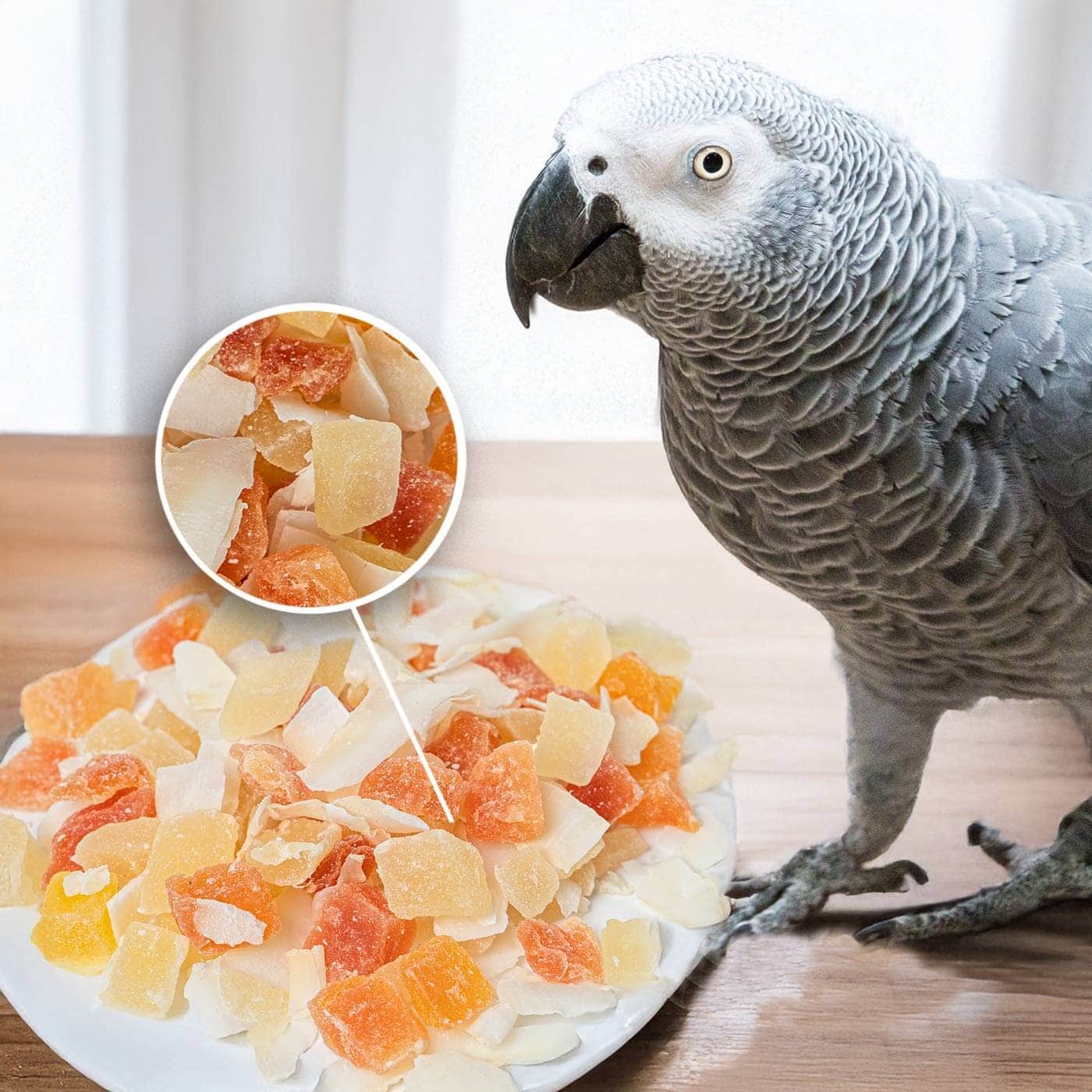
Are you wondering if you can add dried fruit to your bird’s diet? It’s a common question for bird lovers who want to give their feathered friends tasty treats.
But is dried fruit safe? Can it really benefit your bird’s health, or could it cause harm? Knowing the right answer can help you make better choices for your pet and keep them happy and healthy. Keep reading to find out everything you need to know about including dried fruit in your bird food.
Benefits Of Dried Fruit For Birds
Dried fruit can be a tasty treat for many birds. It adds extra nutrition to their daily food.
Including dried fruit helps keep birds healthy and happy. It also makes their diet more exciting.
Nutritional Value
Dried fruit contains many vitamins and minerals that birds need. These nutrients support their growth and immune system.
Fruits like raisins, apricots, and apples provide important nutrients like vitamin A, potassium, and fiber.
- Vitamin A helps keep feathers bright and skin healthy
- Potassium supports muscle function
- Fiber aids in digestion
Energy Boost
Dried fruit has natural sugars that give birds quick energy. This helps birds stay active and alert.
The concentrated sugars in dried fruit are easy to digest and provide a fast energy source.
- Natural sugars increase energy levels
- Ideal for birds during cold weather or flight
- Supports overall activity and playfulness
Variety In Diet
Dried fruit adds different flavors and textures to bird food. Birds enjoy this variety and stay interested in their meals.
Offering dried fruit helps prevent boredom with the same foods every day. It also encourages natural foraging behavior.
- New tastes keep birds engaged
- Encourages healthy eating habits
- Supports mental stimulation
Safe Types Of Dried Fruit
Dried fruits can be a tasty treat for birds. They add variety to their diet and provide extra nutrients.
Not all dried fruits are safe. Some can harm birds, so choose carefully.
Commonly Recommended Fruits
Many dried fruits are safe and healthy for birds. These fruits offer vitamins and natural sugars.
- Raisins: Small and sweet, good for many bird species.
- Dried Apples: Soft and easy to eat, rich in fiber.
- Dried Blueberries: High in antioxidants and taste.
- Dried Cranberries: Provide vitamin C and a tart flavor.
- Dried Apricots: Contain vitamins A and C, but use in small amounts.
Fruits To Avoid
Some dried fruits can be harmful or toxic to birds. Avoid these to keep your bird safe.
- Dried Grapes with added sugar or preservatives: Can cause health problems.
- Dried Fruits with pits or seeds like cherries and peaches: Seeds contain toxins.
- Dried Figs: Sometimes treated with chemicals harmful to birds.
- Fruits with added sulfur or artificial colors: These additives can be dangerous.
Portion Control And Frequency
Including dried fruit in your bird’s diet can be a healthy treat. You must control the amount and how often you offer it.
Too much dried fruit can cause health problems. This guide helps you feed the right portions at the right times.
How Much To Offer
Dried fruit is high in sugar and calories. Offer small amounts to avoid weight gain and digestive issues.
- Give about one to two teaspoons per feeding.
- Cut dried fruit into small pieces for easy eating.
- Mix dried fruit with seeds or pellets for balance.
- Watch your bird’s reaction and adjust portions if needed.
How Often To Include
Limit dried fruit treats to avoid too much sugar. Frequency depends on your bird’s species and health.
| Bird Type | Recommended Frequency |
| Small Birds (e.g., finches) | 1-2 times per week |
| Medium Birds (e.g., cockatiels) | 2-3 times per week |
| Large Birds (e.g., parrots) | 3-4 times per week |

Credit: parrotessentials.co.uk
Preparation Tips For Dried Fruit
Dried fruit can be a tasty treat for birds. Proper preparation helps keep them safe and happy. Clean and prepare dried fruit carefully before feeding.
Follow simple steps to make dried fruit easy to eat. This will help your birds enjoy their snack without any problems.
Cleaning And Soaking
Cleaning dried fruit removes dust and chemicals. Soaking softens the fruit, making it easier to digest for birds.
- Rinse dried fruit under warm water.
- Use a bowl to soak fruit in clean water for 10 to 15 minutes.
- Drain and pat dry with a clean cloth or paper towel.
- Avoid soaking for too long to prevent fermentation.
- Choose unsweetened and unsulfured dried fruit whenever possible.
Chopping And Serving
Cut dried fruit into small pieces to prevent choking. Offer in small amounts to avoid overeating.
| Fruit Type | Suggested Piece Size |
| Apricots | Small cubes (1 cm) |
| Raisins | Halved or whole for large birds |
| Figs | Quartered |
| Dates | Small chunks |
| Prunes | Halved or quartered |
Potential Risks And Precautions
Dried fruit can be a tasty treat for birds, but it also carries risks. Knowing these risks helps keep birds safe and healthy.
This guide covers key concerns about dried fruit in bird food. Learn about sugar content, additives, and allergies.
Sugar Content Concerns
Dried fruit often has a high sugar level. Too much sugar can harm birds and cause health problems.
- Excess sugar may lead to obesity in birds.
- High sugar can cause digestive issues.
- It may increase the risk of diabetes.
- Birds can develop a preference for sweet foods.
Additives And Preservatives
Some dried fruits contain additives or preservatives. These chemicals can be harmful to birds.
| Additive | Purpose | Possible Risk to Birds |
| Sulfites | Preserve color and freshness | Respiratory issues |
| Added sugars | Enhance sweetness | Obesity and diabetes |
| Artificial colors | Improve appearance | Allergic reactions |
Allergic Reactions
Birds may be allergic to certain dried fruits or ingredients. Watch for signs of allergies.
- Itching or feather loss
- Swelling around eyes or beak
- Difficulty breathing
- Vomiting or diarrhea
Signs Of Positive Response
Including dried fruit in bird food can be a healthy treat. Birds may show clear signs if they like it.
Watch your bird closely to see how it reacts after eating dried fruit. Positive signs help you know if it is safe.
Behavioral Changes
Birds that enjoy dried fruit often become more active. They may sing more or show extra energy.
You might see your bird exploring its cage or playing with toys more than usual. These are good signs.
- Increased chirping or singing
- More playful and curious actions
- Willingness to try new foods
- Spending more time near the food dish
Health Improvements
Dried fruit can add vitamins and minerals to a bird’s diet. You may notice better feather quality.
Birds might have brighter eyes and a healthier weight. Their digestion can also improve.
- Smoother, shinier feathers
- Clear, bright eyes
- Stable and healthy body weight
- Regular droppings and good digestion
Alternatives To Dried Fruit
Dried fruit is often added to bird food for sweetness. But it can be too sugary or sticky for some birds. There are many other healthy options you can try instead.
These alternatives provide good nutrition and keep your bird interested in its food. They also avoid the problems dried fruit might cause.
Fresh Fruit Options
Fresh fruit is a great treat for birds. It has natural sugars and water to keep them hydrated. Choose fruits that are safe and easy to eat.
- Apple slices without seeds
- Seedless grapes cut in halves
- Blueberries and strawberries
- Banana pieces
- Melon chunks like cantaloupe or honeydew
Other Healthy Treats
Birds enjoy more than just fruit. You can offer a variety of other healthy snacks. These treats add nutrients and keep birds active.
| Treat | Benefits |
| Cooked sweet potato | Rich in vitamins A and C |
| Steamed carrots | Good source of fiber |
| Leafy greens like spinach or kale | High in iron and calcium |
| Unsalted nuts in small amounts | Healthy fats and protein |
| Plain cooked rice or pasta | Energy from carbohydrates |
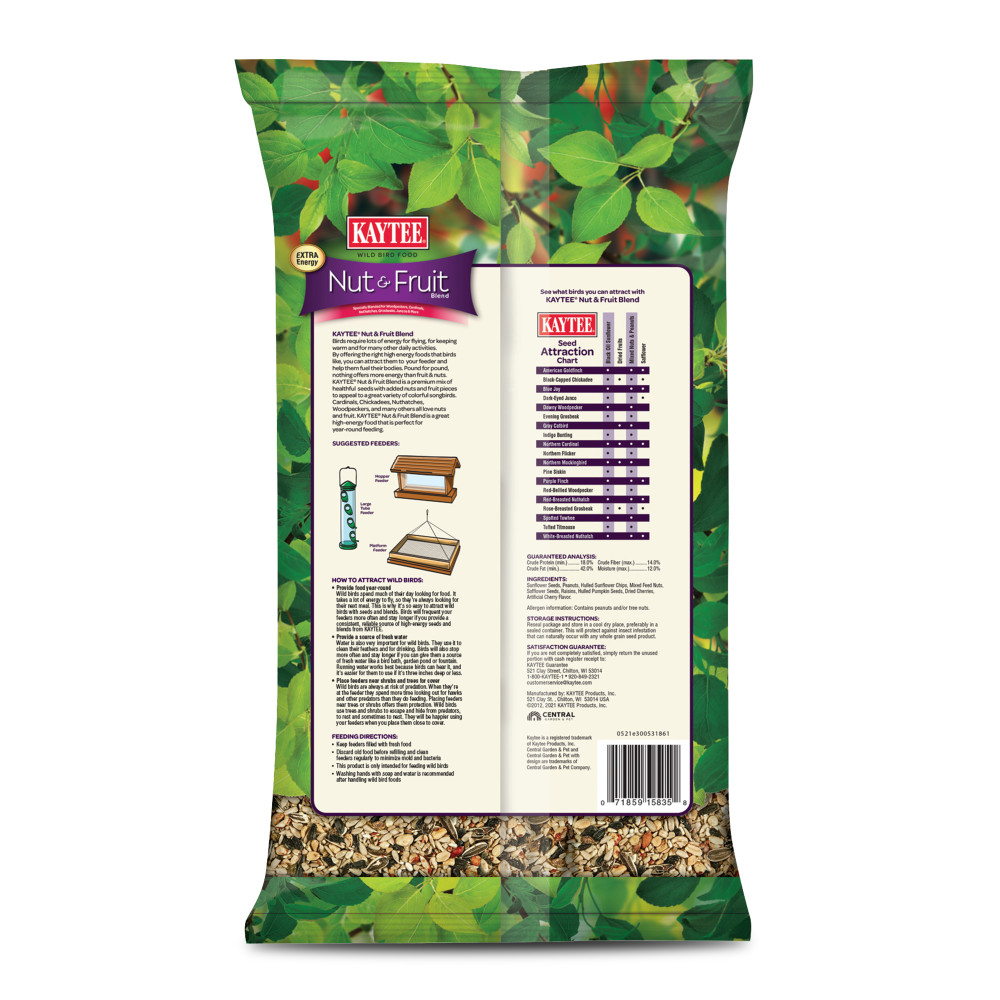
Credit: www.kaytee.com

Credit: www.kaytee.com
Frequently Asked Questions
Can Birds Safely Eat Dried Fruit Daily?
Yes, birds can eat dried fruit daily but in moderation. Dried fruit provides natural sugars and nutrients but too much can cause health issues like obesity. Balance it with seeds, nuts, and fresh foods for a healthy diet.
What Types Of Dried Fruit Are Best For Birds?
Best dried fruits for birds include raisins, apricots, cranberries, and apples. Avoid those with added sugars, preservatives, or artificial colors. Always offer unsweetened, unsulfured dried fruits to keep your bird healthy and happy.
How Much Dried Fruit Should I Give My Bird?
Offer dried fruit as a treat, not a staple. Limit servings to about 5-10% of your bird’s daily diet. Overfeeding dried fruit can lead to excessive sugar intake and digestive problems.
Can Dried Fruit Cause Health Problems In Birds?
Yes, too much dried fruit can cause obesity and digestive issues. High sugar content may lead to diabetes and other health problems. Always feed dried fruit in moderation and ensure a balanced diet.
Conclusion
Including dried fruit in bird food can be a good choice. Birds enjoy the sweet taste and nutritional benefits. Always ensure the dried fruit is safe and suitable. Avoid any added sugars or preservatives. Moderation is key to a balanced diet.
Watch for any changes in your bird’s health. Fresh water should always be available. Dried fruits can enhance your bird’s diet, but should not replace fresh options. With care, dried fruit can be a tasty treat. Your feathered friends will likely enjoy it.
Experiment and observe what works best for them.



