Have you ever wondered if mealworms can survive in your bird feeder when it’s sitting out in the sun? If you’re feeding birds and want to add mealworms as a tasty treat, it’s important to know how the heat affects them.
You don’t want to waste your effort or harm the mealworms by placing them in the wrong spot. You’ll discover the truth about mealworms living in bird feeders under the sun, and how to keep your feathered friends happy and healthy.
Keep reading to find out what really happens and how you can make the most of your bird feeding setup.
Credit: hermie.com
Meal Worms And Bird Feeders
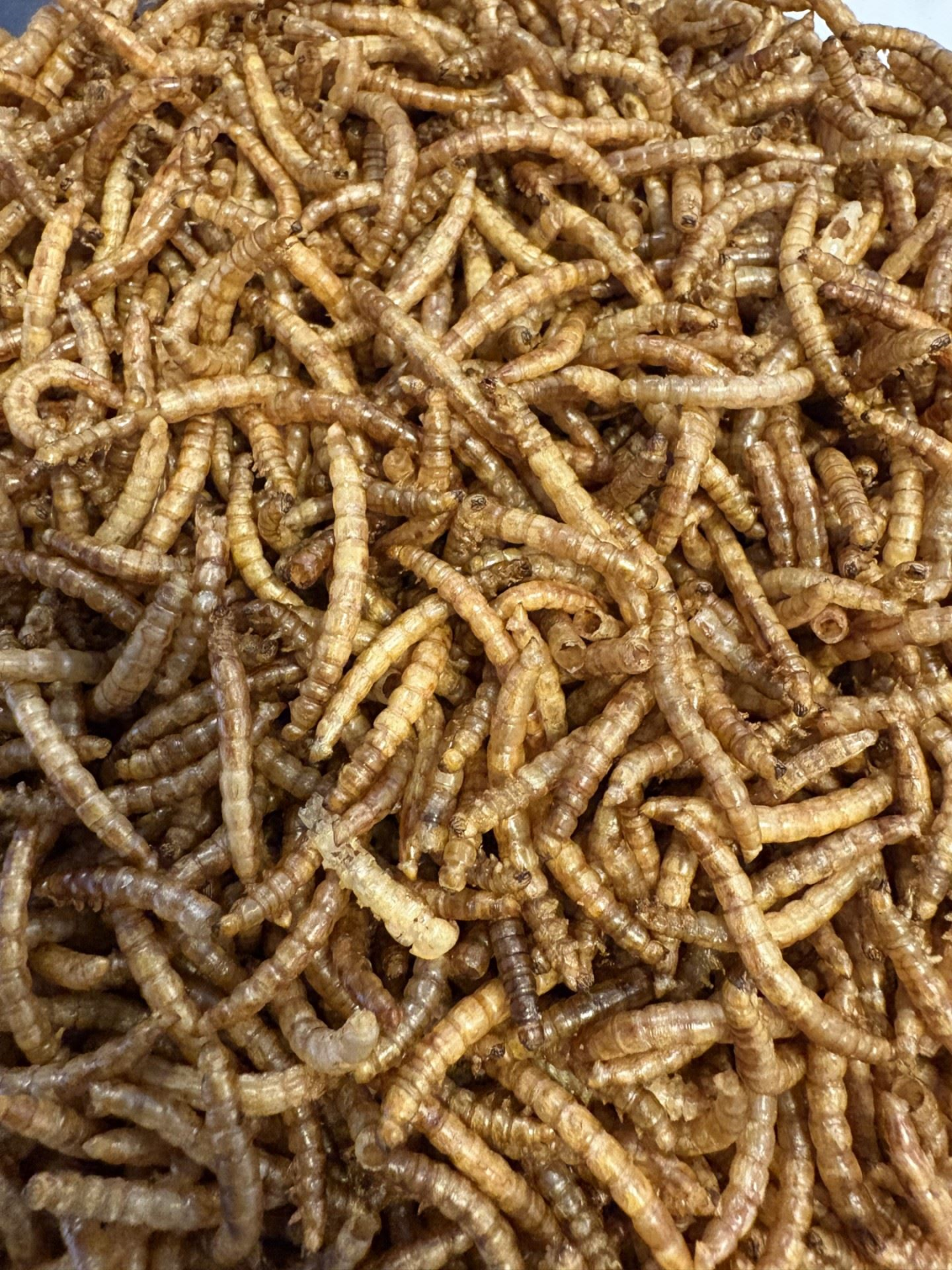
Meal worms are a popular food choice for many birds. Bird feeders can be used to offer meal worms outdoors.
People often wonder if meal worms can live in bird feeders placed in the sun. This depends on several factors like temperature and feeder type.
Why Meal Worms Attract Birds
Meal worms are a natural food source for many birds. They provide protein and energy birds need to stay healthy.
Birds like meal worms because they are easy to eat and taste good. Offering meal worms can bring more birds to your feeder.
- High in protein for bird health
- Easy to spot and eat
- Appeals to many bird species
- Works well during breeding season
Common Bird Feeder Types For Meal Worms
Different feeders suit meal worms depending on the bird species. Some feeders keep meal worms fresh longer than others.
Choosing the right feeder helps protect meal worms from sun and weather. It also makes feeding easier for birds.
- Tray feeders:Open and easy for birds to access meal worms.
- Meal worm feeders:Special containers with holes for birds to pick worms.
- Plastic containers:Protect worms from sun but allow airflow.
- Covered feeders:Shield meal worms from direct sunlight and rain.
Effects Of Sun Exposure
Meal worms are often used as bird food in feeders. Many wonder if they can live in a bird feeder under the sun. Sun exposure affects meal worms in different ways. It is important to understand these effects to keep them healthy.
This article looks at how temperature and humidity impact meal worms when they are in a sunny bird feeder. Both factors can cause stress or harm to these insects.
Temperature Impact On Meal Worms
Meal worms prefer moderate temperatures. Too much heat from direct sun can be dangerous. High temperatures may cause them to dry out and die quickly. Cold temperatures slow down their activity and growth.
- Ideal temperature range: 70°F to 80°F (21°C to 27°C)
- Above 90°F (32°C) can cause stress and death
- Below 50°F (10°C) slows their movement and feeding
- Sudden temperature changes increase risk of harm
Humidity And Drying Risks
Humidity levels are crucial for meal worm survival. Low humidity from sun exposure dries their skin and environment. This drying can cause dehydration and death. High humidity helps keep meal worms healthy and active.
| Humidity Level | Effect on Meal Worms |
| Below 40% | Risk of drying out and dehydration |
| 40% to 60% | Optimal for survival and activity |
| Above 60% | Too moist, risk of mold growth |
Meal Worm Survival Needs
Meal worms are small insects often used as bird food. They need the right conditions to live well.
Understanding their survival needs helps you keep them healthy in a bird feeder, even in the sun.
Optimal Temperature Range
Meal worms survive best in warm but not hot places. Too much heat can harm them.
The ideal temperature for meal worms is between 70°F and 80°F. Temperatures above 90°F can be deadly.
- Below 50°F slows their activity
- Above 90°F causes stress and death
- Keep them in shaded areas to avoid overheating
Moisture Requirements
Meal worms need some moisture to stay alive but not too much. Too wet or dry can be harmful.
They get moisture from fruits or vegetables placed with them. Avoid water pooling in the feeder.
- Use damp paper towels for moisture
- Fruits like apple or carrot help keep them hydrated
- Keep the feeder dry to stop mold growth
Protection From Predators
Meal worms are easy targets for birds and insects. They need protection to survive in feeders.
Use containers with small openings and place feeders where predators cannot reach easily.
- Use mesh or covered feeders
- Place feeders away from ants and wasps
- Check feeders regularly for signs of pests

Credit: www.livingwithbirds.com
Sun Exposure Challenges
Meal worms can be kept in bird feeders, but sun exposure creates problems. The heat and light affect their health and survival.
This article explains the main challenges meal worms face in sunny bird feeders. It covers risks like overheating, dehydration, and shorter lifespan.
Overheating Risks
Meal worms are sensitive to high temperatures. The sun can make the bird feeder very hot during the day.
Overheating can cause meal worms to become stressed or die. They need cooler places to stay healthy.
Dehydration Problems
Sun exposure dries out the bird feeder quickly. Meal worms lose moisture fast under direct sunlight.
Without enough water, meal worms become weak. They need humidity to survive and stay active.
Reduced Lifespan Factors
Too much sun shortens the life of meal worms. Stress from heat and dryness lowers their chances of living long.
Keeping meal worms in shaded or cool areas helps them live longer and stay healthier.
Tips For Keeping Meal Worms Alive
Meal worms can live in bird feeders, but the sun can make it hard for them. Too much heat can dry them out or kill them. You need to keep them cool and moist.
Here are some tips to help meal worms stay healthy in bird feeders placed in the sun.
Providing Shade On Feeders
Meal worms do best in cool places. Sunlight can make feeders too hot. Adding shade helps keep meal worms safe and alive.
You can use natural or artificial shade. Trees, bushes, or shade cloth work well. Shade stops direct sun from heating the feeder.
- Place feeders under tree branches
- Use umbrellas or shade cloth above feeders
- Move feeders to shaded spots during hot hours
Regular Moisture Maintenance
Meal worms need moisture to survive. Dry heat from the sun can kill them fast. Check feeders often to keep moisture inside.
Use moist bedding like oats or bran. Spray water lightly if it feels dry. Avoid too much water to stop mold growth.
- Check feeders daily for dryness
- Add fresh moist bedding regularly
- Lightly mist meal worms with water
- Keep bedding damp but not wet
Using Suitable Feeder Designs
Choose feeders that protect meal worms from sun and heat. Designs with covers or small openings work best.
Good feeders keep air flowing but block direct sunlight. They prevent meal worms from escaping and reduce overheating.
- Use feeders with lids or covers
- Choose feeders with ventilation holes
- Avoid open feeders in direct sun
- Pick feeders made from light-colored materials
Alternative Feeding Strategies
Meal worms are a popular treat for birds. Feeding them in the sun can be tricky. Heat can harm the meal worms quickly.
Using smart feeding strategies helps keep meal worms fresh. This keeps birds happy and healthy.
Indoor Feeding Options
Feeding meal worms indoors protects them from the sun. You can place feeders near windows for natural light. This keeps worms cool and safe.
Indoor feeding also stops birds from eating worms too fast. It gives you control over feeding times and amounts.
Using Meal Worm Containers
Special containers help keep meal worms cool and moist. Use containers with vents for air flow. Avoid direct sunlight on containers.
- Choose containers made from plastic or metal
- Keep containers in shady or cool places
- Check containers daily to remove dead worms
- Keep meal worms dry but not too dry
Timing Feedings To Avoid Heat
Feed meal worms in early morning or late evening. These are cooler parts of the day. This helps meal worms last longer outside.
Avoid feeding during midday sun. High temperatures can kill meal worms fast. Plan your feeding schedule around cooler times.

Credit: www.livingwithbirds.com
Frequently Asked Questions
Can Meal Worms Survive In A Sunny Bird Feeder?
Meal worms can survive in a sunny bird feeder, but direct sunlight may cause overheating. It’s best to provide some shade to keep them cool and fresh for birds.
Does Sunlight Affect Meal Worm Lifespan In Feeders?
Yes, excessive sunlight can shorten meal worm lifespan by drying them out and raising temperature. Keeping feeders shaded helps maintain their health longer.
Are Meal Worms Safe In Outdoor Bird Feeders?
Meal worms are generally safe in outdoor feeders. Ensure the feeder stays dry and shaded to prevent mold or overheating issues that harm the worms.
How To Keep Meal Worms Fresh In A Sunny Feeder?
To keep meal worms fresh, place the feeder in partial shade and add moisture sources like apple slices. Avoid direct sun exposure to prevent drying out.
Conclusion
Mealworms can survive in bird feeders under the sun. They need shade and moisture. Without these, they dry out quickly. Birds love mealworms, but their environment matters. Ensure the feeder offers protection. A shaded spot is best. Add moisture to keep them lively.
Happy birds will visit more often. Healthy mealworms attract many birds. Observing feeder placement is key. Small changes make a big difference. Keep your feathered friends returning. Enjoy watching birds thrive in your garden.