Have you ever wondered if something as simple as peanuts can bring more birds to your backyard? If you love watching birds flutter and chirp around your garden, discovering the right way to attract them is key.
Peanuts might be the secret ingredient you’re missing. You’ll learn how peanuts can draw a variety of birds, why they’re so appealing, and the best tips to use them safely. Keep reading to turn your outdoor space into a lively haven for feathered friends!

Credit: www.livingwithbirds.com
Why Birds Love Peanuts
Peanuts are a favorite snack for many birds. They offer a tasty treat that birds enjoy eating.
These nuts provide important nutrients and energy. Birds often choose peanuts over other foods.
Nutritional Value Of Peanuts
Peanuts are full of proteins and healthy fats. These nutrients help birds stay strong and healthy.
They also have vitamins and minerals that support bird growth. Peanuts give birds many benefits in one bite.
- High protein content for muscle repair
- Healthy fats for energy storage
- Vitamins like vitamin E and B-complex
- Minerals such as magnesium and phosphorus
Energy Boost For Birds
Birds need a lot of energy to fly and stay warm. Peanuts provide a quick and lasting energy source.
The fats in peanuts burn slowly, giving birds long-lasting fuel. This helps birds stay active throughout the day.
- Fat content gives steady energy release
- Protein supports muscle energy use
- Easy to store energy in cold weather
Peanuts In Bird Diets
Many wild and pet birds eat peanuts. They are a common part of bird diets around the world.
Birds eat peanuts whole or broken into pieces. Some birds crack open shells, while others eat shelled nuts.
- Woodpeckers and jays enjoy peanuts with shells
- Parrots prefer shelled peanuts
- Peanuts complement seeds and fruits in diets
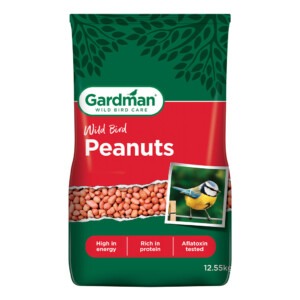
Credit: www.gardenhealth.com
Types Of Birds Attracted To Peanuts
Peanuts are a popular food choice for many birds. They provide energy and nutrients that birds need.
Different types of birds are drawn to peanuts. Some visit backyards often, while others are more specialized eaters.
Common Backyard Visitors
Many common backyard birds enjoy peanuts. These birds visit feeders regularly and are easy to spot.
Species like chickadees, titmice, and nuthatches eat peanuts. They often store peanuts for later use.
- Black-capped Chickadee
- Tufted Titmouse
- White-breasted Nuthatch
- House Sparrow
Woodpeckers And Jays
Woodpeckers and jays are strong birds that like peanuts. They can break shells easily to get the nut inside.
These birds are bold and often visit feeders during the day. They eat peanuts both in the shell and shelled.
- Downy Woodpecker
- Red-bellied Woodpecker
- Blue Jay
- Steller’s Jay
Specialized Peanut Eaters
Some birds have special habits for eating peanuts. They may crack the shell or store peanuts carefully.
These birds use peanuts as a food source during winter or breeding seasons. They are skilled at handling peanuts.
- Acorn Woodpecker: stores peanuts in tree holes
- Red Crossbill: uses strong bill to open shells
- Clark’s Nutcracker: caches peanuts for winter
Best Ways To Offer Peanuts To Birds
Peanuts are a favorite treat for many birds. They provide good energy and nutrients. Offering peanuts can help attract a variety of birds to your yard.
It is important to offer peanuts safely and in the right form. This helps keep birds healthy and happy. Here are some tips for feeding peanuts to birds.
Choosing The Right Peanut Form
Birds like different types of peanuts. You can offer whole peanuts, shelled peanuts, or peanut pieces. Avoid salted or flavored peanuts because they can harm birds.
- Whole unsalted peanuts work well for larger birds.
- Shelled peanuts are easy for small birds to eat.
- Peanut pieces can attract many bird species.
Safe Feeding Practices
Clean feeders regularly to prevent disease. Remove old or moldy peanuts quickly. Keep peanuts dry and fresh for the birds’ health.
- Use feeders made for peanuts or nuts.
- Check peanuts often for mold or spoilage.
- Wash feeders every two weeks with mild soap.
Ideal Feeding Locations
Place peanut feeders where birds feel safe. Choose spots near trees or bushes. This gives birds cover from predators while they eat.
- Hang feeders 5 to 6 feet above ground.
- Keep feeders away from busy paths or loud areas.
- Provide a clear view for bird watchers at a distance.
Benefits Of Feeding Birds Peanuts
Peanuts are a popular food choice for many backyard bird lovers. They provide important nutrients that birds need to stay healthy.
Feeding peanuts to birds can bring many benefits to your local bird population and to your own birdwatching experience.
Supporting Bird Health
Peanuts offer high protein and fat, which give birds energy and help their growth. These nutrients are very important, especially in cold weather.
Peanuts also contain vitamins and minerals that support strong feathers and a healthy immune system. This helps birds fight diseases.
Encouraging Bird Diversity
Different bird species enjoy peanuts. Feeding peanuts attracts a wide range of birds to your yard. This increases the variety of birds you can see.
- Woodpeckers
- Nuthatches
- Blue Jays
- Chickadees
- Titmice
With more bird types visiting, your garden becomes a lively place full of different bird songs and colors.
Enhancing Backyard Birdwatching
Peanuts are easy to offer and can attract birds close to feeders. This makes watching birds more enjoyable and rewarding.
Birdwatchers can learn more about bird behavior by observing how birds crack peanuts and share food with others.
Precautions When Feeding Peanuts
Feeding peanuts to birds can be a fun way to attract them. It is important to take some precautions. These keep the birds safe and healthy.
Peanuts can spoil or cause problems if not handled well. You should know how to avoid these issues before offering peanuts to birds.
Avoiding Mold And Spoilage
Moldy peanuts can harm birds. Store peanuts in a dry, cool place. Check peanuts often for signs of mold or bad smell.
- Use fresh, dry peanuts only
- Discard any peanuts that look moldy or smell bad
- Keep peanuts in airtight containers to avoid moisture
- Clean feeders regularly to prevent mold growth
Allergy Considerations
Some people and pets may be allergic to peanuts. Keep peanut feeding areas away from children and pets. Wash your hands after handling peanuts.
| Precaution | Reason |
|---|---|
| Avoid feeding near children | Peanut allergies can cause reactions |
| Wash hands after feeding | Prevent allergy spread |
| Keep pets away | Pets may have peanut allergies |
Preventing Pest Problems
Peanuts can attract pests like rodents and insects. Keep feeding areas clean. Remove leftover peanuts daily to stop pests.
- Place peanuts in bird feeders off the ground
- Clean up spilled peanuts around feeders
- Use feeders designed to limit pest access
- Store extra peanuts in sealed containers
Credit: www.homehardware.ca
Alternatives To Peanuts For Bird Feeding
Peanuts attract many birds, but some birds need other foods. Using different foods helps feed more bird types. It also keeps birds healthy and happy.
Here are some good alternatives to peanuts. They include nuts, seeds, grains, fruits, and suet. Each option offers different nutrients and attracts various birds.
Other Nut Options
Birds enjoy a variety of nuts besides peanuts. Walnuts, almonds, and pecans are good choices. Make sure to offer them unsalted and chopped for easier eating.
- Walnuts provide healthy fats and protein.
- Almonds are rich in nutrients and easy to store.
- Pecans attract woodpeckers and jays.
- Hazelnuts suit smaller birds like chickadees.
Seeds And Grains
Seeds and grains feed many common backyard birds. Sunflower seeds are popular and attract finches and cardinals. Millet and cracked corn work well for ground feeders.
| Seed or Grain | Birds Attracted |
| Black Oil Sunflower | Finches, Cardinals, Chickadees |
| Millet | Sparrows, Doves, Juncos |
| Cracked Corn | Grouse, Pheasants, Doves |
| Safflower Seeds | Cardinals, Grosbeaks |
Fruits And Suet
Fresh fruits and suet offer energy and vitamins. Apples, berries, and oranges attract many birds. Suet provides fat, which helps birds stay warm in winter.
- Apple slices attract orioles and woodpeckers.
- Berries feed thrushes and waxwings.
- Orange halves work well for tanagers.
- Suet cakes bring woodpeckers and nuthatches.
Frequently Asked Questions
Can Peanuts Attract Different Types Of Birds?
Yes, peanuts attract many bird species like woodpeckers, jays, chickadees, and titmice. They provide high protein and fat, essential for birds especially in cold months.
Are Peanuts Safe For Wild Birds To Eat?
Peanuts are safe for birds if unsalted and unflavored. Avoid moldy or processed peanuts, as they can harm birds’ health and digestion.
How Should I Offer Peanuts To Birds?
Offer peanuts in shell or shelled form using mesh feeders or scattered on platforms. This allows various bird species to feed comfortably and safely.
Do Peanuts Help Birds During Winter?
Yes, peanuts are a rich energy source that supports birds’ survival in cold weather by providing necessary fats and proteins.
Conclusion
Peanuts truly delight a wide variety of birds. These small treats offer essential nutrients and energy. Providing peanuts in your garden can attract beautiful winged visitors. Remember to keep them fresh and clean. Birds often return to reliable feeding spots.
Enjoy the cheerful chirping and vibrant colors. Watching birds can bring peace and joy to your day. It’s a simple way to connect with nature. Consider adding peanuts to your bird feeding routine. Your feathered friends will thank you. Happy birdwatching!