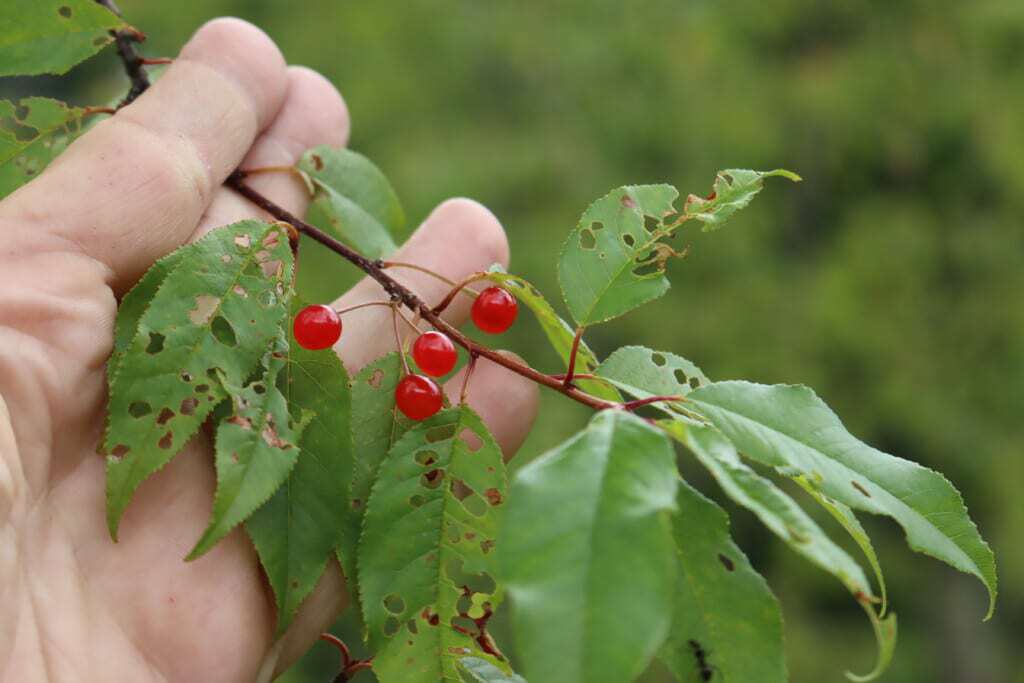
Have you ever come across bird cherry berries and wondered if you can eat them safely? You’re not alone.
These small, dark berries often catch your eye, but their look can be confusing—are they tasty treats or something to avoid? Knowing the answer could keep you safe and even add a unique flavor to your diet. Keep reading, and you’ll discover everything you need to know about bird cherry berries—what they are, whether they’re edible, and how to enjoy them without risk.
Your curiosity deserves clear answers, so let’s dive in!
Bird Cherry Tree Basics
The bird cherry tree is a type of tree that grows in many places. It is known for its small berries and white flowers.
People often wonder if the berries from this tree are safe to eat. Learning about the tree helps understand its berries better.
Botanical Features
The bird cherry tree belongs to the Prunus genus. It usually grows between 15 and 25 feet tall.
The tree has long, narrow leaves that are dark green. In spring, it produces clusters of small white flowers.
- Height: 15 to 25 feet
- Leaves: long, narrow, dark green
- Flowers: small, white, clustered
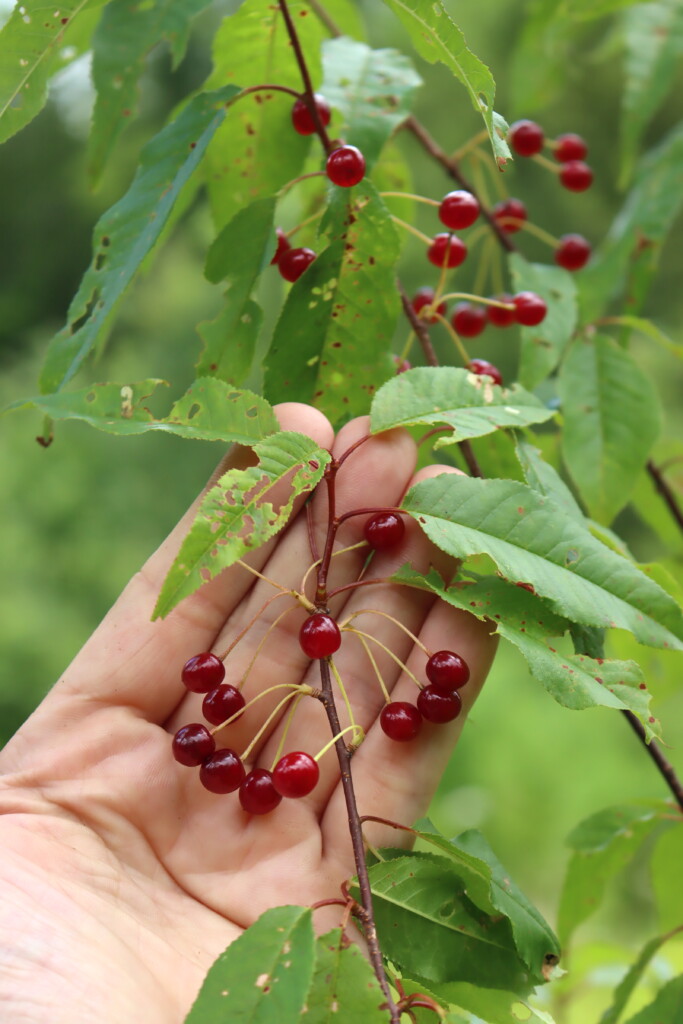
- Berries: small, black or dark purple
Common Varieties
There are several types of bird cherry trees. Each type has slight differences in size and berry taste.
Some common varieties include the European bird cherry and the American bird cherry.
- European Bird Cherry (Prunus padus):Found in Europe and Asia, has fragrant flowers.
- American Bird Cherry (Prunus virginiana):Grows in North America, berries are more bitter.
Credit: practicalselfreliance.com
Characteristics Of Bird Cherry Berries
Bird cherry berries grow on a small tree called bird cherry. These berries have unique features that set them apart from other fruits. Knowing their characteristics helps to understand if you can eat them safely.
The berries have a special look and taste. They also contain nutrients that can affect your health. Let’s explore their appearance, taste, and nutritional profile in detail.
Appearance And Taste
Bird cherry berries are small and round. They usually grow in clusters on the tree branches. The color of the berries changes as they ripen, starting green and turning dark purple or black.
- Size: about 5 to 7 millimeters in diameter
- Shape: round and smooth
- Color: green when unripe, dark purple to black when ripe
- Taste: slightly bitter and astringent, not very sweet
- Texture: firm but juicy inside
The taste is not very pleasant when raw. Many people find it bitter. Cooking or processing the berries can reduce the bitterness and make them more palatable.
Nutritional Profile
| Nutrient | Amount per 100g | Benefit |
| Vitamin C | 15 mg | Supports immune system |
| Dietary Fiber | 3 g | Aids digestion |
| Carbohydrates | 10 g | Provides energy |
| Protein | 1 g | Builds body tissues |
| Antioxidants | Moderate | Protects cells from damage |
Bird cherry berries contain vitamins and minerals. They have vitamin C, fiber, and antioxidants. These nutrients help keep the body healthy and protect against diseases.
Toxic Components In Bird Cherry
Bird cherry berries look tempting, but they contain harmful substances. These toxic parts can cause health issues if eaten carelessly.
It is important to know what makes bird cherry berries unsafe. Understanding the toxic components helps keep you safe.
Presence Of Cyanogenic Compounds
Bird cherry berries have cyanogenic compounds. These are natural chemicals that can release cyanide when eaten.
The cyanide in the berries can block oxygen use in the body. This makes bird cherry berries risky to eat raw or in large amounts.
- Cyanogenic glycosides are the main toxins
- They break down into hydrogen cyanide
- Hydrogen cyanide is a deadly poison
- Cooking may reduce the risk but not remove it fully
Effects On Human Health
Eating bird cherry berries can cause poisoning symptoms. These include headache, dizziness, and stomach pain.
In severe cases, cyanide poisoning can stop breathing and heart function. Eating many berries or seeds is very dangerous.
- Mild poisoning: nausea, vomiting, headache
- Severe poisoning: difficulty breathing, fainting
- Very severe cases can cause death
- Seek medical help if symptoms appear after eating berries

Credit: www.publish0x.com
Can Humans Safely Consume Bird Cherry Berries?
Bird cherry berries grow on trees found in many parts of the world. People often wonder if these berries are safe to eat. This article looks at whether humans can consume bird cherry berries without harm.
While bird cherry berries look appealing, they contain substances that can cause problems if eaten raw. Understanding the risks and how to prepare the berries is important for safety.
Raw Consumption Risks
Eating bird cherry berries raw can be risky. The berries have compounds called cyanogenic glycosides. These compounds release cyanide when eaten, which is poisonous to humans.
Consuming raw berries may cause symptoms like nausea, stomach pain, dizziness, or worse in large amounts. Children and pets are especially vulnerable to these effects.
- Bird cherry berries contain natural toxins
- Raw berries can release harmful cyanide
- Eating many raw berries may cause poisoning
- Children and pets are at higher risk
Processing Methods To Reduce Toxicity
Proper processing can reduce the toxic effects of bird cherry berries. Cooking, drying, or fermenting the berries helps break down the harmful compounds. This makes the berries safer to eat.
People use these methods to prepare bird cherry berries for jams, jellies, or herbal remedies. Always ensure the berries are well-processed before eating or using them.
- Cooking berries destroys cyanide compounds
- Drying reduces toxin levels over time
- Fermentation can make berries safe to consume
- Never eat bird cherry berries raw
- Use processed berries in recipes or remedies
Symptoms Of Bird Cherry Poisoning
Bird cherry berries look tempting but can be harmful if eaten. The plant contains toxins that cause poisoning. Symptoms can vary from mild to severe.
It is important to know the signs of poisoning to act quickly. This helps prevent serious health problems.
Mild To Severe Reactions
Mild symptoms include stomach pain and nausea. Some people may feel dizzy or have a headache. Severe reactions can affect breathing and heart rate.
- Stomach pain
- Nausea and vomiting
- Dizziness and headache
- Rapid heartbeat
- Difficulty breathing
- Confusion or fainting
Symptoms can start within minutes or hours after eating the berries. The amount eaten affects how bad the symptoms get.
When To Seek Medical Help
Get medical help right away if symptoms are severe or get worse. Early treatment helps prevent serious problems. Call emergency services if breathing is hard or the person faints.
- Seek help if vomiting lasts more than a day
- Go to the hospital for difficulty breathing
- Call emergency if the person is unconscious
- Visit a doctor if you feel very weak or confused
Do not wait if you suspect bird cherry poisoning. Quick action can save lives.
Alternative Uses For Bird Cherry Berries
Bird cherry berries are small, dark fruits found on the Prunus padus tree. They are not often eaten raw due to their bitter taste and mild toxicity. Still, these berries have several uses beyond just fresh eating.
People have used bird cherry berries for medicine and cooking after careful preparation. This helps make them safe and useful in different ways.
Medicinal Applications
Bird cherry berries contain natural compounds that may help with health problems. Traditional medicine has used them for their anti-inflammatory and calming effects.
- Relieve coughs and sore throats with berry extracts
- Reduce inflammation in the digestive system
- Support relaxation and ease anxiety symptoms
- Help with mild skin irritations when applied topically
Always prepare the berries properly and consult a healthcare provider before use. Raw berries can be harmful if not handled right.
Culinary Uses After Proper Preparation
Bird cherry berries are not tasty or safe to eat raw. Cooking or processing is needed to remove bitterness and toxins. Once prepared, they add unique flavors to foods.
| Preparation Method | Purpose | Result |
| Boiling the berries | Remove toxins and bitterness | Safe, milder taste |
| Making jams or jellies | Add sweetness and flavor | Delicious spread for bread |
| Drying and grinding | Use as a spice or flavoring | Unique ingredient for sauces |
| Fermentation | Create alcoholic beverages | Fruity and aromatic drinks |
Using bird cherry berries in recipes requires care. Proper preparation ensures safety and good taste.
Comparison With Other Edible Berries
Bird cherry berries are small, dark, and grow on trees. They look like other edible berries but have unique traits. This makes it important to compare them with familiar berries.
This guide explains how bird cherry berries are similar and different from other berries. It also shares safety tips for picking wild berries.
Similarities And Differences
Bird cherry berries share some features with other common berries. They are small and dark like chokecherries and elderberries. They grow on shrubs or small trees and ripen in late summer.
| Berry Type | Color | Taste | Use |
| Bird Cherry | Dark purple to black | Bitter and astringent raw | Cooked in jams and sauces |
| Chokecherry | Dark red to black | Tart and bitter raw | Jams, jellies, and syrups |
| Elderberry | Black or dark purple | Slightly sweet when cooked | Syrups, wines, and pies |
| Blueberry | Blue to purple | Sweet and mild | Fresh eating and baking |
Bird cherry berries need cooking to reduce bitterness. Blueberries can be eaten raw. Chokecherries and elderberries also require cooking for safety and flavor.
Safety Tips For Wild Berry Foraging
Eating wild berries can be risky. Some berries look like bird cherry but are poisonous. Learn how to stay safe when picking berries outdoors.
- Identify berries carefully before eating.
- Do not eat berries that are unknown.
- Cook berries that taste bitter or astringent.
- Wear gloves to avoid skin irritation.
- Pick berries from clean, pesticide-free areas.
- Consult a local expert or guidebook.

Credit: www.publish0x.com
Frequently Asked Questions
Can You Safely Eat Bird Cherry Berries?
Bird cherry berries are edible but should be eaten in moderation. Raw berries can be slightly toxic due to cyanogenic compounds. Cooking or processing them reduces toxins, making them safer for consumption.
Are Bird Cherry Berries Nutritious?
Yes, bird cherry berries contain vitamins, antioxidants, and fiber. They support immune health and digestion. However, they should be consumed carefully due to potential mild toxicity if raw.
How To Prepare Bird Cherry Berries For Eating?
Cook or dry bird cherry berries before eating. Heat breaks down harmful compounds, making them safe. You can also use them in jams, jellies, or baked goods.
What Are The Health Risks Of Eating Bird Cherry Berries?
Eating raw bird cherry berries in large quantities can cause nausea or dizziness. The cyanogenic compounds release cyanide, which is toxic. Proper cooking prevents these health risks.
Conclusion
Bird cherry berries offer unique flavors and potential health benefits. Eating them can be safe, but caution is necessary. Some parts of the plant can be toxic. Always ensure berries are ripe before consumption. Cooking can reduce any potential toxins.
Enjoy them in moderation. They make great additions to desserts and jams. Remember to consult a local expert if unsure. Understanding local plant varieties is essential. Stay informed and enjoy nature’s bounty safely. Bird cherry berries can be an exciting addition to your diet.
Always prioritize safety and proper identification.