
Can You Feed a Baby Bird Fruit? Safe Feeding Guide
Have you ever found a tiny baby bird and wondered if giving it some fruit is a good idea? You want to help, but you’re not sure what’s safe or healthy for such a fragile little creature.
Feeding a baby bird the wrong food can do more harm than good. So, can you feed a baby bird fruit? Keep reading to discover what you need to know to make the best choice for your feathered friend. Your actions could make all the difference in its survival.
Why Diet Matters For Baby Birds
Baby birds need the right food to grow healthy and strong. Their diet affects their development and survival.
Feeding baby birds the wrong food can harm their health. It is important to know what they need to eat.
Nutritional Needs Of Baby Birds
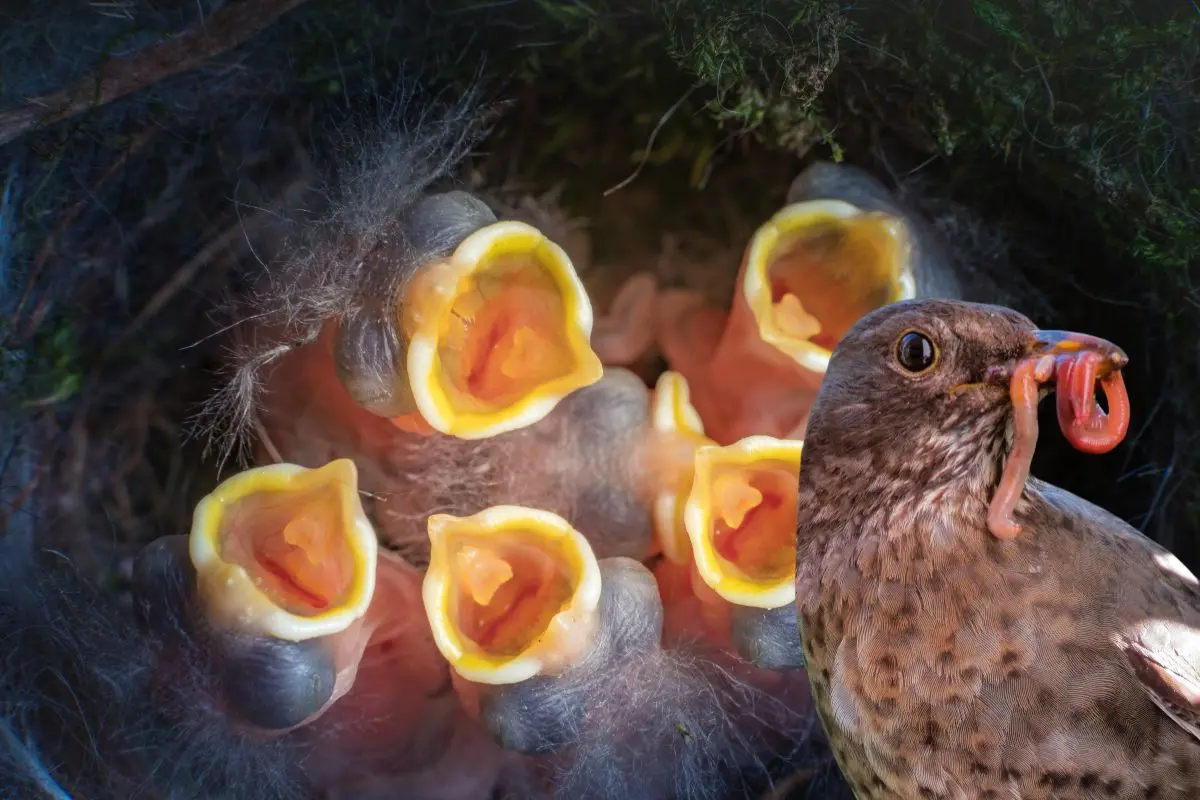
Baby birds need protein, fats, and vitamins to grow. Their parents usually feed them insects and worms.
Fruits alone do not provide enough protein. Protein is essential for muscle and feather growth.
Risks Of Feeding Baby Birds Only Fruit
Fruit lacks the protein and fat baby birds need. Feeding only fruit can cause malnutrition and weakness.
Some fruits are also acidic or have seeds that may hurt a baby bird’s digestive system.
When Fruit Can Be Part Of Their Diet
Fruit can be given to baby birds in small amounts. It should always be mixed with protein sources.
- Offer soft, seedless fruit like mashed bananas or berries
- Combine fruit with insects, mealworms, or special bird food
- Feed fruit only after the baby bird is older and stronger
How To Help Baby Birds Grow Strong
Provide a balanced diet with enough protein and nutrients. This helps baby birds develop feathers and bones.
Always give food that matches the baby bird’s natural diet. Avoid feeding just fruit or human food.
Credit: wildbloo.com
Safe Fruits For Baby Birds
Feeding baby birds the right food helps them grow strong and healthy. Fruits can be a good choice if they are safe and nutritious.
Not all fruits are good for baby birds. Some fruits may cause harm or upset their stomachs.
Best Choices
These fruits are safe and healthy for baby birds. They provide vitamins and hydration.
- Apples (peeled and chopped)
- Bananas (ripe and mashed)
- Blueberries
- Melons (seedless and cut small)
- Strawberries (cut into small pieces)
- Pears (peeled and chopped)
Fruits To Avoid
Some fruits can be harmful or toxic to baby birds. Avoid these to keep them safe.
| Fruit | Reason to Avoid |
| Avocado | Contains toxins harmful to birds |
| Cherries | Seeds contain cyanide |
| Grapes | Can cause kidney problems |
| Rhubarb | Leaves are toxic |
| Tomatoes | Unripe fruit and leaves are poisonous |
Preparing Fruit For Feeding
Feeding fruit to a baby bird can be helpful if done correctly. Preparing the fruit safely is important for the bird’s health.
This guide covers how to clean and cut fruit and the right size and texture for feeding baby birds.
Cleaning And Cutting
Always wash fruit thoroughly to remove dirt and pesticides. Use fresh, clean water to rinse the fruit well.
- Choose ripe fruit without bruises or mold.
- Rinse under cool running water.
- Use a clean knife and cutting board to avoid germs.
- Remove seeds, pits, and skin if they are hard or toxic.
- Cut fruit into very small pieces for easy eating.
Serving Size and Texture
Baby birds need small, soft pieces of fruit. Large or hard chunks can cause choking or discomfort.
| Age of Baby Bird | Fruit Piece Size | Texture |
|---|---|---|
| Newborn to 1 week | Very tiny, mashed | Soft, almost like puree |
| 1 to 3 weeks | Small, finely chopped | Soft and easy to chew |
| 3 weeks and older | Small chunks | Softer but slightly firmer |
Feeding Techniques
Feeding a baby bird fruit requires care and the right methods. You must know how to offer food safely and effectively.
Using the correct feeding techniques helps the bird get enough nutrition and avoid harm. This guide covers hand-feeding tips and tools.
Hand-feeding Tips
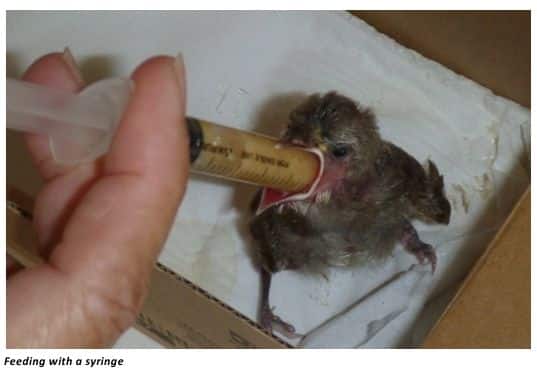
Feed baby birds gently to avoid choking. Fruits should be soft and cut into small pieces. Do not feed whole fruit chunks.
- Use a small spoon or dropper to give fruit pieces.
- Offer food at room temperature, not cold or hot.
- Feed slowly and watch for signs of distress.
- Keep the bird’s head slightly raised while feeding.
- Clean feeding tools before and after use.
Using Feeding Tools
Proper tools make feeding easier and safer. Choose the right size and type to fit the bird’s beak and age.
| Tool | Purpose | Care Tips |
| Small Spoon | For soft fruit pieces | Wash after each use |
| Dropper | Deliver liquid or puree | Use gentle pressure |
| Tweezers | Hold tiny fruit bits | Sanitize before feeding |
| Feeding Syringe | Controlled feeding amount | Clean thoroughly |
Signs Of Proper Nutrition
Feeding a baby bird the right food is very important for its growth. Proper nutrition helps the bird stay healthy and active.
Knowing the signs of good nutrition can help you care for the bird better. Look for physical and behavioral clues that show the bird is well-fed.
Healthy Weight And Growth
A baby bird with proper nutrition will gain weight steadily. Its body will look plump but not swollen. Growth is smooth without sudden changes.
Bright Eyes And Clean Feathers
Clear and shiny eyes show good health in baby birds. Feathers should be smooth and clean, with no bald spots or dirt. These signs mean the bird is getting the nutrients it needs.
Active Behavior And Strong Movements
Properly fed baby birds are alert and move easily. They respond quickly to sounds and show curiosity about their surroundings.
Healthy Droppings
- Droppings should be moist but not watery
- Color varies but should be consistent daily
- No foul smell or unusual texture
- Changes in droppings may indicate poor nutrition
Proper Feeding Response
Baby birds that are well-nourished will open their mouths wide when fed. They show eagerness and do not reject food easily.
| Feeding Behavior | What It Shows |
|---|---|
| Open mouth eagerly | Good appetite and nutrition |
| Slow or no response | Possible hunger or health issues |
| Rejects food | Stress or poor diet |
Credit: pethelpful.com
Common Feeding Mistakes
Feeding a baby bird can be tricky. Many people make mistakes that harm the bird’s health.
Knowing what not to do is as important as knowing what to feed. This helps the baby bird grow strong.
Feeding Only Fruit
Fruit alone does not provide enough nutrients for baby birds. They need protein and fats to grow well.
Relying only on fruit can cause malnutrition and weak bones. Baby birds need a balanced diet.
Giving The Wrong Type Of Fruit
Some fruits are too acidic or hard for baby birds to eat. Citrus fruits can upset their stomach.
Always avoid sour or citrus fruits. Soft, mild fruits like bananas or berries are better but still not enough alone.
Feeding Large Pieces
Giving big chunks of fruit can choke a baby bird. Their throats are very small and delicate.
Cut fruit into tiny, bite-sized pieces to avoid choking hazards. The pieces should be easy to swallow.
Ignoring Hydration Needs
Fruit has water but does not keep baby birds fully hydrated. They need extra water sometimes.
Offering fresh water along with food helps prevent dehydration. Never assume fruit alone is enough.
Not Mimicking Natural Feeding
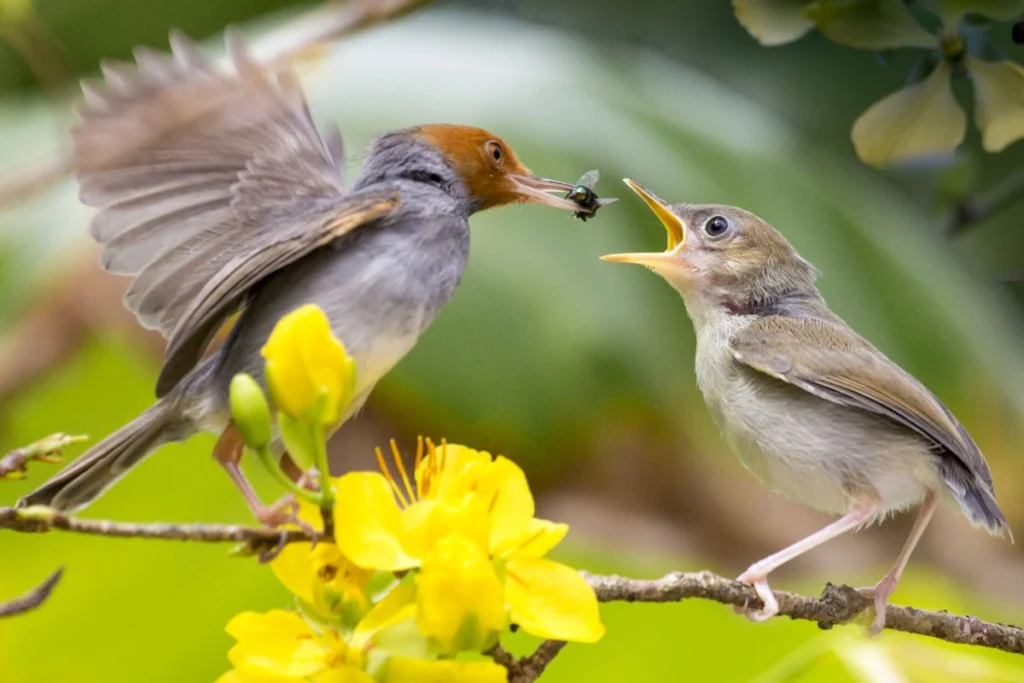
Wild baby birds get mostly insects and worms, not fruit. Feeding fruit only does not match their natural diet.
Try to include protein-rich foods like insects or special bird formulas. This supports healthy growth.
When To Consult A Wildlife Expert
Feeding a baby bird fruit may seem helpful, but it is not always safe. Sometimes, baby birds need special care that only experts can provide.
Knowing when to call a wildlife expert can save the bird’s life. Experts know the right food and care for different bird species.
If The Baby Bird Is Injured Or Sick
Do not try to feed a bird that looks hurt or sick. Injured birds need medical help from experts right away.
Wildlife experts can treat wounds and illnesses. They have the tools and knowledge to help the bird recover.
If You Are Unsure About The Bird’s Age
Baby birds need different food at different ages. Feeding fruit to a very young bird can harm it.
Wildlife experts can tell how old the bird is. They will guide you on the right food and care.
If The Bird Is Found On The Ground
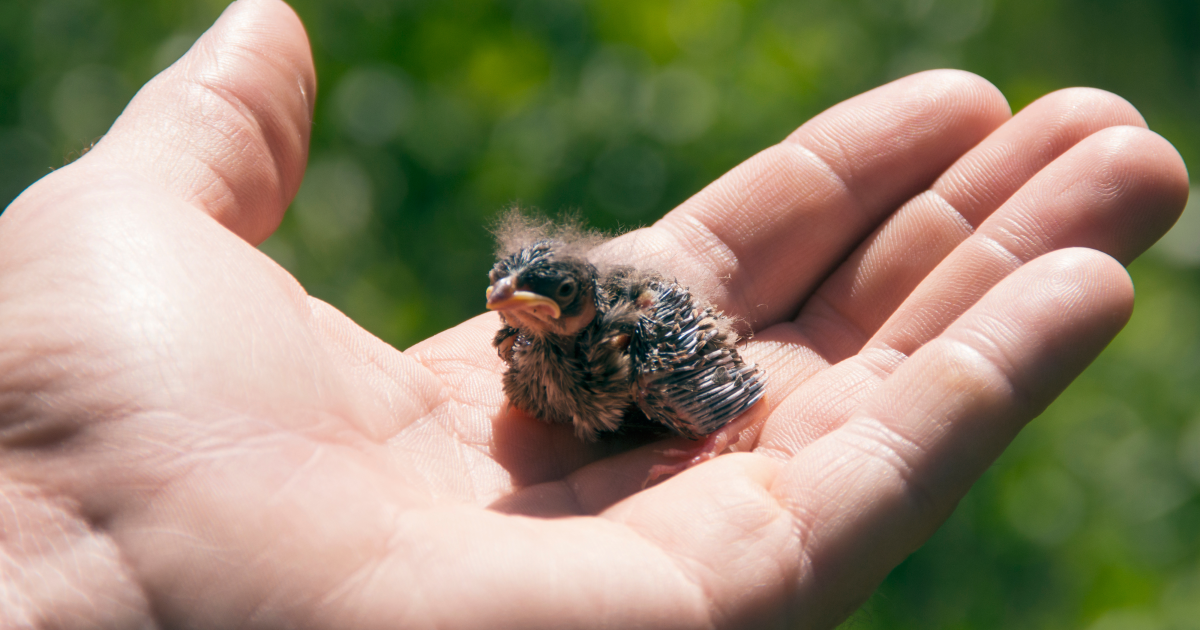
Baby birds on the ground may be abandoned or fallen from a nest. They might need special help to survive.
Experts can check if the bird needs to go back to its nest or needs care at a rescue center.
If You Cannot Identify The Species
Different bird species eat different foods. Some fruits may be safe for one bird but not for another.
A wildlife expert can identify the species and suggest the best food. This helps avoid feeding harmful food.
If The Baby Bird Refuses To Eat
Sometimes baby birds refuse fruit or any food. This can mean they are stressed or sick.
Experts can check the bird’s health and help it start eating again. They know how to handle delicate birds.
Credit: wildbloo.com
Frequently Asked Questions
Can Baby Birds Eat Fruit Safely?
Yes, baby birds can eat some fruits safely in small amounts. Soft fruits like bananas and berries are best. Avoid citrus fruits and seeds. Fruits should complement their natural diet, not replace protein-rich food.
What Fruits Are Best For Feeding Baby Birds?
Soft, ripe fruits like bananas, blueberries, and apples without seeds are ideal. These fruits provide vitamins and hydration. Avoid sour or citrus fruits, which can upset their digestive system.
How Often Should Baby Birds Eat Fruit?
Offer fruit sparingly, about once or twice a week. Fruit should be a supplement, not the main food. Focus primarily on protein-rich foods like insects or specialized bird formula.
Can Feeding Fruit Harm A Baby Bird?
Feeding too much fruit can cause digestive issues or malnutrition. Avoid sugary or acidic fruits that may upset their stomach. Always balance fruit intake with protein and nutrients needed for growth.
Conclusion
Feeding baby birds fruit requires care and understanding. Choose soft fruits. Always cut them into small pieces. Ensure they are ripe and fresh. Fruits should complement a balanced diet. Mix with seeds or grains. Watch for any allergies or reactions.
Clean feeding tools regularly. Consult a vet if unsure. A varied diet ensures healthy growth. Remember, patience is key. Nurturing a baby bird is rewarding. It strengthens your bond and ensures their well-being. Enjoy the journey of caring for your feathered friend.



